- EXPERT'S HELP
- +256789210067
- +256200955001
- info@kenlinktours.com


Best Rwanda Safari Experiences for Nature Lovers
May 7, 2026
Golden Monkey Tracking in Rwanda
May 7, 2026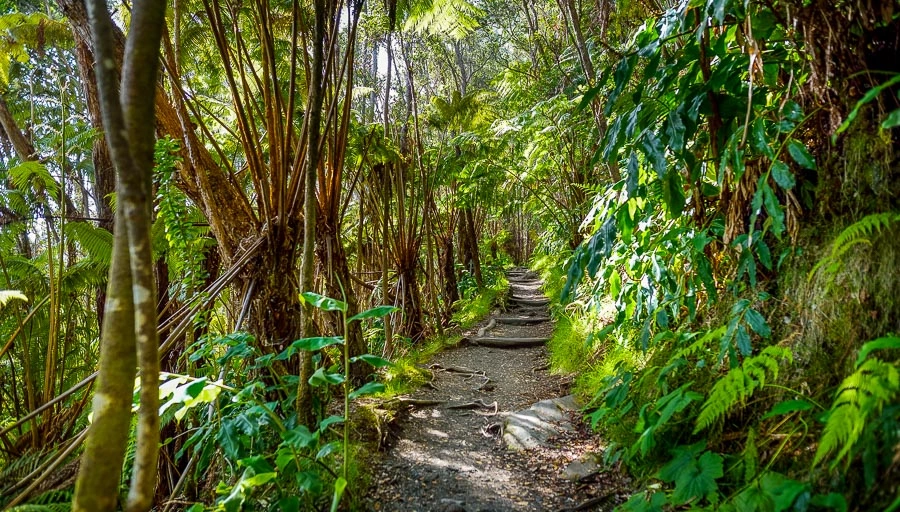
Exploring Volcanoes National Park. In the far northwest corner of Rwanda, where the country’s rolling thousand hills give way to the mist-covered slopes of the Virunga Volcanoes, sits one of the most extraordinary national parks anywhere in the world. Volcanoes National Park is a place that has shaped the global conversation around wildlife conservation — it is where Dian Fossey spent eighteen years studying and protecting mountain gorillas, where the population of these critically endangered primates began its remarkable recovery, and where today’s visitors come face to face with one of nature’s most profound and moving wildlife encounters. But the park is far more than gorillas alone. Its five volcanoes, its bamboo forests, its golden monkeys, its hiking trails, its cultural depth, and its extraordinary lodges make Volcanoes National Park a destination that rewards exploration at every level. This guide takes you through everything the park offers — what to do, how to do it, when to go, and how to plan the perfect visit.
The Park at a Glance — Five Volcanoes, One Remarkable Landscape
Volcanoes National Park covers approximately 160 square kilometres of the Albertine Rift’s Virunga mountain range, which spans the borders of Rwanda, Uganda, and the Democratic Republic of Congo. The park takes its name from the five volcanoes within its boundaries: Mount Karisimbi (4,507 metres — the highest), Mount Bisoke (3,711 metres, with a stunning crater lake at its summit), Mount Sabyinyo (3,634 metres — the oldest of the five, with a distinctive saw-toothed ridgeline), Mount Gahinga (3,474 metres), and Mount Muhabura (4,127 metres). Each volcano is a distinct ecological zone in its own right, the lower slopes covered in bamboo forest, the middle altitudes in dense Afromontane rainforest rich in endemic plants, the higher reaches transitioning to heather and open moorland, and the summits in stark, windswept rock and sky.
The park is located in the Kinigi area of Musanze District, approximately 100 kilometres northwest of Kigali — a scenic two-and-a-half-hour drive through Rwanda’s characteristic terraced hillsides and rural communities. Musanze town, also known as Ruhengeri, serves as the practical gateway, offering hotels, restaurants, and amenities for visitors arriving the evening before their trek. The combination of dramatic volcanic geography, extraordinary wildlife, deep conservation history, and Rwanda’s exceptional park management makes Volcanoes a destination that justifiably sits at the top of many travellers’ Africa lists.
Gorilla Trekking — The World’s Greatest Wildlife Encounter
Gorilla trekking in Volcanoes National Park is the experience that defines Rwanda safari tourism and draws visitors from every corner of the world. According to the IUCN Red List, mountain gorillas (Gorilla beringei beringei) remain classified as Endangered, with a global population that has grown to just over 1,000 individuals — a conservation success story driven in part by the permit-funded tourism model that Rwanda pioneered. Approximately 18 gorilla families have been habituated to human presence in Volcanoes National Park, and each family receives a maximum of eight visitors per day, maintaining the intimacy and minimising the ecological impact of the encounter.
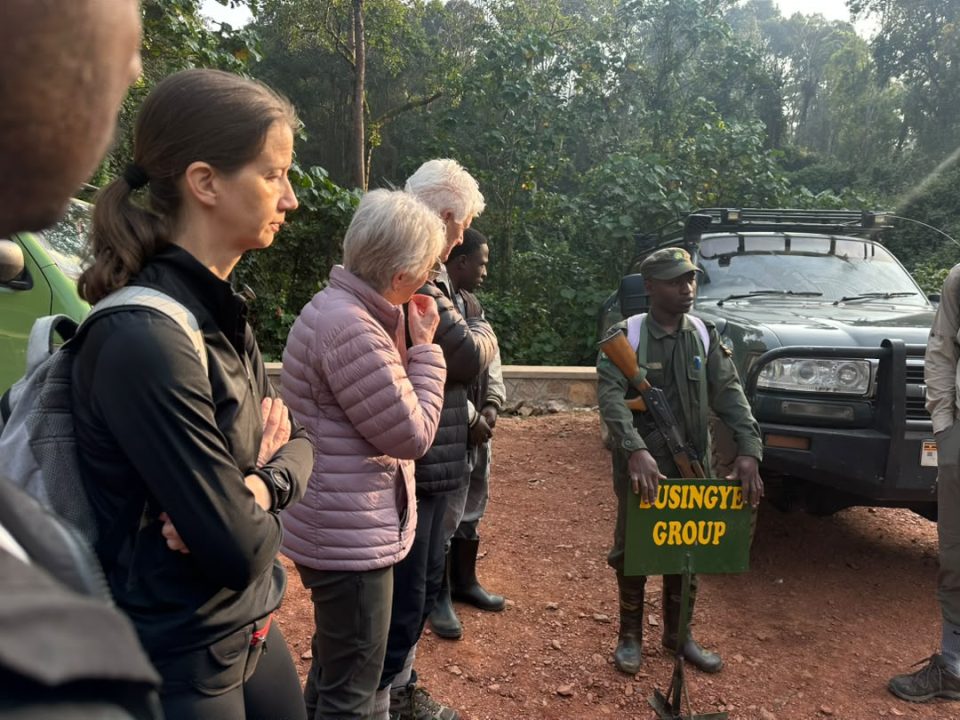
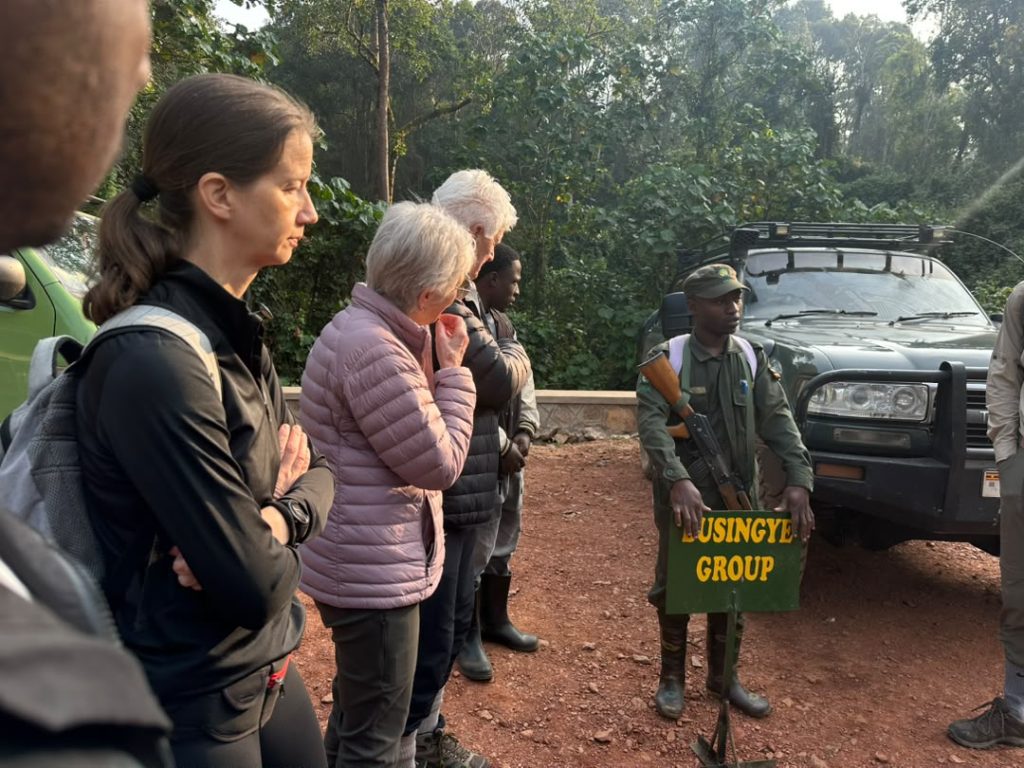
The day begins at the park headquarters in Kinigi, where groups gather by 7:00 AM for a briefing. Rangers assign each group of eight visitors to a specific gorilla family based on fitness level, walking pace preference, and the family’s current location. Some families — including the renowned Susa group, one of the largest in the park — require a longer hike, while others are encountered relatively quickly on the park’s lower slopes. The terrain is generally moderate compared to Uganda’s Bwindi — well-marked trails through bamboo and Afromontane forest, with volcanic slopes that are steep but walkable for most fitness levels. Gorilla trekking in Volcanoes National Park typically takes between one and six hours each way depending on the family’s location on any given morning.
The hour spent with the gorillas — the only hour permitted per family per day — is consistently described by visitors as one of the most powerful experiences of their lives. Watching a silverback sit calmly metres away, his family scattered around him in various states of feeding, play, and grooming; seeing a juvenile swing through the undergrowth; watching a mother nurse her infant with the same gentle attention any parent would recognise — these moments carry an emotional weight that no photograph fully captures. A gorilla trekking permit in Rwanda costs USD 1,500 per person for foreign non-residents, set by the Rwanda Development Board. This premium reflects Rwanda’s exceptional park management, conservation investment, and lodge infrastructure, and 100% of permit revenue supports gorilla conservation and surrounding community development.
Golden Monkey Trekking — Volcanoes’ Colourful Second Act
The golden monkey is one of Africa’s most visually spectacular primates and one of its most restricted — found only in the bamboo forests of the Virunga Mountains shared by Rwanda, Uganda, and the DRC. Volcanoes National Park is home to a habituated golden monkey group, and a trekking permit costs significantly less than the gorilla permit — making it an excellent choice as a second-day activity for visitors spending more than one day in the park.
Where gorillas are massive, composed, and dignified, golden monkeys are their opposite: small, fast, brilliantly coloured, and chaotically acrobatic. Their vivid orange-gold patches contrasting against jet-black fur make them among the most photogenic primates in Africa, and watching a group of them leap between bamboo stalks, chase each other through the undergrowth, or hang upside-down to feed is pure, joyful entertainment. The trek to find them is typically shorter than a gorilla trek — one to three hours in most cases — and the encounter itself lasts one hour. Many travellers who schedule gorilla trekking on Day One and golden monkey trekking on Day Two leave Volcanoes National Park feeling they have had two completely different and complementary primate experiences — both extraordinary, neither overshadowed by the other.
The 5-day Volcanoes Gorillas and Akagera Wildlife Safari from Kenlink Tours is specifically designed to incorporate both gorilla trekking and golden monkey tracking, maximising the wildlife experience available in and around the park.
Volcano Hiking — Karisimbi, Bisoke, Sabyinyo, and Beyond
Volcanoes National Park’s five volcanoes are all hikeable, and for visitors who want to extend their time in the park beyond primate trekking, these hikes offer genuinely spectacular high-altitude adventure.
Mount Bisoke (3,711m) is the most popular day hike in the park and one of the most rewarding. The trail climbs through bamboo forest, then dense Afromontane vegetation, before reaching the summit — where a stunning crater lake sits in a bowl of ancient lava rock. On a clear day, the views across the Virunga range into Uganda and the DRC are breathtaking. The hike typically takes four to six hours return.
Mount Karisimbi (4,507m) is the highest volcano in the Virunga range and a two-day overnight hike. Trekkers camp at high altitude on the first night and summit at dawn on the second day for views that, in clear conditions, extend across the entire Virunga range. The route passes through zones of giant lobelia and senecio — the otherworldly high-altitude plants that characterise the Afromontane landscape — and the experience feels genuinely remote and wild.
Mount Sabyinyo (3,634m) is the oldest and most eroded of the five volcanoes, its summit reduced to a dramatic saw-toothed ridge where Rwanda, Uganda, and the DRC share a triple-point border. Standing on this ridge simultaneously in three countries is one of the park’s more unusual and memorable moments. The hike is steep and physically demanding but completed in a single day.
All volcanic hikes in Volcanoes National Park are conducted with licensed guides arranged through the Rwanda Development Board and are separate from the gorilla trekking permit system. Kenlink Tours’ Rwanda safaris holidays can incorporate volcano hikes alongside gorilla and golden monkey trekking for visitors with the time and fitness to pursue them.
The Dian Fossey Legacy — A Conservation Pilgrimage
No visit to Volcanoes National Park is complete without engaging with the legacy of Dian Fossey, the American primatologist whose eighteen years of gorilla research and advocacy here made her one of conservation history’s most significant and tragic figures. Fossey arrived in the Virungas in 1967, established the Karisoke Research Centre on the slopes of Mount Bisoke, and spent the rest of her life studying gorilla behaviour and fighting poaching — before being murdered in her cabin in 1985 in circumstances never fully resolved. Her work was popularised by the 1988 film Gorillas in the Mist and her book of the same name, and the population recovery that began during and after her tenure is one of wildlife conservation’s most celebrated stories.
Visitors can arrange a guided hike to the former Karisoke Research Centre site and Dian Fossey’s grave, located on the slopes above the park. The Ellen DeGeneres Campus of the Dian Fossey Gorilla Fund, opened in Musanze in 2022, is a state-of-the-art conservation research facility and museum that tells the full story of the gorilla conservation effort in compelling, interactive detail. A visit to the campus — well worth a half-day — is incorporated into Kenlink Tours’ 4-day Rwanda luxury safari and adds enormous depth and meaning to the gorilla trekking experience itself.
Cultural Encounters — The Iby’Iwacu Village
Adjacent to the park’s boundary, the Iby’Iwacu Cultural Village offers one of East Africa’s most unique and thoughtfully designed cultural experiences. The village was established by a community of former poachers who, through the park’s community development programme, chose to abandon illegal hunting in favour of cultural tourism. Known as the Intore — “The Chosen Warriors” — its performers present traditional Rwandan dances, drumming, and cultural demonstrations that have their origins in the victory celebrations of Rwanda’s ancient royal court.
A visit to Iby’Iwacu after gorilla or golden monkey trekking gives visitors insight into the human dimension of conservation — the communities who lived alongside these animals for generations, who were most affected by both the gorillas’ presence and the establishment of the national park, and who are now active participants in the park’s future through tourism. Combining gorilla trekking with cultural encounters is one of the most meaningful ways to experience Rwanda, and the Iby’Iwacu village is the perfect vehicle for doing so.
When to Visit and Where to Stay
The best time to trek gorillas in Volcanoes National Park is during the dry seasons: June through September and December through February. Trails are firmer and less slippery, visibility through the vegetation is better, and the volcanic landscape is at its most photogenic with clear skies and sharp horizon views. The wet season months — March to May and October to November — bring heavier rainfall and muddier trails, but also a dramatically lush and atmospheric forest and notably fewer visitors. Gorilla trekking operates year-round regardless of season.
Accommodation around Musanze and within the park vicinity ranges from the exceptionally positioned Mountain Gorilla View Lodge — a comfortable, sustainably built property on the volcanic slopes with direct views of the park — to luxury lodges including Singita Kwitonda, Sabyinyo Silverback Lodge, and One&Only Gorilla’s Nest, which offer some of the most refined and beautifully located wildlife lodge experiences anywhere in Africa. Mid-range and budget options in Musanze town provide equally good access to the park at more accessible price points.
Planning Your Volcanoes National Park Visit with Kenlink Tours
Whether you want a focused 3-day Rwanda gorilla safari or a longer journey that combines gorilla trekking with golden monkey tracking, volcano hikes, the Dian Fossey Campus, and Akagera National Park wildlife drives, Kenlink Tours designs Rwanda itineraries that make every available hour count. Their team manages all permit reservations — essential given the limited daily capacity — alongside accommodation, transport, and professional guiding throughout.
For visitors wanting to experience both Rwanda and Uganda in a single journey, Kenlink Tours seamlessly connects Volcanoes National Park with Bwindi Impenetrable Forest for a combined Rwanda and Uganda gorilla adventure — the most complete gorilla safari experience available anywhere in the world.
Book your Volcanoes National Park safari directly through Kenlink Tours, or reach out to their team to design your perfect Rwanda itinerary.
Volcanoes National Park does not simply show you mountain gorillas. It shows you what conservation — at its most determined, most costly, and most successful — can achieve.