- EXPERT'S HELP
- +256789210067
- +256200955001
- info@kenlinktours.com


Uganda Gorilla Safari Through Ishasha from Queen
July 15, 2026
How to book a gorilla permit in Uganda
July 20, 2026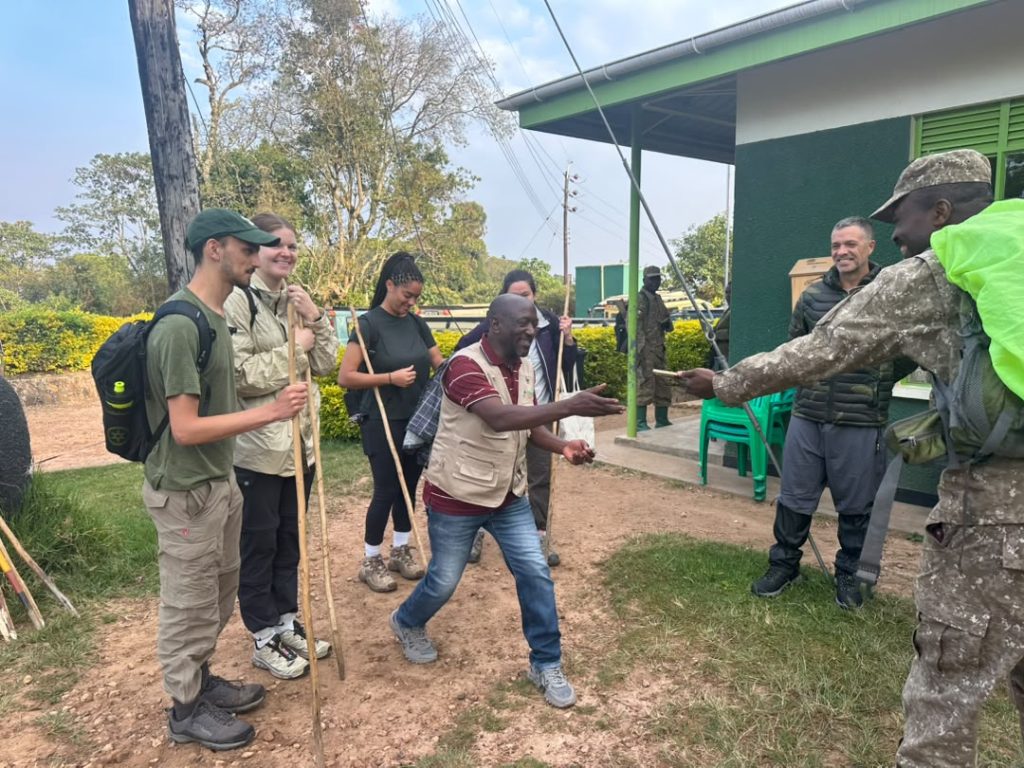
Starting Gorilla Trek in Uganda from Rwanda. Kigali International Airport has become the busiest gateway into East Africa’s gorilla country, and a growing number of travelers now begin their gorilla trekking safari in Rwanda’s capital before crossing overland into Uganda. The route makes practical sense: Kigali sits only a few hours’ drive from Bwindi Impenetrable National Park and Mgahinga Gorilla National Park, Uganda’s two mountain gorilla trekking destinations, and international flights into Kigali are often more frequent and convenient than connections through Entebbe. If you are planning a gorilla trekking safari in Uganda, starting from Rwanda can save you time, money, and an extra domestic flight. This guide walks you through everything you need to know, from the border crossing itself to permit costs and what to expect once you reach the forest.
Why Start Your Uganda Gorilla Safari From Kigali
Rwanda’s Volcanoes National Park has its own resident gorilla population, but its permits are priced considerably higher than Uganda’s. Many travelers now fly into Kigali specifically because it functions as the shortest, most reliable land route to Uganda’s gorilla parks in the southwest. The drive from Kigali to Bwindi typically takes between four and five hours, passing through the Cyanika or Katuna (Gatuna) border points, past terraced hillsides, small trading towns, and the volcanic slopes shared by both countries. Compared to flying into Entebbe and driving roughly nine hours to Bwindi, or taking a costly domestic flight, the Kigali route is often the most time-efficient option for a short trekking trip. Our 2 Days Rwanda to Uganda Gorilla Trekking Safari and 5-Day Gorilla Trekking Safari from Kigali to Uganda are both built specifically around this border-crossing itinerary.
Choosing Between Cyanika and Katuna Border Posts
Two border crossings connect Rwanda to southwestern Uganda, and the one you use depends on which sector of Bwindi you are trekking in. The Cyanika border, near Kisoro, is the faster option if you are heading to the Nkuringo or Rushaga sectors of Bwindi, or to Mgahinga Gorilla National Park, since it sits only about an hour from these trailheads. The Katuna (Gatuna) border, further north, connects more directly to the Buhoma and Ruhija sectors. A reputable operator will confirm your gorilla family and sector assignment before your trek and route your transfer through the correct crossing, so you are not left backtracking on trekking morning. Both borders are open daily, and immigration officers on each side process tourist passports fairly quickly outside of peak holiday periods.
What You Need for the Border Crossing
Every traveler needs a valid passport with at least six months’ validity remaining and a visa that covers Uganda. Most nationalities can apply in advance for Uganda’s e-visa through the official portal at visas.immigration.go.ug, run by Uganda’s Directorate of Citizenship and Immigration Control. If you also plan to visit Rwanda or Kenya on the same trip, the East Africa Tourist Visa is usually the more economical choice, since it permits multiple entries across Uganda, Rwanda, and Kenya over 90 days on a single application. Full eligibility details and the application procedure are published by Uganda’s immigration authority. A valid Yellow Fever vaccination certificate is also required for entry into both countries, and travelers should carry a printed or digital copy at the border, not just at the airport.
Booking Your Gorilla Permit for the Uganda Side
Gorilla permits for Bwindi Impenetrable National Park and Mgahinga Gorilla National Park are issued exclusively by the Uganda Wildlife Authority, the government body responsible for managing the country’s national parks and gorilla conservation programs. As of the current 2026 tariff, a standard permit costs 800 USD per person for foreign non-residents, covering one guided hour with a habituated gorilla family, park entry for the trekking day, and ranger-guide services. UWA has also introduced a discounted low-season rate of 600 USD during April, May, and November, though these discounted permits are non-reschedulable once booked. Because only a limited number of permits are released per gorilla family each day, and demand is highest from June to September and December to February, booking three to six months ahead is strongly advised. If you are trekking on the Rwanda side instead, permits for Volcanoes National Park are handled separately through the Rwanda Development Board, Rwanda’s tourism and conservation authority, at a considerably higher rate. This price difference is precisely why so many travelers choose to base their trek in Uganda while still flying in and out of Kigali. Our team at Kenlink Tours secures permits directly and can confirm availability for your preferred trekking date; see our full range of Uganda-Rwanda combination safaris for pre-built itineraries.
Where to Stay the Night Before Trekking
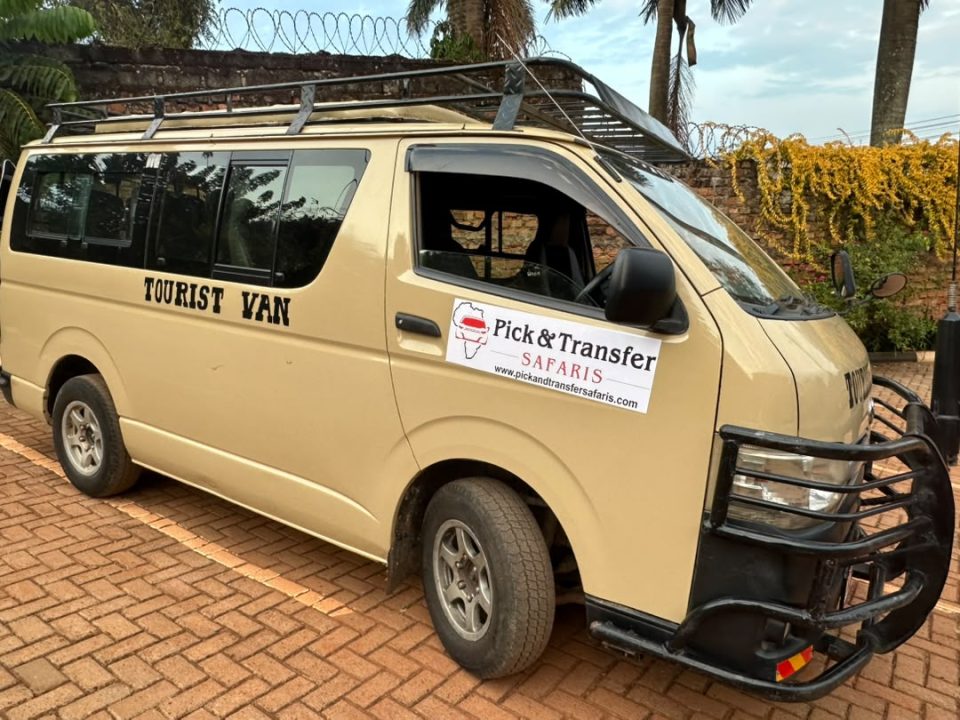
Because gorilla trekking briefings begin around 7:00 or 7:30 a.m., it makes sense to spend the night before your trek close to the park rather than attempting the full drive from Kigali on trekking morning. Lodges near Nkuringo and Rushaga suit travelers who crossed at Cyanika, while properties around Buhoma work well for those who crossed at Katuna. Many of our clients choose to break the Kigali-to-Bwindi journey into two comfortable driving days, stopping to explore Lake Kivu, Musanze town, or the base of the Virunga volcanoes along the way. If you would rather not manage border logistics yourself, our 3 Days Bwindi Gorilla Safari Starting from Kigali handles the entire transfer, permit booking, and lodge arrangements as a single package.
What Happens on Trekking Day
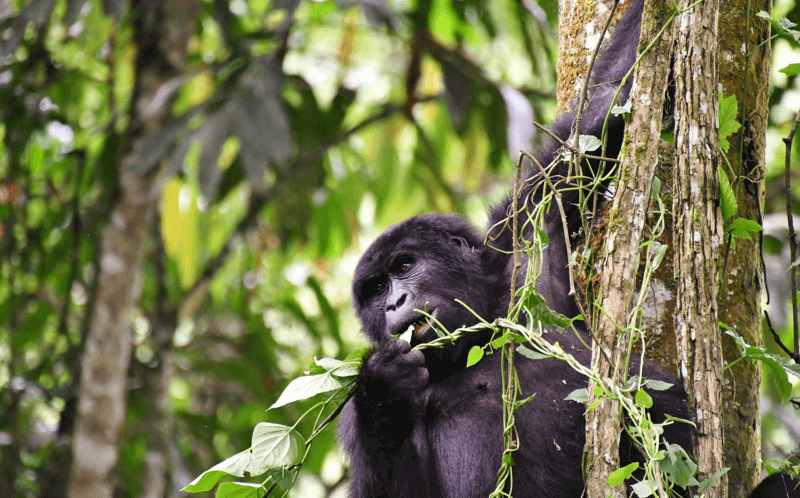
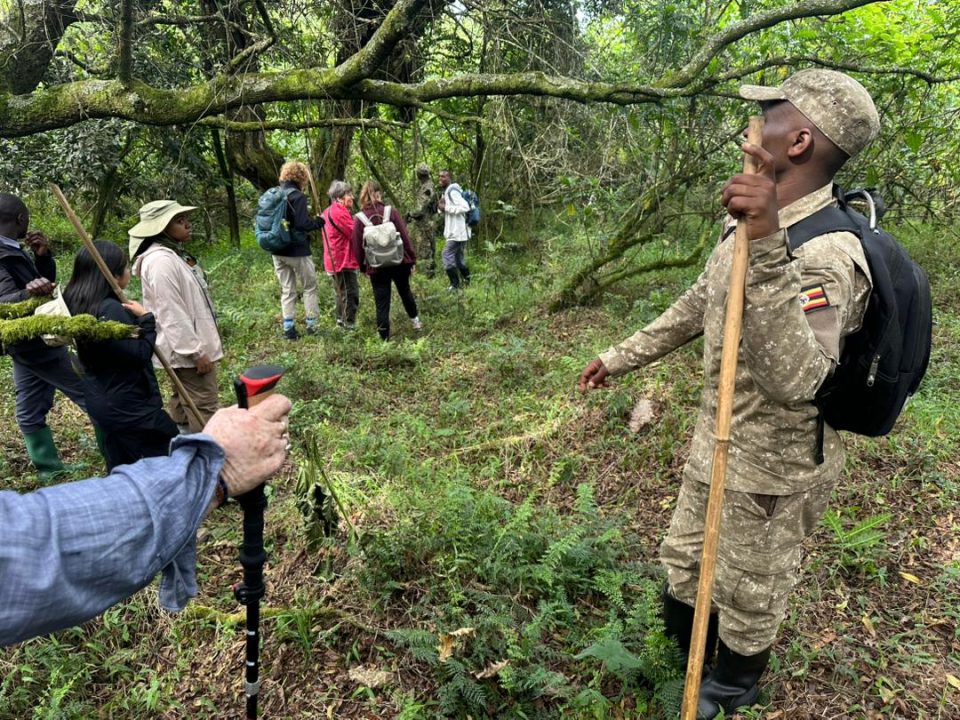
At the park headquarters, rangers organize visitors into small groups of a maximum of eight people per habituated gorilla family, then conduct a briefing covering trekking rules, forest etiquette, and safety around the gorillas. Treks can last anywhere from thirty minutes to six hours depending on where the assigned family is feeding that morning, and the terrain in Bwindi’s rainforest is steep, muddy, and physically demanding in places, hence its name, “the Impenetrable Forest.” Once your group locates the gorillas, you are permitted one full hour in their presence to observe, photograph, and take in a genuinely rare wildlife encounter before returning to the trailhead. Porters are available to hire locally for a modest fee and are worth considering both for their trail assistance and because hiring them directly supports the community members living around the park.
Combining Gorilla Trekking With More of Uganda and Rwanda
Because Kigali positions you so close to Uganda’s southwest, many travelers extend their trip to include Lake Bunyonyi, golden monkey tracking in Mgahinga, or a cultural visit to a Batwa community, before or after their gorilla trek. Others use the same route in reverse, trekking gorillas first in Uganda and then continuing into Rwanda to explore Kigali city, the Genocide Memorial, or Nyungwe Forest. If you have more time, our 10 Days Uganda Rwanda Combining Safari and 9 Days Uganda & Rwanda Gorilla and Big Five Safari both weave in wildlife viewing at Queen Elizabeth National Park alongside the primate trekking experience, giving you a fuller picture of the region beyond the single-day trek.
Practical Tips for a Smooth Crossing and Trek
Pack a valid passport, printed e-visa approval, and Yellow Fever certificate in an easily accessible bag, since border officers will ask for all three. Bring Ugandan shillings or US dollars in cash for minor border fees, park entry incidentals, and ranger or porter tips, as card facilities are unreliable at rural crossings. Waterproof hiking boots, a light rain jacket, and gardening gloves for gripping vegetation on steep sections make a meaningful difference on the trail, since Bwindi receives rain in most months of the year. Finally, confirm your permit and sector assignment with your operator a few days before departure, since UWA occasionally reallocates gorilla families between sectors based on their movement patterns.
Best Time of Year for This Route
Gorilla trekking is possible year-round in Uganda, but the two dry seasons, roughly December to February and June to September, offer firmer trails and easier hiking conditions, which is also when demand and permit prices peak. The shoulder months of March, April, May, October, and November see fewer crowds and, in the case of April, May, and November, discounted UWA permit pricing, though trails are muddier and rainfall more frequent. For travelers routing through Kigali, the dry seasons also make the overland transfer to Bwindi more comfortable, since unpaved sections of road near the park can become difficult after heavy rain. Whichever season you choose, booking your permit and lodge well in advance remains the deciding factor in securing your preferred trekking date, since gorilla permits are capped daily and sell out fastest around the Christmas and Easter holidays.
Plan Your Route With Local Experts
Starting a gorilla trek in Uganda from Rwanda is a well-trodden, efficient route, but it depends on getting the border crossing, permit booking, and timing right. Kenlink Tours has been arranging Uganda and Rwanda gorilla safaris since 2010, and our team handles permit reservations directly with the Uganda Wildlife Authority, coordinates airport and border transfers, and builds itineraries around your travel dates and fitness level. Browse our Uganda Rwanda Safaris collection or get in touch with our team to start planning a gorilla trek that begins in Kigali and ends with an unforgettable hour beside a mountain gorilla family in Uganda’s rainforest.