- EXPERT'S HELP
- +256789210067
- +256200955001
- info@kenlinktours.com


Tour Packages for Murchison Falls National Park
November 3, 2026
Gorilla Tours in Uganda Beginning from Kigali Airport Rwanda
November 3, 2026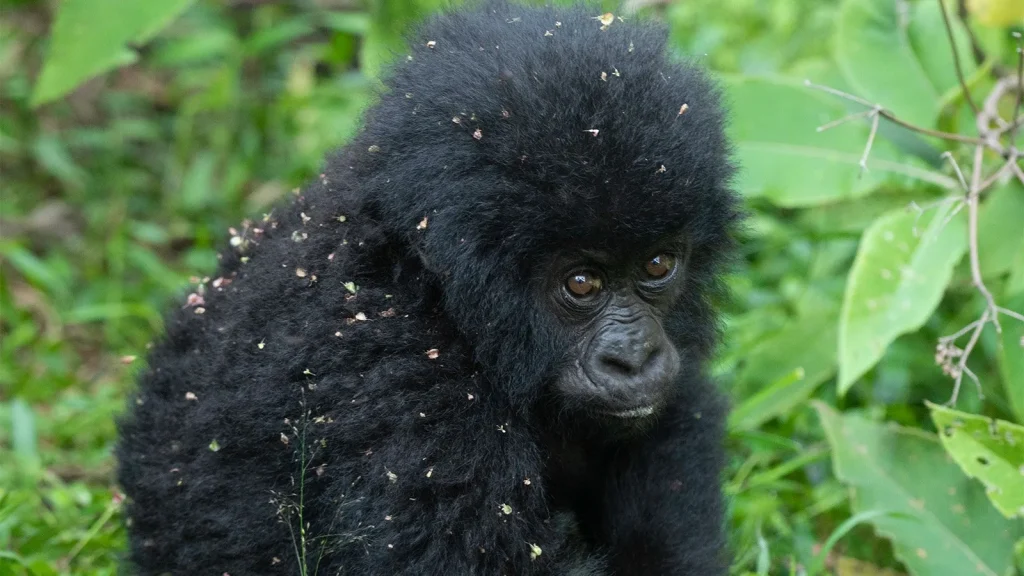
Can do gorilla tour in Uganda and come back to Kigali. Yes, you can do a gorilla tour in Uganda and come back to Kigali. In fact, this is one of the most popular ways to see mountain gorillas, because Kigali is often closer to Uganda’s southern gorilla parks than Entebbe is. Most travellers fly into Kigali, cross the border by road, trek in Bwindi or Mgahinga and return to Kigali for their flight home.
The journey is simple with the right planning. You need a gorilla permit, the correct visa for both countries and a driver-guide who can take you across the border. Many trips last just two or three days, which makes this a great option if you are short of time.
This guide explains how the route works, where to trek, which visa you may need, how much it costs and how long you should allow. The team at Kenlink Tours can then arrange the whole trip for you, from Kigali and back.
Why Start a Uganda Gorilla Tour from Kigali?
The main reason is distance. Reaching Bwindi from Entebbe by road often takes a full day, while the drive from Kigali to southern Bwindi is reported to take about four to five hours, plus time at the border.
Here are the main benefits of this route:
- A shorter journey: You spend less time on the road and more time near the gorillas.
- Lower permit costs: Uganda’s permit is reported at $800, compared with $1,500 in Rwanda.
- Easy flights: Kigali International Airport is a convenient arrival point for many travellers.
- Short trips: A gorilla tour can be done in as little as two or three days.
- Two countries: You can enjoy Kigali’s clean streets and Rwanda’s scenery as well as Uganda’s forest.
- Good for onward travel: You return to the same airport, which can make your flights simpler.
For ideas, explore these Uganda gorilla safaris from Rwanda, or see our own 2 Days Uganda Gorilla Safari Starting from Kigali.
Kigali or Entebbe: Which Is Better for Gorillas?
Both airports work well, and your best choice depends on your wider plans. This table compares the two main approaches.
| Feature | Starting from Kigali | Starting from Entebbe |
|---|---|---|
| Road time to southern Bwindi | About 4 to 5 hours, plus the border | Usually a full day |
| Border crossing | Yes | No |
| Visa planning | May need to cover both countries | Usually Uganda only |
| Best for | Short gorilla trips | Longer tours including Murchison or Kibale |
| Flight option | Road transfer is usual | Domestic flights to Kihihi or Kisoro |
Choose Kigali if gorillas are your main goal and you have limited time. Choose Entebbe if you also want to explore more of Uganda, such as Murchison Falls or Queen Elizabeth.
Where Can You See Gorillas in Uganda from Kigali?
Uganda’s gorillas live in two national parks, and both can be reached from Kigali. The sector on your permit will decide your border crossing, road time and lodge.
| Trekking area | Location | Usual border | Why choose it |
|---|---|---|---|
| Rushaga, Bwindi | South | Cyanika | Most gorilla families, usually better availability |
| Nkuringo, Bwindi | Southwest | Cyanika | Superb views and often harder treks |
| Mgahinga | Far southwest | Cyanika | Volcanic scenery, golden monkeys and few visitors |
| Ruhija, Bwindi | East | Gatuna/Katuna | Quiet trails and excellent birding |
| Buhoma, Bwindi | North | Gatuna/Katuna | Established lodges, but a longer road trip |
Rushaga and Nkuringo are often the easiest Bwindi choices from Kigali. Mgahinga Gorilla National Park is also conveniently close, although it has only one habituated family and a small number of permits. Read more about Bwindi Impenetrable National Park to help you choose.
How Does the Journey Work?
The journey is straightforward when you travel with a guide. Here is how a typical trip works.
- Arrive in Kigali: Your guide meets you at the airport or at your hotel.
- Drive north: You travel through Rwanda’s green hills, with a stop for lunch or a break if needed.
- Cross the border: You complete Rwandan exit and Ugandan entry formalities at the crossing.
- Continue to your lodge: You arrive close to your trailhead, then rest before the trek.
- Trek to see the gorillas: Spend up to one hour with a habituated family.
- Return to Kigali: You cross back into Rwanda and return to the city or airport.
The Cyanika crossing is usually the most useful for Rushaga, Nkuringo and Mgahinga, while Gatuna, also called Katuna, often suits Ruhija and Buhoma. Your guide will choose the best route based on your permit and timing.
What Happens at the Border?
Crossing the border is usually a simple process, though times can vary. You will generally leave your vehicle, complete formalities at the Rwandan side and then do the same on the Ugandan side.
Carry your passport, visa documents and yellow fever certificate, and keep them somewhere easy to reach. Your guide can show you where to go. Some tours use the same vehicle throughout, while others may arrange a vehicle change at the border, so ask how yours will work. Check the border’s opening hours in advance, as these can affect your schedule.
What Happens on Trekking Day?
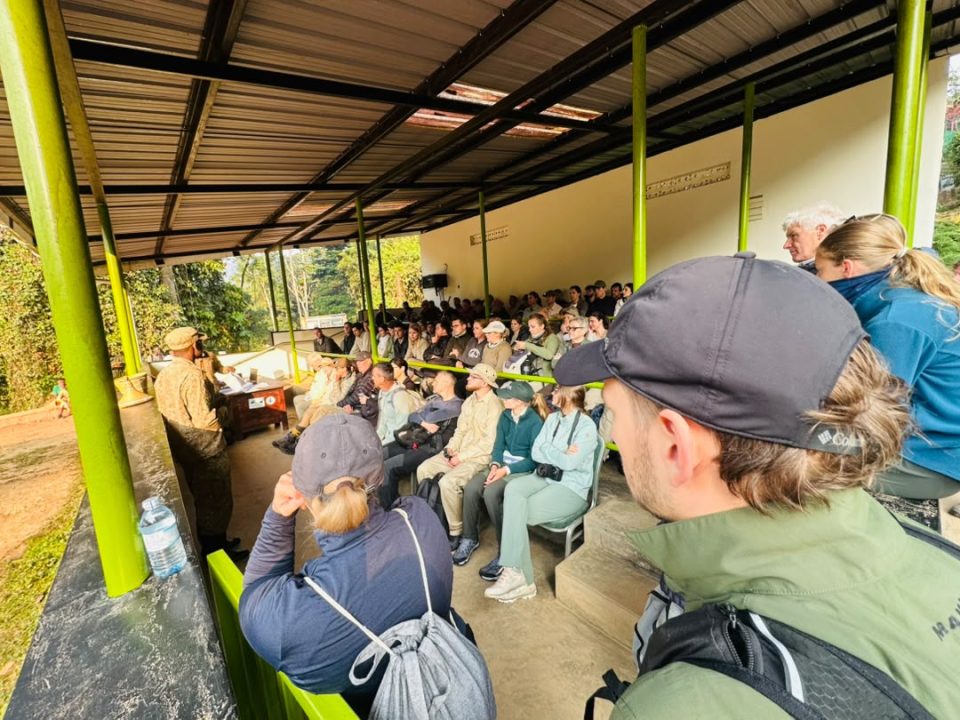
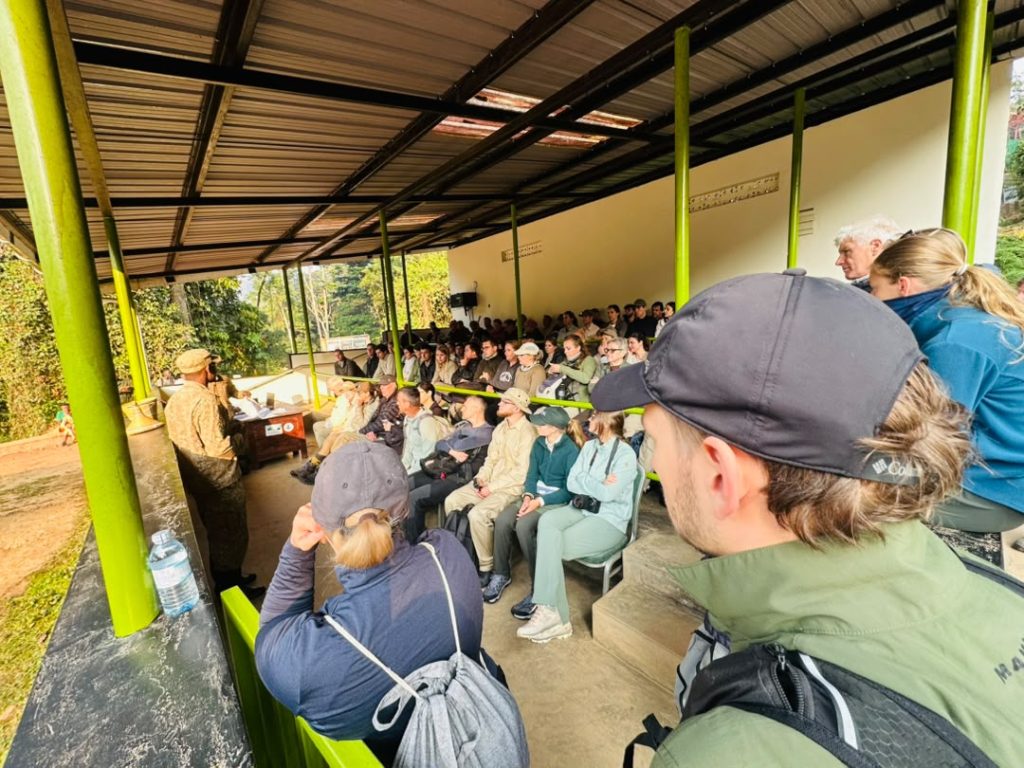
Your trek usually starts with an early breakfast and a transfer to the park headquarters. Rangers then give you a briefing and assign your group to a gorilla family.
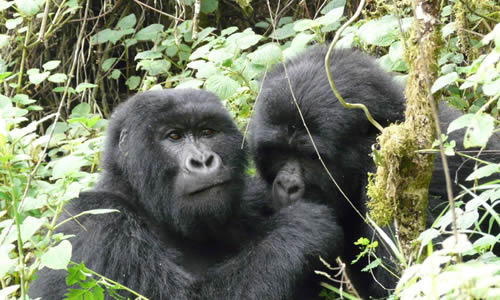
A walk can take from under an hour to most of the day, depending on where the gorillas have moved. Most treks are reported to last between about four and eight hours overall. Trackers go ahead of you to find the family, and your guide leads you through the forest. Once you reach them, you can spend up to an hour watching them feed, play and rest.
After the trek, you can either return to your lodge or begin your journey back to Kigali, depending on your itinerary. If your flight is the following day, a night at the lodge is far more comfortable than rushing straight back.
How Long Should You Allow?
The right length depends on how much you want to do and how much time you have. Here is a quick guide to the main options.
| Trip length | What it allows | Who it suits |
|---|---|---|
| 1 day | Very long day from Kigali and back | Only very fit, time-limited travellers |
| 2 days | Travel, trek and return | Busy travellers and business visitors |
| 3 days | A more relaxed trek and return | Most travellers |
| 4 to 5 days | Add golden monkeys, a second trek or a lake | Primate lovers |
| 7 days or more | Add Queen Elizabeth, Kibale or Rwanda | Longer holidays |
We recommend at least three days if possible. This gives you time to deal with border delays or long treks without worrying about your flight.
Sample Itinerary: 1 Day Gorilla Tour from Kigali
A one-day trip is possible, but it is very demanding. You leave Kigali in the middle of the night, cross the border, trek and then return the same day. There is no room for delays, so your return time depends on your trek.
This option suits only fit travellers who truly have no more time. Even then, you should not book a flight for that same evening. See the 1 Day Uganda Gorilla Safari Starting from Kigali for an example.
Sample Itinerary: 2 Days Gorilla Tour from Kigali
This is the shortest comfortable option, and it allows one night near the forest.
- Day 1: Leave Kigali in the morning, cross into Uganda and drive to your lodge near Rushaga, Nkuringo or Mgahinga.
- Day 2: Go gorilla trekking, then return to Kigali by road in the late afternoon or evening.
This works best when you have a flight the next day, or a late flight with plenty of margin. Our 2 Days Rwanda to Uganda Gorilla Trekking Safari and the 2 Days Uganda Gorilla Tour Starting from Kigali follow this short format.
Sample Itinerary: 3 Days Gorilla Tour from Kigali
This is the option that we recommend for most people, because it gives you a more relaxed pace.
- Day 1: Drive from Kigali to southwestern Uganda, with time to rest at your lodge.
- Day 2: Trek to see mountain gorillas, then enjoy a community visit or simply rest.
- Day 3: Return to Kigali for your flight or an extra night in the city.
See our 3 Days Bwindi Gorilla Safari Starting from Kigali or the 3 Days Uganda Gorilla Safari from Rwanda for ready-made options.
Sample Itinerary: 5 Days Gorillas and Lake Bunyonyi
Five days lets you unwind after your trek and enjoy some of Uganda’s finest scenery.
- Day 1: Travel from Kigali to Bwindi.
- Day 2: Enjoy your gorilla trek.
- Day 3: Join a Batwa cultural walk or a local community visit.
- Day 4: Move to Lake Bunyonyi for a canoe trip and a relaxing afternoon.
- Day 5: Return to Kigali, crossing the border at Gatuna or Cyanika.
Our 5-Day Gorilla Trekking Safari from Kigali to Uganda can be a useful starting point.
Sample Itinerary: 5 Days Gorillas and Chimpanzees
If you would like to see two great apes, you can travel from Kigali through Bwindi to Queen Elizabeth or Kibale, then return south. It takes longer than a gorilla-only trip, but the wildlife variety is excellent.
See the 5 Days Uganda Gorilla and Chimps Safari Starting from Rwanda. Note that your return route may need to be longer if you go as far north as Kibale, so an onward flight from Entebbe could also be worth considering.
Other Ways to Extend Your Trip
You can add more wildlife, more culture or a second country. These routes give you a few ideas.
- Golden monkeys: Add a trek in Mgahinga with our 4-Day Rwanda-Uganda Golden Monkey and Gorilla Trekking.
- A second gorilla family: Compare both countries with our 5 Days Uganda Rwanda Double Gorilla Safari.
- More of both countries: Try our 7 Days Rwanda Uganda Safari, 9 Days Uganda and Rwanda Gorilla and Big Five Safari or 10 Days Uganda Rwanda Combining Safari.
- Rwanda’s wildlife: Add Akagera National Park with our 3-Day Akagera Game Drive Safari.
- Chimpanzees in Rwanda: Visit Nyungwe Forest National Park on our 3-Day Nyungwe Forest National Park Tour.
For something simpler, you may prefer to trek in Rwanda itself. Compare Uganda’s route with our 3 Days Rwanda Gorilla Safari or browse our Rwanda safaris.
Should You Trek in Uganda or Rwanda?
Many travellers landing in Kigali wonder whether crossing to Uganda is worthwhile. It depends on your priorities.
| Feature | Bwindi or Mgahinga, Uganda | Volcanoes National Park, Rwanda |
|---|---|---|
| Reported permit for foreign non-residents | $800 | $1,500 |
| Drive from Kigali | About 4 to 5 hours to southern Bwindi | About 2 to 3 hours |
| Border crossing | Yes | No |
| Landscape | Dense rainforest or volcanic slopes | Volcanoes and bamboo |
| Number of permits | Often more choice in Bwindi | Limited, in one park |
Choose Uganda if you want a lower permit price, or if Rwanda’s permits are unavailable. Choose Rwanda if you want the shortest possible journey and a simpler trip without a border.
Which Visa Do You Need?
This is the most important practical question for this route, because you will enter Rwanda, enter Uganda and then re-enter Rwanda. Your requirements depend on your nationality, so please check official government sources before you travel.
| Option | Reported cost | Why it may suit you |
|---|---|---|
| East Africa Tourist Visa | $100 | Reported to allow multiple entries across Rwanda, Uganda and Kenya for 90 days |
| Separate Rwanda and Uganda visas | Often about $50 each | May suit some travellers, but check that your Rwanda visa allows you to return |
For many travellers, the East Africa Tourist Visa is the simplest choice, because you can return to Rwanda without buying another visa. Uganda’s immigration authority says that you should apply through the country that you will enter first, which on this route is usually Rwanda.
Allow enough time for approval, and carry printed copies of your documents. Some nationalities may have different rules or may be exempt, so never assume that a friend’s experience applies to you. If you are unsure, ask us before you book your flights.
Health Documents
Carry your yellow fever vaccination certificate, as you may be asked for it when entering either country. Your passport should also be valid for long enough, with free pages for stamps.
Malaria is present in parts of both countries, so speak with a travel clinic about the right precautions. Do not trek if you are ill, because gorillas can catch human diseases. Tell your guide if you develop any symptoms before your trek.
How Much Does a Gorilla Tour from Kigali Cost?
The permit is usually the largest cost. The price of your full trip then depends on your lodge, group size and how long you stay. These reported fees are for foreign non-residents, so please confirm them before you book.
| Item | Reported cost (USD) |
|---|---|
| Uganda gorilla permit | $800 |
| Uganda gorilla permit, April, May and November, from January 2027 | $600 |
| Rwanda gorilla permit, for comparison | $1,500 |
| East Africa Tourist Visa | $100 |
A package usually also includes a vehicle, driver-guide, lodge and meals. Porters, tips, drinks, visas and travel insurance are often extra. To receive a clear quote, contact our team with your dates and group size.
How to Book Your Gorilla Permit
Book your gorilla permit first, because your whole trip depends on it. Permits are limited to a small number of visitors per family each day, and popular dates can sell out months in advance, especially from June to September and December to February.
Your permit is valid for one date and one sector. Once it is confirmed, your operator can arrange your lodge, border crossing and transport around it. Check the cancellation terms too, and make sure that your flight leaves enough time for your return journey.
Best Time for a Gorilla Tour from Kigali
You can trek all year, but June to September and December to February are generally the driest and most comfortable months. Trails are usually easier in these periods, and roads are less likely to be affected by rain.
The wetter months of March to May and around October and November bring muddy trails, but the forest is lush and there may be fewer visitors. The reported 2027 low-season rate could also make Uganda even better value in April, May and November. Allow extra time on the road during heavy rain.
Where to Stay
Stay as close as possible to your trailhead, as treks start early and mountain roads can be slow. The right lodge depends on your sector and budget.
- Rushaga: Options include Rushaga Gorilla Lodge, Bakiga Lodge and Bweza Gorilla Lodge.
- Nkuringo: Clouds Mountain Gorilla Lodge is a well-known luxury option.
- Budget stays in southern Bwindi: Broadbill Forest Camp and Gorilla Hills Eco Lodge are simple and practical.
- Kigali: Add a night at a city hotel before or after your trip, particularly if your flight times are tight.
These are only examples, so ask us for the best current choices for your dates. A night in Kigali City is also a great way to learn about Rwanda’s history, food and art.
What to Pack
Pack light but carefully, as your trek may be steep and muddy. These items are especially useful.
- Waterproof hiking boots with good grip
- Long trousers and long-sleeved shirts
- Gardening gloves and gaiters
- A light rain jacket and warm layer
- A daypack with a waterproof cover
- At least two litres of water and some snacks
- A camera with spare batteries
- Your passport, visa, permit details and yellow fever certificate
Plastic bags are restricted in Rwanda, so avoid packing them. It is also useful to carry a little local currency for each country, along with some US dollars.
Planning Your Flights Around the Trek
Your flight times can make or break this trip, so it is worth planning them carefully. The safest approach is to leave plenty of time between your trek and your departure.
| Your return flight | Our suggestion |
|---|---|
| The evening of trek day | Avoid this, as treks and border crossings can overrun |
| The morning after your trek | Possible, but return to Kigali the same evening if you can |
| The afternoon or evening after your trek | A comfortable choice for most travellers |
| Two days after your trek | Ideal, with time for a night or more in Kigali |
On your way in, try to arrive in Kigali the day before you travel to Uganda, especially after a long international flight. This gives you time to rest and allows for any flight delays. Send your flight details when you enquire, and we can check that your plans will work.
Things to Do in Kigali Before or After Your Tour
Since you are returning to Kigali anyway, why not stay an extra night? The city is clean, safe-feeling and full of things to see.
- Kigali Genocide Memorial: This powerful site explains the events of 1994, and it deserves an unhurried visit.
- Kimironko Market: Browse fresh produce, colourful fabrics and local crafts.
- Inema Arts Centre: See contemporary Rwandan art, and perhaps meet the artists.
- Nyamirambo: Explore this lively neighbourhood with a local guide.
- Coffee shops: Try some of Rwanda’s excellent coffee, which makes a great gift to take home.
If you have a little more time, you could also see gorillas on the Rwandan side at Volcanoes National Park, or relax at Lake Kivu with our 6-Day Rwanda Adventures route.
Who Is This Route Best For?
The Kigali to Uganda route suits many travellers, particularly those with limited time.
- Short-stay visitors: See gorillas in just two or three days.
- Business travellers: Add a quick trip to a conference or work visit in Kigali.
- Budget-conscious trekkers: Pay less for your permit than you would in Rwanda.
- Travellers already in Rwanda: Use it as an extension to your holiday.
- Repeat visitors: See a different gorilla family and a different landscape.
It may be less suitable for travellers with very limited mobility or those who dislike long drives. In that case, a trek from Musanze in Rwanda may be easier, as the journey is shorter and has no border crossing.
What the Journey Can Feel Like
The route from Kigali is a wonderful part of the adventure in itself. Imagine how it might feel.
You leave the tidy streets of Kigali behind and climb through endless green hills, passing tea fields and people walking to market. At the border, your guide helps you through the formalities, and soon you are driving through Uganda’s terraced slopes as the Virunga volcanoes rise in the distance.
The next morning, you enter the forest with your ranger. A few hours later, you push through the leaves and find a huge silverback sitting calmly in front of you. For one hour, nothing else matters. By the time you are back in Kigali, it can be hard to believe that it all happened in just a few days.
Is It Safe to Travel from Kigali to Uganda?
The route is a well-used one for gorilla tours, and travelling with an experienced operator makes the journey much easier. Your guide will know the border procedures, road conditions and best timing.
As with any international trip, you should check your government’s latest travel advice for both countries before you go, especially for areas close to borders. Keep your documents secure, avoid driving at night where possible, and follow your guide’s advice. Your driver can also adjust your plans if conditions change.
Tips for a Smooth Trip
A little planning makes this route much more comfortable. These tips can help you to avoid the most common problems.
- Secure your permit first: Then arrange your lodge, transport and flights around that date.
- Choose the right sector: Southern Bwindi or Mgahinga will usually mean shorter road times from Kigali.
- Do not book a same-day flight after your trek: Treks can take longer than you expect.
- Allow time at the border: Formalities may be quick, but delays can happen.
- Hire a porter: A porter helps you on steep terrain and provides valuable income for local families.
- Keep your documents handy: You will need them at each crossing.
- Tell your operator about any fitness concerns: They can help you choose a suitable pace and lodge.
Common Mistakes to Avoid
A few simple errors can cause real problems on a cross-border trip, but they are easy to prevent.
- Buying a single-entry visa without checking: You may need to return to Rwanda at the end of your trip.
- Choosing a permit far from Kigali: Buhoma may add a lot of extra road time.
- Planning too little time: Very short trips leave almost no margin for delays.
- Forgetting the yellow fever certificate: Border staff may ask to see it.
- Assuming the permit includes everything: Transport, lodges, porters and tips are usually separate.
- Leaving your booking too late: Peak dates may sell out months in advance.
Responsible Gorilla Trekking
Gorilla tourism helps to protect these endangered animals and supports people who live around the forest. You can add to this positive impact by following the rules and supporting local businesses.
Keep the distance that your guide advises, do not touch the gorillas, and stay away if you feel unwell. You must be at least 15 years old to trek, and each family can receive only a small group of visitors each day. Consider a community visit, buy crafts directly from their makers, and tip your rangers, trackers and porters fairly.
Why Book with Kenlink Tours?
A cross-border gorilla trip has several moving parts, from permits to border crossings and airport times. Our team has been designing African safaris since 2010, and we can coordinate each step so that you can focus on the experience.
We can adapt your trip to your dates, budget and fitness, whether you have only two days or want a longer journey through both countries. Learn more about us, read our terms and conditions, or see our wider range of Uganda safaris.
Frequently Asked Questions
Can I do a gorilla tour in Uganda and come back to Kigali?
Yes. It is a popular route. You travel by road from Kigali, cross the border, trek in Bwindi or Mgahinga and then return to Kigali for your onward flight.
How long does it take to get from Kigali to Bwindi?
The drive to southern Bwindi is reported to take about four to five hours, plus time at the border. Northern sectors can take considerably longer.
Do I need a visa for both Rwanda and Uganda?
Many travellers do, depending on their nationality. The East Africa Tourist Visa can be a simple option because it allows multiple entries between the two countries. Check official sources for your passport.
How many days do I need?
Three days is ideal for most travellers. Two days is possible but quick, and one day is very demanding and should be considered only when you truly have no other option.
Can I return to Kigali on the same day as my trek?
Yes, in many cases, but it can make for a long day. Treks vary in length, so do not book a flight for that evening.
Is it cheaper to see gorillas in Uganda than in Rwanda?
The permit is reported to be much cheaper in Uganda, at about $800 compared with $1,500. However, you should also consider your transport, visa and lodge costs.
Which border crossing will I use?
Cyanika is usually the best for Rushaga, Nkuringo and Mgahinga, while Gatuna, also called Katuna, often suits Ruhija and Buhoma. Your guide will confirm the best route.
Plan Your Gorilla Tour from Kigali
A short journey from Kigali can lead you to one of the world’s most moving wildlife encounters. Tell us your dates and flight times, and we will design a route that gets you to the gorillas and back with time to spare.
Ready to begin? Contact Kenlink Tours, call +256 789 210 067 or +256 200 955 001, or email info@kenlinktours.com. Our travel experts aim to reply within 24 hours.