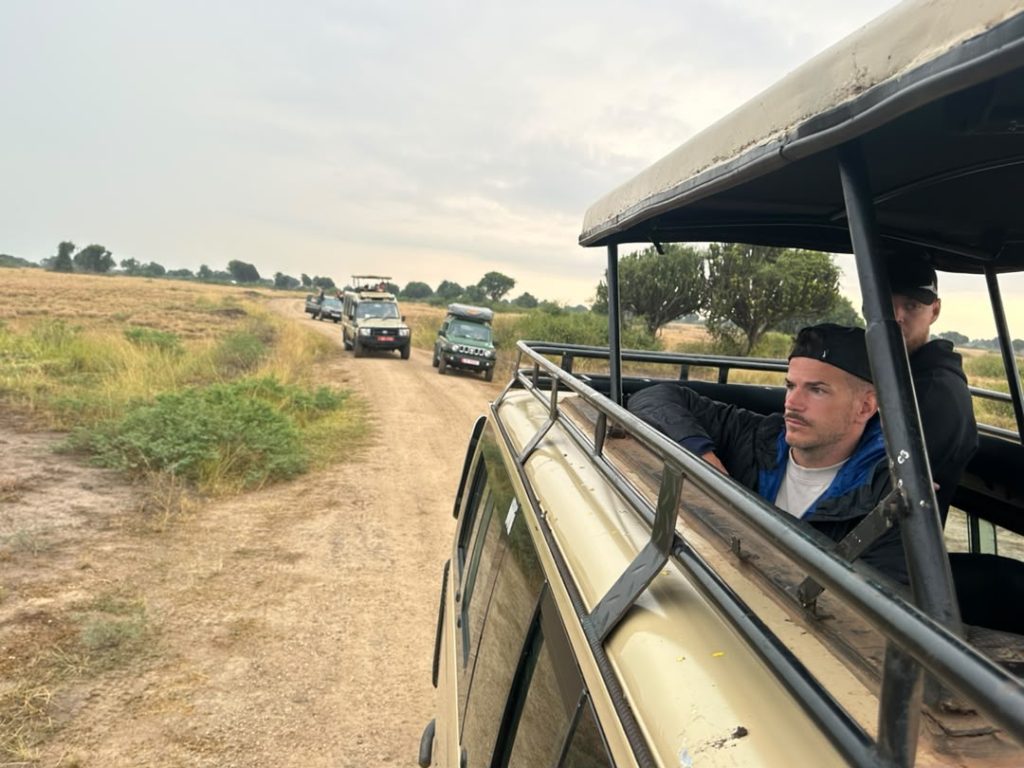
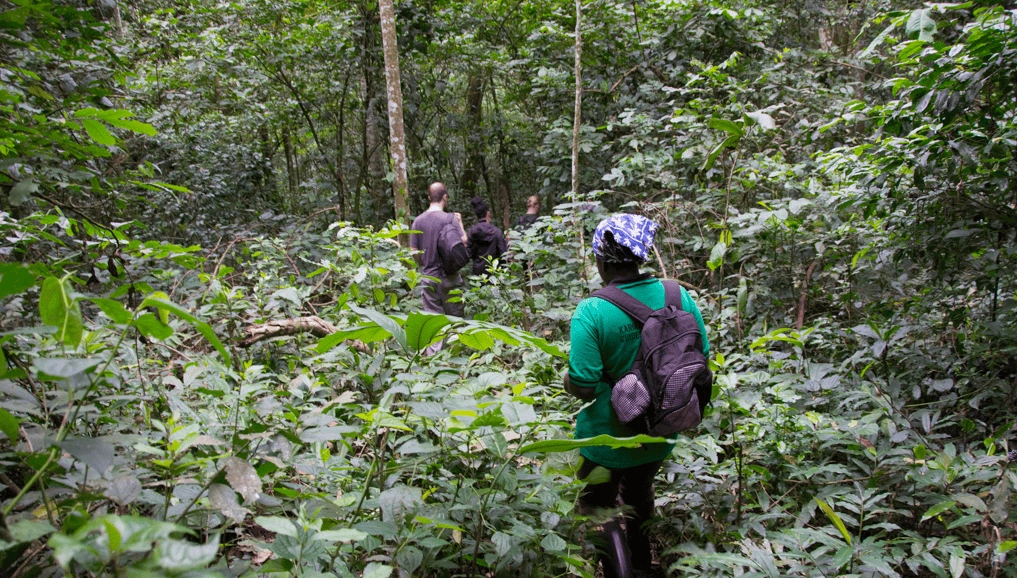
Uganda is one of the very few places on earth where you can trek endangered mountain gorillas in the morning and watch lions stalking buffalo across open savanna in the afternoon — all within the same week-long trip. This combination of a gorilla safari and a game safari in Uganda is not just possible; it is one of the most rewarding and well-rounded wildlife experiences available anywhere in Africa.
In this guide, Kenlink Tours walks you through everything you need to know to plan a combined Uganda gorilla and game safari — from the best parks to visit, to sample itineraries, permit costs, and practical tips that will make your trip smooth from the moment you land.
Why Uganda is Perfect for a Combined Gorilla and Game Safari
Most people think of East Africa and picture the Serengeti or the Masai Mara. But Uganda — quietly and confidently — offers something those destinations cannot: mountain gorillas.
Uganda is home to roughly half of the world’s remaining mountain gorilla population, with around 460 individuals living in Bwindi Impenetrable National Park and Mgahinga Gorilla National Park. These gorillas cannot survive in captivity, which means trekking to see them in the wild is a once-in-a-lifetime experience that exists nowhere else on earth except Uganda, Rwanda, and a small pocket of the Democratic Republic of Congo.
Now add to that the Big Five game viewing available in Queen Elizabeth National Park and Murchison Falls National Park — lions, leopards, elephants, buffalos, and rhinos — and Uganda becomes an almost unbeatable safari destination for the serious wildlife traveller.
The beauty of Uganda’s geography is that these experiences are not far apart. You can trek gorillas in the southwest and be on a game drive in Queen Elizabeth National Park the very next morning. The parks are connected, the roads are improving, and the distances are manageable. A well-planned itinerary of 10 to 14 days gives you everything.
The Gorilla Safari: What to Expect
Where to Trek Mountain Gorillas in Uganda
There are two national parks in Uganda where you can trek mountain gorillas:
Bwindi Impenetrable National Park is the most popular and the most rewarding. A UNESCO World Heritage Site covering 331 square kilometres of ancient montane rainforest, Bwindi is home to more than 22 habituated gorilla families spread across four trekking sectors — Buhoma, Ruhija, Rushaga, and Nkuringo. Each sector offers a different trekking atmosphere, from the well-developed Buhoma in the north to the more remote Nkuringo in the south.
**Mgahinga Gorilla National Park** sits on the slopes of the Virunga Volcanoes in Uganda’s extreme southwest, sharing borders with Rwanda and the DRC. Smaller and quieter than Bwindi, Mgahinga is home to one habituated gorilla family — the Nyakagezi group — and also offers golden monkey tracking, making it a wonderful add-on for primate enthusiasts.
For a combined gorilla and game safari, Bwindi is the standard starting point because of its size, the variety of gorilla families available, and its proximity to Queen Elizabeth National Park.
The Gorilla Trekking Experience
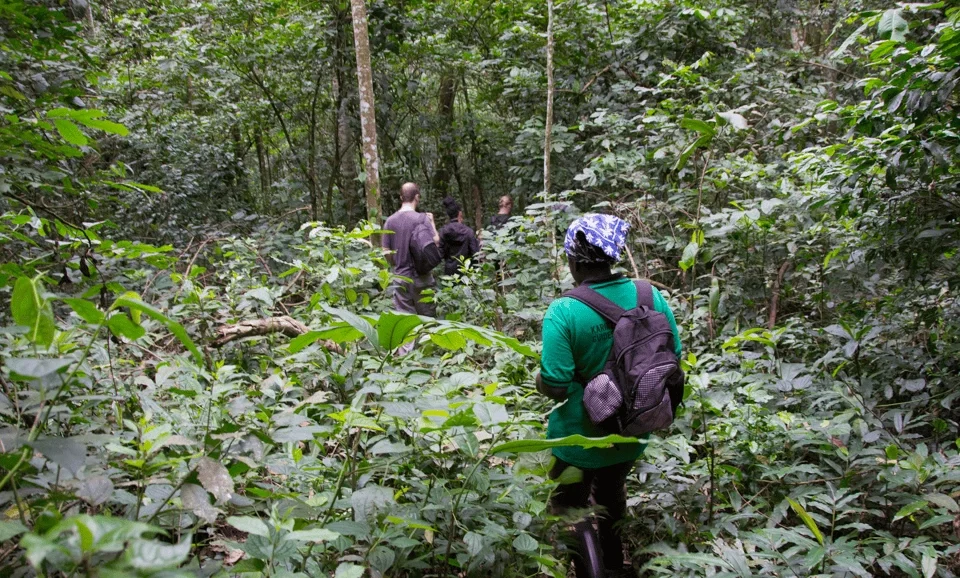
Every gorilla trek begins at 8am with a briefing at park headquarters. A Uganda Wildlife Authority ranger and experienced trackers lead your group — strictly limited to eight visitors per gorilla family — into the forest to locate your assigned gorilla family for the day.
The trekking itself is an adventure in its own right. The terrain in Bwindi is steep, dense, and unpredictable — a trek can take as little as 30 minutes or as long as eight hours, depending on where the gorillas have moved. When you find them, you are permitted exactly one hour in their presence. That hour tends to pass in a kind of suspended disbelief. A silverback mountain gorilla, easily weighing 180 kilograms, going about his day just metres from where you stand is a profoundly moving experience that no photograph quite captures.
Gorilla Permit Costs
A gorilla trekking permit in Uganda costs USD $800 per person, issued by the Uganda Wildlife Authority. This is significantly less than the USD $1,500 charged for a permit in Rwanda, making Uganda the most affordable destination for mountain gorilla trekking in the world.
Permits sell out quickly during peak season — June to September and December to February. Kenlink Tours recommends booking your gorilla permit at least three to six months in advance. We handle all permit reservations on your behalf as part of your safari package.
The Game Safari: Uganda’s Best Wildlife Parks
Queen Elizabeth National Park
Queen Elizabeth National Park is Uganda’s most popular game park and the natural partner to a Bwindi gorilla trek — it sits just north of Bwindi, making it a logical next stop on a combined safari itinerary.
The park covers 1,978 square kilometres of savanna, wetland, forest, and crater lakes, and is home to lions, leopards, elephants, buffalos, hippos, and Uganda kob. The Kazinga Channel — a natural waterway connecting Lake George and Lake Edward — is one of the best places in Africa for a boat safari, with hippos, crocodiles, elephants, and hundreds of bird species visible from the water.
The park’s most famous residents are its tree-climbing lions, found in the Ishasha sector in the south. These lions have developed the rare habit of lounging in the branches of large fig trees — a behaviour seen in very few lion populations in the world. Spotting a pride draped across the branches of an ancient fig tree is one of Uganda’s most iconic wildlife moments.
Murchison Falls National Park
Murchison Falls National Park, in Uganda’s northwest, is the country’s largest national park at 3,840 square kilometres and one of its most spectacular. The park is named after the Murchison Falls — a point where the entire force of the River Nile is compressed through a narrow seven-metre gorge, creating one of the most powerful waterfalls on earth.
A boat trip from Paraa up the Nile to the base of the falls is the highlight of any visit. Along the way, you will pass enormous herds of elephants drinking at the riverbank, hippos surfacing just metres from the boat, Nile crocodiles basking on sandbanks, and — if you are patient — the extraordinary shoebill stork standing motionless in the papyrus. On land, game drives in the north bank circuit regularly produce lions, Rothschild’s giraffes, buffalos, oribi, and Jackson’s hartebeest.
Ziwa Rhino Sanctuary
No Big Five safari in Uganda is complete without a stop at the Ziwa Rhino Sanctuary — a 7,000-hectare private sanctuary located between Kampala and Murchison Falls. Rhinos were poached to extinction in Uganda by the early 1980s, but thanks to the Rhino Fund Uganda, white rhinos have been successfully reintroduced and the sanctuary now holds more than 30 individuals.
Ziwa is the only place in Uganda — and indeed the only place in Africa — where you can track white rhinos on foot outside of a national park. The guided rhino tracking walk typically lasts one to two hours and takes you to within a few metres of these magnificent animals.
Kidepo Valley National Park
For travellers with more time, Kidepo Valley National Park in Uganda’s remote northeast is one of Africa’s most extraordinary — and least visited — wildlife destinations. The park is home to lions, cheetahs, ostriches, eland, lesser kudu, and large herds of buffalo, and its wide-open, semi-arid landscape feels like nowhere else in Uganda. Kidepo is best combined with Murchison Falls on an extended 14-day itinerary.
Sample Combined Itinerary: 10 Days Gorilla and Game Safari
The following is a sample 10-day itinerary combining gorilla trekking in Bwindi with Big Five game viewing in Queen Elizabeth and Murchison Falls, plus rhino tracking at Ziwa. All Kenlink Tours itineraries are fully customisable.
Day 1 — Arrive Entebbe / Kampala
Arrive at Entebbe International Airport. Transfer to your hotel in Kampala or Entebbe. Evening briefing with your Kenlink Tours guide. Overnight Kampala.
Day 2 — Drive to Queen Elizabeth National Park
Early morning departure westward through Fort Portal, passing the Rwenzori Mountains. Afternoon game drive in Queen Elizabeth NP. Kazinga Channel boat cruise spotting hippos, elephants, and hundreds of bird species. Overnight Mweya area.
Day 3 — Tree-Climbing Lions, Ishasha Sector
Morning game drive in the Kasenyi plains for lion prides and elephant herds. Afternoon drive south to the Ishasha sector to search for tree-climbing lions in ancient fig trees. Overnight Ishasha.
Day 4 — Transfer to Bwindi Impenetrable Forest
Morning game drive in Ishasha, then scenic drive through Kihihi to Bwindi. Afternoon at leisure. Evening gorilla trek briefing. Overnight Bwindi.
Day 5 — Gorilla Trekking, Bwindi
The highlight of the safari. 8am briefing at park headquarters, then into the ancient forest with your ranger and trackers. One hour with a mountain gorilla family. Afternoon rest and optional forest walks. Overnight Bwindi.
Day 6 — Optional Second Trek or Batwa Cultural Visit
Choose a second gorilla trek with a different gorilla family, or spend the morning with the Batwa — the indigenous forest people of Bwindi — for a deeply moving cultural experience. Overnight Bwindi.
Day 7 — Drive North Toward Murchison Falls
Scenic drive northward through Fort Portal and Masindi. Stop at the equator crossing for photos. Overnight Masindi or en route lodge.
Day 8 — Ziwa Rhino Sanctuary and Arrive Murchison Falls
Morning rhino tracking on foot at Ziwa Rhino Sanctuary. Continue north to Murchison Falls NP. Afternoon game drive on the north bank of the Nile. Overnight Paraa.
Day 9 — Full Day Murchison Falls
Morning game drive for lions, elephants, Rothschild’s giraffes, and buffalos. Afternoon boat trip up the Nile to the base of Murchison Falls — watching hippos, crocodiles, and the legendary shoebill stork along the way. Overnight Paraa.
Day 10 — Return to Entebbe and Depart
Early morning game drive, then drive back to Entebbe. Transfer to Entebbe International Airport for your departure flight. End of your Kenlink Tours Uganda safari.
Practical Tips for Your Combined Uganda Safari
Getting There
Most international flights arrive at Entebbe International Airport, served by airlines including Ethiopian Airlines, Kenya Airways, Qatar Airways, and Emirates. Kigali International Airport in Rwanda is an alternative entry point — Bwindi is only 4 to 5 hours from Kigali, making it an excellent starting point for travellers flying into Rwanda.
Visa Requirements
Most nationalities require a visa to enter Uganda. The East Africa Tourist Visa, valid for Uganda, Kenya, and Rwanda, costs USD $100 and is excellent value for multi-country trips. Apply online at the Uganda Immigration Services website before you travel.
Vaccinations and Health
Yellow fever vaccination is mandatory for entry into Uganda. Malaria prophylaxis is strongly recommended. Other recommended vaccinations include hepatitis A, typhoid, and all routine immunisations. Consult your doctor at least six to eight weeks before departure.
Best Time to Visit
Uganda can be visited year-round, but the two dry seasons offer the best conditions. June to September is the long dry season and the most popular time to visit — trails in Bwindi are drier, and wildlife in the savanna parks is easier to spot as vegetation is lower. December to February is the short dry season — quieter, with excellent conditions and slightly fewer visitors.
The wet seasons — March to May and October to November — see higher rainfall and muddier gorilla trekking trails, but permits are easier to obtain, accommodation rates can be lower, and the forest is extraordinarily lush and green.
How Fit Do You Need to Be?
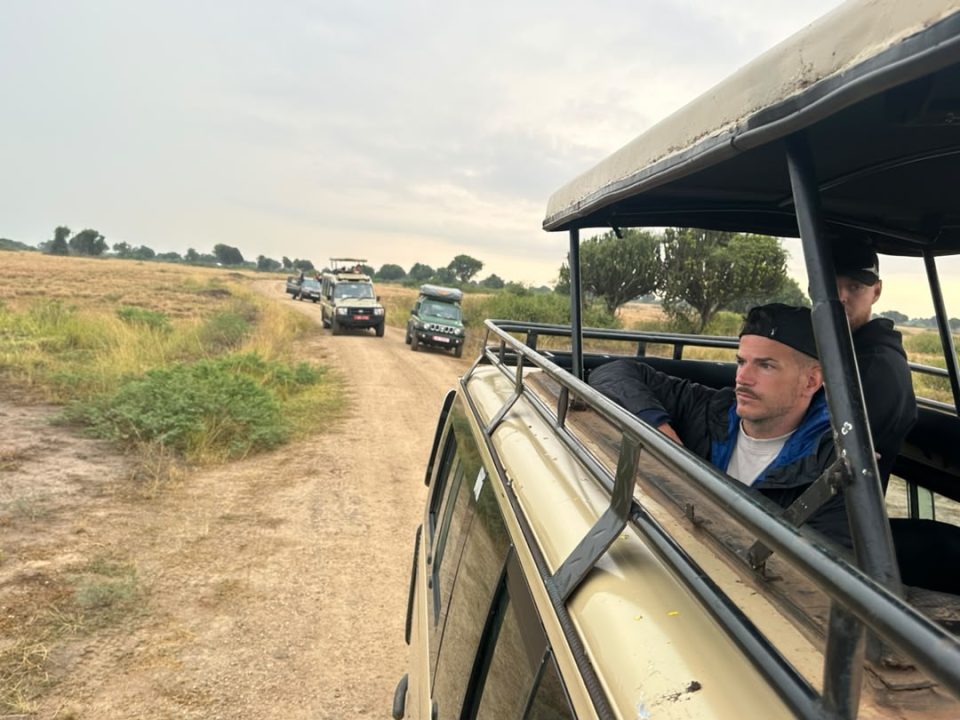
Game drives in a 4×4 vehicle require no physical fitness. Gorilla trekking is a different matter. Hikes can be steep, long, and physically demanding on uneven, muddy terrain. A reasonable level of fitness is required. Rangers adjust pace to the group, and porters are always available to carry your bag and offer support on steep sections. If you have specific health concerns, consult your doctor before booking.
Why Book Your Combined Uganda Safari with Kenlink Tours?
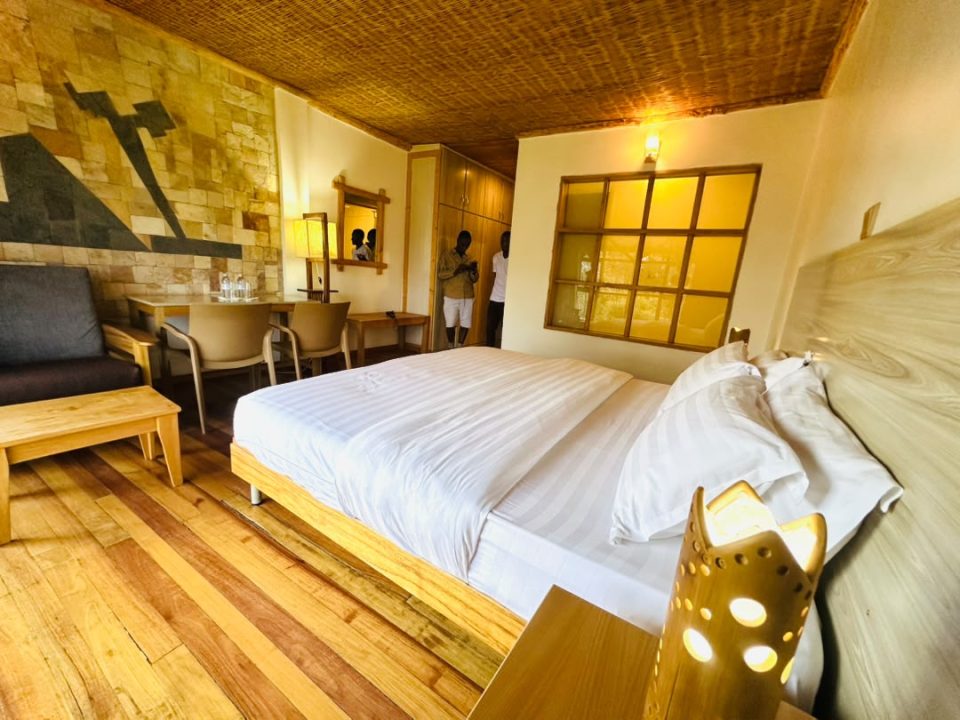
At Kenlink Tours, we have been guiding travellers through Uganda’s gorilla forests and game parks since 2010. We handle every detail of your combined gorilla and game safari — gorilla permits, park entry fees, 4×4 transport, accommodation, and expert guiding — so you can focus entirely on the experience.
We offer budget, mid-range, and luxury safari options, and every itinerary we build is tailored specifically to your travel dates, interests, and budget. Whether you are a first-time visitor or a returning safari enthusiast, we will design a trip that exceeds your expectations.
Ready to start planning? Contact Kenlink Tours today for a free, no-obligation safari quote.
Frequently Asked Questions
Can I combine gorilla trekking and a game safari in one trip?
Yes — this is one of the most popular safari combinations in East Africa, and Uganda is one of the only destinations in the world where you can do both in a single 10 to 14-day trip.
How much does a combined Uganda gorilla and game safari cost?
Costs vary depending on duration, accommodation level, and group size. As a guide, a 10-day mid-range combined safari typically starts from around USD $3,500 per person, including the gorilla permit. Contact Kenlink Tours for a personalised quote.
Do I need a separate permit for each gorilla trek?
Yes. Each gorilla trekking permit is valid for one trek on one specified date. If you wish to trek twice, you need two permits at USD $800 each.
How far apart are Bwindi and Queen Elizabeth National Park?
Bwindi Impenetrable National Park and Queen Elizabeth National Park are approximately 2 to 3 hours apart by road, making them a natural and convenient pairing on a combined safari itinerary.
Is Uganda safe for tourists?
Yes. Uganda is considered one of East Africa’s safest tourist destinations. All national parks are professionally managed and receive visitors from around the world every day. Kenlink Tours monitors all travel advisories and plans every itinerary in line with current safety guidance.
What is the best sector of Bwindi for gorilla trekking?
All four sectors — Buhoma, Ruhija, Rushaga, and Nkuringo — offer excellent gorilla trekking. The right choice depends on your lodge preferences, the gorilla family you are assigned, and your itinerary. Kenlink Tours advises on the best sector for your specific trip.
 +256 789 210067