- EXPERT'S HELP
- +256789210067
- +256200955001
- info@kenlinktours.com


Top Birding Safari Destinations in Uganda
May 7, 2026
Best Honeymoon Safari Destinations in Uganda
May 7, 2026Uganda Safari Packing List for International Travelers. Packing for a Uganda safari is not the same as packing for a beach holiday, a city break, or even a standard African game drive. Uganda’s unique combination of activities — gorilla trekking through dense equatorial rainforest, open-vehicle game drives across savannah plains, boat safaris on the Nile and Kazinga Channel, nature walks in montane forests, and cultural village visits — means your bag needs to work across dramatically different terrain, weather, and physical demands. Pack wrong and you risk discomfort, missed shots, or standing at a park gate without a document that should have been at the top of your bag. Pack right and you will move through every activity with ease, confidence, and the focus entirely on the experience in front of you. This guide covers everything — from documents and health to clothing, gear, camera equipment, and money — so you arrive in Uganda truly ready.
Essential Documents — Get These Right Before Anything Else
Your documents are the foundation of the entire trip, and no amount of good gear compensates for missing paperwork at the airport or park gate. Begin here and tick each item off before you think about anything else.
Passport — must be valid for at least six months beyond your arrival date in Uganda and should have a minimum of two blank pages for stamps and visa stickers. Check its expiry date well in advance.
Uganda Visa — most international visitors need a tourist visa to enter Uganda. The Uganda e-visa application is available online through the Uganda Immigration portal and costs USD 50 for a single-entry visa valid for 90 days. If you plan to visit Kenya and Rwanda on the same trip, the East African Tourist Visa covers all three countries for USD 100 and is the smarter option for multi-country travelers. Applications are processed in advance, so apply at least two to four weeks before departure and print a copy of your approval to carry with you.
Yellow Fever Vaccination Certificate — this is mandatory for entry into Uganda. The yellow fever vaccine must be administered at least ten days before travel and documented in the International Certificate of Vaccination or Prophylaxis (ICVP), commonly known as the yellow card. Without this document, you may be denied boarding or entry. Carry the original certificate — a digital copy is not always accepted.
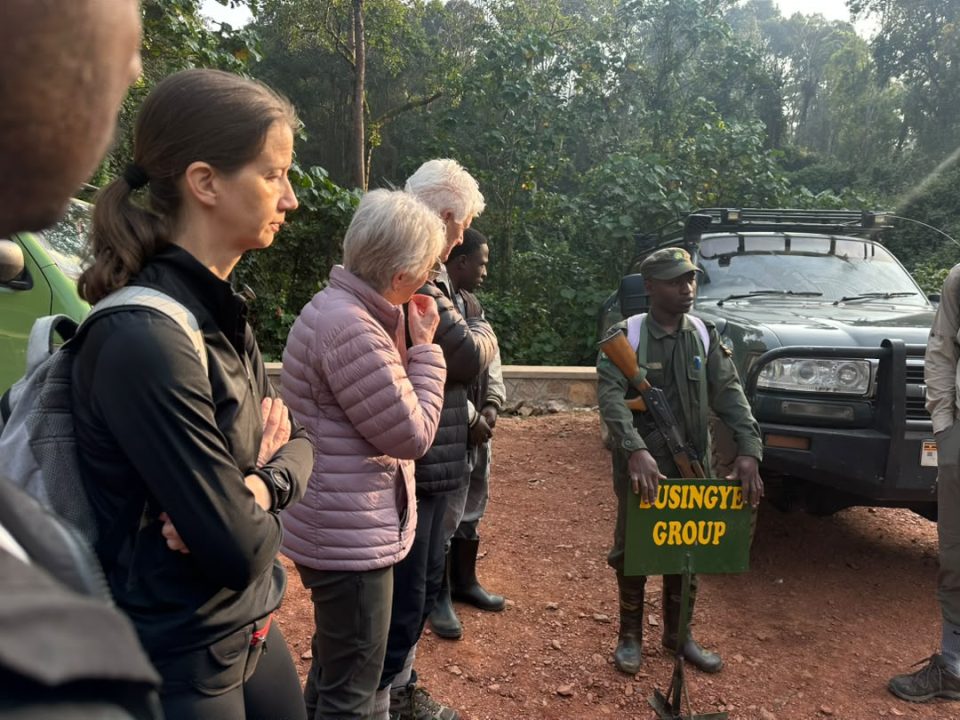
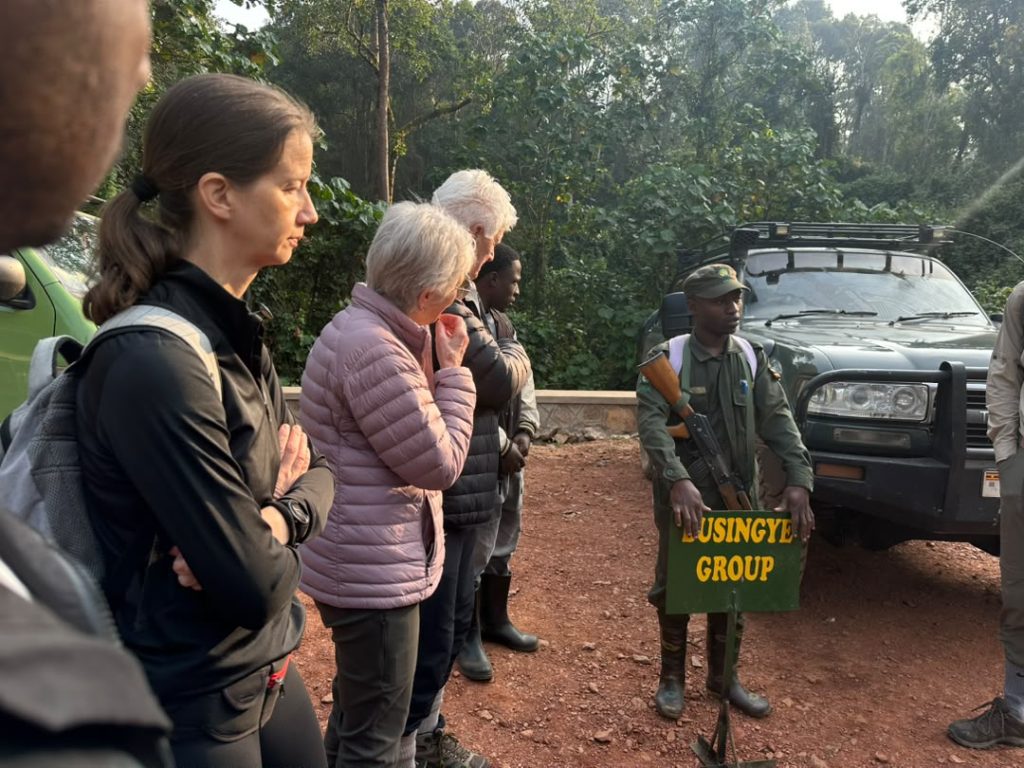
Gorilla or Chimpanzee Trekking Permits — if your safari includes primate trekking, carry printed or digital copies of your permits with your passport. You will present both at the park briefing point on the morning of your trek. These are non-transferable and non-refundable, so keep them safe.
Travel Insurance Certificate — print a copy that includes your policy number and emergency contact details. Ensure your policy covers medical evacuation, trip cancellation, and the specific activities on your itinerary — particularly gorilla trekking, which some standard policies exclude.
Health Essentials — What Your Body Needs Before and During the Trip
Vaccinations for Uganda should be reviewed with a travel clinic at least four to six weeks before departure. Beyond the mandatory yellow fever vaccine, the World Health Organization (WHO) recommends that travelers to Uganda also be vaccinated against Hepatitis A, Typhoid, Hepatitis B, and Rabies — particularly for those planning time in rural areas or with extended stays. Ensure routine vaccines (MMR, DTP, polio) are current before adding travel-specific ones.
Malaria is endemic throughout Uganda, and antimalarial medication is strongly recommended for all visitors. Consult your doctor about which antimalarial is right for you — options include Malarone (atovaquone-proguanil), Doxycycline, and Lariam — and begin the course according to the prescribed timing before travel. Uganda’s forests and wetlands harbour mosquitoes throughout the year, so antimalarials are not optional for most travellers.
Pack a personal first aid kit that includes: prescription medications with sufficient supply for the trip plus a few extra days, blister treatment (particularly important for gorilla trekking days), antihistamine cream and tablets, rehydration sachets, ibuprofen and paracetamol, antiseptic wipes, plasters and bandages, and antidiarrheal tablets. While lodges and camps carry basic first aid, remote locations in Uganda can be a long drive from the nearest clinic, so self-sufficiency matters.
Clothing — The Uganda Safari Wardrobe Done Right
Getting the clothing right for a Uganda safari is about understanding that you will move between multiple climate zones — sometimes in the same day. Mornings in the Bwindi highlands can be genuinely cold (temperatures as low as 11°C), while afternoons on the Queen Elizabeth savannah are hot and humid. Layers are the strategic answer.
Colour matters — wear neutral, earth-toned colours: khaki, olive, tan, grey, dark green, and brown. This is most important during gorilla trekking, where bright colours can disturb the animals, and during game drives, where blending with the vehicle’s environment helps with wildlife behaviour. Avoid white (it shows dust immediately), black (attracts tsetse flies in some regions), and blue (attracts certain insects). Camouflage patterns are not recommended in Uganda, where they can cause confusion with military clothing.
Core clothing items to pack:
Long-sleeved shirts (lightweight and breathable) — three to four, in neutral colours. These protect against insect bites, sun exposure, and thorny vegetation on the trail. Merino wool or high-quality synthetic fabrics are excellent for temperature regulation and odour resistance across multi-day wear.
Long trousers — two to three pairs. Lightweight nylon or cotton-blend trekking trousers are ideal. They dry quickly, protect against insects and vegetation, and double as appropriate attire for cultural visits and town stops.
A warm fleece or mid-layer — essential for cool highland mornings, particularly around Bwindi, Mgahinga, and Kibale. Even during the dry season, southwest Uganda’s altitude means genuinely cold pre-dawn temperatures.
A waterproof rain jacket — non-negotiable. Uganda’s equatorial location means rain can arrive without warning in any month, and in the rainforest it can arrive regardless of season. A lightweight, packable waterproof jacket takes up almost no space and transforms a miserable trekking hour into a manageable one.
Shorts and lighter shirts — for warmer afternoons at savannah parks, boat safaris, and lodge downtime.
Swimwear — many lodges and camps have pools, and Lake Bunyonyi offers swimming.
Warm hat and buff/neck gaiter — for early morning game drives and high-altitude cold.
Wide-brimmed hat — for sun protection on open-vehicle game drives and boat safaris.
Footwear — Probably the Most Important Item in Your Bag
Gorilla trekking demands waterproof, ankle-supporting hiking boots with deep-tread soles that grip muddy, rooted, and steeply sloped terrain. This is not negotiable — lightweight trainers will leave you slipping on wet forest paths and without the ankle support to navigate tree roots safely. Break your hiking boots in before travel: new boots on a six-hour uphill forest hike is a recipe for serious blisters.
For game drives, boat safaris, cultural visits, and lodge evenings, comfortable closed-toe shoes or sandals are sufficient. Flip-flops or camp shoes serve well at the lodge and around camp. Pack a pair of lightweight water sandals if your itinerary includes boat activities or lake visits.
Additional footwear essentials: Moisture-wicking hiking socks (four to five pairs minimum), and garden gloves — these are used on gorilla treks to protect your hands while gripping branches and trekking poles on steep sections. Gloves are also referenced in the comprehensive gorilla trekking packing list as an essential item that many first-time trekkers forget.
Camera, Optics, and Electronics — Capturing the Experience
Uganda offers extraordinary photographic opportunities but also challenging conditions: low light in rainforest interiors, fast-moving subjects on savannah, and the requirement that flash photography is strictly forbidden during gorilla and chimpanzee trekking (flash disturbs the animals and can trigger defensive behaviour).
Camera equipment: A DSLR or mirrorless camera with a telephoto lens (200–400mm range) is ideal for game drives. A wider lens (24–70mm equivalent) works well in the forest for gorillas at close range. Bring more memory cards than you think you need and more batteries — lodges in remote areas may have limited charging, particularly during load-shedding periods. A waterproof camera bag or cover is worth bringing for rainy trekking days.
Binoculars — essential for game drives and genuinely transformative for birding. A 8×42 or 10×42 configuration offers the best balance of magnification and light-gathering for Uganda’s conditions. Do not leave home without them.
Electronics and power: Uganda operates on 240V electricity with UK-style three-pin plugs. Bring appropriate adapters if your devices use a different plug type. A portable power bank is invaluable for long game drive days when vehicle power is unavailable. A solar charger is a worthwhile investment for multi-day remote stays.
Daypack — Your On-Trail Companion
Every traveller on a gorilla trek, nature walk, or game drive needs a small, functional daypack. The complete Africa safari packing list recommends packing your daypack with the following for any active day: a refillable water bottle (minimum one litre, ideally two), energy snacks (nuts, energy bars, dried fruit), your camera and extra batteries, insect repellent, sunscreen (SPF 50+), a lightweight rain jacket, your gorilla permit and passport, a small torch or headlamp, and lip balm. A sturdy, waterproof daypack with padded shoulder straps in the 20–30 litre range is the right size — large enough to carry everything you need for a full day, small enough not to be cumbersome on a forest trail.
Money, Currency, and Financial Essentials
Uganda’s currency is the Uganda Shilling (UGX). While many safari lodges and tour operators accept Visa and Mastercard credit cards, planning your safari finances means never relying entirely on card payments — ATMs are scarce near national parks, and connectivity can fail in remote areas. Bring US dollars in cash for tips, porter fees, small purchases at community markets, and any emergency expenses. Notes should be post-2009, clean, and unmarked — Uganda’s banks commonly reject older or damaged US dollar bills.
Standard tipping amounts for Uganda safaris: porters (USD 20 per day, highly recommended on gorilla treks), safari guides and drivers (USD 15–20 per day per person), lodge staff (USD 5–10 per day). Notify your home bank of your travel dates before departure to prevent fraud blocks on your card when transactions appear from Uganda.
A Final Checklist at a Glance
Documents: Passport, visa, yellow fever certificate, permits, travel insurance, emergency contacts. Health: Antimalarials, vaccinations, personal first aid kit, prescription medications, insect repellent (DEET-based). Clothing: Neutral-toned long-sleeve shirts and trousers, fleece, waterproof jacket, wide-brimmed hat, warm hat, swimwear, socks and underwear. Footwear: Waterproof hiking boots (worn in), garden gloves, sandals, camp shoes. Camera and optics: Camera body and lenses, memory cards, batteries, chargers, adapters, binoculars, waterproof bag. Daypack essentials: Water bottle, snacks, rain cover, sunscreen, lip balm, headlamp. Money: Cash USD, bank card with travel notification, small UGX for daily use.
Book Your Uganda Safari with Kenlink Tours
A well-packed bag is the foundation of a great safari, but a great safari starts with the right operator behind it. Kenlink Tours has been organising Uganda safaris since 2010, handling every logistical detail — gorilla permits, park fees, accommodation, transport, and professional guiding — so that by the time you shoulder your daypack at the park briefing, everything is already exactly as it should be. Browse all available tours and book your Uganda safari online, or reach out to the Kenlink team to start planning a tailor-made itinerary that fits your schedule, budget, and bucket list.
Uganda is ready. All you need to do is pack.