- EXPERT'S HELP
- +256789210067
- +256200955001
- info@kenlinktours.com


The Truth About the Ebola Outbreak in Uganda – Uganda still safe
May 22, 2026
How to Pay for a Safari to Africa | Secure Payment Options
May 22, 2026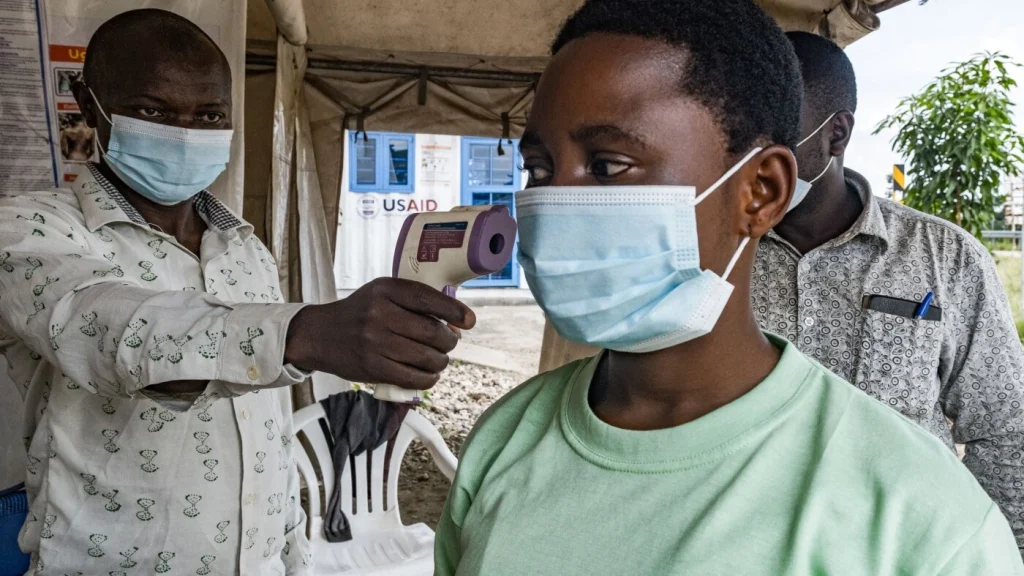
Ebola Outbreak in Uganda and DRC: What Travelers Need to Know. The headlines about Ebola can be alarming, but for travelers planning gorilla trekking or safari holidays in Uganda and Rwanda, the picture is far more nuanced than the news cycle suggests. Here at Kenlink Tours, we’ve been fielding questions from clients around the world, and our commitment is simple: give you honest, up-to-date information so you can make the best decision for your trip.
What Is Actually Happening?
On May 17, 2026, the World Health Organization formally declared a Public Health Emergency of International Concern (PHEIC) following confirmation of Ebola Bundibugyo Virus Disease (BDBV) cases in eastern DRC, with a small number of linked imported cases detected in Uganda.
In the DRC, the outbreak is centered in Ituri Province in the far east of the country — a remote border region with a documented history of Ebola incidents. Health authorities have reported over 240 suspected cases and roughly 80 suspected deaths, with multiple laboratory-confirmed infections. In Uganda, confirmed cases have been limited to individuals who crossed from DRC, and the country’s Ministry of Health has swiftly activated contact tracing, border screening, community surveillance, and public health campaigns.
The strain involved — Bundibugyo — is rarer than the Zaire strain responsible for major past outbreaks and historically carries somewhat lower fatality rates. That said, there is currently no fully approved vaccine targeting this specific strain, making rapid surveillance and isolation the most critical tools available, all of which are actively deployed.
Is Uganda Safe to Visit?
For the vast majority of travelers, yes — and this is not a message of complacency. It is a message grounded in geography and evidence.
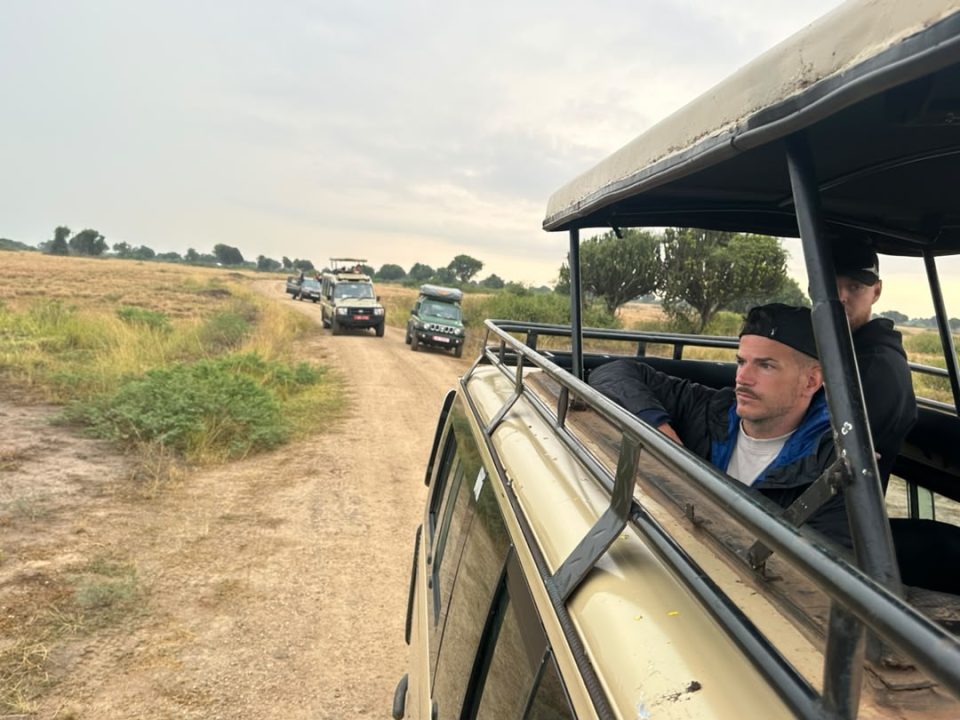
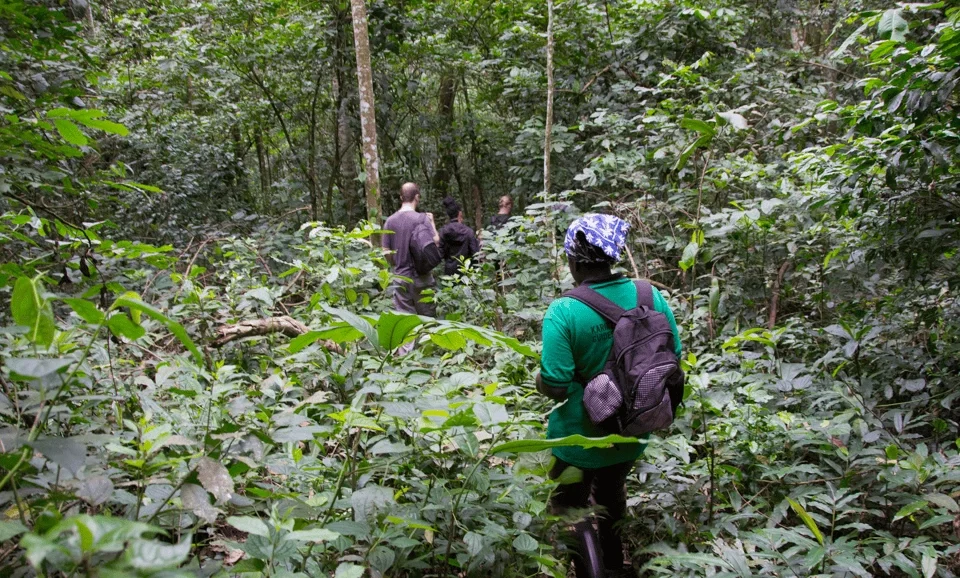
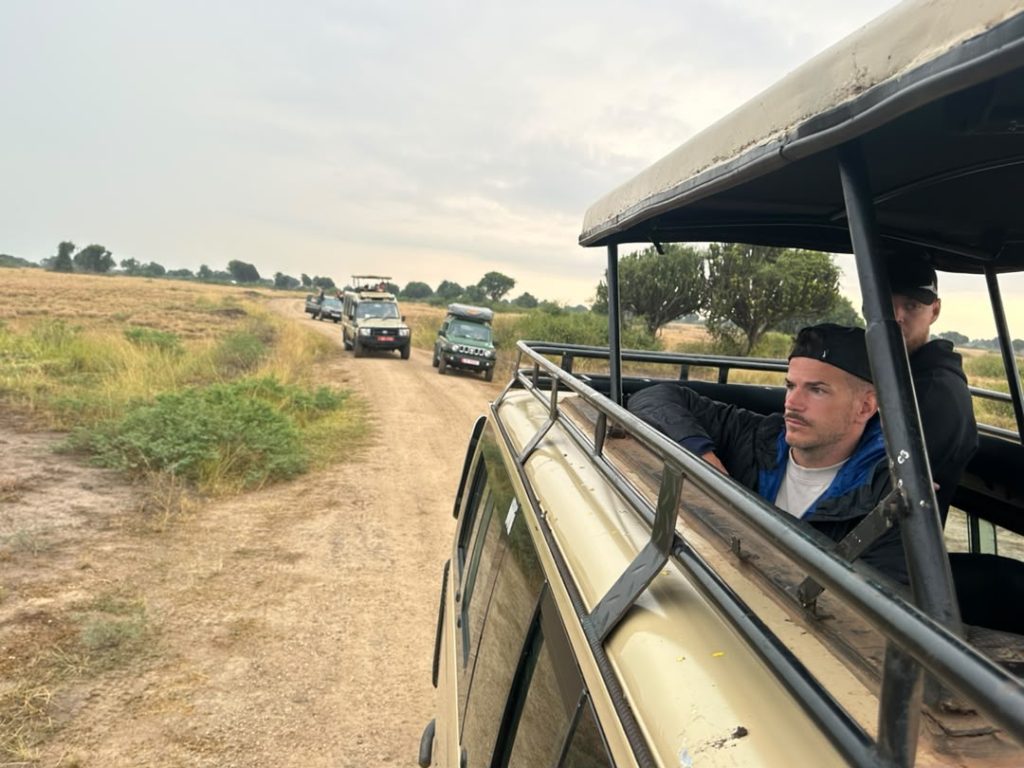
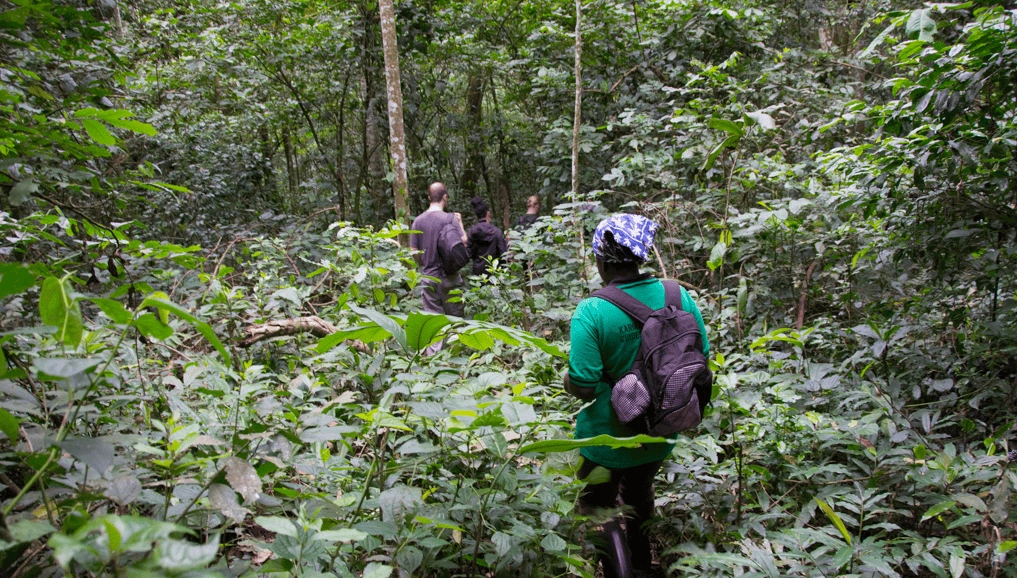
Uganda is a large country. The tourist destinations that draw visitors from across the world — the gorilla forests of Bwindi, the savannah of Queen Elizabeth, the chimpanzee jungles of Kibale — are hundreds of kilometres from the DRC border areas where confirmed Ebola cases have been recorded. The Uganda Wildlife Authority has confirmed that all major national parks remain fully open and are operating under enhanced health protocols.
Confirmed cases in Uganda have been linked exclusively to cross-border movement from DRC — not to community transmission within Uganda’s tourism corridors. That distinction matters enormously.
Uganda also has a strong and well-tested track record of Ebola response. The country successfully contained outbreaks in 2000, 2007, 2011, 2012, and 2022, working closely with the WHO, CDC, and international health partners each time. Those same containment mechanisms — isolation wards, contact tracing teams, community health workers — are active right now.
At Kenlink Tours, we monitor the situation daily through official government and WHO channels, and we will always communicate any meaningful changes to our clients immediately. You can explore all of our Uganda safari packages and make enquiries at any time — our team is here.
Gorilla Trekking: What You Need to Know
Gorilla trekking remains one of the most extraordinary wildlife experiences on the planet, and it is continuing as normal in both Uganda and Rwanda. Bwindi Impenetrable National Park and Mgahinga Gorilla National Park — Uganda’s two gorilla trekking destinations — are both open and welcoming trekkers under enhanced health screening protocols.
Visitors can expect temperature checks before heading out on treks, mandatory hand sanitation stations at park entry points, and health symptom monitoring. These additions sit naturally alongside protocols that have always existed in gorilla trekking: because great apes share significant genetic similarity with humans, guides and rangers have always required trekkers to maintain distance from the gorillas when unwell, wear face coverings if symptomatic, and keep voices low. The new health layers are an extension of a culture of care that already existed.
Rwanda’s Volcanoes National Park, home to some of the best-habituated mountain gorilla families in the world, is also fully operational. The Rwanda Development Board has deployed enhanced screening at Kigali International Airport and at all major border crossings, and the country’s public health infrastructure remains among the strongest in the region.
You can view our full gorilla trekking experiences in Uganda and Rwanda on our website.
Gorilla Permits: Everything You Need to Know
Gorilla permits are the access documents required to trek with mountain gorillas, and they are issued in limited numbers specifically to protect the gorillas from overcrowding and disease exposure.
In Uganda, permits are issued by the Uganda Wildlife Authority and currently priced at $800 USD per person for Bwindi and Mgahinga. Each permit allows one trek with a habituated gorilla family for a maximum of one hour. Permits are in high demand and should be booked well in advance — particularly for peak season months between June–August and December–February.
In Rwanda, gorilla permits are issued by the Rwanda Development Board at $1,500 USD per person for Volcanoes National Park. Rwanda’s premium pricing reflects the exceptional habituation of its gorilla families and the luxury of its surrounding lodge infrastructure.
At Kenlink Tours, we handle all permit bookings on your behalf as part of your safari package. This means you are not navigating government portals alone, and our longstanding relationships with park authorities give us reliable access even during high-demand periods. Explore our gorilla permit booking service and let us take care of the details for you.
Our Cancellation and Flexibility Policy
We understand that the current regional situation may have you wondering about your options. We want to be completely transparent about where things stand.
For existing bookings: Kenlink Tours is offering flexible rebooking options for clients whose travel falls within the affected period. If government travel advisories are formally upgraded or your home country issues a “do not travel” notice for Uganda or Rwanda, you will be able to postpone your trip to an alternative date without penalty. We strongly encourage all clients to contact us directly to discuss your specific booking and options.
For new bookings: All packages booked now come with enhanced flexibility provisions. We recognise that the situation may evolve, and we want you to book with confidence. Our team can walk you through exactly what is covered, what the rescheduling windows look like, and how to protect your investment through comprehensive travel insurance.
Travel insurance: We strongly recommend all clients purchase comprehensive travel insurance that covers medical evacuation, trip interruption, and cancellation due to health emergencies. This is always good practice for Africa travel, and it is especially sensible right now.
Partner lodges and operators: Most of our partner lodges and camp operators across Uganda and Rwanda have also introduced their own flexibility policies in response to client concerns. We can share the specific terms applicable to your itinerary on request.
Health Advice for Travelers
Whether you are joining us for a gorilla trek, a classic Uganda safari, or a combined East Africa journey, these health precautions apply:
Wash hands frequently with soap and water, or carry and use alcohol-based hand sanitiser. Avoid close contact with anyone displaying symptoms of fever, vomiting, diarrhoea, or unexplained bleeding. Do not visit hospitals or clinics treating active Ebola cases. Avoid contact with wild bats or bush meat outside of organised wildlife experiences. After returning home, monitor your health for up to 21 days — Ebola’s maximum incubation period — and seek immediate medical attention if you develop any fever or symptoms, disclosing your travel history to your doctor.
Areas to Approach Carefully
Travellers should avoid Ituri Province in eastern DRC and the border crossing zones between DRC and Uganda unless absolutely necessary for professional or humanitarian reasons. These areas are where active Ebola transmission has been recorded.
Uganda’s established safari corridors — Queen Elizabeth National Park, Kibale National Park, Murchison Falls National Park, Bwindi Impenetrable National Park, and Mgahinga Gorilla National Park — are not outbreak zones and remain accessible. Rwanda’s Volcanoes National Park and Nyungwe Forest are similarly unaffected.
We Are Open and Ready to Welcome You
At Kenlink Tours, we want to be unambiguous: we are open, we are booking, and we are actively welcoming guests.
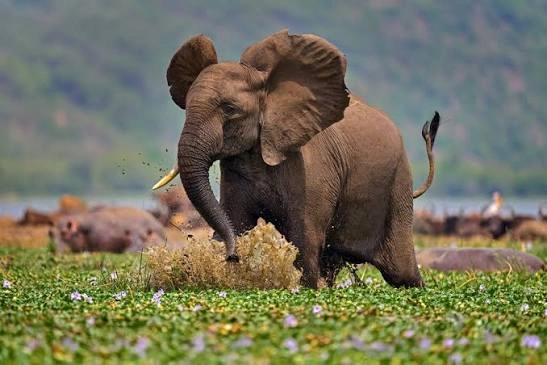
East Africa is resilient. Its wildlife is extraordinary. And while a public health situation of this nature demands respect and careful monitoring, it does not erase the fact that gorilla trekking in Bwindi, big-game safaris in Queen Elizabeth, or chimpanzee walks in Kibale remain among the most life-changing travel experiences available anywhere in the world.
We are monitoring official guidance from the World Health Organization, Uganda’s Ministry of Health, and the Uganda Wildlife Authority on a daily basis, and we will keep our clients informed of any meaningful changes. Our operations team on the ground in Uganda is well-trained, well-informed, and committed to the safety and enjoyment of every guest.
If you have a trip booked with us, get in touch. If you are planning one, now is a great time to start — availability in the coming months is still strong, and there is no better time to experience the gorillas, the savannah, and the warmth of East Africa with a team that knows this region inside out.
📩 Enquire now — and let’s start planning your journey.
Last updated: May 2026. Information is reviewed regularly and reflects the best available data from official health and government sources.