- EXPERT'S HELP
- +256789210067
- +256200955001
- info@kenlinktours.com


1 Day Bwindi Gorilla Trek
June 24, 2026
2 Days Bwindi Gorilla Trek
June 24, 2026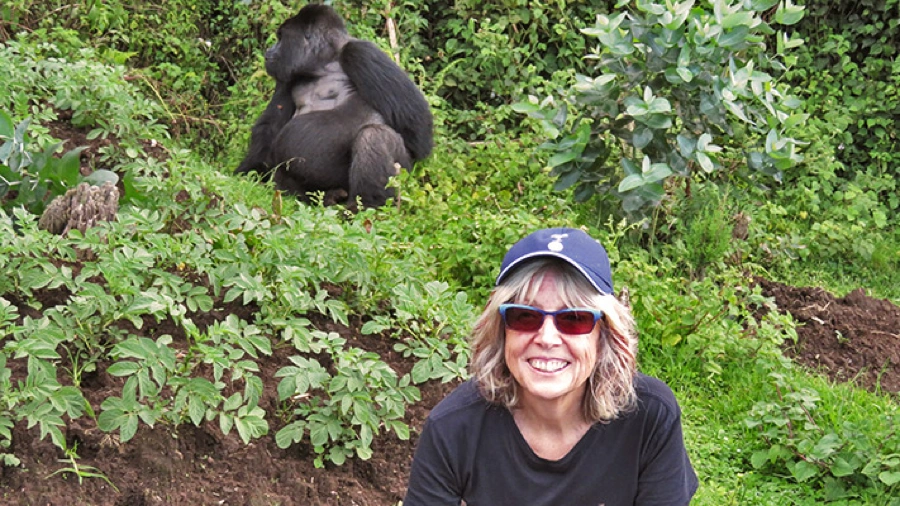
Gorilla Trek in Africa. There are very few wildlife experiences on earth that compare to standing in a misty African rainforest, just a few meters away from a wild mountain gorilla. No fence. No enclosure. No barrier between you and one of our closest living relatives. A gorilla trek in Africa is raw, humbling, and utterly life-changing — and it remains one of the most sought-after bucket-list adventures in the world.
But where exactly can you trek gorillas in Africa? How much does it cost? Which country offers the best experience? And how do you plan a gorilla safari that is safe, responsible, and truly unforgettable? This complete guide answers every question, and shows you how Kenlink Tours can take you there.
Where Can You Trek Gorillas in Africa?
Mountain gorillas exist in only one place on earth — the Albertine Rift region of Central and East Africa, straddling the borders of three countries: Uganda, Rwanda, and the Democratic Republic of Congo (DRC). Outside of these three nations, mountain gorillas do not exist in the wild. This geographical exclusivity is part of what makes a gorilla trek in Africa such a rare and precious experience.
With a total wild population of just over 1,000 individuals, mountain gorillas are classified as Endangered on the IUCN Red List, according to the World Wildlife Fund. Every gorilla trekking permit sold contributes directly to gorilla conservation and the communities that protect them — meaning your safari dollars do genuine good.
Here is a breakdown of each gorilla trekking destination in Africa:
Gorilla Trekking in Uganda: The Best All-Round Destination
Uganda is widely considered the premier gorilla trekking destination in Africa, and for good reason. The country is home to Bwindi Impenetrable National Park and Mgahinga Gorilla National Park — two protected areas in southwestern Uganda that together shelter over half of the world’s entire mountain gorilla population.
Bwindi Impenetrable National Park, a UNESCO World Heritage Site, is the crown jewel of gorilla trekking in Africa. With more than twenty habituated gorilla families spread across four trekking sectors — Buhoma, Ruhija, Rushaga, and Nkuringo — Bwindi offers more gorilla trekking opportunities than any other destination on the continent. The forest itself is one of Africa’s oldest and most biodiverse, estimated to be over 25,000 years old, and trekking through its ancient canopy is an experience unto itself.
Uganda’s gorilla trekking permit costs USD 800 per person — more affordable than Rwanda and offering equally extraordinary encounters, often in denser, wilder forest terrain. Uganda also offers the unique Gorilla Habituation Experience in Bwindi’s Rushaga sector, which allows trekkers to spend four hours with a gorilla family that is still being habituated to human presence — a deeper, rarer encounter that is unavailable anywhere else in the world.
For travellers combining a gorilla trek with other Uganda wildlife experiences — chimpanzee tracking in Kibale Forest, lion sightings in Queen Elizabeth National Park, or the thundering waters of Murchison Falls — Uganda’s extraordinary biodiversity makes it the most complete gorilla safari destination in Africa.
At Kenlink Tours, our Uganda gorilla safari packages are fully customisable, covering everything from one-day Bwindi treks departing from Kigali to multi-week Uganda and Rwanda combined itineraries.
Gorilla Trekking in Rwanda: Luxury and Accessibility
Rwanda’s Volcanoes National Park in the northwestern corner of the country is the other iconic gorilla trekking destination in Africa. Home to ten habituated gorilla families, Volcanoes National Park sits within the Virunga Massif — a chain of dramatic volcanoes that straddle Rwanda, Uganda, and the DRC — and was the site of pioneering gorilla research by the legendary primatologist Dian Fossey.
Rwanda positions its gorilla trekking as a premium luxury experience. Gorilla permits cost USD 1,500 per person — the most expensive in Africa — but the higher price point has attracted world-class lodge development, and the accessibility from Kigali (just a two-hour drive to the park) makes it particularly attractive for short-haul visitors and travellers arriving on international flights to Rwanda.
The terrain in Volcanoes National Park is generally less steep than Bwindi, making it more accessible for trekkers with lower fitness levels. Treks here often encounter gorillas faster, as the volcanic slopes have more open vegetation. The experience is exceptional — and the opportunity to visit the Dian Fossey Gorilla Fund research centre and the Ellen DeGeneres Campus near the park adds an incredible conservation dimension to the Rwanda gorilla experience.
Rwanda is also the perfect companion destination to Uganda. Many travellers fly into Kigali, trek gorillas in Volcanoes National Park, and then cross overland into Uganda with Kenlink Tours for a second gorilla trek in Bwindi — making for a truly comprehensive gorilla safari in Africa.
Gorilla Trekking in the DRC: The Wild Frontier
The Democratic Republic of Congo is the third country where you can trek mountain gorillas in Africa, specifically in Virunga National Park — Africa’s oldest national park, established in 1925. The DRC also offers trekking for Grauer’s gorillas (also called Eastern lowland gorillas) in Kahuzi-Biéga National Park, a different gorilla species found only in the DRC.
Gorilla trekking in the DRC offers the most adventurous and off-the-beaten-path experience of the three countries. Virunga permit costs are lower, and the park’s dramatic volcanic landscape — including active volcanoes like Nyiragongo with its famous lava lake — creates a uniquely spectacular backdrop for gorilla trekking.
However, the DRC requires more careful planning due to safety considerations in certain areas of the country. Travel advisories from your government should be consulted before planning a gorilla safari to the DRC, and working with an experienced operator is essential. For most travellers, Uganda and Rwanda offer equally remarkable gorilla trekking with considerably more straightforward logistics.
Mountain Gorillas vs. Western Lowland Gorillas in Africa
It is worth clarifying that not all gorillas in Africa are the same species, and not all gorilla experiences involve trekking in the wild.
Mountain gorillas (Gorilla beringei beringei) are found only in Uganda, Rwanda, and the DRC, as described above. They are the largest gorillas and live at high altitudes in dense montane forest. Trekking to see them in the wild is one of Africa’s most extraordinary experiences.
Western lowland gorillas (Gorilla gorilla gorilla) are a different and more numerous subspecies found across Central and West Africa — in countries such as Gabon, Cameroon, Republic of Congo, Central African Republic, and Equatorial Guinea. While these gorillas are more numerous, they are far harder to find in the wild due to the vast and impenetrable lowland rainforests they inhabit.
Some destinations in Central Africa — notably the Republic of Congo’s Odzala-Kokoua National Park and Gabon’s Lopé National Park — offer western lowland gorilla trekking and bai (forest clearing) encounters. These are increasingly popular alternatives for adventurous travellers who have already experienced mountain gorilla trekking and want to explore another dimension of gorilla conservation in Africa.
How Much Does a Gorilla Trek in Africa Cost?
The cost of a gorilla trek in Africa varies by country and the scope of your safari package. Here is a transparent overview:
Uganda — Gorilla trekking permit: USD 800 per person. A one-day Bwindi gorilla trek departing from Kigali with transport, guide, lunch, and permit typically starts from around USD 1,035 per person. Multi-day Uganda gorilla safari packages vary based on accommodation level, duration, and additional activities.
Rwanda — Gorilla trekking permit: USD 1,500 per person. Safari packages from Kigali into Volcanoes National Park typically cost more overall due to the higher permit price and Rwanda’s premium lodge offerings.
DRC — Gorilla trekking permit: approximately USD 400 per person for Virunga National Park. Total package costs depend heavily on logistics and security arrangements.
When you book with Kenlink Tours, we provide transparent, all-inclusive pricing for your gorilla safari with no hidden costs. Our packages cover permits, private 4×4 transport, accommodation, meals, park fees, and guide services.
How to Prepare for a Gorilla Trek in Africa
Gorilla trekking in Africa is a moderately to highly demanding physical activity depending on the location and the movement of the gorilla family on the day. Here is how to prepare:
Physical Fitness — Build your cardiovascular endurance before the trip. Trail walking, hiking, or stair climbing two to three times a week in the months before your trek will make a real difference on the day.
Packing Essentials — Sturdy ankle-support hiking boots, long-sleeved shirts, long trousers, a waterproof rain jacket, gardening gloves, a daypack with water and snacks, insect repellent, and a fully charged camera are all essential. Full packing lists are available on our gorilla trekking page.
Health Requirements — Trekkers must be free of contagious illnesses on the day of the trek. If you are unwell, the trek will be postponed or cancelled to protect the gorillas, whose immune systems are vulnerable to human diseases. Yellow fever vaccination is required for entry into Uganda and Rwanda.
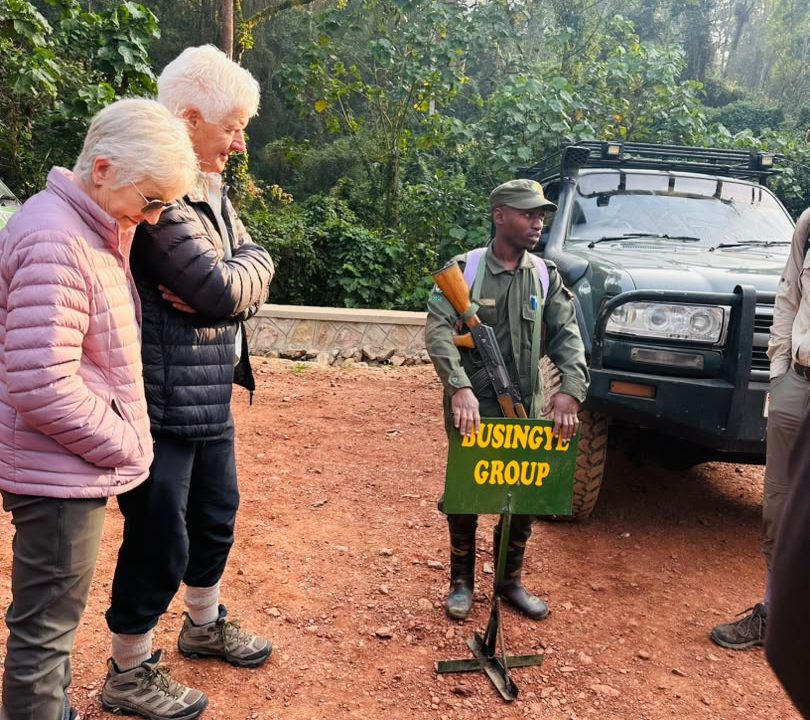
Gorilla Trekking Rules — Stay at least seven metres from the gorillas at all times. Do not use flash photography. Keep your voice low. Do not eat or drink near the gorillas. Follow your ranger guide’s instructions at all times. These rules exist to protect both the gorillas and the trekkers.
The Uganda Wildlife Authority and Rwanda Development Board both publish detailed trekking guidelines that are worth reading before your safari.
Why a Gorilla Trek in Africa Is Worth Every Penny
At USD 800 to USD 1,500 for a single gorilla trekking permit, many travellers wonder whether it is worth the investment. The answer, from virtually every person who has ever done it, is an emphatic yes.
Mountain gorillas share approximately 98% of their DNA with humans. When you sit in the forest and a silverback glances over at you with calm, intelligent eyes — or a young gorilla tumbles within arm’s reach, entirely unafraid — the connection you feel is profound and immediate. It is not like watching animals at a zoo or even observing wildlife on a traditional game drive. It is something altogether different: a reminder of our shared origins and our shared responsibility to protect life on earth.
Every permit fee goes directly toward gorilla conservation, anti-poaching patrols, ranger salaries, and community development programes in the villages surrounding the parks. The mountain gorilla population has grown from fewer than 620 individuals in the 1980s to over 1,000 today — a conservation triumph driven in no small part by responsible gorilla tourism.
When you trek with Kenlink Tours, you are not just having the experience of a lifetime. You are helping to ensure that mountain gorillas continue to thrive for the generations that follow.
Plan Your Gorilla Trek in Africa with Kenlink Tours
Whether you dream of trekking gorillas in Uganda’s Bwindi forest, Rwanda’s Virunga volcanoes, or combining both in one epic East African safari, Kenlink Tours is your trusted partner for every step of the journey.
We handle gorilla permits, cross-border logistics, accommodation, private transfers, and expert guide services — so that your gorilla trek in Africa is everything you imagined and more. Our team is based in East Africa, with deep relationships with Uganda Wildlife Authority and Rwanda’s park management, meaning we get you the permits, the timing, and the experience that others cannot.
Visit our Uganda safari packages to start exploring your options, or reach out directly through our contact page for a personalized gorilla safari itinerary built around your travel dates, budget, and dreams.