- EXPERT'S HELP
- +256789210067
- +256200955001
- info@kenlinktours.com


Fly in Gorilla Safari in Uganda
July 8, 2026
2-Day Uganda Gorilla Safari Starting From Kigali
July 13, 2026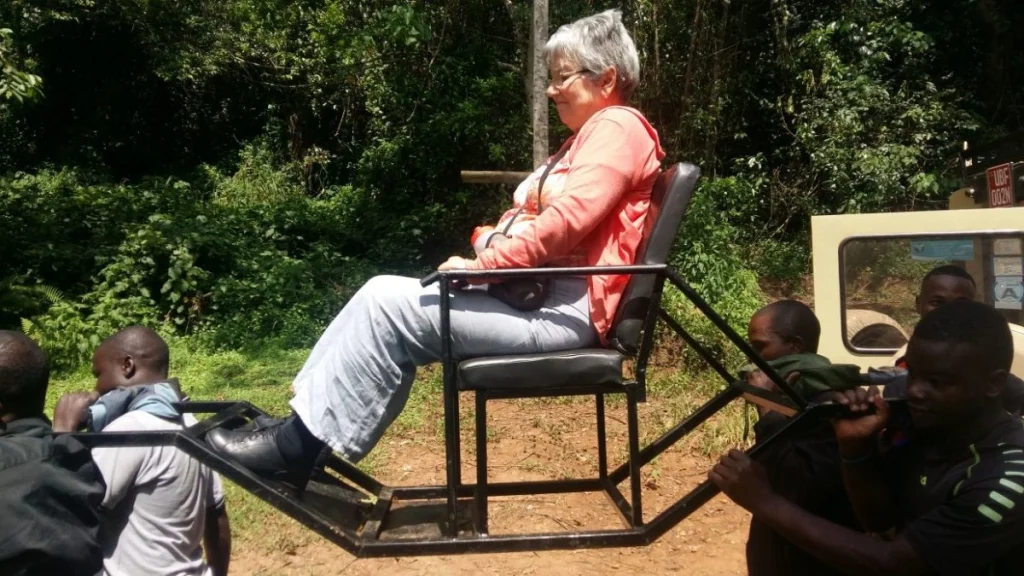
Gorilla Trekking in Uganda for old People. Short answer: yes. There’s no upper age limit for gorilla trekking in Uganda, and plenty of trekkers in their 70s and 80s complete it successfully every year. What matters far more than the number on your passport is your general mobility and how much hiking you’re realistically comfortable with, and there are ways to make the trek considerably easier if that’s a concern.
Here’s a plain, practical look at what older travelers should actually expect.
Is There an Age Limit for Gorilla Trekking?
No maximum age limit. The only official age restriction on gorilla trekking is a minimum of 15 years old, set to protect the gorillas from childhood illnesses. Beyond that, the Uganda Wildlife Authority doesn’t screen trekkers by age, the trek is simply open to anyone reasonably fit enough to attempt it.
What Actually Makes the Trek Hard?
It’s not the altitude or the one hour with the gorillas, both are manageable for most people. It’s the walk itself: trails through Bwindi’s forest can be steep, muddy, and uneven, and the length of the hike depends entirely on where the gorilla family happens to be that day, sometimes 30 minutes, sometimes several hours each way. That unpredictability is the real challenge for older trekkers, not any single fixed difficulty level.
The Single Biggest Thing That Helps: Choosing an Easier Sector
Not all trekking sectors are equally demanding. Some gorilla families in Bwindi are known to stay closer to the trailhead and on gentler terrain, which your tour operator can request when booking your permit. Rangers also take fitness level into account when assigning trekking groups to specific families on the day itself, so it’s worth being upfront about your fitness when you book, rather than after you arrive.
Mgahinga Gorilla National Park is also worth considering. It has just one gorilla family, but the terrain, while volcanic, is often described as more predictable than Bwindi’s dense forest trails.
What Is a Sedan Chair, and Should You Use One?
For trekkers who want to see the gorillas but aren’t confident about the hike itself, porters in Bwindi and Mgahinga offer a sedan chair service, essentially a padded chair carried by a small team of local porters along the trail. It’s a genuinely well-established option, not a last resort, and it allows people with limited mobility to reach the gorillas without walking the full distance themselves. It costs more than a standard porter but is widely used and well worth arranging in advance if it might suit you.
Practical Tips If You’re Trekking Later in Life
- Hire a porter regardless of fitness. Even strong hikers benefit from one, and it’s a direct way to support the local community around the park.
- Request a shorter or gentler trekking group when booking. Be honest with your operator about your fitness level so they can request accordingly.
- Bring a proper walking stick or trekking poles. Rented poles are sometimes available at the park, but bringing your own that you’re used to is safer.
- Pace yourself, not the group. Rangers are used to varied fitness levels and will adjust pace; there’s no need to push harder than feels comfortable.
- Consider a shorter overall trip. A fly-in safari cuts out the long road transfer to Bwindi, leaving more energy for the trek itself rather than spending it on travel days.
What About Health and Medical Considerations?
Anyone with heart conditions, mobility limitations, or other health concerns should speak with a doctor before booking, and it’s worth traveling with any regular medication clearly accessible rather than packed away. Uganda’s gorilla parks are remote, so basic preparedness matters more here than on a typical city trip. None of this rules out trekking, it just means planning a little more carefully than a younger, fully able-bodied traveler might need to.
Where to Go for the Full Picture
This page is a quick, practical starting point. For a more complete breakdown, covering sedan chair pricing, accessible lodge options, and specific advice for travelers with disabilities as well as older travelers, our detailed guide to gorilla trekking for seniors, elderly travelers, and persons with disabilities goes into far more depth.
Plan Your Trek with Kenlink Tours
Since 2010, Kenlink Tours has helped travelers of every age and fitness level plan gorilla treks that actually match their abilities, not a generic itinerary. Whether that means requesting an easier gorilla family, arranging a sedan chair, or simply building in more rest days around your trek, our team can tailor the trip to you.
Contact our safari experts to start planning a gorilla trek that fits your pace.