- EXPERT'S HELP
- +256789210067
- +256200955001
- info@kenlinktours.com


How high is Mount Muhabura
July 8, 2026
What to see on your way to Bwindi from Kampala
July 8, 2026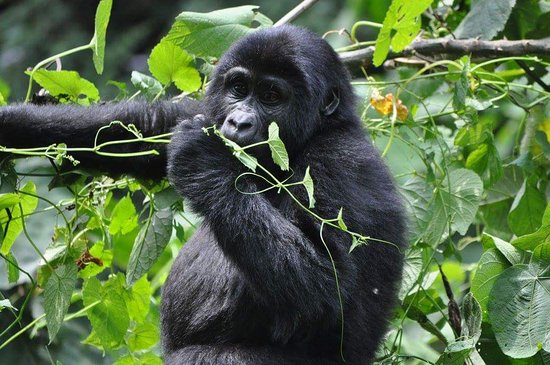
How is Gorilla Trekking in Mgahinga National Park. Gorilla trekking in Mgahinga is a genuinely different experience from Uganda’s more famous Bwindi treks, smaller, more exclusive, and set against a dramatic volcanic backdrop rather than dense, flat rainforest. If you’re wondering what an actual day of trekking here looks like, here’s a realistic, step-by-step picture, along with how it compares to trekking elsewhere in Uganda.
What Makes Mgahinga Different
Mgahinga Gorilla National Park is Uganda’s smallest national park, and it holds just one habituated gorilla family, the Nyakagezi group, compared to the 20-plus families spread across Bwindi’s four sectors. That single fact shapes everything about the experience: fewer daily permits, a more intimate trekking group, and a genuine sense of having the mountain largely to yourself. Mgahinga also sits at the base of three volcanoes, Muhabura, Gahinga, and Sabyinyo, so the trek itself climbs volcanic slopes rather than the flatter, denser jungle terrain typical of Bwindi.
The Day Begins Early
Trekking days start with registration and a briefing at Ntebeko Visitor Center, Mgahinga’s park headquarters, usually around 7:00 to 7:30 am. Rangers go over trekking rules, health protocols, and safety guidelines, and this is also when trekking groups are organized and porters are assigned if you’ve hired one. It’s worth arriving with a good breakfast in you and all your gear sorted the night before, mornings here move quickly once the briefing wraps up.
The Nyakagezi Family: What to Expect
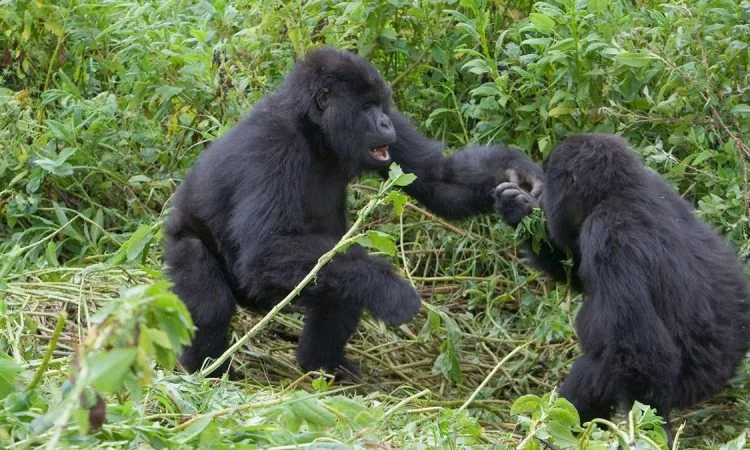
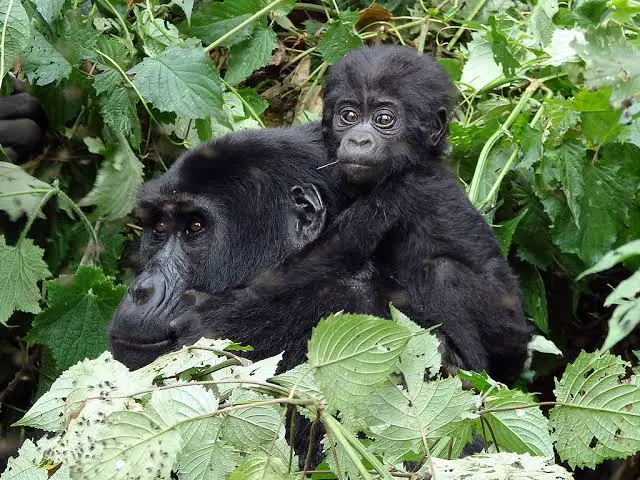
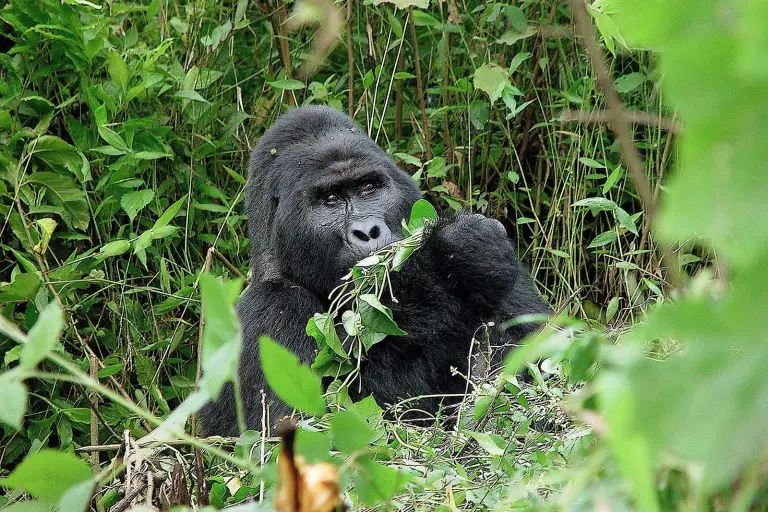
The Nyakagezi group is one of the more unusual gorilla families in the region, led not by a single dominant silverback but by several silverbacks coexisting within the same group, an unusual social structure among mountain gorillas. The family has a history of crossing freely between Uganda, Rwanda, and the DRC across the unfenced Virunga range, though in recent years it has settled more consistently within Mgahinga, making it a reliable trekking option. Because there’s only one family to track, rangers generally have a good sense of their recent movements, though, as with any wild animal, exact timing can never be guaranteed.
How Long and How Hard Is the Trek?
This is the part most people want a straight answer on: trekking time in Mgahinga typically ranges from one to several hours each way, depending entirely on where the gorillas were last located. The terrain climbs the lower slopes of the volcanoes, so expect a steeper, more physically demanding hike than a flat forest walk, thinner air at altitude, uneven volcanic ground, and sometimes muddy trails through bamboo and montane forest. It’s genuinely achievable for most reasonably fit travelers, but it’s not a stroll, and hiring a porter (typically USD 15-20) is a smart move for anyone unsure of their fitness or simply wanting to enjoy the walk rather than fight it.
The Encounter Itself
Once trackers locate the family, you’ll leave larger bags behind and approach in a small group, usually accompanied by armed rangers for safety around other wildlife in the park. You get one hour with the gorillas, the same standard rule that applies at every gorilla trekking site in Uganda and Rwanda, watching them feed, rest, and interact at a respectful distance. With the Nyakagezi family’s multiple silverbacks, this often means watching more complex social dynamics play out than you might see in a single-silverback family elsewhere, coexistence, occasional posturing, and shared protection of the group.
How Does Mgahinga Compare to Bwindi?
If you’re choosing between the two Ugandan parks, the trade-offs are fairly clear. Mgahinga offers a smaller, more exclusive experience with fewer daily visitors and the bonus of a striking volcanic landscape, plus easy access to golden monkey tracking, found nowhere else in Uganda outside this park. Bwindi offers far more choice, over 20 habituated families across four sectors, meaning more flexibility on trekking dates and a wider range of nearby lodges. Neither is objectively better; Mgahinga suits travelers who want an intimate, less-crowded encounter and don’t mind a single fixed gorilla family, while Bwindi suits those who want maximum flexibility and choice of trekking sector.
What Does a Mgahinga Gorilla Permit Cost?
A standard gorilla trekking permit in Mgahinga is priced the same as in Bwindi through the Uganda Wildlife Authority: USD 800 per person for foreign non-residents, with a low-season discount of around USD 600 in April, May, and November. Because Mgahinga issues far fewer permits per day than Bwindi, booking ahead matters even more here, particularly if your travel dates are fixed.
Is Mgahinga Safe?
Yes. Mgahinga is one of Uganda’s most secure national parks, with a strong Uganda Wildlife Authority ranger presence and armed escorts accompanying every trekking group. For a fuller look at what safety measures are in place, our detailed guide on whether Mgahinga is safe for tourists covers everything from health protocols to wildlife encounter guidelines.
Beyond the Trek: What Else Is There to Do?
Because Mgahinga has just one gorilla family, many visitors pair their trek with other park activities to round out the day or the trip. Golden monkey tracking is the obvious add-on, offered nowhere else in Uganda, alongside volcano hikes on Muhabura, Gahinga, or Sabyinyo, guided nature walks, and cultural visits with the Batwa community. If you’d like the fuller picture, our guide on how many gorillas are in Mgahinga covers the park’s wider wildlife and activity options in more depth.
Getting to Mgahinga
Mgahinga’s biggest practical advantage is its location: it’s the closest Uganda gorilla park to Kigali, roughly 3 to 4 hours by road via the Cyanika border crossing, compared to the much longer transfer to Bwindi from Entebbe. This makes it the natural choice for travelers flying into Rwanda who want to trek gorillas on the Uganda side, as covered in our 2-Day Rwanda to Uganda Gorilla Trekking Safari and 4-Day Rwanda-Uganda Golden Monkey and Gorilla Trekking itineraries.
Where to Stay
Because there’s no accommodation inside the park itself, most trekkers base themselves in Kisoro town or at one of the lodges scattered around the park boundary and nearby Lake Mutanda. Our full breakdown of accommodation near Mgahinga Gorilla National Park covers everything from luxury eco-lodges to budget-friendly community camps.
Plan Your Mgahinga Gorilla Trek with Kenlink Tours
Since 2010, Kenlink Tours has arranged gorilla treks in both Mgahinga and Bwindi, and we can help you decide which park genuinely fits your travel dates, fitness level, and interests, rather than defaulting to whichever is easier to book. Browse our gorilla trekking adventures or contact our safari experts to start planning your Mgahinga trek.