- EXPERT'S HELP
- +256789210067
- +256200955001
- info@kenlinktours.com


How much is a short gorilla tour in Rwanda
July 31, 2026
Two days Uganda Gorilla Tour Beginning from Rwanda
July 31, 2026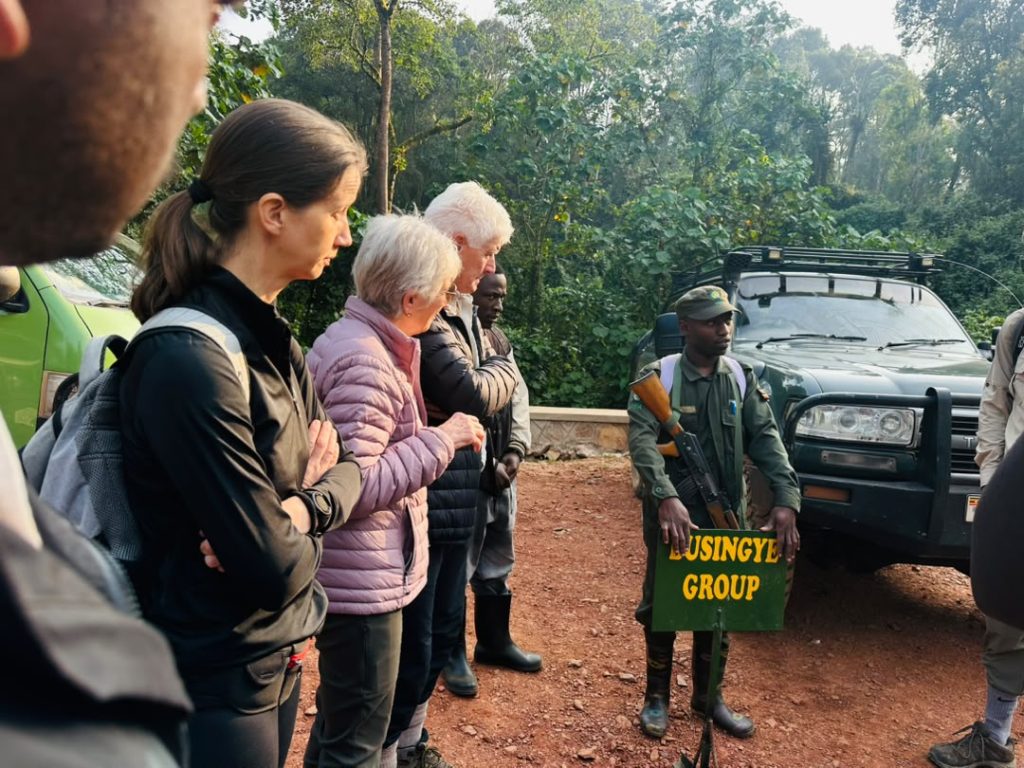
One day Short Gorilla tour in Uganda. Not everyone has five days, or even three, to spare for a gorilla trekking safari. If you are transiting through Kigali on business, have a short layover in East Africa, or simply cannot fit a multi-day itinerary into your schedule, a one day short gorilla tour in Uganda is very likely the trip you have been searching for. It is intense, it is tightly timed, and it is genuinely one of the most efficient wildlife experiences on the continent: you can wake up in Kigali, stand face-to-face with a wild mountain gorilla family in Uganda, and be back at your hotel or the airport again the same night.
This guide, from the team at Kenlink Tours, walks through exactly how a one-day Uganda gorilla tour works, what it costs, who it suits, and what to expect from the moment you leave Kigali to the moment you return. We have been running gorilla trekking safaris across Uganda and Rwanda since 2010, and the one-day format is one of the most frequently asked-about options among travelers with tight schedules, so we have tried to answer every practical question you are likely to have before booking.
What Exactly Is a One Day Short Gorilla Tour?
A one day short gorilla tour in Uganda is a same-day round trip that begins and ends in Kigali, Rwanda, and takes you across the border into southwestern Uganda to trek mountain gorillas in either Mgahinga Gorilla National Park or the Bwindi Impenetrable Forest’s southern sectors, before driving back to Kigali the same evening. It is built entirely around Uganda’s proximity to Kigali International Airport rather than Uganda’s own capital, Kampala, which is why nearly every operator markets this specific itinerary as departing “from Kigali” rather than from Entebbe.
This is not a leisurely trip. It is a long, full day that typically starts around 4:00–5:00 a.m. and ends back in Kigali around 8:00–9:00 p.m., but for travelers who genuinely cannot spare an overnight stay, it is the only realistic way to see mountain gorillas without extending a trip by an extra day.
Why Kigali, and Not Entebbe?
This is the single most important detail behind the entire one-day concept. Uganda’s own international airport, Entebbe, sits roughly 8 to 11 hours by road from Bwindi Impenetrable National Park and Mgahinga Gorilla National Park, making a same-day round trip from Entebbe physically impossible. Kigali International Airport, on the other hand, is only about 2.5 to 4 hours from the Cyanika or Katuna border crossings and the nearby trailheads, depending on which sector you are assigned to.
That distance difference is the entire reason a one-day gorilla tour exists at all. If you are flying into or connecting through Uganda’s own capital, a one-day trek simply is not realistic, and you should instead look at a longer option such as our 3-Day Uganda Gorillas Safari. But if Kigali is your entry or exit point, the maths works, and the one-day format becomes genuinely achievable.
The Realistic Cost of a One Day Gorilla Tour in Uganda
Here is the number most travelers want first: a one day short gorilla tour in Uganda from Kigali typically costs between US$950 and US$1,400 per person, depending on your vehicle arrangement, group size, and which border sector you trek in. This makes it, by a clear margin, the most affordable way to see mountain gorillas anywhere in East Africa, since it avoids paying for accommodation entirely and uses Uganda’s lower permit price rather than Rwanda’s.
Here is what typically makes up that total:
- Gorilla trekking permit: US$800 per person in high season, or as low as US$600 per person during Uganda’s low season months of April, May, and November
- Private 4×4 vehicle, driver-guide, and fuel for the full round trip: roughly US$150–300 for the day, split across your group
- Border crossing fees and East African visa costs: typically US$50–100 depending on your nationality and visa type
- Meals and snacks along the route: US$15–30
- Porter fee (optional but recommended): US$15–20
Because there is no overnight accommodation cost, a solo traveler or couple can complete this entire experience for close to the price of the permit alone plus transport, which is why it consistently ranks as the single cheapest legitimate way to trek gorillas in either Uganda or Rwanda.
Why the Uganda Permit Makes This Trip So Much Cheaper
Uganda’s gorilla trekking permit, issued by the Uganda Wildlife Authority (UWA), is priced at US$800 per person for most of the year, dropping to around US$600 during the low season months of April, May, and November. Compare that to Rwanda’s flat US$1,500 permit fee for Volcanoes National Park, and it becomes clear why so many budget-conscious travelers specifically seek out a Uganda-based trek rather than staying in Rwanda for the entire trip, even when Kigali is their point of arrival.
This price gap is the entire economic logic behind cross-border operators. If your main goal is simply to see mountain gorillas in the wild at the lowest possible total cost, crossing into Uganda for the day is almost always going to beat any Rwanda-based itinerary, including our own 3 Days Rwanda Gorilla Safari, purely on the strength of the permit price difference.
A Typical One Day Gorilla Tour Timeline
Every operator structures the day slightly differently depending on traffic, border conditions, and which sector you are assigned, but a realistic one-day itinerary looks something like this:
4:00–5:00 a.m. — Early pickup from your hotel in Kigali by your driver-guide in a private 4×4 vehicle.
5:00–7:30 a.m. — Drive to the Cyanika or Katuna border post, cross into Uganda, and continue on to the Mgahinga Gorilla National Park or Bwindi park headquarters.
7:30–8:00 a.m. — Arrival at the park briefing point, meet your ranger guide, and receive your trekking assignment.
8:00 a.m.–12:00 p.m. — The gorilla trek itself. Duration varies significantly, from as little as 30 minutes to several hours of hiking, depending on where the assigned gorilla family has moved that morning.
One hour with the gorillas — Once located, you get a full hour observing the family up close, guided by your ranger.
12:30–1:30 p.m. — Return to the trailhead, collect your trekking certificate, and have a packed lunch.
1:30–4:00 p.m. — Drive back across the border to Kigali.
Evening — Arrival back in Kigali, typically between 6:00 and 9:00 p.m., depending on trek duration and border wait times.
Because trek duration is unpredictable, it is worth building in some flexibility around evening plans, particularly if you have a flight the same night. Most operators recommend against booking a departure flight before 10:00 p.m. on the day of your trek, purely as a safety margin.
Which Park Do You Trek In: Mgahinga or Bwindi?
One-day tours from Kigali most commonly use Mgahinga Gorilla National Park, which sits directly on the Uganda-Rwanda-DRC border area and is the closest gorilla trekking destination to Kigali, or the southern sectors of Bwindi Impenetrable Forest, particularly Nkuringo and Rushaga, both accessible via the Kyanika/Cyanika border crossing without an excessively long additional drive.
Mgahinga is generally the preferred choice for a strict one-day itinerary purely because of its proximity, although it has fewer habituated gorilla families than Bwindi, so availability can occasionally be a limiting factor during peak booking periods. Bwindi’s southern sectors add roughly 45 minutes to an hour of extra driving time each way compared to Mgahinga, but offer a wider selection of gorilla families and are still realistically achievable within a single day.
Who Should (and Shouldn’t) Book a One Day Gorilla Tour
A one-day gorilla tour is an excellent fit for travelers who are already in Kigali for another reason — a work trip, a conference, a stopover between other African destinations — and want to add a genuine wildlife encounter without extending their overall trip. It also suits travelers on a tight budget who are comfortable with a physically demanding, long single day in exchange for real cost savings compared to a multi-day itinerary.
It is a poor fit, however, for travelers who want to properly rest before or after the trek, anyone with mobility concerns or lower physical fitness who might need a slower pace, and families with very young children, since the minimum trekking age is strictly 15 years old regardless of itinerary length. If any of those describe your situation, a 2-day version such as our 2 Days Uganda Gorilla Safari Starting from Kigali removes the same-day round-trip pressure while keeping most of the cost efficiency intact.
One Day vs Two Day vs Three Day: Which Should You Choose?
If your schedule allows even a small amount of flexibility, it is worth weighing the one-day format against slightly longer alternatives before committing:
One day (from Kigali): The cheapest and most time-efficient option, but also the most physically demanding, with a very long single day and no rest before or after the trek. Best for travelers with genuinely no spare day.
Two days, one night: Adds a single overnight near the Uganda park, which meaningfully reduces fatigue, allows an earlier and more relaxed start to the trek itself, and removes the pressure of a long return drive on trek day. Our 2 Days Uganda Gorilla Safari Starting from Kigali is built around exactly this balance.
Three days: Gives room for a cultural visit, a second activity, or simply a more relaxed pace throughout, and is a better fit for travelers who want the gorilla trek to feel like part of a proper holiday rather than a single intense day. Our 3 Days Bwindi Gorilla Safari Starting from Kigali is the most popular version of this format among our clients.
For many travelers, the two-day option ends up being the sweet spot: it adds only a modest amount to the total cost, but removes most of the physical strain of the one-day version.
What to Pack for a One Day Gorilla Trek
Because there is no opportunity to change clothes or freshen up partway through the day, packing correctly matters even more on a one-day itinerary than on a multi-day trip. Essentials include sturdy waterproof hiking boots already broken in before your trip, a rain jacket regardless of season since forest weather is unpredictable, long trousers tucked into socks and a long-sleeved shirt to protect against nettles and biting insects, gardening gloves for gripping vegetation on steep sections, and a daypack with water, energy snacks, sunscreen, and insect repellent.
Bring your passport and any required visa documentation, since you will be crossing an international border twice within the same day. It is also worth packing a portable charger, since a long day of driving and hiking can drain a phone quickly, especially if you are using it for photos and navigation.
Physical Fitness Requirements
Gorilla trekking involves walking through dense forest on uneven, sometimes steep and muddy terrain, at altitudes that can exceed 2,000 metres in parts of Bwindi and Mgahinga. Trek duration is entirely dependent on where the assigned gorilla family is located that morning, and can range from a short 30-minute walk to a demanding four or five hour hike each way.
Because a one-day itinerary compresses this uncertainty into a single tightly scheduled day, reasonable fitness is more important here than on a multi-day trip where you have the option to rest afterward. Hiring a porter, which typically costs US$15–20 and directly benefits the local community, is strongly recommended for a one-day trek in particular, since it reduces physical strain and allows you to move more efficiently within your limited time window.
Visa and Border Crossing Considerations
Crossing from Rwanda into Uganda and back within a single day requires either a valid Uganda visa (available on arrival or as an e-visa for many nationalities), a Rwanda visa if you are entering Rwanda separately, or the East African Tourist Visa, which covers Uganda, Rwanda, and Kenya under a single multiple-entry visa and is specifically designed for travelers doing exactly this kind of cross-border trip. The East African Tourist Visa is generally the most convenient and cost-effective option for a one-day gorilla tour, since it avoids paying for two separate single-entry visas for what is effectively a single day trip.
Border wait times at Cyanika and Katuna are usually short but can vary, so it is worth building a small time buffer into your schedule, particularly during busy travel periods or public holidays on either side of the border.
What’s Included and What Isn’t
A well-organized one-day gorilla tour package from a licensed operator should include your gorilla trekking permit, private 4×4 transport for the full round trip from Kigali and back, an experienced driver-guide, bottled water, and a packed lunch. Border crossing assistance and paperwork support are also typically included as part of the service, since navigating an international border independently on a tight schedule adds unnecessary risk to an already time-pressured day.
Not included, and worth budgeting separately for, are your visa fees, travel insurance, tips for your driver-guide, park ranger, and porter, and any personal purchases along the route. Because there is no accommodation involved, the one-day format naturally has fewer cost variables than any multi-day itinerary, which is part of why its final price is so much easier to predict upfront.
Booking Timeline: How Far in Advance to Plan
Uganda gorilla permits are more available than Rwanda’s, but they are still limited and do sell out, particularly during the June–September and December–February peak seasons. For a one-day tour specifically, we recommend booking at least 2 to 4 months in advance during peak season, and ideally as early as possible if your travel dates are fixed around a conference, business trip, or flight connection that cannot be moved. Shoulder and low season months (April, May, and November) tend to have more last-minute availability, alongside the added benefit of the reduced US$600 permit price.
Because a one-day itinerary depends entirely on tight timing working out correctly — border crossings, park briefings, and trek duration all need to align — it is worth working with an operator experienced specifically in this format rather than adapting a standard multi-day itinerary at short notice.
Common Mistakes to Avoid on a One Day Gorilla Tour
The most common mistake travelers make is booking an outbound or return international flight too close to their trek day, without accounting for the possibility of a longer-than-expected trek or border delay. Build in a comfortable buffer, ideally avoiding any flight departure before mid-evening on trek day itself.
Another frequent issue is underestimating the physical demands of the day and skipping the optional porter, only to find the trek itself far more tiring than expected on top of an already long day of driving. Given the modest cost, hiring a porter is one of the easiest ways to make the day noticeably more manageable.
Finally, travelers sometimes forget that a one-day itinerary offers essentially zero flexibility if plans change unexpectedly, since there is no second day to fall back on if a border crossing is delayed or a flight is missed. Comprehensive travel insurance and a realistic, unhurried view of your own schedule go a long way toward avoiding unnecessary stress on the day itself.
Comparing a One Day Uganda Tour to a Short Rwanda Gorilla Tour
Travelers deciding between a one-day Uganda trek and a short Rwanda-based trip are essentially choosing between cost and convenience. Uganda’s one-day option is significantly cheaper, largely because of the lower US$800 permit and the absence of any accommodation cost, but it demands a genuinely long, physically tiring single day and an international border crossing in each direction.
A short Rwanda gorilla tour, by contrast, avoids the border crossing entirely and involves a shorter overall drive since Volcanoes National Park sits only 2.5–3 hours from Kigali, but comes at a much higher cost due to Rwanda’s US$1,500 permit. If you’d like a full breakdown of that option, our companion guide on how much a short gorilla tour in Rwanda costs covers Rwanda-based pricing in detail. For many travelers, the deciding factor ultimately comes down to budget: if cost is the primary constraint, Uganda’s one-day format is very hard to beat; if convenience and a shorter single day matter more, Rwanda is usually the better fit.
Why Book Your One Day Gorilla Tour With Kenlink Tours
Our team has been designing gorilla trekking itineraries across Uganda and Rwanda since 2010, and we spend the vast majority of the year on the ground rather than behind a desk, which means our one-day Kigali-to-Uganda itineraries are built around genuinely current border conditions, road quality, and park logistics rather than outdated assumptions. We handle your permit booking, private vehicle and driver-guide, border crossing support, and every timing detail, so the only thing you need to focus on is showing up ready for an early start.
If a full single day feels too rushed once you look at the details, our 2 Days Uganda Gorilla Safari Starting from Kigali is worth comparing side by side, since it keeps most of the cost advantage of trekking in Uganda while removing the same-day return pressure. For travelers who want to see Uganda’s gorillas as part of a broader trip, our Uganda Rwanda Safaris collection and our about Uganda destination page are good starting points for exploring longer options.
For travelers who have already found and prefer another Kigali-based one-day operator, Pick and Transfer Safaris also run a dedicated 1 Day Uganda Gorilla Safari Starting from Kigali package, along with a gentler 2 Days Uganda Gorilla Tour Starting from Kigali for travelers who decide they would rather spread the trip across two days after all. Their overview of Bwindi Impenetrable National Park is also a useful reference if you want to understand more about the specific sectors used on Kigali-based itineraries before you book.
Best Time of Year for a One Day Gorilla Tour
Gorilla trekking is possible year-round in Uganda, since the gorilla families are permanently resident and do not migrate seasonally. That said, the time of year still meaningfully affects your experience, particularly on a tightly scheduled one-day itinerary where timing matters more than usual.
The dry seasons, running roughly from June to September and December to February, offer firmer, less muddy trails, which generally means faster, more predictable trekking conditions — a real advantage when your entire day’s schedule depends on the trek not overrunning by hours. These months are also Uganda’s busiest for tourism, so permits should be booked well in advance.
The rainy season months, particularly April, May, and November, bring muddier, more physically demanding trails and a higher chance of rain during the trek itself, but they also come with two real advantages: a lower permit price of around US$600 instead of US$800, and noticeably fewer other travelers on the trail. For budget-focused travelers doing a one-day trip specifically to minimize cost, low season timing can meaningfully improve the numbers, provided you’re comfortable with wetter, muddier conditions and build slightly more time buffer into your day.
Gorilla Families You Might Encounter
Both Mgahinga Gorilla National Park and Bwindi’s southern sectors are home to multiple habituated gorilla families, each with its own size, personality, and typical territory. Mgahinga is currently home to a single habituated family, the Nyakagezi group, known for being one of the more mobile families in the region and occasionally roaming toward the Rwanda or DRC side of the shared Virunga border area, which can occasionally affect trek logistics.
Bwindi’s Nkuringo and Rushaga sectors, more commonly used for slightly longer one-day itineraries that accept a bit more drive time, host several habituated families, giving park authorities more flexibility in assigning groups and generally offering a shorter average wait for permit availability compared to Mgahinga’s single family. Whichever sector you are assigned to, your guide and the park ranger team will already know the general location of the family before your day even begins, based on tracker reports sent out at dawn.
Weather, Terrain, and What the Trek Actually Feels Like
Both Mgahinga and Bwindi sit within dense montane and afromontane forest, with terrain that shifts constantly between narrow forest paths, steep muddy inclines, and dense undergrowth that your ranger guide will often need to clear with a machete as you walk. Altitude in these parks ranges from around 1,400 metres up to over 2,600 metres in places, which means cooler temperatures than you might expect from an equatorial location, particularly in early morning and late afternoon.
Rain can arrive with little warning regardless of season, which is why a proper rain jacket is non-negotiable packing, not an optional extra. The forest floor is often slippery even during the dry season, and gardening gloves genuinely make a noticeable difference when you need to grip vegetation on steeper sections. None of this should be discouraging — thousands of travelers with entirely average fitness levels complete this trek successfully every year — but it is worth arriving with realistic expectations rather than assuming a gentle nature walk.
Safety on a Cross-Border One Day Tour
Both Rwanda and southwestern Uganda are considered safe, well-established tourism regions, and the Cyanika and Katuna border crossings used for one-day gorilla tours are routine, well-organized crossings used daily by tourists, cross-border traders, and local commuters alike. That said, a few sensible precautions are worth keeping in mind specifically because of the cross-border, single-day nature of this trip.
Always travel with a licensed, experienced operator who handles border paperwork and vehicle permits correctly, keep photocopies of your passport and visa documentation separate from the originals, and confirm your specific border crossing point in advance, since Cyanika and Katuna serve slightly different routes depending on which park sector you are trekking in. Given the long single day and the international border crossing involved, comprehensive travel insurance that explicitly covers cross-border travel and medical evacuation is particularly worth having in place before you go.
A Quick Cost Comparison Table
To put the one-day Uganda option in context against other common gorilla trekking formats, here is a simplified comparison based on 2026 pricing:
- One day Uganda tour from Kigali: US$950–1,400 per person — no accommodation cost, lowest overall price, most physically demanding single day.
- Two day Uganda tour from Kigali: US$1,300–1,900 per person — one night’s accommodation added, noticeably less rushed, still uses the lower US$800 permit.
- Three day Uganda tour from Kigali: US$1,700–2,400 per person — room for a cultural add-on or a more relaxed pace throughout.
- Two day Rwanda tour from Kigali: US$1,700–2,800 per person — no border crossing, shorter drive, but built on Rwanda’s higher US$1,500 permit.
- Three day Rwanda tour from Kigali: US$1,900–4,500+ per person — the most polished lodge infrastructure and easiest logistics, at the highest price point.
Viewed this way, the one-day Uganda format is consistently the entry point of the entire pricing spectrum, which is exactly why it appeals so strongly to travelers whose primary constraint is either time, budget, or both at once.
What Travelers Say After Doing a One Day Trek
Feedback from travelers who complete a genuine one-day Uganda gorilla tour tends to fall into two consistent themes. First, almost everyone underestimates how long and tiring the full day will feel until they are actually in it — the early wake-up, the border crossing, the uncertain trek duration, and the long drive home all add up in a way that’s hard to fully appreciate from an itinerary description alone. Second, and just as consistently, nearly everyone says the hour spent with the gorilla family made the entire day worth it, often describing it as a strange kind of trade where the exhaustion of the day fades quickly while the memory of the encounter does not.
That combination — genuine physical demand paired with a payoff most travelers describe as extraordinary — is really the core of what a one-day gorilla tour is. It is not the easiest way to see mountain gorillas, but for the right traveler on the right schedule, it may well be the most efficient one available anywhere in East Africa.
Frequently Asked Questions
Is a one day gorilla tour in Uganda physically exhausting? Yes, more so than any multi-day alternative. You are combining several hours of driving in each direction with an unpredictable trekking duration, all within a single day that typically starts before dawn and ends after dark. It is entirely achievable for a reasonably fit traveler, but it is not a relaxed day by any measure.
Can I do a one day gorilla tour if I’m flying into Entebbe instead of Kigali? No, not realistically. The one-day format only works because Kigali sits close enough to Uganda’s gorilla parks to make a same-day round trip possible. From Entebbe, the drive alone is 8 to 11 hours each way, making any one-day round trip physically impossible.
What if the trek takes longer than expected? Experienced operators build a time buffer into the day’s schedule and stay in communication with park rangers about the gorilla family’s location. In the rare case of a significantly longer trek, your driver-guide will adjust the return timing accordingly, which is another reason to avoid booking a same-night departure flight too early in the evening.
Do I need two visas for a one-day trip crossing into Uganda and back? Not necessarily. The East African Tourist Visa covers Uganda, Rwanda, and Kenya under one multiple-entry visa and is specifically useful for cross-border day trips like this one, though it’s worth confirming current eligibility and requirements for your nationality before you travel.
Is the one-day tour cheaper than a Rwanda-based short gorilla tour? Yes, significantly. A one-day Uganda tour from Kigali typically costs US$950–1,400 per person, compared to US$1,700 or more for even the shortest Rwanda-based option, largely due to the difference between Uganda’s US$800 permit and Rwanda’s US$1,500 permit, combined with the complete absence of any overnight accommodation cost.
Can I add a second activity to make it a bit longer without a full extra day? Not really within a genuine one-day format — the schedule is already tightly built around the trek itself and the two border crossings. If you want to add a cultural visit, golden monkey tracking, or a second day of exploring, it is worth upgrading to our two or three-day itineraries instead.
Final Thoughts: Is a One Day Gorilla Tour Worth It?
For travelers who genuinely cannot spare more than a single day, a one day short gorilla tour in Uganda from Kigali is a remarkably efficient way to experience one of the most extraordinary wildlife encounters on the planet without derailing the rest of a trip. It asks a lot physically in exchange for real savings in both time and cost, and for the right traveler, that trade-off is entirely worth it.
If you are still deciding between a strict one-day itinerary and a slightly longer, less rushed alternative, our team can talk you through the real differences based on your travel dates, fitness level, and budget. Reach out through our inquiries page and we will help you build the right gorilla trekking itinerary for your schedule, with your permit, vehicle, and border logistics fully handled from start to finish.