- EXPERT'S HELP
- +256789210067
- +256200955001
- info@kenlinktours.com


Which Animals are found in Murchison Falls National Park
October 4, 2026
Which Activities can i do on 3 Days tour in Uganda
October 4, 2026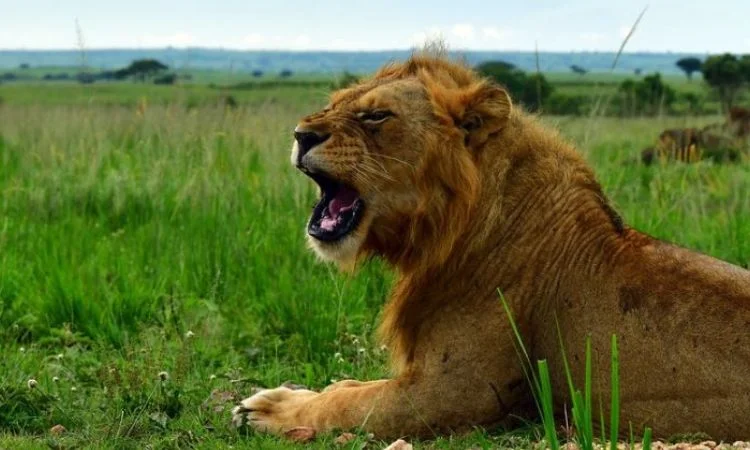
Wildlife in Murchison Falls National Park. Murchison Falls National Park is one of Africa’s great wildlife landscapes. Here, the Victoria Nile carves its way across northwestern Uganda, plunging through a narrow rock gorge before spreading into a broad, slow river and a papyrus-fringed delta on the shores of Lake Albert. Around it lie golden savannahs dotted with palms, dense woodlands, riverine forests and wetlands, each supporting its own community of animals and birds. Understanding these habitats is the key to enjoying the wildlife in Murchison Falls National Park to the full.
At Kenlink Tours, we have guided countless safaris in Murchison Falls. This guide takes a different approach from a simple species list. Instead, we explore the park’s habitats and wildlife zones, explain the different ways to experience its wildlife, describe how the seasons shape animal behaviour and share the remarkable story of how Murchison’s wildlife has recovered. For a species-by-species guide, read our companion article on which animals are found in Murchison Falls National Park.
The Murchison Falls Conservation Area
Murchison Falls National Park covers about 3,840 square kilometres, making it Uganda’s largest national park. Together with the neighbouring Bugungu and Karuma Wildlife Reserves, it forms the wider Murchison Falls Conservation Area, one of the largest protected wildlife areas in East Africa. Budongo Forest Reserve, home to a large chimpanzee population, lies on the park’s southern edge. This vast connected landscape allows animals to move freely between habitats, helping to maintain healthy wildlife populations.
The park was first protected in the 1920s and became a national park in 1952, making it one of the oldest protected areas in Uganda. Learn the story behind the park’s name in our article on why it is called Murchison Falls National Park, and see Pick and Transfer Safaris’ overview of Murchison Falls National Park.
How the Nile Shapes Murchison’s Wildlife
The Victoria Nile is the lifeline of Murchison Falls. It flows from east to west across the park, dividing it into two very different halves. North of the river, the land is mostly open savannah, ideal for grazing animals and the predators that hunt them. South of the river, the land is more wooded, with patches of forest that shelter primates and forest birds.
The river itself provides permanent water throughout the year, drawing animals to its banks, especially during the dry seasons. Its shallows and sandbanks are home to hippos and crocodiles, while its papyrus edges and the delta at Lake Albert support waterbirds, including the rare shoebill. Almost every wildlife experience in Murchison is connected to the Nile in some way, which is why most safaris are planned around both the river and the savannah.
Habitat 1: The Northern Savannah
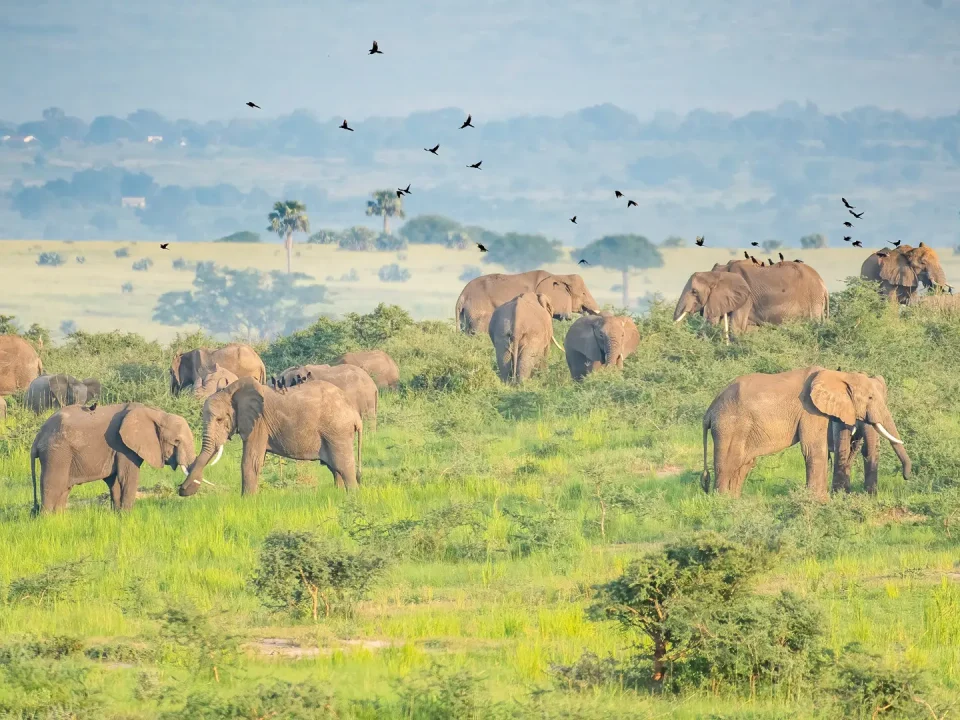
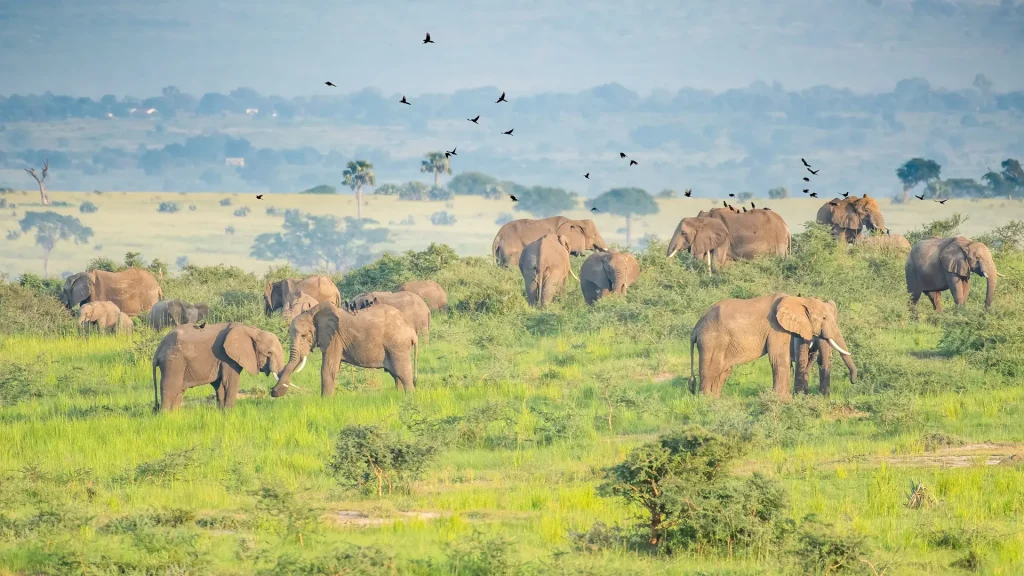
The northern bank of the Nile is Murchison’s classic game-viewing country. Rolling grasslands, scattered acacia trees and tall borassus palms create a scene straight out of a wildlife documentary. This is where you will find most of the park’s large mammals, including herds of Uganda kob and Jackson’s hartebeest, oribi, waterbuck, buffalo, elephants and Rothschild’s giraffes. These grazers attract predators, especially lions, which are often found in the Buligi area, along with leopards and spotted hyenas.
The northern savannah is also rich in grassland birds, including Abyssinian ground hornbills, Denham’s bustards and many raptors. For most visitors, game drives in this habitat are the heart of a Murchison safari. The open terrain also makes it one of the easiest places in Uganda to watch animal behaviour, from kob males defending their territories to giraffes feeding and lions resting in the shade, often against a backdrop of palms and the distant blue of Lake Albert.
Habitat 2: The Nile River and Riverbanks
The river and its banks form one of the most wildlife-rich habitats in the park. Hippos crowd the shallows in large pods, while Nile crocodiles bask on sandbanks and lurk in the water. Elephants, buffalo and antelopes come down to drink, especially in the heat of the day. The riverbanks are lined with birdlife, from colourful bee-eaters nesting in the sandy cliffs to kingfishers, herons, storks and African fish eagles calling from tall trees.
The stretch of river between Paraa and the base of the falls is particularly productive, as fish stunned by the falls attract crocodiles and birds. Read our guide to the top safari experiences along the Nile in Murchison Falls.
Habitat 3: The Albert Delta and Wetlands
Where the Nile meets Lake Albert, it spreads into a maze of channels, papyrus swamps and floating vegetation known as the Albert Delta. This wetland habitat is a paradise for waterbirds and one of the best places in Uganda to search for the shoebill, a huge, prehistoric-looking bird that hunts lungfish in the papyrus. The delta also attracts elephants, buffalo and antelopes to its grassy edges, and lions sometimes hunt nearby.
Habitat 4: Woodlands and Forests of the South
The southern part of the park is covered with woodland, thickets and forest patches, including the Rabongo Forest and the Kaniyo Pabidi area of Budongo Forest. These habitats are home to chimpanzees, black-and-white colobus, red-tailed monkeys, blue monkeys and olive baboons, along with forest birds, butterflies and shy antelopes such as bushbuck and duikers. Patas monkeys, a long-legged savannah primate, are found in more open areas. Read about chimpanzee tracking at Budongo Forest and our guide to primate and wildlife safaris in Murchison Falls.
Habitat 5: The Falls and the Gorge
The falls themselves create a unique micro-habitat. Spray from the thundering water keeps the surrounding rocks and vegetation constantly moist, creating a lush strip of greenery. Rock pratincoles nest on rocks in the river, and swifts and swallows swoop through the spray. Baboons and monkeys are often seen along the trail to the Top of the Falls. See Pick and Transfer’s guide to visiting the top of Murchison Falls.
The Best Wildlife Zones in Murchison Falls
The Buligi Peninsula. Located between the Victoria Nile and the Albert Nile on the northern bank, Buligi is the park’s premier game-viewing area. A network of tracks, including the Victoria, Albert, Queen’s and Buligi tracks, leads through grasslands where lions, giraffes, elephants, buffalo and large herds of kob gather. It is reached by crossing the Nile on the ferry at Paraa.
Paraa. The park’s central hub on the southern bank, where the ferry crosses the Nile and boat cruises depart. Hippos, crocodiles and birds are easily seen here.
The Albert Delta. The meeting point of the Nile and Lake Albert, best explored by boat for shoebills, waterbirds and wildlife along the shore.
Top of the Falls. The dramatic gorge where the Nile plunges over the falls, combining spectacular scenery with baboons, monkeys and birds.
Kaniyo Pabidi and Rabongo Forest. Forest areas in the south, ideal for chimpanzee tracking, primates and forest birding.
Ways to Experience Wildlife in Murchison Falls
One of the joys of Murchison is the variety of ways to experience its wildlife. Combining several activities gives you the fullest picture of the park.
Game Drives on the Northern Bank
Game drives are the best way to see Murchison’s big game. Early morning drives, starting with the first ferry across the Nile, offer the best chance of seeing lions and other predators, while late afternoon drives finish with beautiful light over the savannah. A ranger guide is highly recommended, as rangers know where predators have recently been seen. Read Pick and Transfer’s guide to a game drive in Murchison Falls National Park.
Launch Cruise to the Bottom of the Falls
The classic Murchison boat cruise travels upstream from Paraa towards the base of the falls, passing hippos, crocodiles, elephants and countless birds, before ending with a spectacular view of the falls. It is relaxing, suitable for all ages and offers excellent photography. See our guides to what to see during a boat cruise in Murchison Falls and hippo watching on the Nile.
Delta Boat Trip
A cruise downstream to the Albert Delta is a must for birders and anyone hoping to see the shoebill. The trip takes you through quiet channels and papyrus swamps, with excellent chances of seeing waterbirds and animals along the shoreline. Read our guide to where to see the shoebill in Uganda.
Chimpanzee Tracking and Nature Walks
Guided chimpanzee tracking in Budongo Forest or Kaniyo Pabidi offers a thrilling primate encounter on foot, while nature walks in the forest reveal monkeys, birds, butterflies and medicinal plants. Read about chimpanzee tracking in Murchison Falls National Park.
Night Game Drives
Where available, guided night game drives reveal the park’s nocturnal side, with chances to see leopards, hyenas, genets, civets, bushbabies and porcupines in the spotlight.
Sport Fishing
Below the falls, anglers can fish for giant Nile perch and other species with a Uganda Wildlife Authority permit, usually on a catch-and-release basis. It is a unique way to experience the river’s aquatic life. Discover more adventure activities in Murchison Falls.
How the Seasons Shape Wildlife in Murchison
Murchison’s wildlife changes with the seasons. During the dry seasons, from December to February and June to September, grass is shorter and water sources shrink, so animals gather close to the Nile and remaining waterholes. This makes them easier to find, and these months are generally considered the best for game viewing.
During the wet seasons, from March to May and October to November, rain transforms the savannah into a sea of green. Animals spread out across the park as water becomes widely available, and many give birth, so you may see young kob, buffalo calves and baby giraffes. Birdlife is at its most colourful, with migratory species arriving from Europe and Asia between November and April. Longer grass can make some animals harder to spot, but the scenery is beautiful and the park is quieter.
Wildlife Highlights Through the Year
- December to February: Peak dry season, with animals concentrated near the Nile, excellent game drives and migratory birds present.
- March to May: The long rains bring green landscapes, fewer visitors and many young animals, with lush scenery for photography.
- June to August: A second dry period with very good game viewing and comfortable temperatures, popular with international visitors.
- September to November: Short rains begin, the park turns green again and migratory birds start to arrive from November.
Whatever the month, the Nile provides permanent water, so boat cruises are rewarding all year round, and the falls are at their most powerful after the rains.
The Remarkable Recovery of Murchison’s Wildlife
Murchison Falls was once one of Africa’s most famous wildlife parks, but during the political turmoil of the 1970s and 1980s, heavy poaching reduced many animal populations to a small fraction of their former numbers. Elephants, buffalo and other large mammals were especially hard hit, and the park’s rhinos disappeared entirely.
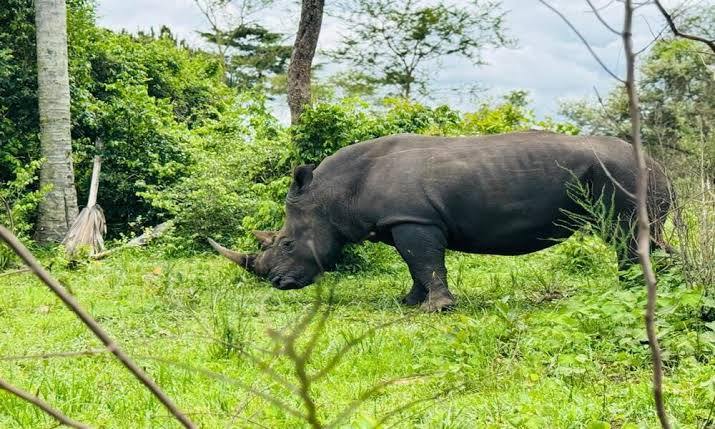
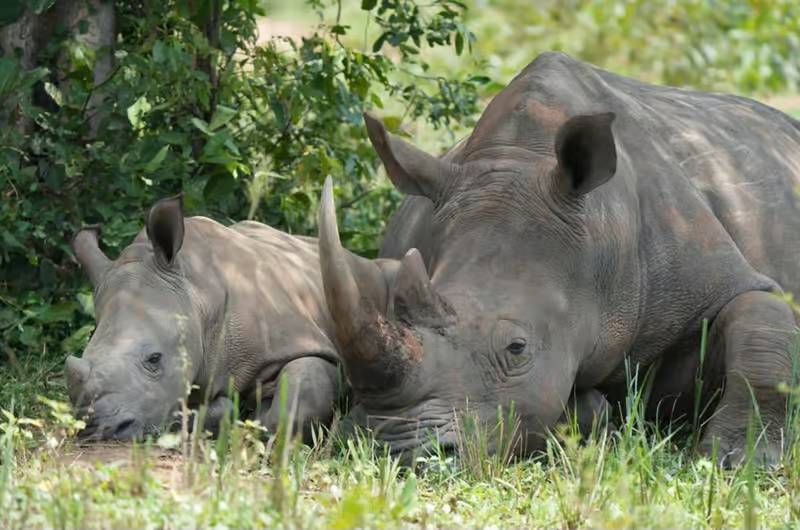
Since then, decades of conservation work by the Uganda Wildlife Authority, partner organisations and local communities have brought about a remarkable recovery. Elephant, buffalo and giraffe numbers have grown strongly, lions are once again a regular sight on game drives, and the park’s Rothschild’s giraffe population is now Uganda’s largest, supplying animals to establish new populations elsewhere in the country. White rhinos, meanwhile, are being bred at nearby Ziwa Rhino Sanctuary with the long-term goal of returning them to the wild. Read about rhino tracking in Ziwa and our guide to Uganda’s giraffes.
Wildlife Beyond the Park Boundaries
Some of the best wildlife experiences around Murchison lie just outside the park itself. On the road from Kampala, Ziwa Rhino Sanctuary offers the chance to track southern white rhinos on foot, the only place in Uganda where wild rhinos can be seen. Budongo Forest Reserve, on the park’s southern edge, protects one of the country’s largest chimpanzee populations and outstanding forest birding along the famous Royal Mile. To the southwest, the Bugungu Wildlife Reserve and the shores of Lake Albert add more savannah, wetland and lakeside habitats.
Including these areas in your itinerary turns a Murchison safari into a broader wildlife journey, adding rhinos and chimpanzees to the park’s elephants, lions, giraffes and hippos. Read about combining Ziwa Rhino Sanctuary with Murchison Falls.
Combining Murchison with Other Wildlife Destinations
Murchison Falls sits at the northern end of Uganda’s classic safari circuit and combines easily with other parks. Travelling south, you can continue to Kibale Forest for chimpanzee tracking, Queen Elizabeth National Park for tree-climbing lions and the Kazinga Channel, and Bwindi for mountain gorillas. Together, these destinations offer one of Africa’s most varied wildlife journeys, from savannah predators to great apes.
See Pick and Transfer’s tour to Murchison Falls and Kibale National Park, their guide on where you can see the Big Five in Uganda and our 5 Days Murchison Falls and Kibale National Park safari.
Wildlife Viewing for First-Time Visitors and Families
Murchison Falls is an excellent park for first-time safari-goers and families. Its wildlife is varied and relatively easy to see, distances between key areas are manageable, and activities such as boat cruises are relaxing and suitable for all ages. Children especially love the hippos and crocodiles on the river, the tall giraffes on the savannah and the thunder of the falls. Game drives can be tailored to shorter durations for younger travellers, and many lodges offer family rooms and swimming pools for downtime between activities.
Read our guide to family safari holidays in Murchison Falls, and see Pick and Transfer’s advice on safaris for families in Uganda.
Wildlife Photography in Murchison Falls
Murchison is a wonderful park for photography. The best light is in the early morning and late afternoon, when the savannah glows golden and animals are most active. A zoom lens in the 100 to 400 mm range is ideal for game drives, while a wider lens captures the drama of the falls. Boat cruises offer stable, eye-level views of hippos, crocodiles and birds. Bring a lens cloth and a waterproof cover for the spray at the falls, and spare batteries for long days in the field.
Murchison Falls Compared with Other Ugandan Parks
Each of Uganda’s savannah parks offers a different wildlife experience. Murchison stands out for its giraffes, the dramatic falls and outstanding river wildlife. Queen Elizabeth National Park is known for its tree-climbing lions and the Kazinga Channel, while Kidepo Valley offers remote wilderness and species such as cheetahs and ostriches. Read our comparison of game drives in Queen Elizabeth or Murchison and our guide to the best national park to visit in Uganda, and see Pick and Transfer’s guide to which animals are found in Kidepo.
Planning Your Murchison Wildlife Safari
To experience Murchison’s wildlife properly, we recommend at least two days, allowing a morning game drive on the northern bank, a launch cruise and the Top of the Falls. Three days adds a delta trip, chimpanzee tracking and more game drives. Fly-in options are available for travellers short on time; read our guide to fly-in safaris in Uganda and connected airstrips.
See our two days tour to Murchison Falls and 3 Days Murchison Falls safari itinerary, Pick and Transfer’s two days tour and 3 Days Safari to Murchison Falls, and our guide to how much a short safari to Murchison Falls costs.
Where to Stay for the Best Wildlife Experience
Staying inside or close to the park makes early game drives and cruises much easier. Riverside lodges near Paraa offer views over the Nile, where hippos and elephants often pass by, while lodges on the northern bank put you close to the best game-viewing areas. Options range from luxury lodges to budget bandas and campsites. Read our guides to the best lodges in Murchison Falls and budget safari camps, and Pick and Transfer’s list of budget accommodation in Murchison Falls.
Responsible Wildlife Viewing
- Keep a safe and respectful distance from all animals.
- Stay in your vehicle on game drives unless your guide says otherwise.
- Never feed wildlife or leave litter.
- Keep noise to a minimum at sightings.
- Follow park rules and the instructions of rangers and guides.
- Support local communities by buying crafts and using community-run services.
Read our guide on how safe Murchison Falls is for tourists.
Frequently Asked Questions About Wildlife in Murchison Falls
What is the best area for wildlife in Murchison Falls? The Buligi Peninsula on the northern bank offers the best game viewing, with lions, giraffes, elephants and buffalo.
What is the best way to see wildlife in Murchison? Combine an early morning game drive on the northern bank with a boat cruise on the Nile, and add a delta trip or chimpanzee tracking if you have time.
When is the best time to see wildlife in Murchison Falls? The dry seasons from December to February and June to September, when animals gather near the Nile.
Has wildlife in Murchison Falls recovered? Yes. After heavy poaching in the 1970s and 1980s, conservation efforts have led to a strong recovery of elephants, buffalo, giraffes and other species.
How many days do I need for wildlife viewing? At least two days, ideally three for a fuller experience.
Can I see the shoebill? Sometimes, especially on a boat trip to the Albert Delta.
Book Your Murchison Falls Wildlife Safari with Kenlink Tours
The wildlife in Murchison Falls National Park is shaped by the mighty Nile and the rich habitats around it, from the open savannah of Buligi to the papyrus of the Albert Delta and the forests of Budongo. Exploring these habitats by vehicle, boat and on foot reveals a park that has come back to life and offers some of the finest wildlife experiences in Uganda.
Learn more about Kenlink Tours, then email info@kenlinktours.com with your travel dates and interests. For more on what you might see, read Pick and Transfer’s guide to what you can see in Murchison Falls, and let us plan a Murchison Falls wildlife safari built around you.