- EXPERT'S HELP
- +256789210067
- +256200955001
- info@kenlinktours.com

Can i go to Bwindi for gorilla trek and back to Kigali same day?
August 24, 2026
How far in advance should I book gorilla trekking permit
August 24, 2026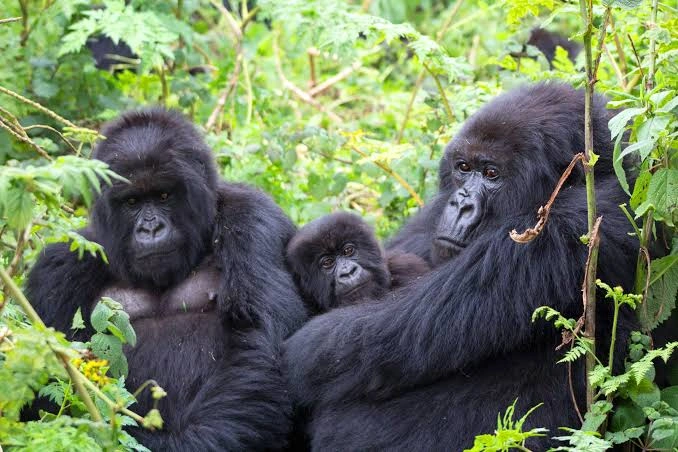
Can do gorilla trek in Uganda and Rwanda on one tour? Yes, you can trek mountain gorillas in both Uganda and Rwanda on a single tour, and it is a far more straightforward undertaking than most travellers assume when they first ask the question. The two countries sit close enough together, and their border crossing near Kigali is efficient enough, that combining gorilla trekking in both is a well-established itinerary rather than a logistical stretch. This guide explains exactly how it works — permits, borders, visas, timing — and lays out sample itineraries at several different lengths so you can see precisely what a combined trip looks like in practice. To arrange this itinerary, contact Kenlink Tours or browse the Rwanda safaris and Uganda safaris collections separately for a sense of what each country offers on its own.
The Short Answer: Yes, and It’s Easier Than You Might Think
Combining gorilla trekking in Uganda and Rwanda on one trip is one of the more popular multi-country itineraries in East Africa, precisely because both countries’ gorilla parks sit within a few hours of Kigali. Rwanda’s Volcanoes National Park is roughly two to three hours from Kigali, while Uganda’s Mgahinga Gorilla National Park and Bwindi Impenetrable Forest sit three to nine hours away depending on the sector, all reachable via the same Cyanika border crossing. Because both parks are accessible from a single base city, travellers do not need to fly between countries or plan around a second international airport, which is what makes this combination genuinely practical rather than just theoretically possible. Compare that to combining gorilla trekking with a destination like the Democratic Republic of Congo’s Virunga National Park, which involves considerably more complex logistics and security considerations, and the Uganda-Rwanda combination stands out as by far the most accessible way to see mountain gorillas in more than one country on a single trip. Kenlink Tours’ 5-day Uganda-Rwanda double gorilla safari is built specifically around this combined format.
Why Travellers Combine Uganda and Rwanda Gorilla Trekking
The most common reason travellers combine both countries is simply the chance to see two different gorilla families in two different national parks, an experience that feels meaningfully different from trekking the same general population twice. Others combine the two countries for practical reasons: Rwanda’s higher permit price is offset by Uganda’s lower cost, so splitting a trip across both countries can average out to a more moderate overall spend than two treks in Rwanda alone. Some travellers also simply want to experience both nations’ distinct culture, cuisine, and landscape within one trip rather than choosing between them, from Kigali’s tidy hillside streets and coffee culture to the terraced farmland and volcanic peaks that define southwestern Uganda’s landscape once you cross the border. Kenlink Tours’ 10-day Rwanda-Uganda safari is designed for travellers who want to properly explore both countries rather than just tick a box in each.
How the Logistics Actually Work
A combined Uganda-Rwanda gorilla trekking trip is built around a simple structure: trek in one country, cross the border, trek in the other. Most itineraries base themselves in or near Kigali at the start and end of the trip, using the city’s international flight connections as the gateway, with the middle portion of the trip spent crossing into Uganda via Cyanika, trekking, and then crossing back. This structure means you only need to manage one entry and one exit point for international flights, while the cross-border movement in the middle is handled entirely by road with your private driver-guide. A detailed look at how this works in practice is available in Kenlink Tours’ Rwanda to Uganda gorilla trekking safari guide.
Do You Need Two Separate Permits?
Yes. A Rwanda gorilla trekking permit, issued by the Rwanda Development Board, and a Uganda gorilla trekking permit, issued by the Uganda Wildlife Authority, are entirely separate documents booked with two different government bodies, and neither one grants access to trekking in the other country. This means your operator needs to coordinate two separate permit applications, ideally for dates that fit together into a single seamless itinerary rather than leaving an awkward gap between them. Kenlink Tours books both permits directly with their respective authorities as part of its combined packages, such as the 9-day Uganda-Rwanda gorilla and big five safari, removing the coordination burden from the traveller.
Which Country Should You Trek First?
There is no strict rule, and both orders work well, but there are practical considerations either way. Trekking in Rwanda first, right after arriving in Kigali, lets you get your first gorilla encounter out of the way while you are still fresh, since Volcanoes National Park requires less travel time than Uganda’s parks. Trekking in Uganda first instead means tackling the longer cross-border journey earlier in the trip, before jet lag and fatigue have fully worn off, which some travellers find preferable to doing it toward the end. A third approach some travellers favour is a genuinely quick same-day taste of the Rwandan side first, similar to a 2 days Volcanoes gorilla trek from Kigali, before settling into the longer Uganda leg of the itinerary. Kenlink Tours can sequence either order based on your permit availability and personal preference, and this Volcanoes National Park destination guide is useful background if you are deciding which order suits your energy levels best.
Crossing the Border Twice: What to Expect
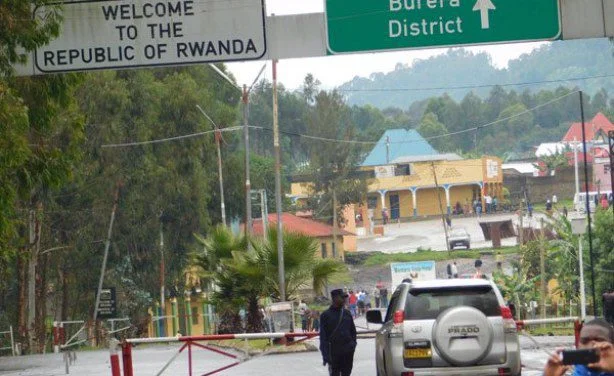
A combined itinerary means crossing the Cyanika border twice — once into Uganda and once back into Rwanda — rather than the single crossing required for a Uganda-only trip. This is more routine than it sounds: Cyanika is a relatively quiet, well-organised post, and with your documents ready, each crossing typically takes twenty to thirty minutes. Having the same private driver-guide handle both crossings, rather than switching operators at the border, keeps the process considerably smoother, since they already know your paperwork and travel plans. Background on the crossing itself is covered in this one day Uganda gorilla safari from Kigali itinerary, which uses the same border for a single crossing.
Visa Requirements for a Combined Trip
Most travellers combining Rwanda and Uganda gorilla trekking use the East Africa Tourist Visa, a single document covering Rwanda, Uganda, and Kenya, which is specifically designed for exactly this kind of multi-country itinerary and considerably simpler than applying for two separate single-entry visas. A valid yellow fever vaccination certificate is required for entry into both countries and is checked at immigration, so carry a physical copy. Visa requirements can vary by nationality, so it is worth confirming your specific situation with your operator well ahead of travel through the Kenlink Tours about us page or by direct enquiry.
Minimum Number of Days Needed
A genuinely comfortable combined trip needs a minimum of four to five days: one day to trek in Rwanda, a travel day to cross into Uganda, a day to trek in Uganda, and a buffer day either side for arrival and departure. It is technically possible to compress this into three days, but doing so reintroduces much of the same-day pressure that makes single-country one-day trips risky, only doubled across two border crossings instead of one. Kenlink Tours’ 5-day Uganda-Rwanda double gorilla safari represents the practical minimum for doing this properly, and this 2 days Uganda gorilla tour from Kigali shows how much time the Uganda leg alone typically requires.
Sample 4-Day Combined Itinerary
A four-day version is the fastest realistic combination: day one, arrive in Kigali and trek Volcanoes National Park that same afternoon or the following morning; day two, cross into Uganda via Cyanika and trek Mgahinga Gorilla National Park; day three, a rest and travel buffer, or an optional golden monkey trek back on the Rwandan side; day four, departure from Kigali. This compact version keeps both treks close to the border, using Mgahinga rather than Bwindi on the Uganda side to avoid extending the trip further. Kenlink Tours’ 4-day Rwanda-Uganda golden monkey and gorilla trekking itinerary follows a similar structure.
Sample 7-Day Combined Itinerary
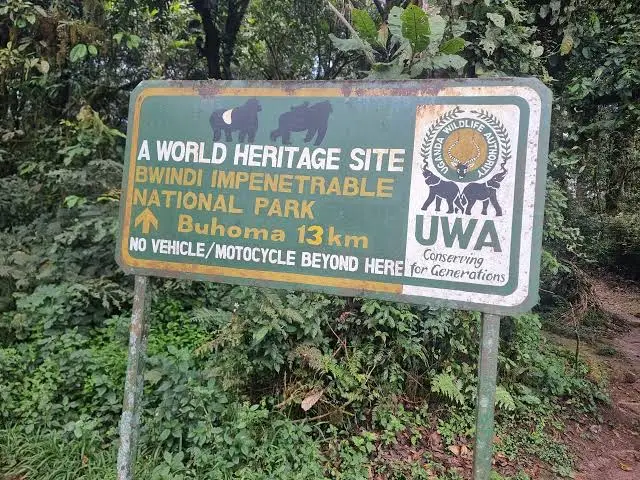
A seven-day version allows Bwindi Impenetrable Forest instead of Mgahinga on the Uganda side, opening up a wider choice of gorilla families and sectors. A typical structure: days one and two in Rwanda, including gorilla trekking and a Kigali city day; days three through five in Uganda, covering the drive to Bwindi, the trek itself, and time to explore Queen Elizabeth National Park’s Ishasha sector on the way; days six and seven for the return journey and departure. This length gives each leg of the trip proper breathing room rather than the compressed pacing of the four-day version. Kenlink Tours’ 7-day Uganda-Rwanda tour is built around this format.
Sample 10-Day Combined Itinerary
For travellers who want to properly explore both countries rather than simply tick off a gorilla trek in each, a ten-day itinerary adds considerable depth: extra days in Rwanda for Lake Kivu or a cultural visit, additional wildlife activities in Uganda such as chimpanzee tracking in Kibale Forest or a Queen Elizabeth National Park game drive, and a more relaxed overall pace throughout. Kenlink Tours’ 10-day fantastic tour in Rwanda-Uganda and 10-day Uganda-Rwanda combining safari both illustrate how much can be fitted into this length without feeling rushed at any point.
Cost of Trekking Both Countries
As of 2026, a Rwanda gorilla permit costs approximately US$1,500 per person, while a Uganda permit costs approximately US$800, meaning the two permits together come to roughly US$2,300 per person before transport, accommodation, and other costs are added. This is a meaningful investment, but many travellers find the combined cost reasonable given that it delivers two entirely distinct gorilla trekking experiences and, in most itineraries, a broader look at both countries beyond the parks themselves. A transparent breakdown of a comparable combined itinerary is available through this 3 days Uganda gorilla safari from Rwanda package, and Kenlink Tours can provide an itemised quote through its group and private tour options.
Will You See Different Gorilla Families?
Yes, and this is one of the biggest draws of combining both countries. Rwanda’s Volcanoes National Park and Uganda’s Bwindi and Mgahinga parks all sit within the broader Virunga and Bwindi mountain gorilla population, but the specific habituated families you trek in each country are entirely distinct, with different individuals, different family dynamics, and different terrain to reach them. Trekking twice in the same park, by contrast, carries a real chance of being assigned the same family a second time. This variety is a large part of why Kenlink Tours’ 9-day Uganda-Rwanda gorilla and big five safari remains a popular choice among repeat gorilla trekkers specifically, and this Rwanda gorilla tracking and cultural tour shows how the Rwandan leg of such a trip is often structured.
Adding Golden Monkey Trekking to the Mix
Because Rwanda’s Volcanoes National Park also offers golden monkey trekking, a shorter and less expensive activity than gorilla trekking, many combined itineraries add it as a third primate encounter without significantly extending the trip. Golden monkey trekking typically takes two to three hours in total and costs considerably less than either gorilla permit, making it an efficient way to add variety to a Uganda-Rwanda combination. Kenlink Tours’ 4-day Rwanda-Uganda golden monkey and gorilla trekking itinerary builds this activity directly into the shorter combined format described earlier.
Where You’ll Stay on a Combined Trip
Accommodation on a combined itinerary typically follows the route itself: a night or two near Kigali or Volcanoes National Park in Rwanda, then a lodge near whichever Uganda park you choose, whether that is close to Mgahinga’s single trekking zone or one of Bwindi’s southern sectors. Booking accommodation on both sides of the border at the same time you secure your permits is important, particularly during peak season when the best lodges near both parks fill up quickly. A good overview of lodging options near the Rwandan leg of the trip is available in this Kigali city guide, while the Uganda side is covered in this Mgahinga Gorilla National Park guide and this Bwindi Impenetrable Forest National Park guide, depending on which sector your itinerary uses.
Common Mistakes When Planning a Combined Trip
The most frequent mistake is booking permits for both countries too close together in date, leaving no buffer for a delayed border crossing or an unexpectedly long trek to disrupt the whole schedule. A second common error is underestimating how permit availability differs between the two countries — Uganda’s Bwindi sectors offer more flexibility across multiple families, while Rwanda’s Volcanoes National Park permits can sell out faster during peak season given the park’s popularity and premium positioning. Some travellers also assume a single travel insurance policy automatically covers activities in both countries without checking the fine print, which is worth confirming before departure. Kenlink Tours avoids these pitfalls by coordinating both countries’ permits and logistics as a single managed itinerary through its Kenlink Tours enquiries page.
Why Book Your Combined Uganda-Rwanda Trek with Kenlink Tours
Coordinating gorilla permits with two different government wildlife authorities, sequencing two border crossings, and managing accommodation across two countries is considerably more complex than a single-country booking, and small missteps in timing can affect both legs of the trip. Kenlink Tours has years of experience running exactly this combined itinerary, books permits directly with the Rwanda Development Board and Uganda Wildlife Authority, and provides consistent private 4×4 transport with the same driver-guide across both countries, so you are never handed off between unfamiliar local operators partway through the trip. Beyond gorilla trekking, the company also offers self-drive and chauffeur car hire and scheduled small-group departures through its scheduled departure safari programme. Learn more on the Kenlink Tours Uganda travel guide.
Frequently Asked Questions
Can I use one permit for both Rwanda and Uganda gorilla trekking?
No, Rwanda and Uganda issue separate gorilla trekking permits through separate wildlife authorities, and each permit only grants access to trekking within that specific country.
What is the minimum time needed to trek gorillas in both countries?
A comfortable combined trip needs at least four to five days, covering one trekking day in each country plus travel and buffer time for the border crossings.
Is it cheaper to trek gorillas in both countries than twice in one?
Combining both countries generally averages out to a moderate cost overall, since Uganda’s lower permit price partly offsets Rwanda’s higher one, though the exact comparison depends on current pricing in both countries.
Do I need two visas to visit both Rwanda and Uganda?
Most travellers use the East Africa Tourist Visa, which covers both Rwanda and Uganda, along with Kenya, on a single document, avoiding the need for two separate visa applications.
Book Your Combined Gorilla Trekking Tour Today
Trekking mountain gorillas in both Uganda and Rwanda on a single tour is not only possible but genuinely one of the more rewarding ways to experience gorilla trekking, offering two distinct encounters, two national parks, and two cultures within one well-coordinated trip. The team at Kenlink Tours can book both countries’ permits, sequence the border crossings, and build an itinerary of any length around your travel dates. Contact Kenlink Tours today to start planning your combined Uganda-Rwanda gorilla trekking tour.
Further reading for the Rwanda side of your journey: Pick and Transfer Safaris specialises in Kigali airport transfers and cross-border safari logistics, and their contact page can help with questions specific to arrival and departure timing around Kigali.