- EXPERT'S HELP
- +256789210067
- +256200955001
- info@kenlinktours.com


How long is from Kigali to Buhoma Bwindi National Park
October 10, 2026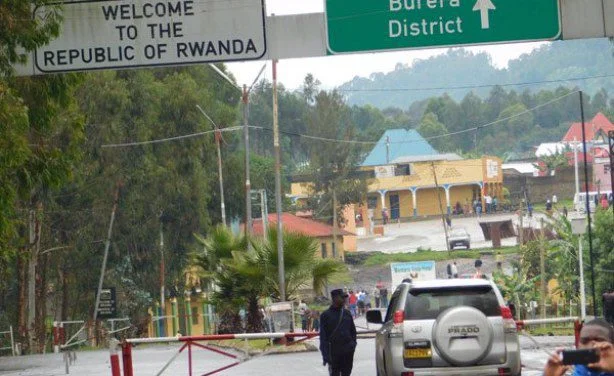
How is transport from Kigali to Bwindi National Park? It is easier than most travellers expect. Bwindi Impenetrable National Park, Uganda’s world-famous home of the mountain gorilla, lies just a few hours from Rwanda’s capital, and the roads from Kigali to the border are some of the best in East Africa. Most visitors travel by private 4×4 with a driver-guide, crossing into Uganda at the Cyanika or Gatuna/Katuna border and reaching their gorilla lodge in roughly four to seven hours, depending on which part of Bwindi they are visiting.
But a private 4×4 is not the only way. You can join a full safari package, rent a car and drive yourself, piece together buses and local taxis, or even combine road travel with a light-aircraft flight. At Kenlink Tours, we move travellers between Kigali and Bwindi every week, so in this guide we explain every option honestly: how each one works, how long it takes, what it costs relative to the others, and which suits your trip best.
Quick Overview: Transport Options from Kigali to Bwindi
- Private transfer with a driver-guide: the most popular, comfortable and reliable option; 4 to 7 hours depending on sector
- All-inclusive gorilla safari package: transport, permits, lodges and meals in one booking
- Self-drive car rental: maximum independence, but requires cross-border paperwork and mountain-driving confidence
- Bus and local taxi: the cheapest, but slow, complex and risky when you have a fixed gorilla permit date
- Light-aircraft flights: fast but expensive; there are no scheduled flights from Kigali, so this usually means a charter or routing via Entebbe
For the vast majority of gorilla trekkers, a private transfer or a complete safari package is the best choice, and we explain why below.
Where Is Bwindi and Which Sector Are You Going To?
The single most important question when planning transport from Kigali is which sector of Bwindi you will visit, because travel times differ by several hours. Bwindi has four gorilla trekking sectors:
- Rushaga (south): the most habituated gorilla families and the only place for the Gorilla Habituation Experience; about 4 to 5 hours from Kigali
- Nkuringo (south-west): dramatic ridge-top views of the Virunga volcanoes; about 4.5 to 5.5 hours from Kigali
- Ruhija (east): high-altitude forest and excellent birding; about 5 to 6 hours from Kigali
- Buhoma (north): the park headquarters and original trekking sector; about 6 to 7 hours from Kigali
Your gorilla permit is issued for a specific sector, so your transport plan should always follow your permit, not the other way around. Pick and Transfer Safaris explain each sector’s character in their Bwindi Impenetrable Forest National Park guide. If you are flexible, the southern sectors are the quickest to reach from Kigali.
The Two Main Routes from Kigali to Bwindi
Route 1: Kigali – Musanze – Cyanika Border – Kisoro – Southern Bwindi
This is the fastest route to Rushaga and Nkuringo, and also to Mgahinga Gorilla National Park. You leave Kigali on excellent tarmac and drive about two hours north to Musanze, the town at the foot of the Virunga volcanoes. Thirty minutes later you reach the small and usually quick Cyanika border. On the Ugandan side, Kisoro town is only around 12 kilometres away, and from there it is roughly one to one-and-a-half hours to Rushaga or Nkuringo on mountain roads. Total: about four to five-and-a-half hours.
Route 2: Kigali – Gatuna/Katuna Border – Kabale – Ruhija or Buhoma
This route follows the main Kigali–Kabale–Kampala highway. From Kigali it is about one-and-a-half to two hours to the Gatuna border (Katuna in Uganda), then a short drive to Kabale, the main town of the Kigezi highlands and the gateway to Lake Bunyonyi. From Kabale, roads climb to Ruhija in about one-and-a-half to two hours, and continue through the forest to Buhoma in another one-and-a-half to two hours. Total: about five to six hours to Ruhija and six to seven hours to Buhoma.
Your driver will choose the best route based on your sector, the weather and road conditions on the day. Both routes are scenic, passing terraced hillsides, tea estates, volcanoes and lakes.
Option 1: Private Transfer with a Driver-Guide
A private transfer is the most popular way to travel from Kigali to Bwindi, and for good reason. A professional driver-guide collects you from Kigali International Airport or your hotel in a comfortable 4×4 and drives you all the way to your lodge in Bwindi, crossing the border in the same vehicle.
How it works: you book the transfer in advance, share your flight or hotel details, and your driver meets you with a name board. At the border, you complete immigration while the driver handles the vehicle documents. You stop for lunch or photos whenever you like.
Travel time: about 4 to 7 hours depending on sector.
Advantages: door-to-door service, no changing vehicles, flexible timing, local knowledge, safety on mountain roads, and a guide who can explain the landscapes and culture along the way.
Things to consider: it costs more than public transport, but because transfers are priced per vehicle rather than per person, the cost drops quickly when two or more travellers share.
Best for: almost everyone, especially first-time visitors, couples, families and anyone with a fixed gorilla permit date.
Our car hire and transfer fleet includes Toyota Land Cruisers, safari vans and compact 4x4s, all cleared for cross-border travel between Rwanda and Uganda.
Option 2: An All-Inclusive Gorilla Safari Package from Kigali
Rather than booking transport, permits, lodges and meals separately, many travellers choose a complete gorilla safari package that starts and ends in Kigali. Transport is included from start to finish, and your driver-guide stays with you throughout the trip.
Popular packages include:
- Our 2 Days Uganda Gorilla Safari Starting from Kigali, the quickest comfortable option
- Our 3 Days Bwindi Gorilla Safari Starting from Kigali, with a relaxed extra night
- Our 5-Day Gorilla Trekking Safari from Kigali to Uganda, adding Lake Bunyonyi and the Kigezi highlands
- Our 4-Day Rwanda-Uganda Golden Monkey and Gorilla Trekking, combining two primate experiences
For comparison, Pick and Transfer Safaris offer similar Kigali-start trips such as the 2 Days Uganda Gorilla Tour Starting from Kigali and the 3 Days Uganda Gorilla Safari from Rwanda.
Advantages: one booking, one price, permit secured by a licensed operator, transport perfectly timed to your trek, and no logistics to worry about.
Best for: travellers who want everything taken care of, especially on short trips where timing is critical.
Option 3: Self-Drive from Kigali to Bwindi
Some adventurous travellers prefer to rent a 4×4 and drive themselves. It is possible, but it requires more planning than many people expect.
Cross-border paperwork: you need a rental company that allows its vehicles to leave Rwanda, along with regional third-party insurance (often called the COMESA yellow card) and temporary import documents for Uganda. Not all rental companies permit cross-border travel, so check before booking.
Changing sides of the road: Rwanda drives on the right, while Uganda drives on the left. You switch as soon as you cross the border, which can feel strange at first.
Road conditions: the tarmac roads in Rwanda and on Uganda’s main highways are good, but the final approaches to Bwindi include steep, winding gravel sections that can become muddy and slippery in the rainy season. A proper 4×4 and confident driving are essential.
Navigation: phone signal can be patchy in the hills, so download offline maps before you set off.
Travel time: usually longer than with a professional driver, roughly 5 to 9 hours depending on sector and experience.
Best for: experienced self-drivers on longer trips who value independence. Pick and Transfer Safaris mention self-drive support on their gorilla safaris page, and we can also advise on cross-border self-drive or provide a driver for the trickiest sections.
Option 4: Public Bus and Local Taxi
Budget travellers sometimes ask whether they can reach Bwindi by public transport. The answer is yes, but it is slow, complicated and not recommended when you hold a gorilla permit for a specific date.
How it works: buses leave Kigali’s Nyabugogo bus park for Musanze, the Cyanika border or Kabale, and some cross-border coaches on the Kigali–Kampala route stop in Kabale. From Kisoro or Kabale, you then need a shared taxi, a private “special hire” car or a boda-boda (motorbike taxi) to reach the gorilla sectors, which are deep in rural hills where public transport is limited.
Travel time: a full day or more, with several changes and waiting time at each stage.
Challenges: carrying luggage between vehicles, crossing the border on foot, unpredictable departure times, limited transport on the final mountain stretch, and the risk of arriving late for your gorilla briefing. Boda-boda rides on steep gravel roads with luggage are also not ideal from a safety point of view.
Best for: backpackers with flexible schedules who are not trekking gorillas on a fixed date, or who are travelling slowly through the region.
Option 5: Flights and Charters
Many visitors assume they can fly from Kigali to Bwindi. In reality, there are no scheduled flights between Kigali and the airstrips near Bwindi.
Scheduled domestic flights in Uganda operate mainly from Entebbe and Kajjansi to airstrips such as Kisoro (for Rushaga, Nkuringo and Mgahinga) and Kihihi (for Buhoma and Ruhija). Routing from Kigali via Entebbe would take longer than driving directly.
Private charters from Kigali are possible but expensive, require cross-border flight clearance, and still need a vehicle waiting at the airstrip. They mainly suit luxury travellers on very tight schedules.
Helicopter transfers are offered occasionally by specialist operators for high-end trips, at a premium price.
For most travellers starting in Rwanda, road transport is faster door to door, more flexible and far more affordable than flying.
Comparing the Options: Which Is Best for You?
Comfort: private transfer and safari package rank highest; public transport ranks lowest.
Reliability: private transfers and packages are the most dependable; buses and taxis are the least predictable.
Speed: private transfer is the fastest door-to-door option by road; charters are faster in the air but need extra ground arrangements.
Cost: public transport is cheapest per person; private transfers become good value for two or more travellers; charters are the most expensive.
Flexibility: self-drive and private transfers both let you stop whenever you like.
Peace of mind: an all-inclusive package, with permits and transport coordinated by a licensed operator, is the least stressful way to travel.
Before You Leave Kigali: Arrival and Pickup Tips
Good transport planning starts the moment you land. Most international flights arrive in Kigali in the afternoon or evening, which is too late to start the drive to Bwindi the same day. We recommend spending your first night in Kigali and leaving early the next morning. This gives you time to rest after your flight, change money, buy a local SIM card and perhaps explore the city.
Kigali is one of Africa’s cleanest and safest capitals, with good restaurants, craft shops and meaningful historical sites such as the Kigali Genocide Memorial. Pick and Transfer Safaris’ Kigali City guide has useful ideas for a short stay. Your driver-guide can collect you from the airport on arrival and from your hotel the next morning, so you only meet one person for the whole journey.
What You Will See Along the Way
One of the joys of travelling from Kigali to Bwindi by road is the scenery. Leaving the city, you wind through Rwanda’s famous “thousand hills”, every slope carefully terraced with beans, bananas, maize and tea. On the Cyanika route, the Virunga volcanoes rise ahead of you near Musanze, their peaks often wrapped in cloud. On the Gatuna route, you pass through Kabale’s steep highland farms and can glimpse the islands of Lake Bunyonyi from the hills.
As you approach Bwindi, the farmland gives way to dense forest. On the road through Ruhija towards Buhoma, it is common to see L’Hoest’s monkeys, black-and-white colobus, baboons and colourful forest birds. Children wave from roadside villages, and markets spill onto the road on busy days. A good driver-guide will stop whenever you want a photo and explain the farming, culture and history of each area.
Transport for Families, Groups and Special Needs
Families: the minimum age for gorilla trekking is 15, so families usually travel with teenagers. Breaking the journey at Lake Bunyonyi or in Kisoro keeps daily driving short and gives everyone time to relax.
Groups: larger groups can travel in an extended Land Cruiser or a convoy of vehicles. Sharing transport costs makes private transfers very affordable per person.
Travellers with limited mobility: we can plan more frequent stops, choose the gentlest route for the conditions and arrange accessible lodges. For the trek itself, the Uganda Wildlife Authority can arrange a sedan chair carried by porters at an extra cost.
Photographers and birders: a pop-up-roof Land Cruiser and an unhurried schedule let you make the most of the forest road and roadside wildlife.
If your group wants to combine gorillas with chimpanzees, Pick and Transfer Safaris’ 5 Days Uganda Gorilla and Chimps Safari Starting from Rwanda and 7 Days Uganda Rwanda Safari Adventure show how transport can link several parks in one smooth journey.
Crossing the Border: What to Expect
Whichever transport you choose, you will cross from Rwanda into Uganda. Here is what to expect.
Cyanika: a small, quiet border used mostly by tourists and local traders. Crossings are usually quick, often under 30 minutes.
Gatuna/Katuna: the main commercial crossing, operating as a one-stop border post. It can be busier with trucks, so allow 30 to 60 minutes or more.
Documents you need: a passport valid for at least six months with blank pages, a visa for Uganda (the East Africa Tourist Visa at USD 100 covers Rwanda, Uganda and Kenya for 90 days with multiple entries), and your original yellow fever vaccination certificate, which Uganda requires.
Time zone change: Uganda is one hour ahead of Rwanda, so adjust your watch.
Plastic bags: Rwanda bans single-use plastic bags, so pack in reusable bags to avoid confiscation.
With a private transfer, your driver-guide briefs you before the crossing and waits on the far side, making the process simple even on your first visit to Africa.
Road Conditions from Kigali to Bwindi
Rwanda’s roads are famous for being well maintained, and the highways from Kigali to Musanze, Cyanika and Gatuna are smooth tarmac. On the Ugandan side, the roads from Cyanika to Kisoro and from Katuna to Kabale are also paved.
The final approach to each Bwindi sector is where conditions change. Roads climb steeply into the hills, with sharp bends, narrow sections and stretches of murram (gravel). In the dry seasons, from June to September and December to February, these sections are dusty but straightforward. In the rainy seasons, from March to May and October to November, they can become muddy and slow, and a 4×4 with an experienced driver becomes essential.
Uganda continues to upgrade roads in the southwest, so travel times are gradually improving, but we always build a buffer into our schedules to allow for weather and road works.
Is Transport from Kigali to Bwindi Safe?
Yes. The routes between Kigali and Bwindi are used every day by tourists, conservation staff, aid workers and local traffic, and both Rwanda and Uganda place a strong priority on visitor safety. The main risks are the usual ones for any mountain drive: sharp bends, slow trucks near the border, livestock and pedestrians on rural roads, and slippery gravel after rain.
You can reduce these risks by travelling with a licensed operator, using a well-maintained 4×4, avoiding driving after dark, and allowing enough time so your driver never needs to rush. Our drivers are trained in defensive driving, know every section of the route and keep in contact with our office throughout the journey. Inside Bwindi, every gorilla trek is led by armed Uganda Wildlife Authority rangers. As with any international trip, we recommend travel insurance that covers medical evacuation.
Vehicles Used for Kigali to Bwindi Transport
Choosing the right vehicle makes the journey far more comfortable. These are the main types used on this route:
- Toyota Land Cruiser (safari-modified): the gold standard for comfort and capability, with pop-up roofs for game viewing; ideal if you continue to Queen Elizabeth National Park
- Toyota Land Cruiser Prado: comfortable and capable for couples and small families
- Toyota RAV4 and similar compact 4x4s: economical for solo travellers and couples with light luggage
- Extended safari vans and minibuses: practical for larger groups, though less capable on the muddiest roads
All Kenlink vehicles carry drinking water, a first-aid kit, charging points and cross-border insurance, and are serviced before every trip.
How Much Does Transport from Kigali to Bwindi Cost?
Costs vary widely depending on how you travel. Here are the main factors:
- Mode of transport: public buses cost the least; private transfers cost more but include door-to-door service; charters cost the most.
- Vehicle type: a compact 4×4 is cheaper than a full safari Land Cruiser.
- Group size: private transfers are priced per vehicle, so sharing with friends or family cuts the cost per person.
- One-way or return: return transfers often offer better value than two separate one-way trips.
- Sector: Buhoma is further than Rushaga, so longer journeys cost more in fuel and driver time.
- Season: peak-season demand affects vehicle availability.
For an all-inclusive option, our Kigali-start packages begin from around USD 1,540 per person sharing for two days, including the USD 800 gorilla permit, transport, accommodation and meals. For a transfer-only quote, contact our team with your dates, sector and group size.
Gorilla Permits and Transport: Plan Them Together
Transport and gorilla permits are closely linked. Because each permit is tied to a specific sector and date, your transport must deliver you to the right place the day before your trek. We always recommend booking the permit first and then planning transport around it.
A Uganda gorilla permit costs USD 800 for foreign non-residents and USD 700 for foreign residents, with discounted low-season rates reported for April, May and November. Foreign non-residents now book through licensed Ugandan operators, and as a licensed company Kenlink Tours can secure your permit and match your transport to it, so there is no risk of arriving at the wrong sector.
Combining Bwindi with Other Destinations
Since you are already travelling from Kigali, it is easy to add more destinations, and your transport can link them all.
Mgahinga Gorilla National Park: just beyond Kisoro, with golden monkeys and volcano hikes. See Pick and Transfer Safaris’ Mgahinga Gorilla National Park guide.
Volcanoes National Park, Rwanda: on the way to or from the Cyanika border, perfect for golden monkeys or a second gorilla trek. Our 3-Day Gorilla Trekking in Volcanoes National Park and 5 Days Uganda Rwanda Double Gorilla Safari are popular choices, and the Volcanoes National Park guide by Pick and Transfer Safaris gives useful background.
Lake Bunyonyi: a beautiful lake near Kabale, ideal for a relaxing night on the Gatuna route.
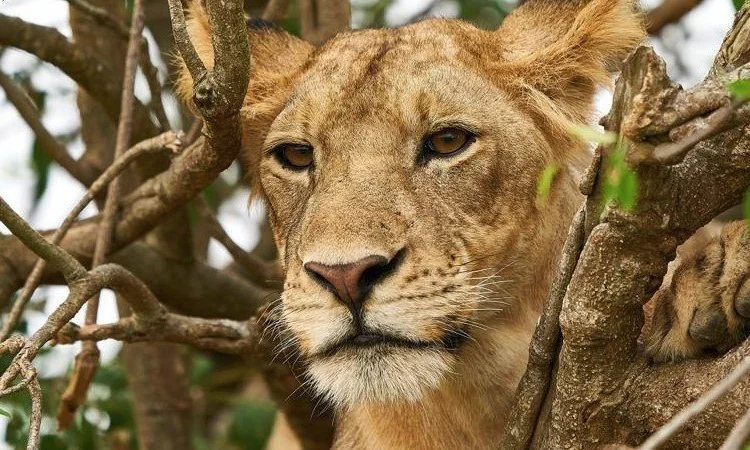
Queen Elizabeth National Park: north of Bwindi, with tree-climbing lions in Ishasha and boat cruises on the Kazinga Channel. See our 3 Days Queen Elizabeth National Park safari or Pick and Transfer Safaris’ Queen Elizabeth National Park guide.
Kibale Forest: for chimpanzee tracking, reached via Queen Elizabeth. Our 3-Day Chimpanzee Tracking Safari fits well after Bwindi.
For longer journeys, our 9 Days Uganda & Rwanda Gorilla and Big Five Safari and 10 Days Uganda Rwanda Combining Safari include all transport between parks, as does Pick and Transfer Safaris’ 10 Days Uganda Rwanda Safari.
Best Time to Travel from Kigali to Bwindi
Transport runs all year, but the season affects travel times and comfort.
Dry seasons (June to September and December to February): faster roads, easier treks and the most popular months. Book transport, permits and lodges early.
Rainy seasons (March to May and October to November): greener scenery, fewer visitors and possible low-season permit discounts, but slower gravel roads and occasional delays. Allow extra travel time and always use a 4×4.
Because Bwindi is a rainforest, rain is possible in any month, so plan a little buffer whatever the season.
Practical Tips for Your Journey from Kigali to Bwindi
- Book permits first, then arrange transport to the correct sector.
- Arrive in Bwindi the day before your trek; gorilla briefings start at around 7:30 to 8:00 am.
- Leave Kigali early to avoid traffic and arrive in daylight.
- Keep documents in your hand luggage for the border.
- Carry small cash in US dollars, Rwandan francs and Ugandan shillings.
- Bring motion-sickness tablets for winding mountain roads.
- Pack light and soft if you plan to use small aircraft at any stage.
- Allow a buffer on departure day, especially for evening flights from Kigali.
- Use a licensed operator so transport, permits and lodges are coordinated.
If you are extremely short on time, a same-day option also exists. Pick and Transfer Safaris run a one-day Uganda gorilla safari starting from Kigali to the southern sectors, though it makes for a very long day and we recommend at least two days for most travellers.
Why Choose Kenlink Tours for Transport from Kigali to Bwindi?
Kenlink Tours is a licensed Ugandan tour operator that has been organising safaris since 2010. We specialise in Uganda gorilla trips starting from Kigali and know every route, border and sector intimately.
- Cross-border 4×4 fleet with all documents and regional insurance
- Experienced driver-guides who drive the Kigali–Bwindi roads every month
- Licensed permit booking matched to your transport and lodge
- Private, flexible service that can start any day and fit your flights
- 24/7 local support from our team in Uganda
Browse our Rwanda safaris, Uganda safari tours and group tours, or read our Uganda destination guide to plan the rest of your trip.
Frequently Asked Questions: Transport from Kigali to Bwindi
What is the best way to travel from Kigali to Bwindi?
A private 4×4 transfer with a professional driver-guide is the best option for most travellers. It is door to door, crosses the border in one vehicle and is timed to your gorilla permit.
How long does it take to get from Kigali to Bwindi?
About 4 to 5 hours to Rushaga, 4.5 to 5.5 hours to Nkuringo, 5 to 6 hours to Ruhija and 6 to 7 hours to Buhoma by road.
Is there a bus from Kigali to Bwindi?
There is no direct bus to Bwindi. Buses run from Kigali to Musanze, Cyanika or Kabale, but you then need local taxis or special-hire cars to reach the park, which is slow and unpredictable.
Can I fly from Kigali to Bwindi?
There are no scheduled flights from Kigali to the Bwindi airstrips. Private charters are possible but expensive, so most travellers go by road.
Can I self-drive from Kigali to Bwindi?
Yes, if your rental company allows cross-border travel and provides the right insurance and documents. You will switch from right-hand to left-hand driving at the border and should be comfortable on steep gravel roads.
Which border is best from Kigali to Bwindi?
Cyanika is best for Rushaga, Nkuringo and Mgahinga. Gatuna/Katuna is best for Ruhija and Buhoma.
Do I need a visa to travel from Kigali to Bwindi?
Most visitors need a visa for Uganda. The East Africa Tourist Visa (USD 100, 90 days, multiple entry) covers Rwanda, Uganda and Kenya and is the easiest option.
Book Your Transport from Kigali to Bwindi Today
So, how is transport from Kigali to Bwindi National Park? Straightforward, scenic and surprisingly quick when it is well planned. Whether you choose a private transfer, a complete gorilla safari package, a self-drive adventure or a combination, the journey through the hills of Rwanda and the Kigezi highlands is part of what makes a Uganda gorilla trip from Kigali so special.
Ready to go? Contact Kenlink Tours with your travel dates, sector and group size, and we will arrange your transport, gorilla permit and accommodation for a smooth journey from Kigali to Bwindi and back.