- EXPERT'S HELP
- +256789210067
- +256200955001
- info@kenlinktours.com


Hiking Experiences in Kisoro
September 29, 2026
Short Gorilla and Wildlife Combining Tour in Uganda
October 3, 2026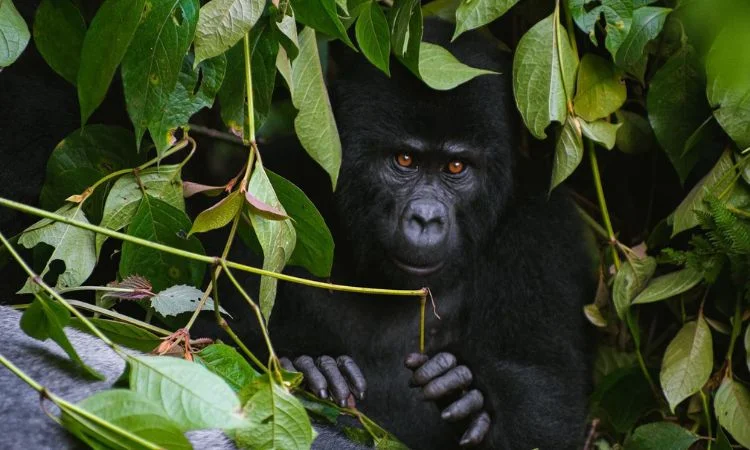
Two days gorilla tour Uganda. A 2 days gorilla tour in Uganda is the fastest, most affordable way to stand a few meters from a wild mountain gorilla family. In just 48 hours you travel to Bwindi Impenetrable National Park or Mgahinga Gorilla National Park, trek through ancient rainforest, spend a full hour with a habituated gorilla group, and return in time for your onward flight. At Kenlink Tours, this short safari is one of our most requested trips because it fits into busy schedules, business trips, and multi-country holidays without sacrificing the experience that matters most: looking a silverback in the eye.
This complete guide covers everything you need to plan a two-day gorilla trekking safari in Uganda. You will learn how the itinerary works, which park and sector to choose, how much a gorilla permit costs in 2026, what to pack, the best time to go, where to sleep, and how to extend your trip if you have extra days. Whether you start in Kigali, Entebbe, or Kampala, by the end of this article you will know exactly how to book a smooth, safe, and unforgettable short gorilla safari.
Why Choose a 2 Days Gorilla Tour in Uganda?
Uganda is often called the gorilla capital of the world, and for good reason. The country protects roughly half of the planet’s remaining mountain gorillas, with the largest number of habituated families found in Bwindi. That means more permits are available here than anywhere else, giving short-stay travellers a real chance of securing a trekking date even at fairly short notice outside peak months.
A two-day gorilla trip strips the safari down to its essence. Instead of long game-drive circuits, you focus on the one encounter most people travel to Africa for. Day one is spent getting to the forest edge; day two is the trek itself, followed by your transfer out. It is ideal if you are visiting East Africa for work, combining Uganda with a Kenya or Tanzania safari, or simply want a powerful wildlife experience without taking a full week off.
If you are new to the country, our Uganda travel guide explains visas, currency, safety, and culture so you can arrive prepared. You can also browse our full range of Uganda safaris to compare the two-day trip with longer itineraries.
Uganda vs Rwanda for a Short Gorilla Trek
Travellers often ask whether a short gorilla trek is better in Uganda or Rwanda. Both countries offer world-class experiences, but Uganda has two strong advantages for a 48-hour safari: price and choice. A Uganda gorilla permit costs USD 800 for foreign non-residents, while a Rwanda permit costs USD 1,500. On a couple’s trip, that difference alone saves USD 1,400, which can pay for your lodge, transport, and meals.
Uganda also gives you more gorilla families to choose from. Bwindi’s four trekking sectors, plus Mgahinga on the Virunga volcanoes, mean that if one area is fully booked, another usually has space. Rwanda’s Volcanoes National Park is closer to Kigali, which is why many visitors fly into Kigali and then cross into Uganda to trek. Our detailed comparison on Uganda and Rwanda gorilla safaris breaks down both options side by side.
For travellers who want to see the Rwandan side as well, Pick and Transfer Safaris has a helpful overview of Volcanoes National Park, Rwanda’s flagship gorilla destination.
Who Is a 2 Day Gorilla Safari Best Suited For?
This short trip works especially well for:
- Time-limited travellers who have only a weekend or two free days around a conference, a family visit, or a business meeting in Kigali, Kampala, or Entebbe.
- Budget-conscious adventurers who want the core gorilla experience without paying for extra nights, fuel, and park fees on a longer circuit.
- Multi-country safari guests adding gorillas to a Kenya, Tanzania, or Rwanda itinerary. See our Rwanda safaris if you are planning both countries.
- Repeat visitors who have already done Uganda’s savannah parks and want to return for gorillas only.
- Photographers who want to focus all their energy and memory cards on a single, intimate primate encounter.
If you have three or more days, you may prefer a slightly slower pace. Our 3 day Uganda gorilla safari adds a relaxed arrival and time for a community walk, while still keeping costs low.
What Makes the Mountain Gorilla Encounter So Special?
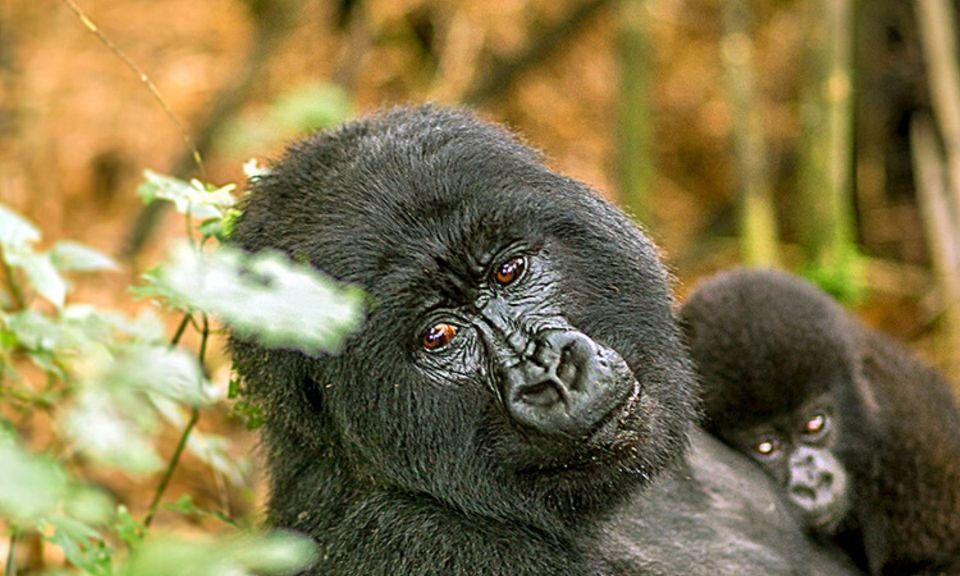
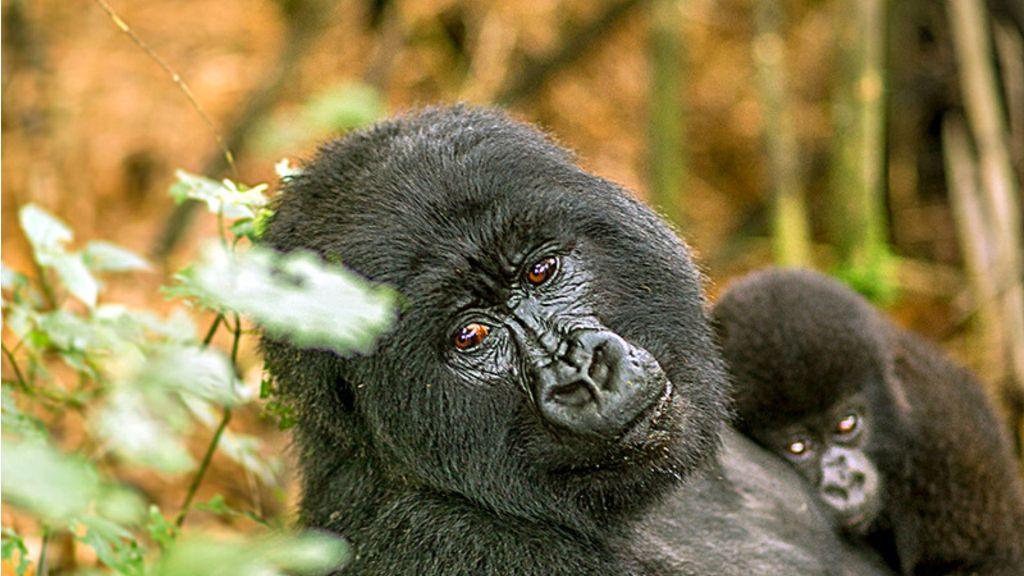
Mountain gorillas share about 98 percent of our DNA, and spending an hour with them feels less like wildlife viewing and more like visiting a family. You watch the dominant silverback rest while juveniles wrestle and tumble, mothers groom infants, and blackbacks keep watch on the edge of the group. Every family has its own personality, and no two encounters are the same.
These gorillas are also a conservation success story. Their numbers have grown thanks to strict protection and gorilla tourism. A large share of every permit fee funds rangers, research, and community projects around the parks, so your two-day trek directly supports the survival of the species and the livelihoods of local people.
Where Does a 2 Days Gorilla Tour in Uganda Take You?
Uganda has two parks for mountain gorilla trekking: Bwindi Impenetrable National Park and Mgahinga Gorilla National Park. Both sit in the far southwest of the country, close to the Rwanda and Democratic Republic of Congo borders. Which one you visit on a two-day trip depends on where you start, permit availability, and the kind of trek you want. Our main gorilla trekking in Uganda page gives an overview of both parks and how we allocate permits.
Bwindi Impenetrable National Park: Uganda’s Gorilla Heartland
Bwindi is a UNESCO World Heritage Site and one of the oldest rainforests in Africa. Its steep ridges, tangled vines, and misty valleys earned it the name “impenetrable”. More than 20 habituated gorilla families live here, spread across four trekking sectors, which makes Bwindi the most reliable choice for a short gorilla safari. Beyond gorillas, the forest shelters around 350 bird species, forest elephants, several monkey species, and an extraordinary range of butterflies and plants.
For a deeper look at the park’s landscape, wildlife, and access routes, see the Pick and Transfer Safaris guide to Bwindi Impenetrable Forest National Park.
The Four Bwindi Trekking Sectors Explained
Choosing the right sector is one of the most important decisions on a two-day trip, because it decides your driving time and where you sleep. Each sector has its own trailhead, lodges, and gorilla families:
- Buhoma (north): The original gorilla trekking area, opened in 1993. It has excellent lodges and moderate terrain, and it links well with Queen Elizabeth National Park. It is a long drive from Kigali, so it suits fly-in trips or travellers coming from the north.
- Ruhija (east): The highest sector, cool and misty, with superb birding. Trails can be steep. Families include Bitukura, Oruzogo, Kyaguliro, and Mukiza. It is reachable from Kabale.
- Rushaga (south): Home to the most habituated families in Bwindi and the only place offering the Gorilla Habituation Experience. It is one of the best sectors for a two-day trip from Kigali.
- Nkuringo (southwest): Dramatic views over the Virunga volcanoes and challenging hills. It is close to Kisoro and the Cyanika border, which makes it practical for short trips from Rwanda.
We have written a full guide on which part of Bwindi is easy for gorilla trekking to help you match a sector to your fitness level. Pick and Transfer Safaris also shares practical advice on the best sector for a gorilla trek in Bwindi together with ideas for your afternoon after the trek.
Mgahinga Gorilla National Park: Gorillas on the Volcanoes
Mgahinga is Uganda’s smallest national park, covering the Ugandan slopes of three extinct Virunga volcanoes: Muhabura, Gahinga, and Sabinyo. It offers a completely different landscape to Bwindi, with bamboo forest, open views, and volcanic peaks rising above the clouds. The park has a single regularly tracked gorilla family, the Nyakagezi group, so only a handful of permits are sold each day, which gives the trek an exclusive, uncrowded feel.
Mgahinga is also the only place in Uganda where you can track the rare golden monkey, and it is home to the Batwa Trail, a cultural walk led by the forest’s original inhabitants. Because it sits just over the border from Rwanda, Mgahinga is an excellent choice for a two-day gorilla tour starting in Kigali. Learn more from the Pick and Transfer Safaris page on Mgahinga Gorilla National Park.
Bwindi or Mgahinga: Which Is Better for a 2 Day Trip?
Both parks deliver an unforgettable hour with the gorillas. Choose Bwindi if you want the greatest chance of securing a permit on your preferred date, a wider choice of lodges, and thick jungle scenery. Choose Mgahinga if you prefer open volcanic views, want to add golden monkey tracking on a longer trip, and value a quieter trail with fewer visitors. Our consultants check live permit availability in both parks before recommending the best fit for your dates.
Getting to Know Uganda’s Mountain Gorilla Families
Each habituated family has been gradually introduced to human presence over two to three years by researchers and rangers, so it can be visited safely without stress to the animals. Families range from small groups of around eight individuals to large groups of over twenty, usually led by one or more silverbacks. Rangers know every gorilla by name and personality, and on your trek they will share stories about births, power struggles, and the family’s history.
You cannot usually choose a specific family; you are allocated one at the morning briefing based on your permit’s sector and your fitness. Tell your guide in advance if you have mobility concerns, because the rangers try to assign easier-to-reach families to visitors who need them. A short gorilla trek can take from 30 minutes to several hours depending on where the gorillas fed and slept the night before.
2 Days Gorilla Tour Uganda Itinerary: Three Ways to Do It
There are three practical ways to complete a gorilla safari in Uganda in two days. The best option depends on your arrival airport, budget, and how much time you want to spend on the road. Below we explain each route, with a sample day-by-day plan.
Option 1: 2 Days Uganda Gorilla Tour Starting from Kigali (Most Popular)
Starting in Kigali, Rwanda, is the most popular way to do a two-day gorilla trek in Uganda. Kigali International Airport is only about three to five hours by road from southern Bwindi and Mgahinga, compared with eight to ten hours from Entebbe. You save time, avoid a domestic flight, and still pay Uganda’s lower permit price. Our 2 days Uganda gorilla safari starting from Kigali is built around exactly this route, and we also run a 2 days Rwanda to Uganda gorilla trekking safari for guests staying elsewhere in Rwanda.
Pick and Transfer Safaris offers a comparable 2 days Uganda gorilla tour starting from Kigali, and their guide to Kigali City is useful if you plan to spend a night in the Rwandan capital before or after your trek.
Day 1: Kigali to Bwindi (Rushaga or Nkuringo) or Mgahinga
Your driver-guide meets you at Kigali International Airport or your hotel early in the morning. You drive north through Rwanda’s terraced “land of a thousand hills” to the Cyanika or Katuna border. After a quick immigration stop, you enter Uganda and continue to Kisoro or the southern Bwindi sectors. Depending on time, you may stop at a viewpoint over Lake Mutanda or the Virunga volcanoes. You check into your lodge in the afternoon, enjoy dinner, and receive a briefing from your guide about the next day’s trek. Pick and Transfer Safaris has a helpful guide to Ikoro Hotel in Kisoro, one of the convenient bases for this route.
Day 2: Gorilla Trekking and Return to Kigali
After an early breakfast, you drive to the park headquarters for the 7:30 am ranger briefing. You are allocated a gorilla family, hire a porter if you wish, and set off into the forest with armed rangers and trackers. Once the gorillas are located, you spend one magical hour observing and photographing them. You then hike back, collect your gorilla trekking certificate, enjoy lunch, and drive back to Kigali, arriving in the evening for your flight or hotel. Book a late-evening or next-day flight to avoid stress if the trek runs long.
Option 2: 2 Days Bwindi Gorilla Fly-In Safari from Entebbe
If you arrive at Entebbe International Airport and want to avoid the long drive, a fly-in safari is the most comfortable choice. Scheduled light aircraft fly from Entebbe or Kajjansi airfield to Kihihi (for Buhoma) or Kisoro (for Rushaga and Nkuringo) in roughly 90 minutes, giving you beautiful aerial views of Lake Victoria, the savannah, and the hills of the southwest. We can arrange your domestic tickets through our flight booking service.
Day 1: Morning flight from Entebbe to Kihihi or Kisoro. Your guide meets you at the airstrip and transfers you to your lodge on the forest edge. In the afternoon, enjoy a guided village walk, visit a local craft group, or simply relax on your lodge deck listening to the forest.
Day 2: Gorilla trekking in the morning, lunch at the lodge, then a transfer to the airstrip for the afternoon flight back to Entebbe. You are back in time for an evening international departure.
The fly-in option costs more than road transport, but it turns a two-day gorilla tour from Entebbe into a relaxed and realistic trip.
Option 3: 2 Days Gorilla Tour by Road from Kampala or Entebbe
A road trip from Kampala or Entebbe is possible but demanding. The drive to Bwindi takes about eight to ten hours each way, so on a two-day schedule you spend most of day one in the car and finish your trek with another long drive. It is the cheapest option for travellers already in Uganda, but we usually recommend adding at least one more night. Our 3 days Bwindi gorilla safari starting from Kigali and our 3 day Uganda gorilla safari from Entebbe give you a far more comfortable pace.
If you prefer to drive yourself or travel with a private driver on your own schedule, our car hire service provides well-maintained 4×4 safari vehicles suited to Uganda’s mountain roads.
Can You See Gorillas in Uganda in One Day?
A same-day gorilla trek is technically possible from Kigali to Mgahinga or southern Bwindi, but it means leaving around 3:00 am and returning late at night after a long day of trekking. It suits only very fit travellers with no other option. Pick and Transfer Safaris explains this route on their one day Uganda gorilla safari starting from Kigali page. For most visitors, the two-day tour is the sweet spot: one comfortable night near the park and a relaxed trek morning.
Starting in Kigali and Ending in Entebbe
Some guests prefer to fly into Kigali, trek gorillas in Uganda, and continue overland through Uganda to fly out of Entebbe. This open-jaw route lets you add Lake Bunyonyi, Queen Elizabeth National Park, or Kibale Forest without backtracking. Pick and Transfer Safaris answers this common question in their article on starting a tour in Kigali and ending in Entebbe.
Uganda Gorilla Permit Cost in 2026
The gorilla permit is the single biggest cost of any two-day gorilla tour. Permits are issued by the Uganda Wildlife Authority (UWA) and cover park entry, the ranger briefing, guides and armed rangers, and one hour with a habituated gorilla family. Current Uganda gorilla permit prices are:
| Visitor category | Gorilla trekking permit | Gorilla habituation permit (Rushaga) |
|---|---|---|
| Foreign non-residents | USD 800 | USD 1,500 |
| Foreign residents | USD 700 | USD 1,000 |
| East African citizens | UGX 300,000 | UGX 750,000 |
UWA now requires full payment at the time of booking, and the same price applies all year with no low-season discount. Only eight visitors may track each habituated family per day, and trekkers must be at least 15 years old. Prices are set by UWA and can change, so always confirm the latest rates when you book. When you book with Kenlink Tours, we secure your permit as part of your safari, so you never need to deal with the UWA reservation system yourself.
How Much Does a 2 Days Gorilla Tour in Uganda Cost?
The total price of a two-day gorilla safari depends on group size, lodge level, and how you travel. As a rough guide, a road-based tour from Kigali typically starts from around USD 1,250 to 1,500 per person for a group of two staying at a mid-range lodge, including the USD 800 permit. Luxury lodges, solo travel, and fly-in safaris from Entebbe all raise the price. Travelling in a larger group lowers the cost of fuel and vehicle hire per person; see our group tours for scheduled departures that share costs.
A standard package usually includes:
- One Uganda gorilla trekking permit per person
- One night’s accommodation on full board near the park
- Private 4×4 safari vehicle with fuel and an English-speaking driver-guide
- Airport or hotel pick-up and drop-off
- Bottled drinking water on the road
It usually excludes visas, international flights, porter fees, tips, alcoholic drinks, and personal items. Ask us for a written quote so you know exactly what is covered.
How to Book Your Gorilla Permit and Tour
Book as early as you can, especially for travel between June and September or December to February. Three to six months ahead is ideal for peak dates, although short-notice permits are often available in the rainy months. The booking process with us is simple: send your preferred dates and starting point through our contact page, we check live permit availability, send you a quote, and confirm your permit and lodge once payment is received. Pick and Transfer Safaris also lists their full range of gorilla safaris if you want to compare short trip styles.
Best Time for a 2 Days Gorilla Tour in Uganda
Gorilla trekking runs every day of the year, but the weather affects how easy the trek feels:
- Dry seasons (June to September and December to February): Trails are firmer and less slippery, photography conditions are better, and these are the most popular months. Book well in advance.
- Wet seasons (March to May and October to November): The forest is lush and green, there are fewer visitors, and lodges sometimes offer lower rates. Expect muddy trails and afternoon showers, so pack good rain gear.
Because Bwindi is a rainforest, rain can fall at any time, even in the dry season. The good news is that gorillas tend to stay in lower, more accessible areas when food is plentiful in the wet months, which can shorten your trek.
What to Pack for Gorilla Trekking
Packing well makes a huge difference on a short trip. Bring:
- Waterproof hiking boots with good grip, already broken in
- Long-sleeved shirt and long trousers to protect against nettles and insects
- A lightweight rain jacket or poncho
- Gardening or cycling gloves for gripping branches and vines
- A small daypack with a waterproof cover
- At least 1.5 litres of water and energy snacks
- Insect repellent, sunscreen, and a hat
- Camera with spare batteries; flash photography is not allowed
- Your passport and a copy of your gorilla permit
- Gaiters or long socks to tuck trousers into
Walking sticks are usually provided free at the trailhead. We strongly recommend hiring a porter for about USD 20 to 25; they carry your bag, help you on steep slopes, and earn vital income for local families.
Gorilla Trekking Rules and Etiquette
Rules protect both the gorillas and visitors. Keep at least seven metres away from the gorillas, and step back slowly if one approaches. Speak quietly, do not eat or drink near the group, and never use flash. Visitors who are sick with a cold, flu, or any contagious illness must not trek, as gorillas can catch human diseases. If you need to cough or sneeze, turn away and cover your mouth. Wearing a face mask may be required during the hour with the gorillas. Always follow your ranger’s instructions; they know the gorillas’ moods and body language better than anyone.
How Fit Do You Need to Be?
You do not need to be an athlete, but a reasonable level of fitness helps. Treks can last from under an hour to six hours or more, on steep, muddy, and uneven ground at altitudes of 1,160 to 2,600 metres. Regular walking, stair climbing, or hiking in the weeks before your trip will make the day more enjoyable. Travellers with limited mobility can request an easier family and use a sedan chair service in some sectors, carried by local porters for an extra fee.
Where to Stay on a 2 Days Gorilla Safari in Uganda
On a two-day trip, your lodge must be close to the trailhead for your permit sector; staying in the wrong part of Bwindi can add hours of driving before dawn. We always match your lodge to your gorilla family’s sector. Options range from simple community-run guesthouses to some of the finest forest lodges in Africa:
- Budget: Clean, comfortable guesthouses and community bandas near Rushaga, Nkuringo, Buhoma, and Kisoro town. Ideal for travellers who want to put their money into the permit.
- Mid-range: Well-run lodges with private bathrooms, hot showers, and forest or volcano views, offering excellent value and warm service.
- Luxury: Exclusive lodges with spacious suites, fireplaces, spa treatments, and gourmet dining, perfect for honeymooners and travellers who want to celebrate the experience in style.
For Mgahinga and southern Bwindi, Kisoro and the shores of Lake Mutanda make convenient bases with dramatic views of the volcanoes. Tell us your budget and preferred style, and we will suggest the best lodge for your dates.
What to Expect on Gorilla Trekking Day, Step by Step
Knowing the rhythm of the day helps you relax and enjoy it. A typical trek morning unfolds like this:
- 6:00 am – Wake up, have breakfast, and pack your daypack with water, snacks, and rain gear.
- 7:00 am – Drive to the sector headquarters with your guide.
- 7:30 am – Join the ranger briefing, enjoy a short cultural dance by local women’s groups, and get allocated to your gorilla family.
- 8:30 am – Begin the trek with rangers, trackers who have already gone ahead to locate the gorillas, and your porter.
- Mid-morning to early afternoon – Reach the gorillas and spend one unforgettable hour with them.
- Afternoon – Hike back, receive your certificate, have lunch, and start your transfer.
Gorilla Photography Tips for Your One-Hour Encounter
Your hour with the gorillas passes astonishingly fast, so a little preparation helps you come home with images you will treasure. The forest floor is dark, and gorillas have deep black fur, which makes exposure tricky. Set your camera to a higher ISO (1600 to 3200 on most modern cameras) and use a fast lens if you have one. Turn off the flash completely before you reach the group, because flash photography is prohibited and can startle the animals.
A zoom lens in the 70 to 200 mm range is ideal, since the seven-metre rule and dense vegetation make wide shots difficult. Focus on the eyes; a sharp eye brings a gorilla portrait to life. Switch to burst mode to capture fleeting expressions, playful juveniles, and moments of grooming. Protect your gear with a rain cover or simple dry bag, as showers can arrive without warning.
Most importantly, put the camera down for a few minutes. Many trekkers say their strongest memory is simply watching a silverback feed or a baby gorilla climb over its mother, without looking through a screen. Smartphones also work surprisingly well in good light, so do not worry if you are not a professional photographer.
Responsible Gorilla Tourism and Community Benefits
Gorilla tourism is one of the clearest examples of how travel can protect wildlife. A share of every Uganda gorilla permit goes to the communities living around Bwindi and Mgahinga, funding schools, health centres, clean water, and roads. Revenue also pays for ranger patrols, veterinary care through programmes that monitor gorilla health, and ongoing research on habituated families. When local people benefit directly, they become the strongest protectors of the forest.
You can increase your positive impact on a short trip in simple ways. Hire a porter, even if you feel fit, because portering provides steady income to families who once depended on the forest. Buy crafts from women’s cooperatives and community shops near the park gates. If you have a free afternoon, join a guided village walk or a Batwa cultural experience, which shares the history and traditions of the forest’s original inhabitants and supports their community directly.
Respect the rules, keep your distance, never trek when sick, and take all litter back out of the forest. These small choices help ensure that mountain gorillas continue to thrive for future generations of travellers.
Common Mistakes to Avoid on a Short Gorilla Safari
A two-day itinerary is tight, so avoiding a few common pitfalls makes a big difference:
- Booking a lodge in the wrong sector. Bwindi’s sectors are hours apart by road. Always confirm your permit sector before choosing accommodation.
- Leaving permits too late. Peak-season permits can sell out months ahead. Secure yours as soon as your dates are fixed.
- Booking an early flight on trek day. Treks can last longer than expected. Choose an evening or next-day departure.
- Forgetting visa and border details. If you start in Kigali, make sure your visa covers re-entry to Rwanda, and carry your passport on both days.
- Packing the wrong shoes. Trainers slip easily on wet forest slopes. Waterproof boots with ankle support are essential.
- Skipping travel insurance. Choose a policy that covers hiking, medical evacuation, and trip changes.
Working with an experienced local operator removes most of these risks, because your permit, lodge, transport, and timing are planned together as one seamless trip.
Extending Your 2 Days Gorilla Tour
If you can spare a few more days, Uganda rewards you generously. Popular extensions include:
- Lake Bunyonyi: Uganda’s deepest lake, dotted with 29 islands, is perfect for canoeing and relaxing after the trek. It sits between Kabale and Bwindi.
- Golden monkeys and gorillas: Our 4 day Rwanda Uganda golden monkey and gorilla trekking tour combines both primates.
- Queen Elizabeth National Park: Look for tree-climbing lions in Ishasha and cruise the Kazinga Channel. Try our 3 days wildlife encounter to Queen Elizabeth National Park, or read the Pick and Transfer Safaris guide to Queen Elizabeth National Park.
- Chimpanzees in Kibale: Add Africa’s primate capital with our 5 days gorilla and chimpanzee tour in Uganda or the 3 days chimp tracking safari to Kibale National Park.
- From Rwanda: Pick and Transfer Safaris runs a 3 days Uganda gorilla safari from Rwanda with a Batwa cultural visit, and a 5 days Uganda gorilla and chimps safari starting from Rwanda.
Families with teenagers can also explore our Uganda family safaris, while honeymooners and first-time visitors may enjoy our guide to gorilla safari holidays in Uganda.
Why Book Your 2 Days Gorilla Tour with Kenlink Tours?
Short safaris leave no room for mistakes. A permit in the wrong sector, a late pick-up, or a missed border opening can cost you the encounter. At Kenlink Tours we plan every detail so you can focus on the gorillas:
- Licensed local experts: We are a Uganda-based company and members of recognised tourism bodies, with deep first-hand knowledge of every sector and lodge. Read more about us.
- Guaranteed permits: We secure your UWA permit and match your lodge to the right trailhead.
- Experienced driver-guides: Our English-speaking guides know the border crossings, the roads, and the gorilla families.
- Comfortable 4×4 vehicles: Well-maintained safari vehicles with pop-up roofs, charging points, and drinking water.
- Flexible starting points: Kigali, Entebbe, Kampala, or any hotel in the region.
- Responsible travel: We support local communities, porters, and conservation projects around the parks.
Frequently Asked Questions About a 2 Days Gorilla Tour in Uganda
Is two days enough for gorilla trekking in Uganda? Yes. Two days is enough to travel to the park, trek, and return, especially when starting in Kigali or flying in from Entebbe. If you start by road from Kampala, we recommend three days.
What is the minimum age for gorilla trekking? The minimum age is 15 years. Younger children can enjoy community walks or nature trails while parents trek.
Is seeing the gorillas guaranteed? No wildlife sighting is ever 100 percent guaranteed, but trackers locate the families early each morning, and success rates in Uganda are well above 95 percent.
Do I need a visa for Uganda if I start in Rwanda? Most nationalities need a Uganda visa, and the East Africa Tourist Visa covers Uganda, Rwanda, and Kenya on one document. Check the latest entry rules for your nationality before travel.
Can I trek gorillas twice on a short trip? Yes, by adding a second day and a second permit, or by choosing the four-hour Gorilla Habituation Experience in Rushaga.
What happens if I am ill on trekking day? You must not trek with a contagious illness. UWA may offer a partial refund or rescheduling if a ranger confirms you are unwell; we will help you through the process.
Is Uganda safe for gorilla trekking? Yes. Gorilla parks are well protected by armed rangers, and thousands of visitors trek safely every year. Follow your guide’s advice and normal travel precautions.
Plan Your 2 Days Gorilla Tour in Uganda Today
A 2 days gorilla tour in Uganda proves that you do not need weeks of holiday to experience one of the greatest wildlife encounters on Earth. With the right permit, a well-located lodge, and an experienced guide, you can travel from Kigali or Entebbe to the misty forests of Bwindi or the volcanic slopes of Mgahinga, spend an hour with a mountain gorilla family, and be back for your onward journey within 48 hours.
Ready to meet the gorillas? Explore our gorilla trekking tours or contact Kenlink Tours with your travel dates, and our team will check permit availability and send you a tailor-made quote within 24 hours.