- EXPERT'S HELP
- +256789210067
- +256200955001
- info@kenlinktours.com


How much is a city tour in Kampala
October 12, 2026
Half Day Kampala City Tour
October 12, 2026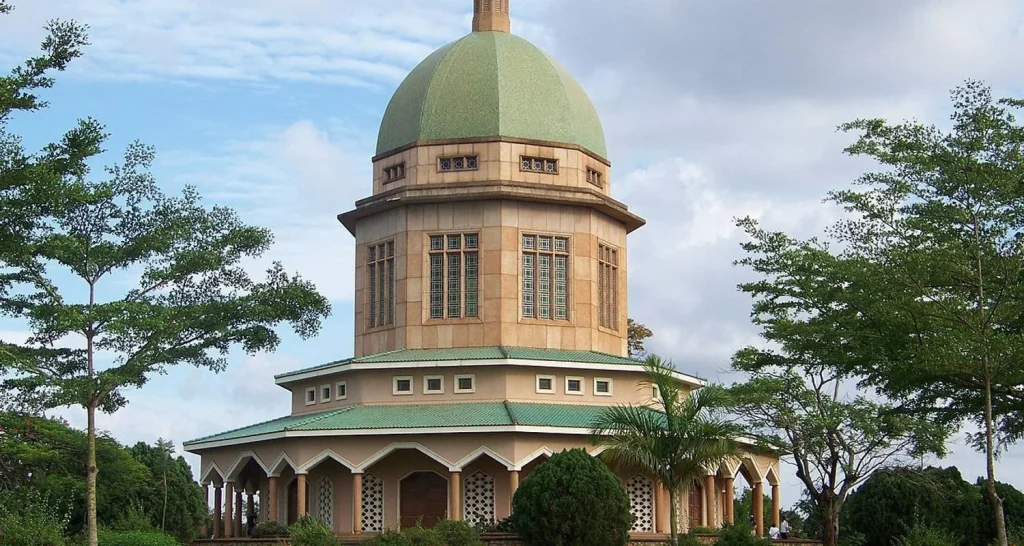
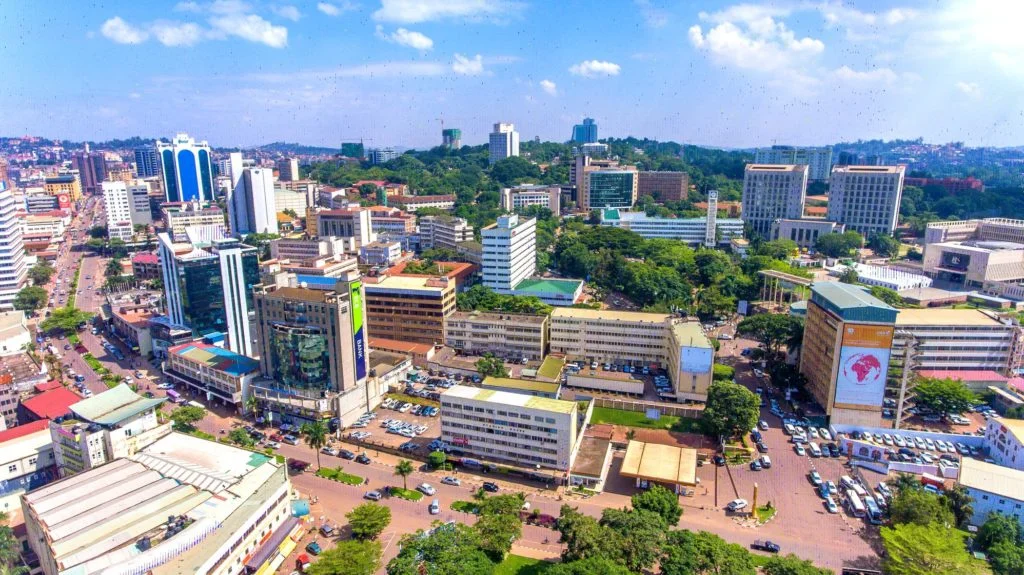
One day Kampala City Tour. You have one free day in Kampala. Perhaps you have just landed at Entebbe and your safari starts tomorrow, perhaps you have a late flight home after weeks in the national parks, or perhaps a conference has left you with a spare Saturday. Whatever brings you here, a one day Kampala city tour is the smartest way to turn those hours into a rich, memorable experience of Uganda’s capital.
In a single well-planned day, you can stand inside the thatched royal tombs of the Buganda kings, climb a minaret for the best view in the city, walk through the underground chambers where Idi Amin’s prisoners were held, pray or reflect at Africa’s most famous martyrs’ shrine, haggle in a market that never sleeps, and finish with drums and dance under the evening sky.
At Kenlink Tours, we run full-day Kampala tours almost every week. This guide shares the exact hour-by-hour itinerary our guides use, alternative themed versions for different interests, what is included, how to prepare, and how to fit the day into a wider Uganda trip.
Is One Day Enough to See Kampala?
Kampala is a large, sprawling city, and it would take weeks to know it well. But its most important landmarks are concentrated on a handful of hills within a few kilometres of each other, which makes a single day surprisingly effective. With a private vehicle, a guide who knows the shortcuts and an early start, you can comfortably visit six to eight major sites, enjoy a relaxed lunch and still have time for shopping or an evening cultural show.
The secret is planning. Kampala’s traffic is the biggest obstacle to sightseeing, so the order of stops matters. Our itinerary moves around the city in a logical loop, visits busy sites at quieter times, and avoids crossing the city centre during rush hour. If you prefer a slower pace, you can drop one or two stops and spend longer where you like.
Who Is a One Day Kampala City Tour For?
A full-day tour suits almost every kind of traveller:
- Arriving safari guests who want to shake off jet lag before heading to the parks.
- Departing travellers with an evening flight from Entebbe International Airport.
- Business travellers and conference delegates with a free day between meetings.
- Transit and layover passengers with enough time to leave the airport.
- Families looking for an educational, varied day out.
- Ugandan residents and expatriates who have never properly explored their own capital.
- School and university groups studying history, religion and culture.
For groups of any size, our group tours team can arrange buses or coasters, guides and entrance tickets for everyone.
Your One Day Kampala City Tour at a Glance
Here is the classic full-day route our guides follow, starting around 8:00 a.m. and finishing in the early evening:
- 8:00 a.m. – Hotel pickup in Kampala (or 7:00 a.m. from Entebbe)
- 8:30 a.m. – Kasubi Royal Tombs
- 9:45 a.m. – Uganda Museum
- 11:00 a.m. – Bulange, the Royal Mile and Mengo Palace with the Idi Amin chambers
- 12:30 p.m. – Uganda National Mosque and minaret climb
- 1:30 p.m. – Traditional Ugandan lunch
- 2:45 p.m. – Rubaga Cathedral
- 3:30 p.m. – Owino or Nakasero Market and craft shopping
- 4:45 p.m. – Namugongo Uganda Martyrs’ Shrines
- 6:00 p.m. – Return to your hotel, or continue to an evening cultural show
Times are approximate and can be adjusted to traffic, your energy levels and your interests. Let us walk through each stop.
8:00 a.m. – Hotel Pickup and Morning Briefing
Your day begins with pickup from your hotel by your guide-driver in a comfortable, air-conditioned vehicle. If you are staying in Entebbe, we start an hour earlier and use the Kampala–Entebbe Expressway to reach the city quickly.
On the drive, your guide gives a short introduction to Kampala: its origins as the “hill of the impala”, the seven hills that shaped its growth, the Buganda Kingdom and the city’s role as Uganda’s capital since independence in 1962. It is also the moment to tell your guide about any special interests, from photography and architecture to religion, food or history, so the day can be shaped around you.
8:30 a.m. – Kasubi Royal Tombs
Starting early at the Kasubi Tombs means you arrive before the heat and most visitors. This UNESCO World Heritage Site on Kasubi Hill is the burial place of four Kabakas (kings) of Buganda and one of the most important spiritual sites in the kingdom.
The great thatched house, Muzibu Azaala Mpanga, is an architectural marvel built entirely from natural materials: wooden poles, reeds, bark cloth and layers of thatch. After a fire in 2010, it was painstakingly reconstructed by traditional craftsmen. Inside, a site guide explains the burial customs of the Kabakas, the role of the royal widows who still tend the tombs, and the clan system that organises Baganda society.
Remove your shoes before entering the main house, and dress modestly; wraps are available for visitors who need them. Allow about an hour here.
9:45 a.m. – Uganda Museum
A short drive takes you to the Uganda Museum on Kira Road, founded in 1908 and the oldest museum in East Africa. Its galleries span archaeology, natural history, ethnography and traditional technology, giving you a quick overview of Uganda’s cultures before you see more of the city.
Highlights include the collection of traditional musical instruments, which visitors can sometimes play, royal regalia, hunting and farming tools, and fossils discovered in Uganda. Outside, replica homesteads from different regions show how communities across the country traditionally lived. Families with children particularly enjoy this stop. Plan for around an hour.
11:00 a.m. – The Bulange, the Royal Mile and Mengo Palace
Late morning is dedicated to the heart of the Buganda Kingdom. First, visit the Bulange, the kingdom’s parliament and administrative headquarters, a striking building with a clock tower and fountain. A guide explains how the Lukiiko (Buganda parliament) works and the symbolism of the kingdom’s many clans.
From the Bulange, a straight road known as Kabaka Anjagala, or the Royal Mile, runs directly to the Lubiri, Mengo Palace, the official residence of the Kabaka.
At the palace, you learn about the 1966 attack that forced Kabaka Mutesa II into exile and turned the palace into a military barracks. Under Idi Amin in the 1970s, an underground chamber in the grounds became a notorious prison and torture site. Today visitors can enter the dark, narrow chambers, where messages scratched by prisoners are still visible on the walls. It is a sobering but powerful part of Uganda’s story. Allow about an hour and a quarter for the Bulange and the palace together.
12:30 p.m. – Uganda National Mosque and Minaret Climb
Next, head to Old Kampala Hill and the Uganda National Mosque, widely known as the Gaddafi Mosque after the Libyan leader who funded its completion. One of the largest mosques in Africa, it is a place of worship as well as a landmark, with an elegant interior of stained glass, chandeliers and fine carpets.
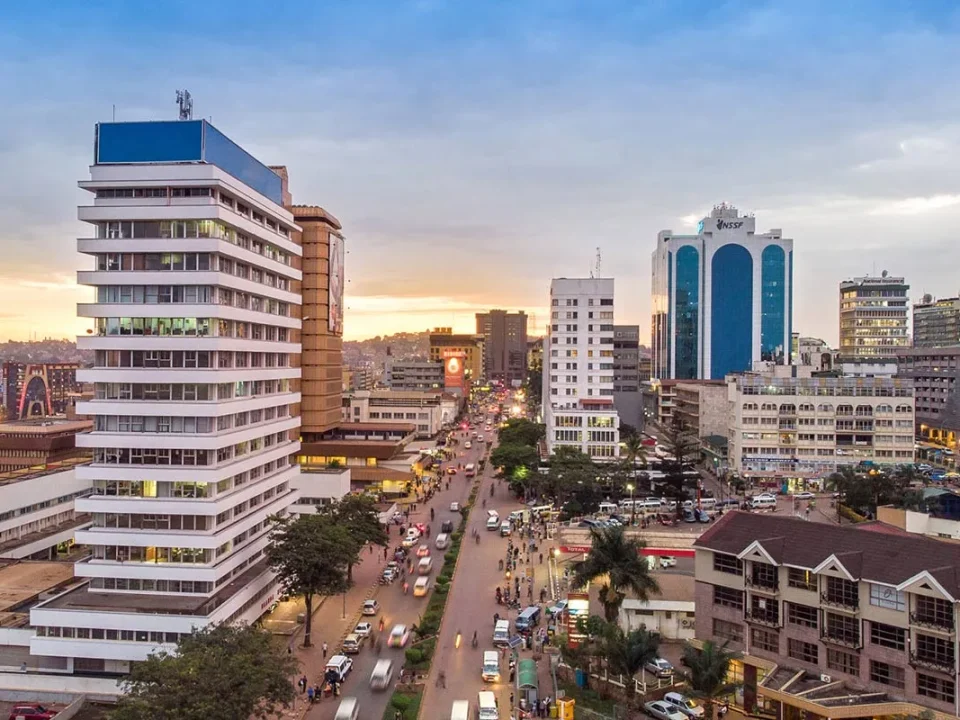
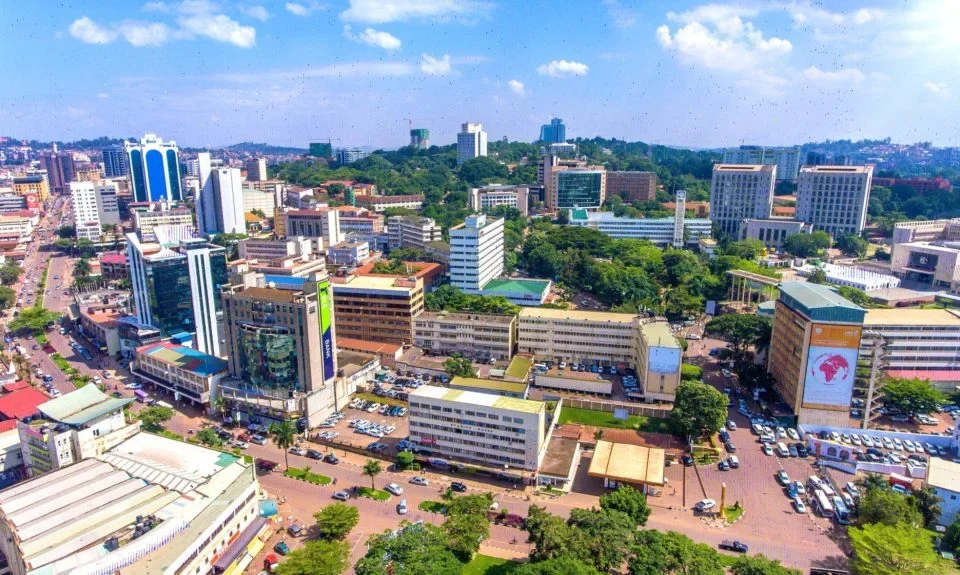
The highlight is the climb of around 300 steps up the minaret. At the top, Kampala spreads out in every direction: the green hills, the cathedrals of Rubaga and Namirembe, the high-rises of Nakasero and, on a clear day, the shimmer of Lake Victoria. It is the best place to photograph the city and understand its geography.
Visitors must dress modestly, and women are given headscarves and wraps at the entrance. On Fridays, visits are paused around midday prayers, so we adjust the itinerary accordingly.
1:30 p.m. – A Traditional Ugandan Lunch
By now you will have worked up an appetite. Lunch is at a local restaurant serving authentic Ugandan dishes, giving you a real taste of the country. Popular choices include matooke (steamed and mashed green bananas), luwombo (chicken, beef or groundnut sauce steamed in banana leaves, once a royal dish), posho, rice, beans, greens, groundnut sauce and grilled tilapia from Lake Victoria.
If you prefer, your guide can recommend restaurants serving international food, or you can try Uganda’s favourite street snack, the rolex, a chapati rolled with a vegetable omelette. Vegetarian and dietary requirements are easy to accommodate. Lunch is a relaxed hour to rest and ask your guide questions about life in Uganda.
2:45 p.m. – Rubaga Cathedral
After lunch, visit St. Mary’s Cathedral on Rubaga Hill, the seat of the Catholic Archdiocese of Kampala. Completed in the 1920s, the cathedral’s grand Romanesque facade and twin towers dominate the hill. Inside, stained-glass windows honour the Uganda Martyrs, and the grounds contain the resting places of Uganda’s first African bishop and of the first African Cardinal.
If you prefer, or have more time, you can visit St. Paul’s Cathedral on neighbouring Namirembe Hill instead, the oldest cathedral in Uganda and the seat of the Anglican Church. Both offer lovely views and explain the arrival and growth of Christianity in Buganda. Allow about 30 to 45 minutes.
3:30 p.m. – Markets and Craft Shopping
Mid-afternoon is time to experience everyday Kampala. Choose between two very different market experiences.
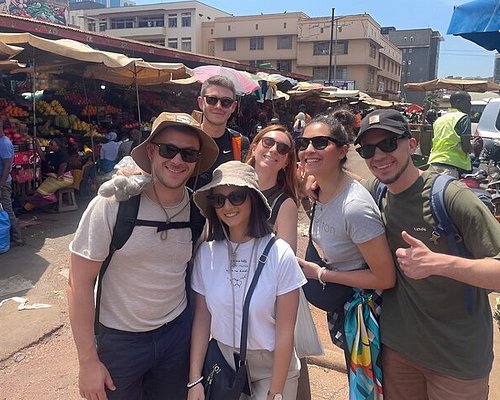
Owino Market (St. Balikuddembe): One of the biggest markets in East Africa, Owino is a dizzying labyrinth of stalls selling second-hand clothes, shoes, fabric, household goods and spices. It is loud, crowded and full of life. Your guide will lead you through safely; keep valuables secure.
Nakasero Market: A colourful food market piled high with pineapples, jackfruit, passion fruit, avocados, matooke and spices. It is easier to navigate and perfect for photographers and food lovers.
Afterwards, stop at a craft market to shop for souvenirs: bark cloth, woven baskets, paper-bead jewellery, wooden carvings, drums and kitenge fabrics. Prices are negotiable, so bargain with a smile. Allow about an hour.
4:45 p.m. – Namugongo Uganda Martyrs’ Shrines
End the afternoon at Namugongo, around 15 kilometres east of the city centre, where many of the Uganda Martyrs were burned alive in 1886 for refusing to renounce their Christian faith. The Catholic Basilica, shaped like a traditional African hut, stands on the spot where St. Charles Lwanga was martyred, and the Anglican shrine nearby tells the story of the Protestant martyrs.
The late afternoon light makes this a peaceful and reflective place to finish the day. Each year on 3 June, millions of pilgrims gather here for Martyrs’ Day, many having walked for days from across Uganda and neighbouring countries. Allow about 45 minutes.
6:00 p.m. – Return to Your Hotel or Evening Extras
After Namugongo, your guide drives you back to your hotel, or straight to Entebbe International Airport if you are catching an evening flight.
If you still have energy, extend your day with an evening at the Ndere Cultural Centre in Ntinda, where the Ndere Troupe performs traditional music and dance from Uganda’s many cultures, often with a buffet dinner. Alternatively, enjoy a sunset drink at a rooftop bar overlooking the city lights, or dinner at one of Kampala’s many excellent restaurants.
Themed One Day Kampala Tours
Not everyone wants the classic route. Here are four alternative one-day itineraries we often design for guests with particular interests.
Royal Buganda Heritage Day: Kasubi Tombs, Wamala Tombs on the outskirts of the city, the Bulange, Mengo Palace, the Royal Mile, a bark cloth-making demonstration and the Ndere Cultural Centre in the evening. Perfect for culture and history lovers.
Faith and Pilgrimage Day: Namugongo Catholic and Anglican shrines, Munyonyo Martyrs’ Shrine on Lake Victoria, Rubaga and Namirembe Cathedrals, the Uganda National Mosque, Kibuli Mosque and the Bahá’í House of Worship on Kikaya Hill. Ideal for pilgrims and anyone interested in Uganda’s religious diversity.
Food and Markets Day: Nakasero Market tasting tour, a rolex-making session, Owino Market, lunch of luwombo, a coffee-tasting experience featuring Ugandan Arabica and Robusta, roadside muchomo in the evening and a visit to a local brewery or juice bar.
Lake Victoria and City Day: Morning city highlights (Kasubi Tombs and the National Mosque), then the afternoon at Ggaba fishing landing, Munyonyo and a sunset boat cruise on Lake Victoria. A great choice for travellers who want city sights with a relaxed finish.
One Day Kampala Tour for Families
Travelling with children? We adapt the full-day tour to keep younger travellers engaged. Families often swap the Idi Amin chambers for the Uganda Museum’s hands-on instrument collection, add the Uganda Wildlife Conservation Education Centre in Entebbe to see lions, rhinos, giraffes and chimpanzees, and include more time at the craft market and a playful Ndere dance show. Shorter stops, snack breaks and a flexible pace keep the day enjoyable for everyone.
One Day Kampala Tour on Arrival or Departure Day
Many international visitors build a city tour into their arrival or departure day at Entebbe.
Arrival day: If your flight lands early in the morning, we collect you from the airport, take you to your hotel to freshen up and then begin a slightly shorter tour. Staying active and outdoors during the day is one of the best ways to beat jet lag.
Departure day: If your flight leaves in the evening, we collect you from your hotel with your luggage securely stored in the vehicle, complete a full day of sightseeing and drop you at Entebbe International Airport in plenty of time for check-in. We always build in a generous traffic buffer for airport transfers.
What Is Included in Our One Day Kampala City Tour?
Our full-day tours are private and tailor-made. A typical package includes:
- Pickup and drop-off at your hotel in Kampala, Entebbe or the airport
- A private, air-conditioned vehicle with fuel
- An experienced, English-speaking guide-driver for the full day
- Bottled drinking water
- A flexible itinerary adjusted to your interests and traffic conditions
Entrance fees to attractions, lunch, the evening cultural show and tips can be included in your package or paid on the day, according to your preference. You can read our booking and cancellation policies on the terms and conditions page. If you would rather design your own day with a driver, our car hire service offers vehicles with experienced Kampala drivers.
What to Wear and Bring on a Full-Day City Tour
A day in Kampala involves religious sites, markets, hills and plenty of sunshine, so dress practically and respectfully.
- Modest clothing: Cover shoulders and knees for the tombs, mosque and cathedrals. Long skirts, trousers and light scarves are ideal.
- Comfortable shoes: Easy to slip off at the tombs and mosque, and sturdy enough for markets and the minaret stairs.
- Sun protection: A hat, sunglasses and sunscreen.
- A light rain jacket or umbrella during the rainy seasons.
- Cash in Uganda shillings: For entrance fees, crafts, snacks and tips; small notes are best.
- A camera or phone with a charged battery, plus a power bank.
- A small daypack for water, purchases and a spare layer.
Photography Tips for Your Kampala Day Tour
Kampala is wonderfully photogenic, from royal architecture to market colour. A few tips will help you capture it respectfully.
The minaret of the National Mosque offers the best panoramic shots, ideally in the clear light of late morning. Markets are full of vibrant scenes, but always ask before photographing people, and be ready to accept a polite no. Photography may be restricted inside parts of the Kasubi Tombs and some religious buildings, so follow your site guide’s instructions. Avoid photographing military, police and government installations. Your guide can suggest the best viewpoints, including spots overlooking Lake Victoria and the city’s hills at sunset.
Practical Tips for a Smooth One Day Tour
Start early. An 8:00 a.m. start makes the biggest difference to how much you see.
Be flexible. Kampala’s traffic is unpredictable. Trust your guide to reorder stops when needed.
Plan around prayer and service times. The National Mosque pauses visits for Friday midday prayers, and cathedrals hold services on Sundays.
Stay hydrated. Kampala is warm and the minaret climb is steep, so drink plenty of water.
Keep valuables secure. In crowded markets, carry only what you need.
Respect local customs. Greet people warmly, ask before taking photos and follow dress codes at religious and cultural sites.
Learn a few Luganda words. “Oli otya?” (How are you?) and “Webale” (Thank you) always earn a smile.
Best Time of Year for a One Day Kampala City Tour
City tours run every day of the year. Kampala’s altitude keeps temperatures pleasant, usually between 22°C and 28°C. The drier months of June to August and December to February are the most comfortable for a full day outdoors. During the rainy seasons from March to May and October to November, showers usually arrive in the afternoon, so we front-load outdoor stops in the morning.
Visiting around 3 June lets you witness the extraordinary Martyrs’ Day pilgrimage at Namugongo, although the area is extremely crowded. Independence Day on 9 October and the Christmas season bring a festive atmosphere across the city.
Extending Your Trip Beyond Kampala
A one day Kampala city tour is often the first or last chapter of a bigger Uganda adventure. After the city, the country’s wild side is only a few hours away.
For primates, our 3-Day Chimpanzee Tracking Safari heads to Kibale, the forest described in this guide to Kibale Forest National Park; a similar trip is the 3 Days Chimpanzee Tour in Uganda. For mountain gorillas, consider our 3-Day Uganda Gorillas Safari or the 3 Days Uganda Gorilla Safari, and learn about the gorillas’ forest home in this guide to Bwindi Impenetrable National Park. More gorilla options are listed on this page of gorilla safaris.
For savannah wildlife, our 3 Days Queen Elizabeth National Park safari explores the park described in this overview of Queen Elizabeth National Park, while the 3 Days Safari to Murchison Falls takes you to the Nile’s most dramatic waterfall.
With more time, combine everything on our 5 Days Gorilla and Wildlife Safari, 7 Days Gorilla and Wildlife Safari or 10 Days Best of Primate and Culture tour, or compare the 7 Days Uganda Safari – One Week Tour and the 10 Days Uganda Primates and Wildlife. Culture lovers will enjoy our 4 Days Uganda Cultural and Gorilla Tour, and birders our 7-Day Birdwatching Safari in Uganda. Solo travellers can join our scheduled departure safari dates.
Heading on to Rwanda? Kampala pairs nicely with a day in Kigali City. For more inspiration, browse these wildlife safaris, the full list of East African safari destinations, or all our Uganda safaris.
Why Book Your One Day Kampala City Tour with Kenlink Tours
We are a Kampala-based company, and our guides grew up in this city. They know which roads to avoid at 5:00 p.m., where to find the best rolex, which site guides tell the most captivating stories and how to keep a full day running smoothly. Every tour is private, so you set the pace, and every itinerary is tailored to your interests.
Since 2010, we have welcomed travellers from around the world, and many begin or end their safaris with us in Kampala. We are licensed by the Uganda Tourism Board, and our guests consistently praise the friendliness and knowledge of our team. Learn more on our about us page, and discover the wider country on our about Uganda page.
Frequently Asked Questions About a One Day Kampala City Tour
What can I see in Kampala in one day?
In one day you can visit the Kasubi Tombs, the Uganda Museum, the Bulange and Mengo Palace with the Idi Amin chambers, the Uganda National Mosque, Rubaga Cathedral, a local market and the Namugongo Martyrs’ Shrines, with time for a traditional lunch.
What time does a one day Kampala city tour start and finish?
Most full-day tours start around 8:00 a.m. from Kampala hotels (7:00 a.m. from Entebbe) and finish around 6:00 p.m. Evening extensions such as a cultural show can run later.
Can I do a one day Kampala tour before my flight?
Yes. We can collect you with your luggage, complete the tour and drop you at Entebbe International Airport with plenty of time to check in for an evening flight.
Is lunch included in the one day tour?
Lunch can be included or paid on the day, depending on your preference. We usually stop at a local restaurant serving traditional Ugandan dishes.
Is a one day Kampala city tour suitable for children?
Yes. We adapt the itinerary for families, adding child-friendly stops such as the Uganda Museum and the wildlife education centre in Entebbe, and keeping the pace relaxed.
Do I need to book in advance?
We recommend booking at least a few days ahead, especially during busy periods such as Martyrs’ Day, Independence Day and the Christmas season, though we can often arrange last-minute tours.
Book Your One Day Kampala City Tour
One day is all it takes to understand why Kampala is the beating heart of Uganda. From royal tombs and sacred shrines to soaring minarets, bustling markets and vibrant music, a full-day city tour packs centuries of history and the energy of modern Africa into a single unforgettable experience.
Tell us your date, where you are staying, how many people are in your group and what interests you most, and we will design the perfect one day Kampala city tour for you.
Ready to explore? Contact Kenlink Tours today to book your one day Kampala city tour.