- EXPERT'S HELP
- +256789210067
- +256200955001
- info@kenlinktours.com


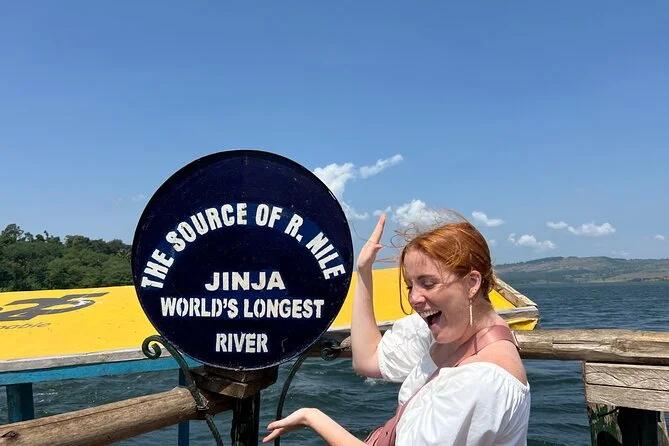
Kampala City Tour with Source of the Nile
October 13, 2026
Game Safari and Chimpanzee Tour in Queen Elizabeth NP
October 13, 2026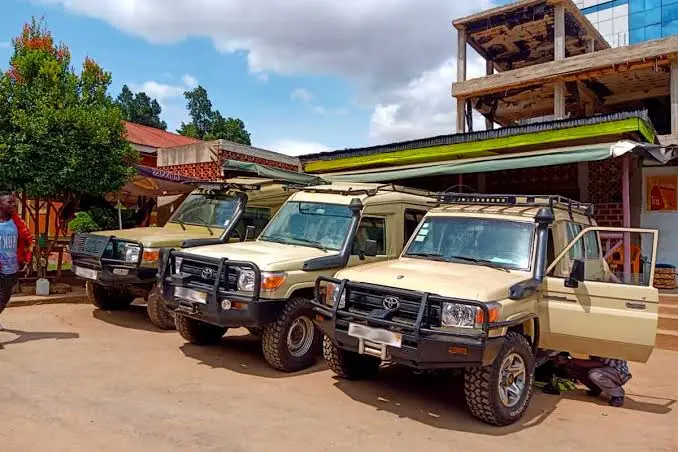
Safari Car Hire in Uganda. Uganda is one of the most rewarding countries in Africa to explore by road. Its national parks, rainforests, crater lakes and mountains are connected by scenic highways and adventurous dirt tracks, and having your own vehicle gives you the freedom to travel at your own pace. Whether you want to drive yourself or travel with an experienced local driver-guide, safari car hire in Uganda is a flexible and often cost-effective way to experience the Pearl of Africa.
At Kenlink Tours, we have provided reliable safari vehicles and professional driver-guides since 2010. In this complete guide, we explain the different types of safari vehicles, the pros and cons of self-drive versus hiring a driver, rental requirements, what is included, how much it costs, road conditions, driving rules, popular routes and practical tips. By the end, you will know exactly how to choose the right vehicle for your trip.
Why Choose Safari Car Hire in Uganda?
Freedom and flexibility: With your own vehicle, you decide when to start your day, how long to stay at a viewpoint and which detours to take. You are not tied to a fixed group schedule, which is ideal for photographers, birders and families.
Value for money: For groups of two to six people, hiring a vehicle can be more affordable than a fully packaged safari, especially if you book your own accommodation and activities. You only pay for what you use.
Access to remote areas: Many of Uganda’s best wildlife areas are reached by gravel or dirt roads. A proper 4×4 safari vehicle gives you safe access to places like the Ishasha sector of Queen Elizabeth, the northern bank of Murchison Falls and the steep roads to Bwindi’s gorilla sectors.
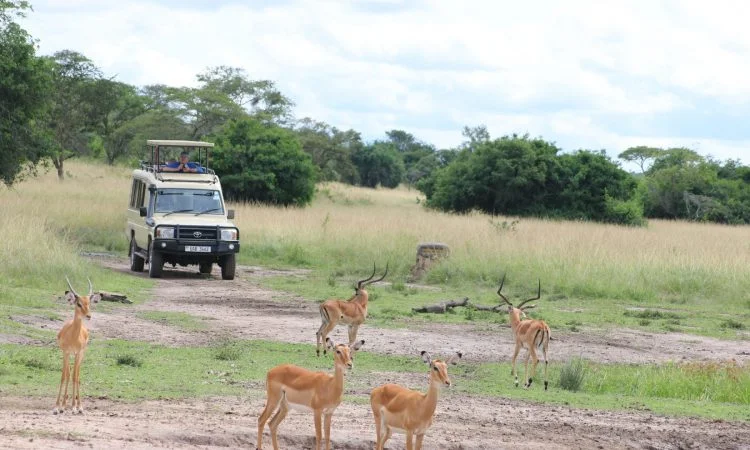
Better game viewing: Safari vehicles with pop-up roofs allow everyone to stand up and enjoy uninterrupted views and photographs of wildlife, something ordinary cars cannot offer.
Personalised travel: Car hire lets you build a trip around your own interests, combining gorillas, chimpanzees, game drives, birding, culture and relaxation in any order you like. Browse ideas for routes on our Uganda safari packages page.
Self-Drive or Car Hire with a Driver: Which Is Right for You?
One of the first decisions you will make is whether to drive yourself or hire a vehicle with a professional driver-guide. Both options have advantages.
Self-drive car hire is ideal for confident, experienced drivers who enjoy independence and adventure. You have complete control over your schedule and privacy, and you save on driver costs. However, you will need to navigate unfamiliar roads, handle traffic in Kampala, read road conditions and find wildlife yourself. Driving in Uganda can be challenging, especially on rough tracks or in rainy weather, so self-drive is best suited to people with some 4×4 or African driving experience.
Car hire with a driver-guide is the most popular choice for first-time visitors. Your driver handles all the driving, navigation and vehicle checks, allowing you to relax and enjoy the scenery. Our driver-guides are also trained in wildlife spotting, bird identification, Ugandan history and culture, and they know where animals are most likely to be found. They can help with park entry, permits, lodge check-ins and communication with local communities. The extra cost is usually small compared with the value they add to your safari.
Many travellers choose a combination: a driver-guide for the parks and remote areas, and self-drive for simpler stretches. Our team at Kenlink Tours car hire can help you decide which option best suits your experience and travel style.
Types of Safari Vehicles Available for Hire
Toyota Land Cruiser with pop-up roof: The classic safari vehicle in East Africa. Strong, reliable and built for rough roads, it comfortably seats up to six or seven passengers, each with a window seat. The pop-up roof provides excellent game viewing and photography. This is the best choice for serious wildlife safaris.
Extended Land Cruiser: A longer version of the Land Cruiser with extra seating and luggage space, ideal for larger groups or families with plenty of gear and camera equipment.
Toyota Land Cruiser Prado: A comfortable, powerful 4×4 suitable for small groups of up to four people. It handles both highways and dirt roads well and is popular for self-drive and business travel.
Toyota RAV4: A compact, fuel-efficient 4×4 ideal for couples or solo travellers on a budget. It works well on main roads and moderate tracks but has less space and ground clearance than a Land Cruiser.
Safari minivan (Super Custom): An affordable option for groups, often fitted with a pop-up roof. It is comfortable on tarmac and good gravel roads but less suitable for very rough or muddy tracks.
4×4 with rooftop tent: A Land Cruiser or Toyota Hilux fitted with one or two rooftop tents and full camping equipment, perfect for adventurous travellers who want to camp in or near the parks. These vehicles usually come with a fridge, cooking gear, chairs, a table and lighting.
Executive and city cars: For business trips, airport transfers and city travel, saloon cars and executive vehicles are also available.
How to Choose the Right Vehicle for Your Trip
The best vehicle depends on your group size, route, budget and travel style. Here is a simple guide to help you decide.
Solo travellers and couples on main routes: A Toyota RAV4 is affordable, fuel-efficient and comfortable for highways and moderate park tracks such as Lake Mburo and parts of Queen Elizabeth. If you plan to visit Bwindi or travel in the rainy season, consider upgrading to a Prado or Land Cruiser for extra ground clearance.
Small groups of three to four: A Land Cruiser Prado offers a good balance of comfort, power and space, with enough room for luggage and camera gear.
Families and groups of five to seven: A Land Cruiser with a pop-up roof is the best choice. Everyone gets a window seat, the roof lets all passengers stand for game viewing, and the vehicle handles any road condition.
Larger groups: An extended Land Cruiser or a safari minivan provides additional seating. For very large groups, we can arrange several vehicles travelling together in a convoy with experienced drivers.
Campers and adventurers: A 4×4 with a rooftop tent gives you the freedom to stay at campsites and enjoy the bush up close.
Photographers: A Land Cruiser with a pop-up roof offers the most stable shooting platform and the widest views, and fewer passengers mean more space for equipment.
What Is Included in Our Safari Car Hire?
Every vehicle we hire out is regularly serviced and checked before each trip. A typical Kenlink Tours car hire package includes:
- A well-maintained 4×4 vehicle suited to your route
- Comprehensive insurance (subject to terms and excess)
- Unlimited mileage within Uganda on most rentals
- A spare tyre, jack and basic tool kit
- A first aid kit and fire extinguisher
- A road map and route advice, with GPS on request
- 24/7 telephone support and roadside assistance
- An English-speaking professional driver-guide (if you choose this option), including their meals and accommodation
Optional extras include camping equipment, rooftop tents, coolers or fridges, child seats, cross-border paperwork, local SIM cards, airport pick-up and drop-off, and help booking accommodation, gorilla permits and activities. Fuel is usually not included and is paid as you travel.
Requirements for Hiring a Car in Uganda
To hire a self-drive vehicle in Uganda, you will usually need:
- A valid driving licence: Held for at least two years. An International Driving Permit is strongly recommended alongside your national licence.
- Minimum age: Drivers are usually required to be at least 23 to 25 years old, depending on the vehicle.
- Passport: A copy of your passport and visa for identification.
- Security deposit: A refundable deposit is normally required for self-drive rentals and returned after the vehicle is inspected.
- Signed rental agreement: Outlining the rental period, route, insurance cover and responsibilities.
If you hire a vehicle with a driver, these driving requirements do not apply to you. Please review our terms and conditions for full details on deposits, insurance, payments and cancellations.
How Much Does Safari Car Hire in Uganda Cost?
Car hire prices in Uganda depend on several factors:
- Type of vehicle: Land Cruisers cost more than RAV4s or minivans, but offer more comfort, space and off-road capability.
- Self-drive or with driver: Hiring a driver-guide adds a daily fee, which includes their allowance, meals and accommodation.
- Rental duration: Longer rentals often come with lower daily rates.
- Season: Rates may be higher during peak months such as July, August and December.
- Extras: Camping gear, rooftop tents, cross-border travel and airport transfers add to the total.
- Fuel: Fuel costs depend on your route and distance. Land Cruisers use more fuel than smaller vehicles.
For an accurate quote based on your dates, route and vehicle choice, contact our car hire team. We will reply within 24 hours with clear pricing and no hidden fees.
Best Time to Hire a Safari Car in Uganda
Safari car hire is available all year round, but the season can affect your driving experience. The dry seasons, from June to September and December to February, are the most popular. Roads are drier and easier to drive, wildlife gathers around water sources, and gorilla trekking trails are less muddy. Because demand is high, book your vehicle well in advance for these months.
The rainy seasons, from March to May and October to November, bring lush green scenery, fewer tourists and sometimes lower rates. However, dirt roads can become muddy and slippery, especially in the southwest and in parks such as Murchison Falls and Queen Elizabeth. During these months, a 4×4 Land Cruiser is strongly recommended, and many travellers choose a driver-guide for added safety.
Whatever the season, plan realistic daily driving distances, allow extra time for weather and road conditions, and always aim to reach your destination before dark.
National Park Fees and Permits When You Self-Drive
When you hire a car without a full safari package, you are responsible for paying park entrance fees, vehicle entry fees and activity permits. Uganda’s national parks are managed by the Uganda Wildlife Authority, which charges daily entry fees per person and per vehicle, with different rates for foreign non-residents, foreign residents and East African citizens.
Activities such as gorilla trekking, chimpanzee tracking, boat cruises, nature walks and night game drives require separate permits or tickets. Gorilla permits in particular must be booked months in advance, as they sell out quickly. You can visit parks such as Mgahinga Gorilla National Park for gorillas and golden monkeys, but only with a valid permit.
Many self-drive travellers ask us to book permits and accommodation on their behalf, which saves time and ensures availability. We can also add cultural experiences, such as those on our 4 Days Uganda Cultural and Gorilla Tour, to your self-drive route.
Road Conditions in Uganda
Uganda’s main highways, such as Kampala–Masaka–Mbarara, Kampala–Fort Portal, Kampala–Gulu and Kampala–Jinja, are generally paved and in good condition. However, potholes, speed bumps, livestock, pedestrians, bicycles and motorcycle taxis (boda bodas) are common, so careful driving is essential.
Roads to many national parks and lodges are gravel or dirt. These can be dusty in the dry season and muddy or slippery in the rainy season, especially in the hilly southwest around Bwindi and Kabale. A 4×4 vehicle with good ground clearance is strongly recommended for these routes.
Inside national parks, tracks range from smooth gravel to rough, rocky or sandy paths. Your vehicle’s 4×4 capability, along with patience and low speeds, will help you navigate safely.
Driving Rules and Tips for Uganda
Drive on the left: Uganda drives on the left-hand side of the road, and most vehicles are right-hand drive.
Follow speed limits: Speed limits are lower in towns and villages and higher on open highways. Watch for road signs, speed bumps and traffic police checkpoints. Inside national parks, much lower speed limits apply to protect wildlife.
Avoid driving at night: Driving after dark is not recommended due to poor lighting, pedestrians, animals and unlit vehicles. Plan your journeys to arrive before sunset. Driving in national parks at night is usually prohibited except on official night game drives.
Carry documents: Always carry your driving licence, International Driving Permit, passport copy, vehicle documents and rental agreement.
Watch for boda bodas: Motorcycle taxis are everywhere and can move unpredictably. Give them plenty of space.
Refuel often: Fuel stations are common along major highways but scarce in remote areas. Fill up whenever you can before heading into parks.
Respect wildlife: Stay on designated tracks, keep a safe distance from animals, never chase or block wildlife, and remain inside the vehicle unless in a designated area.
Stay connected: A local SIM card with data helps with navigation, communication and emergency support. Mobile coverage is good in most areas, though weaker inside some parks.
Popular Self-Drive and Car Hire Routes in Uganda
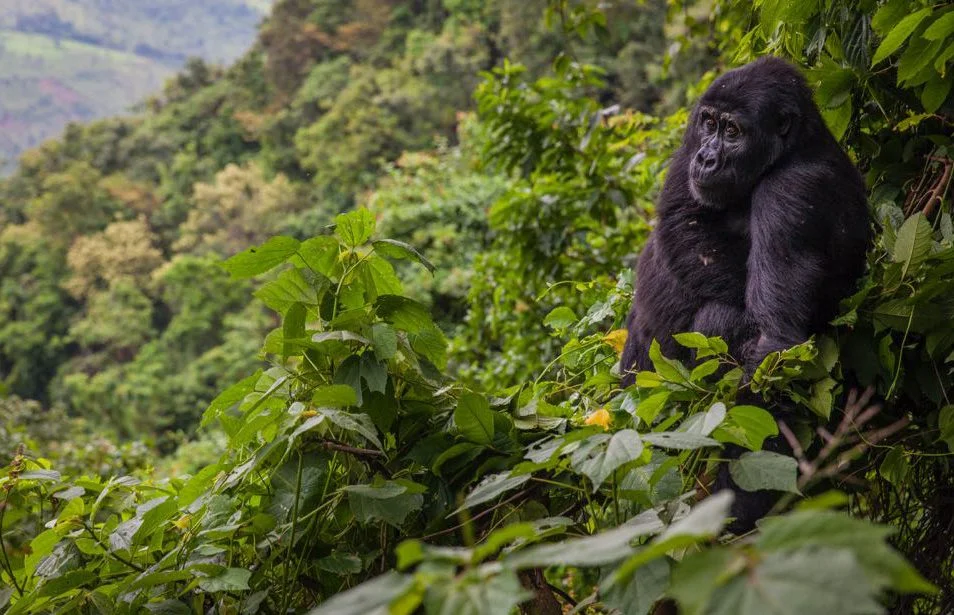
Gorilla trekking in Bwindi: Drive southwest from Kampala to Bwindi Impenetrable National Park, stopping at the Equator and Lake Mburo on the way. The final stretch to Bwindi’s sectors can be steep and challenging, so a 4×4 is essential. See our 3-Day Uganda Gorillas Safari for route ideas.
Queen Elizabeth National Park: A classic savannah drive to Queen Elizabeth National Park for game drives on the Kasenyi plains, the Kazinga Channel boat cruise and tree-climbing lions in Ishasha. Compare our 3 Days Queen Elizabeth National Park safari.
Murchison Falls: Head north to Murchison Falls National Park, stopping at Ziwa Rhino Sanctuary on the way. Enjoy game drives, a Nile boat cruise and the top of the falls. You can also compare the 3 Days safari to Murchison Falls.
Kibale and Fort Portal: Drive west to Fort Portal for crater lakes, tea estates and chimpanzee tracking in Kibale Forest National Park. See our 3-Day Chimpanzee Tracking Safari.
The Uganda grand circuit: For a complete adventure, combine Murchison Falls, Kibale, Queen Elizabeth, Bwindi and Lake Mburo in one loop of 10 to 14 days. Use our 10 Days Uganda Adventure Safari or 20-Day Wildlife and Nature in Uganda as a template, or compare the 10 Days Uganda primates and wildlife route.
Shorter road trips: For a one-week trip, the 7 Days Gorilla and Wildlife Safari and the 7 Days Uganda safari one-week tour are excellent routes to follow with a hired vehicle.
Sample Driving Times Between Key Destinations
- Entebbe to Kampala: about 1 hour (longer in heavy traffic)
- Kampala to Lake Mburo: about 4 hours
- Kampala to Murchison Falls: about 5 to 6 hours
- Kampala to Fort Portal / Kibale: about 5 to 6 hours
- Kampala to Queen Elizabeth: about 6 to 7 hours
- Kampala to Bwindi: about 8 to 10 hours
- Queen Elizabeth (Ishasha) to Bwindi (Buhoma): about 2 to 3 hours
- Bwindi (southern sectors) to Kigali: about 4 to 5 hours
These are approximate times and can vary depending on road conditions, weather, traffic and stops along the way.
Cross-Border Car Hire: Uganda to Rwanda and Kenya
Many travellers combine Uganda with Rwanda or Kenya. Our vehicles can cross into neighbouring countries with the right paperwork, including cross-border permits and regional insurance. This must be arranged in advance, so please let us know your full route when booking.
Popular cross-border trips include gorilla trekking in Uganda combined with Rwanda’s Volcanoes National Park, or a game drive in Akagera National Park. Explore our Rwanda safaris, 3-Day Akagera Game Drive Safari and Kenya safaris for ideas.
Arriving in Kigali? We can deliver vehicles to Kigali or arrange a pick-up there, which is often the fastest way to reach Bwindi. See our 2 Days Uganda Gorilla Safari Starting from Kigali.
Camping Car Hire in Uganda
For adventurous travellers, a 4×4 with a rooftop tent offers the ultimate freedom. You can camp at designated campsites inside or near national parks, waking up to the sounds of the bush and saving on accommodation costs.
Our camping vehicles typically include one or two rooftop tents with mattresses, sleeping bags or bedding, a fridge or cooler box, a gas stove, cooking utensils, plates and cutlery, camping chairs and a table, lighting and water containers. Popular campsites include those at Lake Mburo, Queen Elizabeth, Murchison Falls and near Bwindi.
Always camp only at official campsites, follow park rules, and check in advance whether campsites need to be booked, especially during busy periods.
Safety Tips for Self-Drive Safaris
- Plan your route in advance and share it with your car hire company
- Start early each day so you arrive before dark
- Inspect the vehicle before departure, including tyres, lights and fluids
- Keep doors locked and valuables out of sight in towns
- Carry enough water, snacks and a basic first aid kit
- Never leave the vehicle near wildlife unless in a designated area
- Contact your rental company immediately in case of breakdown or accident
- Use a local SIM card and keep emergency contacts handy
What to Pack for a Road Trip Safari in Uganda
- Driving licence, International Driving Permit and passport copies
- A phone holder, car charger and power bank for navigation
- Offline maps downloaded to your phone
- Binoculars and a camera with a zoom lens
- Reusable water bottles and snacks for long drives
- Light, neutral-coloured clothing for game drives and a warm layer for cool mornings
- Waterproof hiking boots and a rain jacket for gorilla or chimpanzee treks
- Sunscreen, sunglasses, a hat and insect repellent
- A small torch or headlamp
- Cash in Ugandan shillings for fuel, snacks and small purchases in rural areas
- Yellow fever certificate, travel insurance and any prescribed medication
Car Hire for Business Trips, Events and Airport Transfers
Safari vehicles are not only for wildlife trips. We also provide vehicles and professional drivers for business travel, conferences, weddings, film crews, NGOs, research teams and government delegations. Whether you need a single executive car for a day in Kampala or a fleet of 4x4s for a field project in remote areas, we can tailor a solution.
Airport transfers between Entebbe International Airport and Kampala, Entebbe hotels or Jinja are also available at any time of day or night. Our drivers monitor flight times, meet you at arrivals and help with luggage, making your arrival in Uganda smooth and stress-free.
Travelling solo and want company? Instead of hiring a vehicle alone, you can share costs by joining one of our group tours or scheduled departure safaris, which use the same comfortable safari vehicles and expert guides.
Why Hire a Driver-Guide for Your Safari?
Even experienced drivers often find that a local driver-guide transforms their safari. Our guides know the parks intimately, from the best tracks for lions to the trees where leopards rest. They can identify hundreds of bird species, explain animal behaviour and share stories about Uganda’s history and cultures.
Driver-guides also handle the practical side of travel: navigating busy Kampala traffic, dealing with park gates, checking road conditions, arranging permits and helping with lodge check-ins. This leaves you free to enjoy every moment. Birders will find a skilled guide especially valuable, and our 7-Day Birdwatching Safari in Uganda shows what an expert guide can add.
Common Mistakes to Avoid When Hiring a Car in Uganda
Choosing the wrong vehicle: A small car may look cheaper, but it can struggle on park roads and steep tracks. Match your vehicle to your route, not just your budget.
Underestimating driving times: Distances on the map can be misleading. Road conditions, traffic, police checkpoints and wildlife stops all add time, so plan shorter daily distances than you might at home.
Skipping the vehicle inspection: Always walk around the vehicle with the rental team before departure, noting any existing damage and checking tyres, lights and equipment.
Ignoring insurance details: Read your insurance cover carefully, including the excess amount and what is excluded, such as tyre damage or off-road driving outside designated tracks.
Booking too late: Quality 4×4 vehicles, especially Land Cruisers with pop-up roofs, are in high demand during peak seasons. Book early to secure the right vehicle.
Forgetting permits: A great vehicle is no use if your gorilla permit is sold out. Secure permits and accommodation at the same time as your car hire.
How to Book Safari Car Hire with Kenlink Tours
Step 1: Share your plans. Tell us your travel dates, number of travellers, preferred vehicle, route and whether you want self-drive or a driver-guide.
Step 2: Receive a quote. We send you a clear, detailed quote and suggested route within 24 hours.
Step 3: Confirm and pay a deposit. Once you are happy, confirm your booking with a deposit. We can also help with accommodation, gorilla permits and activities.
Step 4: Collect your vehicle. We deliver your vehicle to Entebbe International Airport, your hotel in Kampala or another agreed location, and give you a full briefing.
Step 5: Enjoy your safari. Our team is available 24/7 throughout your trip for support and advice.
Ready to start? Visit our car hire page or send us an enquiry.
Why Choose Kenlink Tours for Safari Car Hire?
Experience since 2010: We are a Kampala-based company with more than a decade of experience in safaris and vehicle rental.
Well-maintained fleet: Our vehicles are regularly serviced and thoroughly checked before every trip.
Professional driver-guides: Our guides are experienced, friendly, safety-conscious and passionate about Uganda.
Flexible packages: Self-drive, driver-guide, camping, cross-border and airport transfer options to suit every traveller.
Full safari support: We can arrange gorilla permits, lodges and activities, or combine your car hire with a full itinerary such as our 5-Day Wildlife and Gorilla Safari.
Responsible tourism: We support local communities and vulnerable children through our foundation. Learn more on our About Us page and in our guide About Uganda. You can also explore the safari ideas of our partners at Pick and Transfer Safaris, or browse these Uganda and Rwanda wildlife safaris and gorilla safaris for route inspiration.
Frequently Asked Questions About Safari Car Hire in Uganda
Is it safe to self-drive in Uganda?
Yes, for experienced and careful drivers. Main roads are generally good, but you should avoid night driving, watch for boda bodas and pedestrians, and use a 4×4 for park roads. First-time visitors often prefer hiring a driver-guide.
Do I need a 4×4 for a Uganda safari?
A 4×4 is strongly recommended, especially for routes to Bwindi, Ishasha, Murchison Falls and other parks with gravel or dirt roads. Saloon cars and minivans are fine for Kampala and main highways only.
Can I use my foreign driving licence in Uganda?
You can drive with a valid foreign licence for a limited period, but an International Driving Permit is strongly recommended and may be required by rental companies.
Is fuel included in the car hire price?
Fuel is usually not included. You pay for fuel as you travel, which keeps the rental price fair and transparent.
Can I take a hired car from Uganda to Rwanda?
Yes, with prior arrangement. We prepare the necessary cross-border documents and insurance, so let us know your full route when booking.
What happens if the car breaks down?
Our 24/7 support team will help immediately. Depending on the location and problem, we arrange repairs, a mechanic or a replacement vehicle as quickly as possible.
Book Your Safari Car Hire in Uganda Today
Safari car hire in Uganda opens up a world of adventure, giving you the freedom to explore gorillas, chimpanzees, savannah parks, waterfalls and crater lakes at your own pace. Whether you choose a rugged Land Cruiser with a pop-up roof, a rooftop tent camping vehicle or a comfortable 4×4 with an expert driver-guide, the right vehicle will make your journey safer, easier and far more memorable.
Ready to hit the road? Let the team at Kenlink Tours match you with the perfect safari vehicle and route. Send us your enquiry today, and we will reply within 24 hours with a tailor-made quote.