- EXPERT'S HELP
- +256789210067
- +256200955001
- info@kenlinktours.com


Two Days Gorilla Trekking in Mgahinga Starting from Kigali
June 2, 2026
Uganda Safaris landing in Kigali
June 13, 2026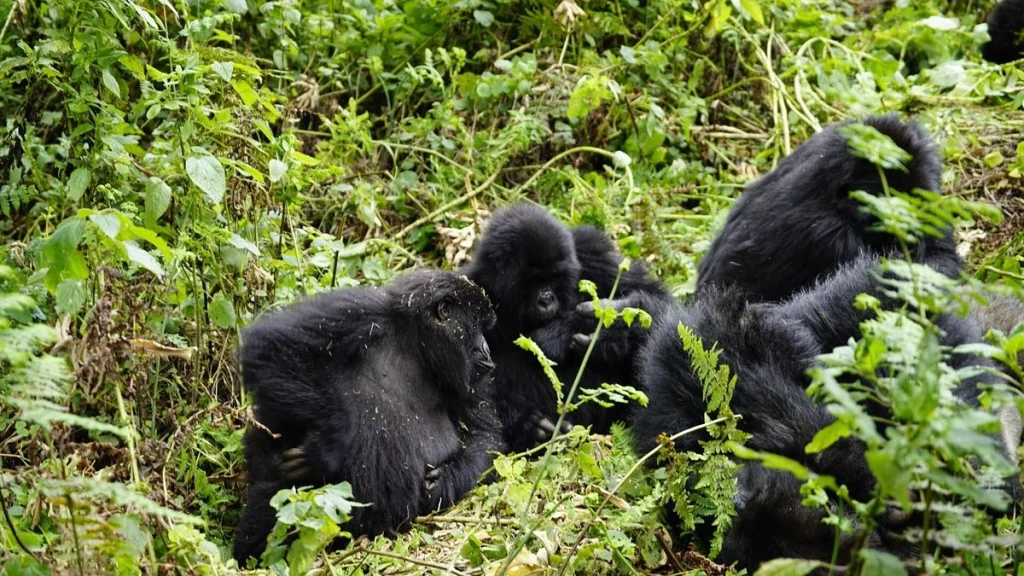
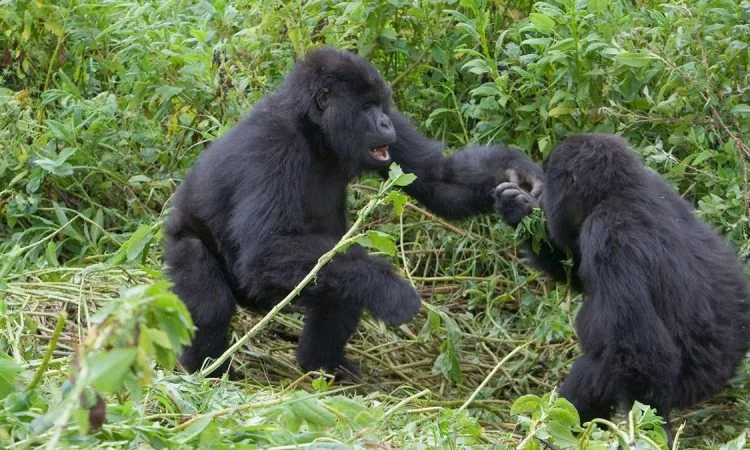
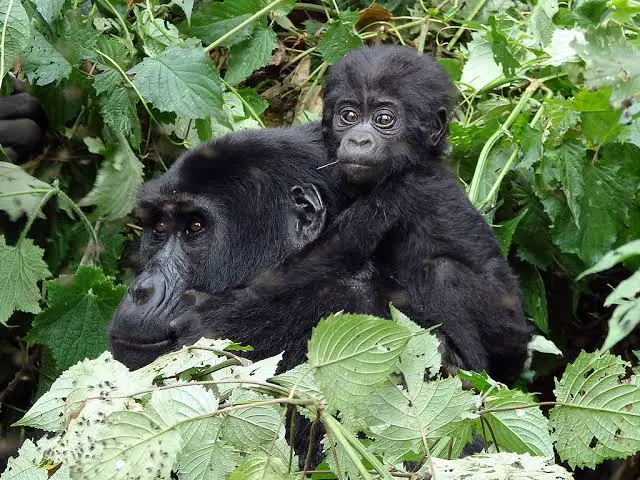
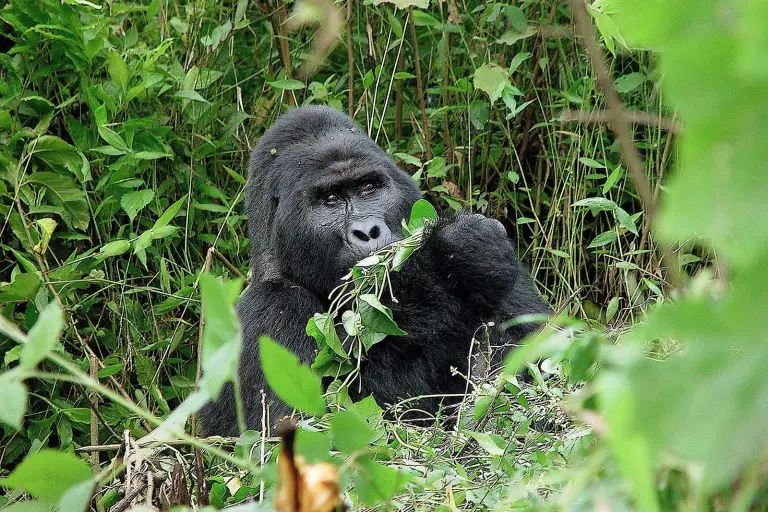
Landing in Kigali for Bwindi Gorilla Trekking. There is a moment, somewhere on the road between Kigali and the Ugandan border, when the landscape shifts so profoundly that you realize you are not simply travelling between two countries — you are travelling towards something rare. The mist thickens, the hills steepen, the roadside vegetation grows denser and more ancient, and the anticipation of what lies ahead — a face-to-face encounter with one of Earth’s last mountain gorillas — becomes almost unbearable. It begins, for thousands of travellers every year, with a landing at Kigali International Airport.
Kigali has quietly become one of Africa’s most strategic entry points for gorilla trekking in Uganda’s legendary Bwindi Impenetrable National Park. Far from being a compromise routing, flying into Rwanda’s capital and driving to Bwindi is now widely regarded as the gold standard approach — saving time, money, and the exhaustion of longer overland transfers. Here is everything you need to know from the moment your wheels touch down to the moment you stand in the forest.
Why Kigali Is the Smartest Gateway to Bwindi
Rwanda’s capital sits just 4 to 5 hours by road from the southern sectors of Bwindi Impenetrable National Park, compared to 9 or more hours from Uganda’s own Entebbe International Airport. The roads connecting Kigali to the Ugandan border are well-maintained, scenic, and reliably driveable year-round — a smooth ribbon of tarmac winding through Rwanda’s famous thousand hills. For travellers with limited time who want to maximise their days in the forest rather than in a vehicle, the Kigali gateway simply makes sense.
There is also a compelling financial argument. Uganda gorilla trekking permits currently cost USD $800 per person for foreign non-residents — still significantly more affordable than Rwanda’s equivalent permit, which sits at USD $1,500. When you factor in the shorter transfer and the same quality of encounter — one extraordinary hour with a habituated mountain gorilla family — trekking in Uganda via Kigali offers outstanding value. At Kenlink Tours, we help travellers combine this routing with broader Uganda safari experiences, from chimpanzee trekking in Kibale to game drives in Queen Elizabeth National Park, creating journeys that are far greater than the sum of their parts.
Arriving at Kigali International Airport
Kigali International Airport (KGL) is one of the most traveller-friendly airports in East Africa. The arrivals process is efficient, the terminal is modern and well-organised, and visa-on-arrival is available for most nationalities. If you are a citizen of a country eligible for the East African Tourist Visa — a single visa covering Rwanda, Uganda, and Kenya — applying in advance via the official irembo.gov.rw portal is recommended and will save time at immigration.
One critical note: regardless of your nationality, a valid Yellow Fever Vaccination Certificate is a non-negotiable requirement for entering Uganda from Rwanda. Ensure this is in your travel documents before departure from home, as the border crossing will require it. Your Kenlink Tours driver-guide will meet you in the arrivals hall with your name on a sign, and from that moment, the logistics of your journey are in expert hands.
Note also that Uganda is one hour ahead of Rwanda. If you depart Kigali at 7:00 AM, it is already 8:00 AM in Uganda — a detail that matters when timing lodge check-ins and evening gorilla trekking briefings.
The Drive to Bwindi: Two Border Crossing Options
From Kigali, there are two primary border crossing routes used for gorilla trekking transfers, each serving different sectors of Bwindi.
The Cyanika / Kisoro border is the most popular crossing for travellers heading to Bwindi’s northern sectors — Buhoma and Ruhija. From Kigali, the drive passes through Musanze (the gateway to Volcanoes National Park), crosses into Uganda at Cyanika, and continues through Kisoro town to Bwindi. This route offers remarkable scenery, including views of the Virunga Volcanoes rising dramatically above the landscape.
The Katuna / Gatuna border serves travellers heading to Bwindi’s southern sectors — Rushaga and Nkuringo, both of which are geographically closest to Rwanda. Uganda’s visa at the border costs USD $50 for most nationalities, payable on arrival or in advance online through the Uganda e-visa portal. The crossing itself typically takes no more than 30 to 45 minutes with a professional operator handling the paperwork.
Our Uganda safari packages are designed around both routing options, and our team will advise which border crossing is most appropriate depending on which gorilla trekking sector your permits are allocated to.
Gorilla Trekking Permits: Book Early, Book Smart
Gorilla trekking permits for Bwindi Impenetrable National Park are issued by the Uganda Wildlife Authority (UWA), the government body responsible for Uganda’s parks and wildlife. A maximum of eight permits is issued per habituated gorilla group per day, and with over 25 habituated groups across Bwindi’s four sectors, daily availability across the park exceeds 200 permits. However, during peak season — June to September and December to February — demand far outstrips supply, and permits routinely sell out six months or more in advance.
At Kenlink Tours, securing your gorilla permit is something we handle as part of your wider gorilla trekking safari package. We procure permits directly through UWA on your behalf, matching them to your chosen trekking date and sector. You will need to provide your full name, nationality, and passport number — and a copy of your passport. We do not charge additional handling fees for permit procurement when you book your full tour with us.
It is worth knowing that for travellers who want a deeper encounter, the Gorilla Habituation Experience in Bwindi’s Rushaga sector allows up to four hours with a semi-habituated gorilla family — a profoundly immersive option available to just four visitors per day, at a higher permit cost.
What to Pack for Your First Morning in the Forest
The gorilla trek itself demands thoughtful preparation. Bwindi’s terrain is steep, the vegetation is genuinely impenetrable in places, and the forest can be both warm and very wet within the same morning. Long-sleeved shirts and long trousers protect against stinging nettles and insects; waterproof hiking boots with ankle support are essential; and a rain poncho or packable jacket should always be in your daypack.
Bring a small supply of energy snacks, a litre of water, sunscreen, and insect repellent. Your camera — without flash — will be one of your most important companions for the hour you spend with the gorilla family. Binoculars are useful for spotting birds on the trail. A sturdy walking stick, often provided at the trek briefing point, is warmly recommended for the return descent.
For those concerned about the physical demands of trekking, porters are available for hire at the trailhead — they carry bags, provide support on steep terrain, and are a direct source of income for local communities living around the park. Hiring a porter is one of the most meaningful ways to contribute to the communities that make gorilla conservation possible.
Combining Bwindi with a Broader Uganda Safari
For many travellers, the gorilla encounter is the centrepiece of a wider Uganda journey. From Bwindi, the road opens northward to Queen Elizabeth National Park — home to tree-climbing lions, the Kazinga Channel boat cruise, and extraordinary diversity across savannah, wetland, and forest habitats. Further north still lies Kibale Forest National Park, Africa’s premier destination for chimpanzee trekking, and beyond that, the thundering spectacle of Murchison Falls. Our group tours and private safari options connect all of these destinations in seamlessly planned itineraries, with Kigali transfers both at the start and end.
Whether you have three days or three weeks, whether you are travelling solo or with a group, the journey to Bwindi begins the same way: a landing in Kigali, a meeting with your guide, and the open road leading south-west through some of the most beautiful landscape on the African continent. The gorillas are waiting. Get in touch with the Kenlink Tours team to start planning your safari today.