Managing Expectations for Your Gorilla Safari Adventure. A gorilla safari is one of the most powerful wildlife experiences on Earth. Standing a few meters away from a mountain gorilla family in their natural forest habitat is unforgettable. However, it is not a typical sightseeing tour. Understanding what the experience truly involves helps you prepare physically, mentally, and emotionally for a rewarding and responsible adventure.
Gorilla Trekking Is an Active Forest Hike, Not a Zoo Visit
Many travelers imagine gorilla trekking as a short, easy walk to a fixed viewing point. In reality, gorillas move freely through dense rainforest, and rangers track them each morning. This means your trek could take one hour or several hours, depending on where the gorilla family nested the previous night.
The terrain can be steep, muddy, and slippery, with thick vegetation and uneven ground. You may need to climb hills, cross small streams, or push through vines and shrubs. A moderate level of fitness is important, and a positive attitude goes a long way when the trail becomes challenging.
There Are No Guarantees on Trekking Time or Difficulty
Every gorilla trek is different. Some visitors reach their gorilla group in under an hour, while others hike for four or more hours before finding them. Weather conditions, gorilla movement, and forest terrain all affect the duration and difficulty of the trek.
It is important to start the day mentally prepared for a long hike. Seeing gorillas in the wild is a privilege, not a staged performance, and the unpredictability is part of what makes the experience authentic and special.
The One-Hour Gorilla Viewing Rule Is Strict
Once you find the gorillas, you are allowed to spend a maximum of one hour with them. This rule exists to reduce stress on the animals and minimize the risk of disease transmission from humans to gorillas, who share much of our DNA and are vulnerable to human illnesses.
Although one hour may sound short, it is usually more than enough time to observe their behavior, take photographs, and simply absorb the moment. Most visitors find that time feels longer than expected because the experience is so intense and memorable.
Weather Conditions Can Be Unpredictable
Mountain gorillas live in high-altitude rainforests where weather changes quickly. Even during dry seasons, rain showers are common. Trails can become muddy and slippery within minutes, and temperatures are often cool in the morning before warming later in the day.
Expect to get a little wet and dirty. Waterproof clothing, good hiking boots, and a sense of humor about mud are essential. Viewing the trek as part of the adventure rather than an inconvenience makes the experience much more enjoyable.
Physical Fitness Matters More Than Age
There is a minimum age requirement for gorilla trekking, but there is no strict upper age limit. What matters most is your general health and mobility. You should be able to walk for several hours on uneven terrain and manage inclines and descents.
If you have concerns about your fitness level, you can request a gorilla family that is known to range in areas closer to the park headquarters, although this cannot be guaranteed. Hiring a porter to carry your bag and offer support on steep sections can also make the trek easier and supports the local community.
Gorillas Are Wild Animals, Not Performers
Mountain gorillas are generally calm and accustomed to human presence, but they are still wild animals. They may move suddenly, beat their chests, vocalize loudly, or change direction without warning. These behaviors are usually normal communication within the group.
Your guide will explain how to behave around the gorillas, such as keeping a safe distance, avoiding direct eye contact for long periods, and moving slowly. Following instructions carefully ensures your safety and helps maintain a peaceful encounter for the gorillas.
Photography Can Be Challenging
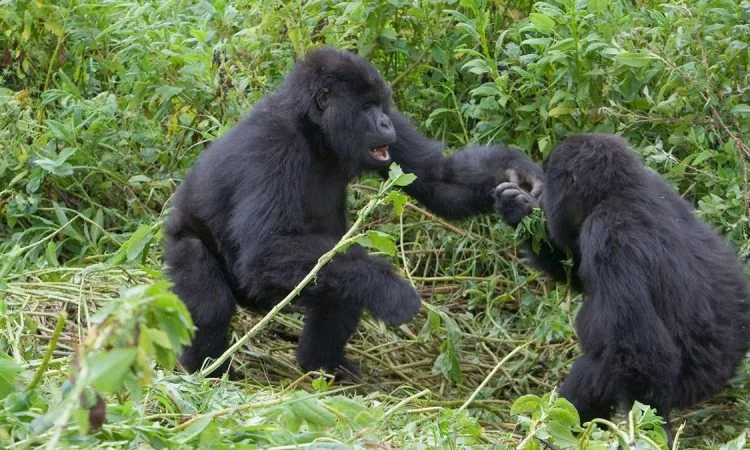
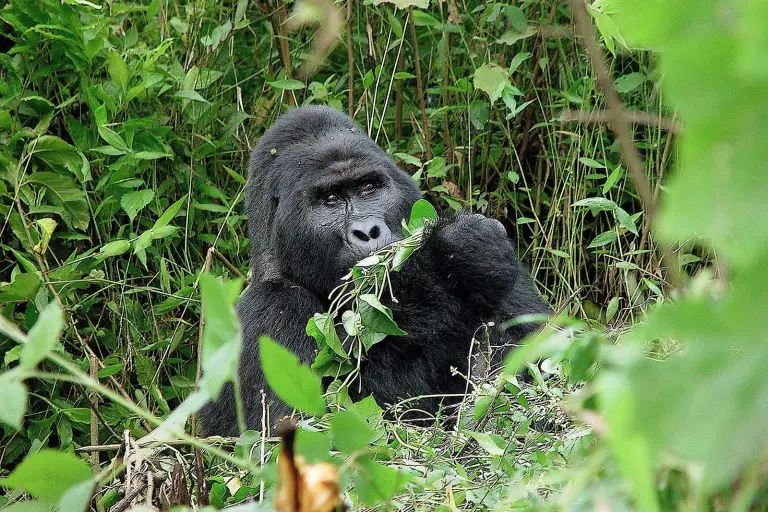
Photographing gorillas in the forest is not always easy. Lighting conditions are often low because of the dense canopy, and the gorillas may be partially hidden by vegetation. Fast movements, especially from playful juveniles, can also make it tricky to capture perfect shots.
Bring a camera that performs well in low light, and avoid using flash, which is not allowed. At the same time, remember to put the camera down occasionally and simply watch. Some of the most meaningful moments are those experienced directly, not through a lens.
You May Not See Every Gorilla in the Family
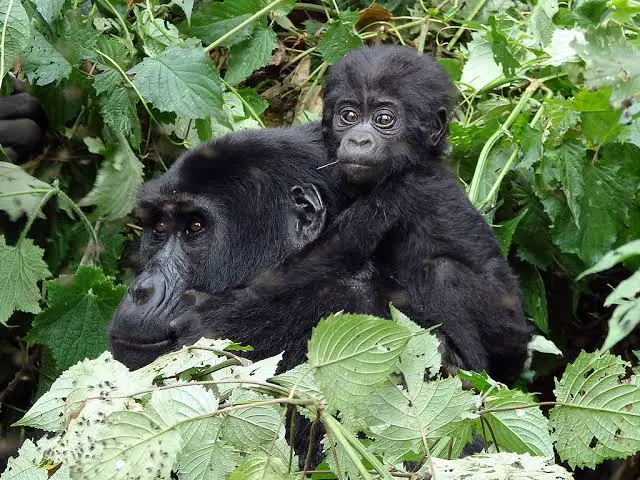
Gorilla families can include more than ten individuals, but they do not always stay close together. Some may be resting in thick vegetation, feeding higher up a slope, or partially hidden behind foliage. You might have clear views of some members and only brief glimpses of others.
Even limited views can be powerful. Watching a mother groom her baby, a silverback calmly observing the group, or juveniles playing in the undergrowth creates lasting memories, even if every individual is not fully visible.
Conservation Rules Must Be Taken Seriously
Before trekking, you will receive a briefing about park rules designed to protect the gorillas and their habitat. These include maintaining a safe distance, not touching the gorillas, not littering, and staying home if you feel sick. Rangers may deny trekking to anyone showing signs of illness to protect the gorillas from infection.
These rules are not just formalities. Gorilla tourism plays a major role in funding conservation and supporting local communities. Respecting regulations helps ensure that future generations can also experience these incredible animals in the wild.
Cultural and Community Aspects Are Part of the Experience
A gorilla safari is not only about wildlife. Many of the areas surrounding gorilla parks are home to local communities with rich cultures and traditions. You may have the opportunity to visit community projects, cultural centers, or local villages.
Managing expectations means understanding that these visits are not staged shows but real interactions that should be approached with respect and curiosity. Learning about local life adds depth to your safari and helps you appreciate how tourism supports conservation and livelihoods.
Travel Logistics Can Be Long but Scenic
Gorilla parks are located in remote, mountainous regions. Reaching them often involves long drives on winding roads. While the journeys can be tiring, they usually pass through beautiful countryside with rolling hills, farmland, and small villages.
Instead of focusing only on the travel time, view the journey as part of the adventure. These drives offer a glimpse into rural life and stunning landscapes that many visitors would otherwise never see.
The Emotional Impact May Surprise You
Many travelers expect gorilla trekking to be exciting, but they are surprised by how emotional the experience can feel. Being so close to a wild gorilla family, watching their human-like expressions and interactions, often creates a deep sense of connection and humility.
Some visitors feel overwhelmed, others reflective and quiet. There is no “right” way to feel. Allow yourself to be present and experience the moment naturally, without pressure to react in a certain way.
It Is a Privilege, Not a Luxury Activity
A gorilla permit can be expensive, and the trek can be physically demanding, but the experience is rooted in conservation, not luxury. Conditions in the forest are basic, and the focus is on protecting wildlife rather than providing comfort.
Managing expectations means understanding that the true reward is not comfort, but the rare opportunity to share space with one of the world’s most endangered primates in their natural environment.
Flexibility Leads to a Better Experience
Weather delays, schedule changes, or unexpected trek durations are all possible. Approaching your safari with flexibility and patience will make a huge difference. The more adaptable you are, the more you will enjoy each part of the journey.
Gorilla trekking is about stepping into nature on nature’s terms. When you accept this, every muddy trail, steep climb, and quiet forest moment becomes part of a story you will tell for the rest of your life.
Booking Gorilla Safari with Kenlink Tours
At Kenlink Tours, we specialize in organizing seamless gorilla safaris in both Rwanda and Uganda. Whether you prefer a luxury short escape or an extended wildlife adventure, we help you plan the perfect journey tailored to your needs.
Would you wish to make a booking for a gorilla or wildlife safari, you may contact our 24/7 team on emails: info@kenlinktours.com or inquiries@kenlinktours.com for a better planning and memorable safari experience.
 +256 789 210067