- EXPERT'S HELP
- +256789210067
- +256200955001
- info@kenlinktours.com


4 Days Rwanda Burundi Cultural Safari
February 24, 2026
Local Tour Operators in Uganda and Rwanda
February 27, 2026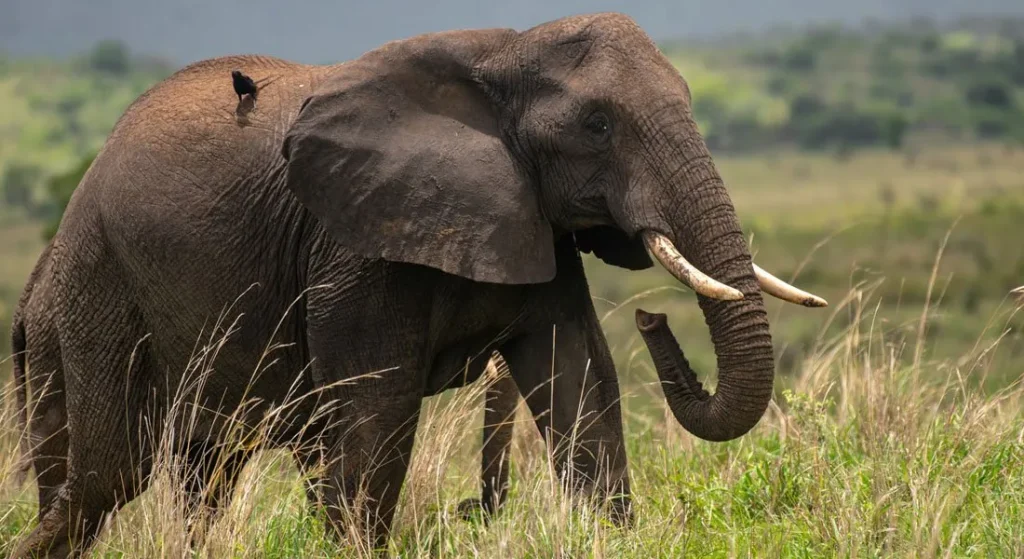
The Big Five Safari in Uganda . Uganda has long been celebrated for its remarkable biodiversity, lush landscapes, and extraordinary wildlife experiences. While the country is world famous for mountain gorillas and chimpanzees, it is also an inspiring destination for classic Big Five safari adventures—where travelers set out to see lions, elephants, leopards, buffaloes, and rhinos in their natural habitats. In this blog, we’ll explore what makes a Big Five safari in Uganda special, the best places to see these animals, travel tips, and a sample tour package to help you plan your dream African adventure.
What Is the Big Five, and Why Safari in Uganda?
The term Big Five originally comes from big-game hunters and refers to the five most difficult animals in Africa to hunt on foot: lion, leopard, elephant, buffalo, and rhinoceros. Today, it’s used by safari travellers to signify iconic wildlife sightings that define the ultimate African safari experience.
Uganda presents a unique take on this classic safari tradition. Although rhinos were once extinct in the wild here due to poaching, successful conservation efforts have brought them back at the Ziwa Rhino Sanctuary, completing Uganda’s Big Five circuit. Combined with outstanding sightings of lions, elephants, leopards, and buffalo in various national parks, Uganda offers a rich yet less crowded safari experience compared to some other East African destinations.
Exploring the Big Five — Where to See Them in Uganda
Uganda’s diverse landscapes—ranging from savannah plains and forest edges to wetlands and riversides—are home to each member of the Big Five. Here’s a breakdown of where to find them:
1. Lions — The Kings of the Savannah
Lions are one of the most iconic Big Five animals you can encounter in Uganda. They roam several parks but are particularly famous in the Ishasha sector of Queen Elizabeth National Park for their rare habit of climbing fig trees. These tree-climbing lions make for unforgettable sightings. Lions are also seen in Murchison Falls National Park and Kidepo Valley National Park across open plains and riverine corridors.
2. Elephants — Gentle Giants of the Wild
Elephants are widespread across Uganda’s national parks and are a highlight of any safari. In Murchison Falls National Park, large herds often gather along the Nile River, offering stunning photographic moments during both game drives and boat safaris. Queen Elizabeth National Park also boasts excellent elephant sightings near the Kazinga Channel and around crater lakes, while Kidepo’s dry-season watering holes attract roaming elephant families.
3. Leopards — Elusive and Majestic Cats
Leopards are famed for their stealth and solitary nature, making them more challenging to spot than other Big Five species. With patience and good timing—especially early mornings and late evenings—you can find leopards in Murchison Falls, Queen Elizabeth, and Kidepo Valley National Parks. They often rest in trees or weave silently along woodland edges, blending into the shadows.
4. Buffalo — Strong and Unpredictable
Buffalo herds are among the most consistently seen Big Five animals on safari. Huge groups graze in savannah grasslands, wetlands, and near water sources. Buffalos are highly social but unpredictable, making them one of the most respected animals by safari guides. Murchison Falls and Queen Elizabeth National Park are excellent spots to encounter buffaloes, often in large herds peppered with other plains game such as antelope and zebra.
5. Rhinos — Conservation Success at Ziwa
Rhinos are the jewel of Uganda’s Big Five experience. Once poached to local extinction, southern white rhinos have been successfully reintroduced at the Ziwa Rhino Sanctuary, located between Kampala and Murchison Falls. Guided walking safaris here allow visitors to track rhinos on foot—an intimate encounter that feels closer to nature than traditional vehicle game drives.
Other Wildlife and Natural Wonders to Expect
While the Big Five headline the safari experience, Uganda’s wildlife diversity goes far beyond these five.
-
Hippos and crocodiles along rivers and lakes.
-
Giraffes, zebras, and antelopes roaming grasslands.
-
Over 1,000 bird species, including eagles, storks, and the elusive shoebill.
-
Primates such as chimpanzees and monkeys in forested regions.
-
Rare species like cheetahs in Kidepo Valley and the unique shoebill stork.
This richness makes Uganda ideal not just for Big Five enthusiasts but also for birders, photographers, and nature lovers seeking a complete safari experience.
Best Time to Go on a Big Five Safari in Uganda
The best wildlife viewing periods in Uganda align with the dry seasons:
-
June to September
-
December to February
During these months, water sources shrink, making animals more predictable in their movements and easier to spot. Early morning and late afternoon game drives are particularly fruitful for sightings when animals are most active.
Typical Safari Activities Included in a Big Five Experience
A comprehensive Big Five safari in Uganda usually includes:
-
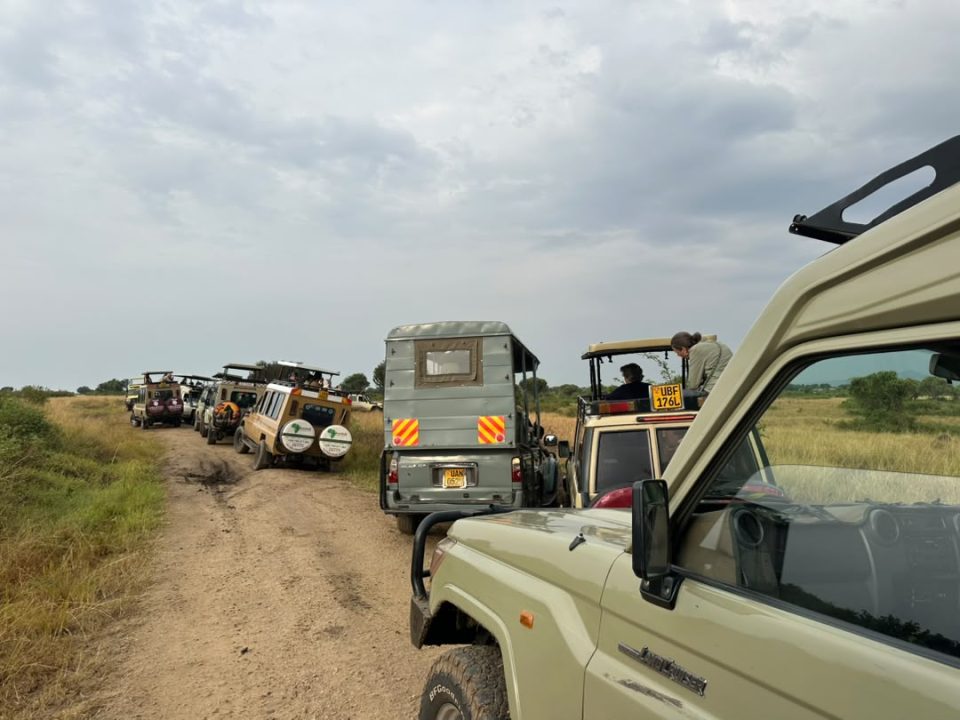
4×4 Game Drives in national parks for close-up wildlife viewing.
-
Boat Safaris on the Nile River or Kazinga Channel to see elephants, buffaloes, hippos, and birds.
-
Guided Rhino Tracking on foot at Ziwa Rhino Sanctuary.
-
Night Drives and Walking Safaris (where permitted) for more elusive wildlife like leopards.
-
Bird Watching and naturalist-guided walks.
These activities vary by park and tour operator but provide diverse perspectives on Uganda’s incredible ecosystems.
Sample 8-Day Big Five Safari Tour Itinerary in Uganda
Here’s a detailed sample tour package to help you visualize your safari adventure. This itinerary blends wildlife, nature, and cultural experiences for a balanced and memorable trip.
Day 1: Arrival in Uganda — Kampala to Ziwa Rhino Sanctuary
Arrive at Entebbe International Airport and be met by your safari guide. Drive to the Ziwa Rhino Sanctuary (approx. 3–4 hours) for an afternoon rhino tracking walk. This guided experience brings you close to southern white rhinos in protected savannah terrain. After tracking, transfer to your lodge for dinner and overnight.
Day 2–3: Murchison Falls National Park
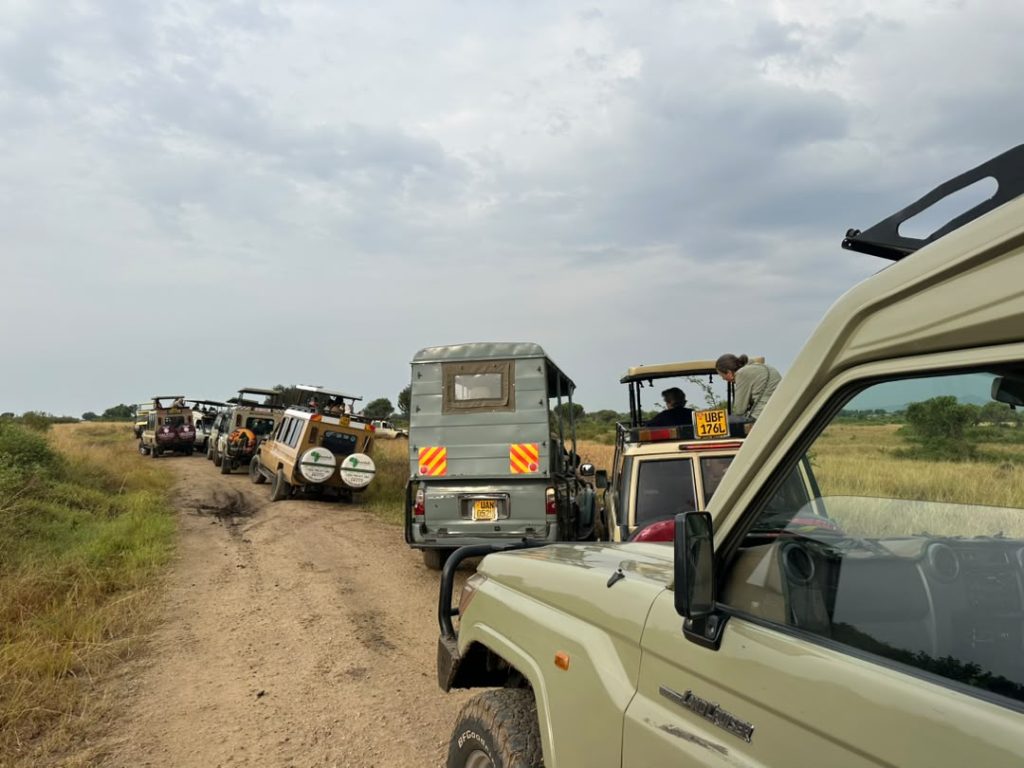
Travel northwest to Murchison Falls National Park, Uganda’s largest wildlife reserve. On arrival, enjoy an exciting game drive in search of lions, elephants, buffaloes, and leopards across grasslands and riverine woodlands. In the afternoon of Day 3, embark on a Nile boat cruise—a highlight that lets you watch buffaloes and elephants drink at the riverbanks, plus hippos and crocodiles lazing in the sun. Stay overnight at safari lodges nestled near the park’s edge.
Day 4–5: Queen Elizabeth National Park
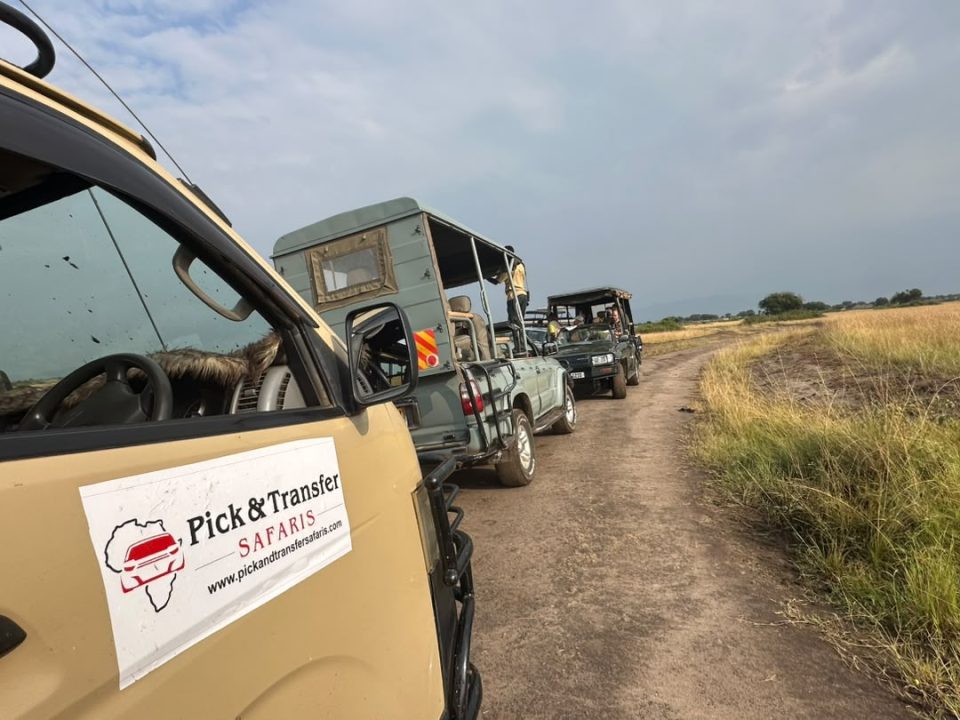
Head south to Queen Elizabeth National Park, famed for its rich biodiversity and the legendary tree-climbing lions in the Ishasha sector. Enjoy morning and evening game drives as well as a boat cruise on the Kazinga Channel, where massive flocks of birds, hippos, elephants, and buffaloes congregate. After thrilling wildlife encounters and sunset views over the channel, sleep at comfortable lodges within the park.
Day 6: Game Activities or Cultural Experiences
Spend Day 6 exploring more of Queen Elizabeth’s diverse landscapes. You could revisit the Ishasha sector for additional sightings, take a guided birdwatching walk, or participate in local community visits to learn about traditional Ugandan culture and wildlife living alongside humans.
Day 7: Return Toward Kampala or Optional Extensions
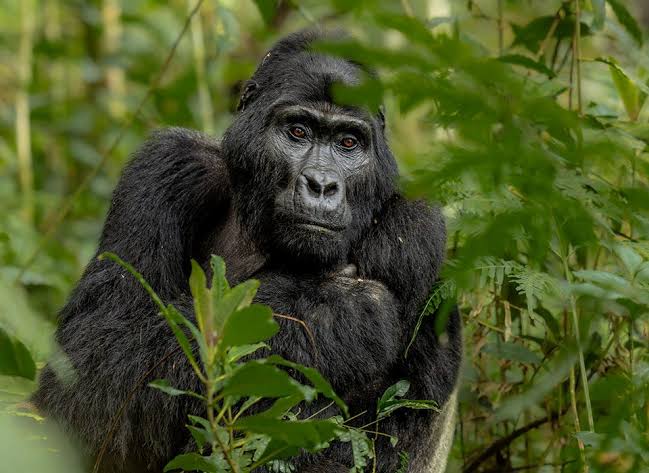
Begin your journey back toward Kampala, enjoying any final game viewing stops en route. Optional extensions at this point could include a chimpanzee trekking experience in Kibale Forest or adding gorilla trekking in Bwindi Impenetrable National Park for a truly comprehensive wildlife adventure.
Day 8: Departure from Uganda
Transfer to Entebbe International Airport for your departure flight. Carry with you memories of a lifetime—from the thunderous roar of lions to the serene sight of rhinos grazing at dawn.