- EXPERT'S HELP
- +256789210067
- +256200955001
- info@kenlinktours.com


Best Time for Uganda Gorilla Trekking From Rwanda
July 24, 2026
How many hours is gorilla trekking
July 24, 2026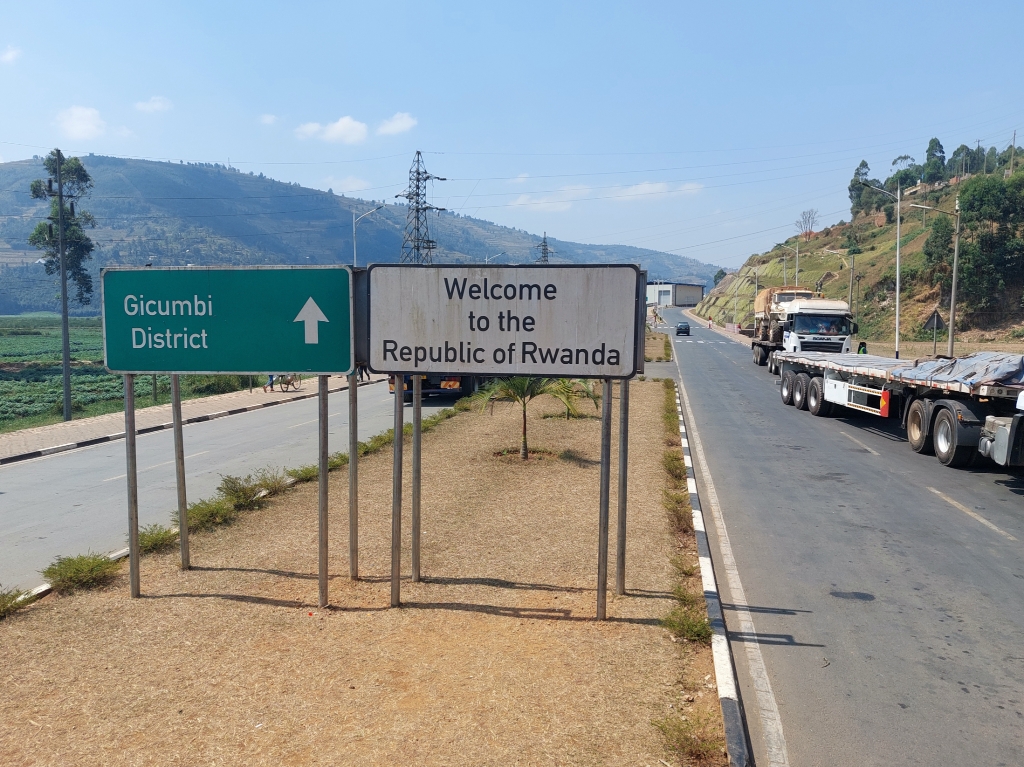
Rwanda to Uganda Border Crossing Guide. Crossing from Rwanda into Uganda is one of the most straightforward international border crossings in East Africa, and for good reason — it’s a route thousands of travelers take every year, most of them heading to Uganda’s gorilla parks for a fraction of Rwanda’s permit price. Whether you’re driving yourself, traveling with a guide, or being picked up on the Ugandan side, this guide walks you through exactly what to expect at each crossing point, what documents you need, how long it takes, and how to make the journey as smooth as possible.
Why Travelers Cross From Rwanda Into Uganda
The single biggest reason travelers cross from Rwanda into Uganda is cost. A gorilla trekking permit in Uganda costs USD 800, compared to USD 1,500 in Rwanda, and Kigali International Airport offers excellent international connections, making it a popular entry point even for trips centered on Uganda. Flying into Kigali and driving across the border to Bwindi Impenetrable National Park or Mgahinga Gorilla National Park is often faster and cheaper overall than flying into Entebbe and driving the full length of Uganda to reach the southwest.
Beyond gorilla trekking, travelers also cross for Lake Bunyonyi, Uganda’s dramatic Kigezi highlands, and to combine two countries’ worth of scenery, culture, and wildlife into a single regional trip. If you’d like the bigger picture on why this route is so popular with gorilla trekkers specifically, our 5-Day Gorilla Trekking Safari from Kigali to Uganda shows exactly how this crossing fits into a full itinerary.
The Two Main Border Crossings
There are two official land border posts between Rwanda and Uganda that travelers use: Cyanika and Katuna (known as Gatuna on the Rwandan side). A third, more easterly crossing at Kagitumba/Mirama Hills exists but is used mainly for cargo and by travelers heading toward eastern Uganda, and is rarely relevant for gorilla trekking or leisure travel. Which of the two main crossings you use depends almost entirely on where you’re headed once you’re in Uganda.
Cyanika Border: Best for Southern Bwindi and Mgahinga
The Cyanika border post sits in Kisoro district on the Ugandan side and Burera district, in Rwanda’s Northern Province, on the Rwandan side. It’s the crossing of choice for travelers heading to the southern sectors of Bwindi Impenetrable National Park — Rushaga and Nkuringo — as well as Mgahinga Gorilla National Park, since all three sit within roughly one to two hours’ drive of the border. It’s also the natural crossing for travelers combining Uganda with Rwanda’s Volcanoes National Park, given its proximity to Musanze.
Cyanika is noticeably quieter than Katuna, with less commercial traffic and a generally faster, more relaxed crossing process. The trade-off is that it doesn’t operate around the clock: the Rwandan side typically opens around 5:00–6:00am and the Ugandan side closes by approximately 9:00–10:00pm, so it isn’t a viable option for a very early or very late crossing. Plan your travel day accordingly, and if you have any doubt about timing, confirm current hours with our team when you start planning your safari before setting out. Our 2 Days Rwanda to Uganda Gorilla Trekking Safari uses this exact crossing en route to Bwindi.
Katuna/Gatuna Border: Best for Kigali–Kabale and Northern Bwindi
The Katuna border post — called Gatuna on the Rwandan side — sits in Uganda’s Kabale district and Rwanda’s Gicumbi district, and is the busiest and most direct route between the two capitals, Kigali and Kampala. It’s the crossing most travelers use when heading to the northern Bwindi sectors of Buhoma and Ruhija, or when visiting Lake Bunyonyi, which sits less than an hour from the border on the Ugandan side.
Katuna carries significantly more commercial and cargo traffic than Cyanika, since it’s a key artery for goods moving between Kenya, Uganda, and Rwanda. Despite the higher volume, the crossing has been substantially modernized under the One Stop Border Post system, which has reduced processing times in recent years. Unlike Cyanika, Katuna operates on a much longer daily schedule, making it the better choice if your itinerary requires an early morning or later evening crossing. Our 10 Days Uganda Rwanda Combining Safari itinerary routes through this crossing for travelers heading toward northern Bwindi.
Choosing the Right Border for Your Bwindi Sector
If you already know which Bwindi sector your gorilla trekking permit is booked for, choosing the right border becomes simple. Rushaga and Nkuringo, in the south of the park, are best reached via Cyanika, with a drive of roughly one to two hours from the border to your lodge. Buhoma and Ruhija, in the north, are more efficiently reached via Katuna, followed by a longer drive of several hours through the Kigezi highlands. Booking your permit and your border crossing together, ideally through the same operator, avoids the common mistake of crossing at the wrong post and adding hours of unnecessary driving. Our Uganda destinations page has more detail on Bwindi and the parks that sit closest to each border.
Required Documents for Crossing
Regardless of which border post you use, a small set of documents is essential every time you cross from Rwanda into Uganda.
A valid passport with at least six months’ remaining validity is required, along with the appropriate visa. Most leisure travelers use the East Africa Tourist Visa, which costs USD 100 and permits multiple entries into Rwanda, Uganda, and Kenya over 90 days, making it by far the most practical option for anyone crossing this border more than once. It must be applied for through the country of first entry — if you land in Kigali first, apply via Rwanda’s immigration portal before you travel, since it typically cannot be issued retroactively once you’ve already entered Uganda on a different visa type. Standalone single-country visas are also available at both borders for eligible nationalities, priced at roughly USD 50 each, payable in cash USD.
A valid Yellow Fever Vaccination Certificate is mandatory for entry into Uganda from Rwanda and is checked at the border; travelers without one risk being denied entry or required to get vaccinated on the spot. If you’re trekking, it’s also worth carrying a printed or digital copy of your gorilla permit confirmation, since it can occasionally be requested as proof of onward travel purpose. Our team can help arrange your visa paperwork and permit booking together — just get in touch before you travel.
What Actually Happens at the Border
The crossing process itself is straightforward and typically takes between 20 minutes and an hour, depending on the border post, time of day, and how busy it is. On the Rwandan side, you’ll stop at immigration to have your passport stamped for departure; officials may ask about your onward accommodation or the contact details of your driver or tour operator, and your luggage may occasionally be inspected, particularly on the Rwandan side where checks tend to be somewhat stricter. You then walk or drive a short distance, often just a few hundred meters, to the Ugandan immigration post, where your passport is checked again, your visa is verified or issued, and your yellow fever certificate is reviewed before you’re stamped into Uganda.
If you’re traveling with a private driver or guide, they will typically handle vehicle paperwork and customs declarations for the vehicle itself, which is a separate process from your personal immigration formalities. Most travelers find both border posts efficient and professional, particularly since the East African Community framework has streamlined much of the process for tourists holding the East Africa Tourist Visa.
Driving Times and Distances From Kigali
From Kigali, the drive to the Cyanika border takes roughly three to four hours on well-maintained tarmac roads through Musanze, with the scenic Virunga volcano range visible for much of the route. Once across at Cyanika, southern Bwindi is a further one to two hours away, meaning a total journey of around four to six hours from Kigali to your lodge near Rushaga or Nkuringo.
The drive to the Katuna border is similarly around three to four hours from Kigali via Gicumbi, with a well-paved road for the entire route. From Katuna, the drive onward to Kabale town takes under an hour, while continuing to northern Bwindi’s Buhoma or Ruhija sectors adds several more hours of driving through winding highland roads. For most travelers heading to southern Bwindi, Cyanika is the noticeably faster overall option; for those headed to Buhoma or combining the trip with Lake Bunyonyi, Katuna makes more practical sense despite the longer onward drive to Bwindi itself.
Currency and Money Matters at the Border
It’s worth carrying cash in US dollars in small denominations when crossing, since visa fees, any incidental costs, and small vendor purchases near the border posts are usually easiest to settle in cash, and card payment infrastructure at land borders can be unreliable. Rwandan francs and Ugandan shillings are both useful to have in smaller amounts once you’re across, particularly for tipping porters, drivers, or purchasing snacks and water at roadside stops. Currency exchange is available informally near both border posts, though rates are generally better once you reach a town like Musanze, Kisoro, or Kabale.
Health and Safety Considerations
Beyond the mandatory yellow fever certificate, travelers are generally advised to be up to date on routine vaccinations and to carry a basic travel health kit, particularly if continuing on to a multi-day trek shortly after crossing. Malaria prophylaxis is commonly recommended for this region, and travel insurance that explicitly covers cross-border travel and trekking activities is strongly advised, since standard policies don’t always include activities like gorilla trekking or multi-country land travel by default. Read more about how we support travelers throughout the journey on our About Us page.
Both borders are considered safe and well-regulated, but as with any international crossing, it’s sensible to keep valuables secure, avoid unofficial money changers offering unusually favorable rates, and travel with a reputable driver or operator rather than arranging ad-hoc transport at the border itself.
Best Time of Day to Cross
Crossing earlier in the day is generally recommended, both for practical and safety reasons. Roads on both sides of the border wind through hilly and occasionally foggy terrain, and daylight driving is simply safer, particularly if you’re continuing on to Bwindi the same day. An early crossing also gives you a buffer in case of unexpected delays, whether from paperwork, traffic, or simply a busier-than-expected queue at immigration. If you’re trekking the following morning, arriving at your lodge with daylight to spare, rather than after dark, makes for a far more relaxed pre-trek evening.
Combining the Crossing With a Gorilla Trekking Itinerary
Most travelers time their border crossing to arrive at their Bwindi lodge the afternoon or evening before a scheduled gorilla trek, since treks begin with an early-morning briefing at the park headquarters. Building in a buffer day, particularly during Uganda’s wetter months when localized flooding can occasionally slow mountain roads, is a sensible precaution regardless of which border you use. Our 3 Days Bwindi Gorilla Safari Starting from Kigali builds in exactly this kind of buffer between the crossing and your trek.
If your trip includes gorilla trekking in both countries, most travelers trek in Rwanda’s Volcanoes National Park first, given its proximity to Kigali, before crossing to Uganda for a second trek in Bwindi or Mgahinga a day or two later, using the Cyanika crossing to link the two parks efficiently.
Traveling Independently vs. With a Guide
While it’s entirely possible to cross the border independently by hiring a taxi to the border, walking across, and arranging onward transport on the Ugandan side, the vast majority of travelers find it far simpler to arrange the entire journey through a single, fully licensed tour operator who provides a private vehicle and driver-guide for the whole route, from your Kigali hotel to your Bwindi lodge. This removes the need to negotiate onward transport at the border itself, ensures your driver is familiar with current border procedures and operating hours, and typically includes assistance with the immigration process if any questions arise. If a private vehicle interests you for the wider trip, our car hire page covers the fleet we use for these transfers.
For travelers who prefer a more flexible, self-drive or point-to-point transfer approach, private airport and border transfer services are also available and can be arranged in advance to meet you on either side of the crossing.
Frequently Asked Questions
Is the Rwanda-Uganda border currently open? Yes. Both the Cyanika and Katuna/Gatuna crossings are fully open and operating normally, following the resolution of an earlier border closure that ran from 2019 until early 2022.
Do I need a separate visa for each country? Not if you use the East Africa Tourist Visa, which covers Rwanda, Uganda, and Kenya under a single 90-day, multiple-entry visa. Without it, you would need a standalone visa for each country.
How long does the crossing itself take? Typically 20 minutes to an hour at each border post, depending on how busy it is and the time of day, though delays are occasionally possible during peak holiday travel periods.
Can I cross at night? Katuna operates on a long daily schedule and can generally accommodate later crossings, while Cyanika closes by around 9:00–10:00pm and is not a 24-hour crossing, so plan your route accordingly if traveling later in the day.
Which border is closer to Bwindi? Cyanika is closer to the southern Bwindi sectors of Rushaga and Nkuringo, typically one to two hours away. Katuna is the better route for the northern sectors of Buhoma and Ruhija, though the onward drive from Katuna is longer.
Is it safe to cross the border independently without a guide? Yes, both crossings are considered safe and well-regulated, though most travelers find it more convenient and efficient to travel with a driver-guide who can handle logistics and is familiar with current procedures on both sides.
Planning Your Crossing
Crossing from Rwanda into Uganda is a well-established, low-hassle route that thousands of travelers complete every year, and with the right documents, a bit of route planning, and reasonable timing, it adds only a few hours to your overall journey rather than becoming a source of stress. Whether you’re heading to Bwindi for a fraction of Rwanda’s gorilla permit price, continuing on to Lake Bunyonyi, or simply exploring more of East Africa on a single trip, choosing the right border post for your route and arriving prepared with your visa and yellow fever certificate in hand is really all it takes.
For travelers who’d prefer to have every part of the journey — airport pickup, the border crossing itself, and onward transfer to your lodge — arranged and driven for you, Pick and Transfer Safaris specializes in short gorilla safaris starting from Kigali, including their 2 Days Uganda Gorilla Tour Starting from Kigali and 3 Days Uganda Gorilla Safari from Rwanda, both of which cross this exact border as part of the itinerary. Their Bwindi Impenetrable National Park destination page is also a useful reference for confirming current park and border conditions ahead of your trip.