- EXPERT'S HELP
- +256789210067
- +256200955001
- info@kenlinktours.com


Rwanda to Uganda Border Crossing Guide
July 24, 2026
How much is a short gorilla tour in Rwanda
July 31, 2026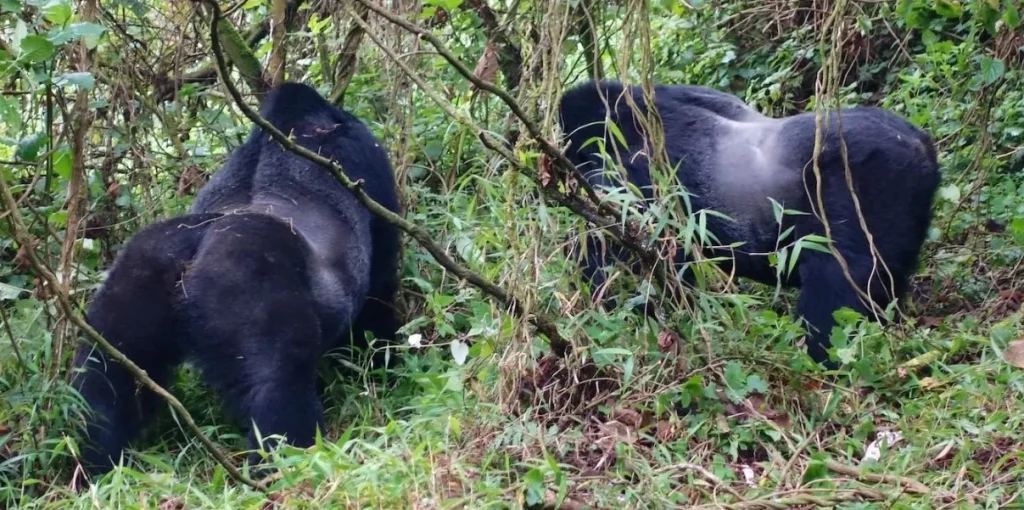
How many hours is gorilla trekking. It’s one of the first questions almost every traveler asks before booking a gorilla permit: how many hours will I actually spend hiking? The honest answer is that gorilla trekking doesn’t run on a fixed schedule — it depends entirely on where the gorilla family happens to be that morning. This guide breaks down exactly what determines the length of your trek, what a typical day looks like from start to finish, and how to set realistic expectations whether you’re trekking in Uganda or Rwanda.
The Short Answer
Most gorilla treks take between 2 and 8 hours in total, once you count the morning briefing, the hike in, the one hour spent with the gorillas, and the hike back out. The pure hiking portion — walking through the forest before you reach the gorillas — typically ranges from 30 minutes to around 6 hours, though it can occasionally run longer if a family has moved deep into the forest overnight. On average, most trekkers spend somewhere between 3 and 5 hours actively hiking, split roughly evenly between the walk in and the walk back out. Whatever your fitness level, it’s best to set aside the entire day for the activity rather than planning anything else around it.
Why the Time Varies So Much
Unlike a scheduled tour with a fixed itinerary, gorilla trekking follows the gorillas, not the clock. A handful of factors combine to determine how long any individual trek will take.
Where the Gorilla Family Slept the Night Before
Rangers and trackers head into the forest before dawn to locate the nesting site each gorilla family used the previous night, since gorillas build a fresh nest every evening and move throughout the day in search of food. Some families settle close to the park boundary, making for a short walk of an hour or less. Others range deep into the forest overnight, which can push the hike to five or six hours each way. Nobody, including the rangers, knows exactly where a family will be until the tracking team reports back that morning.
Which Sector You’re Trekking In
In Bwindi Impenetrable National Park, trekking time varies noticeably by sector. Families in Buhoma and Rushaga are often located closer to the park headquarters, making for comparatively shorter hikes, while gorillas in Ruhija and Nkuringo tend to range at higher altitudes, which usually means a longer and more physically demanding trek. In Rwanda’s Volcanoes National Park, the more open bamboo forest terrain and well-consolidated gorilla families generally produce shorter treks overall, often between 30 minutes and around 4 hours round trip.
The Weather and Trail Conditions
Rain has a direct effect on trekking time, and not just because muddy trails slow you down. During the wetter months, gorillas often stay at lower, more accessible elevations where food is abundant, which can shorten the hike needed to reach them. In the driest months, gorillas tend to range higher in search of food, occasionally lengthening the trek, even though the trails themselves are firmer and easier to walk. For a full breakdown of how Uganda’s seasons affect trekking conditions, see our guide on choosing the best time for gorilla trekking.
Your Group’s Fitness and Pace
Trekking groups move at the pace of their slowest member, since rangers won’t split a group in the forest. A fit, experienced hiking group can sometimes shave real time off a trek compared to a group with mixed fitness levels or first-time hikers. Porters are available to hire at every trailhead and are worth considering regardless of fitness level, since they can meaningfully speed up a difficult trek by assisting with balance on steep or muddy sections.
A Typical Gorilla Trekking Day, Hour by Hour
7:00–7:30am — Registration and briefing. All trekkers gather at the park headquarters for registration, where rangers assign groups of up to eight people to a specific gorilla family and give a safety briefing covering forest etiquette, what to expect, and how to behave once you reach the gorillas.
7:30–8:00am — Departure into the forest. Groups set out from the trailhead with an armed ranger, a guide, and often a tracker who has already located the assigned gorilla family’s general area that morning.
8:00am–12:00pm (variable) — The hike in. This is the unpredictable portion of the day. It might take as little as 30 minutes or as long as 5–6 hours, depending entirely on where the gorillas are that day.
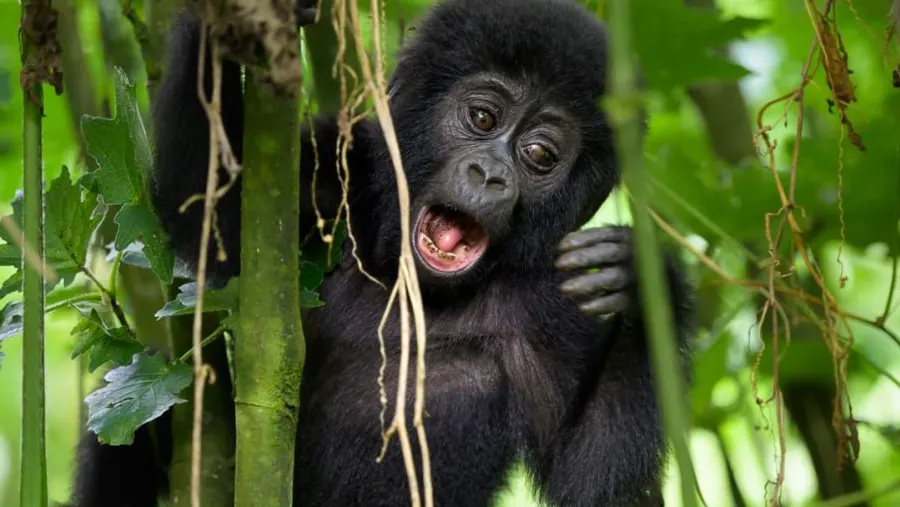
One hour with the gorillas. Once you reach the family, you’re given exactly one hour to observe them at a safe distance, guided by rangers who manage the encounter to keep both trekkers and gorillas safe and calm.
The hike back out. The return journey generally takes a similar amount of time to the hike in, occasionally more if fatigue has set in by this point in the day.
Return to the trailhead. Most treks conclude by early-to-mid afternoon, though the longest treks can stretch into the late afternoon before the group returns to the park headquarters.
Uganda vs. Rwanda: Which Has Longer Treks?
Rwanda’s Volcanoes National Park is generally considered to offer the shortest and most consistent trekking times, largely due to its more open bamboo forest terrain and well-established gorilla families. Uganda’s Bwindi Impenetrable National Park, true to its name, produces the widest range of trekking durations, from as little as 2 hours to more than 7 hours of hiking, because of its thick vegetation, steeper terrain, and the fact that gorilla families spread across four distinct sectors with very different landscapes. Uganda’s smaller Mgahinga Gorilla National Park, on the Rwanda border, tends to fall somewhere in between the two.
Cost is the other major difference: a standard Uganda gorilla permit costs USD 800, compared to USD 1,500 in Rwanda, which is why many travelers choose Uganda for the better value even knowing the trek itself may run longer. If you’re weighing both destinations, our 3-Day Gorilla Trekking in Volcanoes National Park covers what to expect on the Rwanda side, while Bwindi Impenetrable National Park gives a fuller picture of Uganda’s main gorilla trekking destination.
The Gorilla Habituation Experience: A Longer Alternative
For travelers who want more time in the forest, Uganda’s Rushaga sector offers the Gorilla Habituation Experience, which grants four hours with a semi-habituated gorilla family instead of the standard one hour. Because habituation groups are still adjusting to human presence, the hiking time to reach them can be somewhat less predictable than with a fully habituated family, and the overall day tends to run longer given the extended observation period. It’s priced separately from a standard trekking permit and is available only in the Rushaga sector.
How to Prepare for a Longer-Than-Expected Trek
Because there’s no way to know in advance whether your trek will take 2 hours or 8, it’s worth preparing as though it could run long, regardless of your fitness level or which park you’re visiting.
Fitness and pace. A moderate level of fitness is genuinely helpful, particularly for treks in Bwindi’s steeper sectors. If you have any doubts about your stamina, hiring a porter is one of the best decisions you can make; they’re available at every trailhead for a modest fee and directly support the local community.
What to bring. Pack more water than you think you’ll need, energy-dense snacks, a rain jacket regardless of season, and comfortable, well broken-in hiking boots. A walking stick, typically provided free by porters at the trailhead, is worth accepting even if you don’t think you’ll need it.
Mental preparation. Setting realistic expectations matters as much as physical preparation. Treat the entire day as reserved for trekking rather than planning anything else around it, and remember that a longer hike simply means more time spent in one of the world’s most biodiverse rainforests before your hour with the gorillas begins.
Frequently Asked Questions
What’s the shortest a gorilla trek can be? Some treks conclude in as little as 30 to 90 minutes each way if the assigned gorilla family is close to the park boundary, though this can’t be predicted or requested in advance.
What’s the longest a gorilla trek can take? In Bwindi’s more remote sectors, hiking time alone can stretch to 6 or 7 hours each way in rare cases, making for a very long day, though this is uncommon.
Do I get to choose a shorter trek? No. Gorilla family assignments are made by park rangers based on permits, fitness considerations you disclose at registration, and each family’s location that morning, not by request.
Is the one hour with the gorillas ever extended? The standard one-hour viewing window is fixed and strictly enforced to minimize stress on the gorillas, except for Uganda’s Gorilla Habituation Experience, which allows four hours with a semi-habituated family.
Can older travelers or those with limited fitness still trek? Yes, with preparation. Hiring a porter, requesting to be paired with a more accessible gorilla family where possible, and choosing the dry season for firmer trails all help make the experience more manageable.
Does the season affect how long the trek takes? Indirectly, yes. Dry-season trails are firmer and easier to walk, but gorillas sometimes range farther in search of food during these months, while wet-season treks can involve tougher underfoot conditions but occasionally shorter distances, since gorillas stay closer to food sources at lower elevations.
Planning Your Trek
However long your trek turns out to be, the hour spent with a mountain gorilla family at the end of it is what every trekker remembers. Building a full, unhurried day into your itinerary — rather than trying to fit gorilla trekking around other activities — is the single best way to make sure trek length never becomes a source of stress. Our 3-Day Uganda Gorillas Safari and 7 Days Gorilla and Wildlife Safari are both built with this in mind, giving you a full rest day around your trekking day rather than a tight turnaround.
If you’re planning your trek from Kigali, Pick and Transfer Safaris’ 3 Days Uganda Gorilla Safari from Rwanda and one-day option are both designed around this same unpredictability, building in enough time either way.
Continue planning your trip with our related guides: Best Time for Uganda Gorilla Trekking From Rwanda, our Rwanda Safaris collection, and Mgahinga Gorilla National Park if you’re considering Uganda’s smaller, less-visited gorilla park. You can also get in touch with our team to discuss which sector and season best fits your fitness level and schedule.