- EXPERT'S HELP
- +256789210067
- +256200955001
- info@kenlinktours.com


Top 10 Wildlife Experiences in Uganda
April 13, 2026
Rwanda vs Uganda — Which Country Offers the Better Safari?
April 13, 2026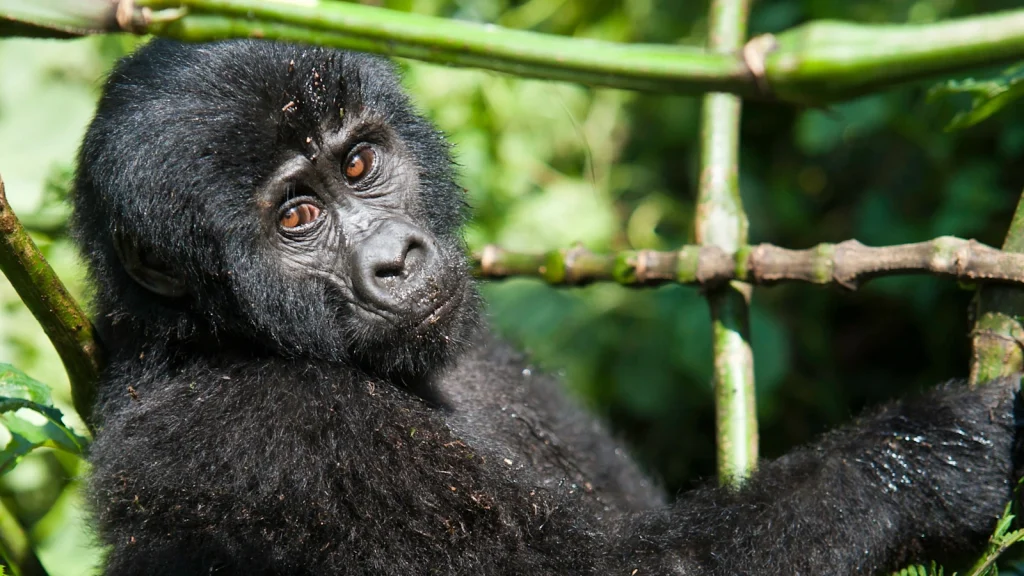
What are the chances of seeing Gorillas in Uganda? It is the question every first-time gorilla trekker asks, usually with a mixture of excitement and quiet anxiety: what if I go all the way to Uganda, hike through that dense, dripping rainforest, and the gorillas simply are not there? It is a fair question. After all, gorilla trekking requires a significant investment of time, money, and physical effort. The permits alone cost $800 per person. The journey to Bwindi Impenetrable Forest is long. The trek itself can be genuinely challenging. So before you commit, you deserve an honest, clear answer.
Here it is: the chances of seeing mountain gorillas on a guided trek in Uganda are extraordinarily high. In fact, most experienced safari operators and park rangers will tell you that the success rate sits consistently above 95%, and on many days it reaches 100%. Uganda’s gorilla trekking programme is one of the most carefully managed and reliably successful wildlife experiences anywhere in Africa, and the reasons for that go much deeper than luck. Browse our gorilla trekking tours to see what a well-planned experience looks like from start to finish.
Why the Success Rate Is So Remarkably High
The secret behind Uganda’s impressive gorilla sighting rates is a system called habituation — a slow, patient process by which wild gorilla families are gradually introduced to the presence of human beings over a period of two to three years. Rangers and researchers spend months visiting the same gorilla groups day after day, keeping a respectful distance at first and slowly closing the gap as the animals grow comfortable with human observers.
By the time a gorilla family is declared ready for tourist visits, they are completely at ease with people in their presence. They do not run, they do not hide, and they do not change their behaviour in any meaningful way when trekkers arrive. They simply go about their daily lives — feeding, resting, playing, grooming — as though the small group of wide-eyed humans watching them from a few metres away barely registers at all. This habituation is the foundation of everything, and it is why returning empty-handed from a gorilla trek in Uganda is an exceptionally rare occurrence.
How Trackers Find the Gorillas Every Morning
Even with fully habituated gorilla families, finding them each morning in thousands of hectares of dense forest requires skill, experience, and a well-organised system. The Uganda Wildlife Authority employs teams of highly trained gorilla trackers who set off before dawn every single day to locate each gorilla group before the tourists even leave the briefing area.
These trackers follow the trail from where the gorillas built their night nests — gorillas construct fresh sleeping nests from bent branches and leaves every single evening — and radio the family’s location back to the ranger guides waiting with the trekking groups. By the time you lace up your boots and head into the forest, the gorillas have already been found. According to the Uganda Wildlife Authority, this system of daily pre-tracking has been in place since the trekking programme began and is one of the primary reasons sighting rates remain so consistently high across all parks.
Bwindi Impenetrable Forest — The Heart of Gorilla Country
Bwindi Impenetrable National Park is the beating heart of Uganda’s gorilla trekking experience. A UNESCO World Heritage Site, Bwindi is home to more than 22 habituated gorilla families across four main trekking sectors — Buhoma, Ruhija, Rushaga, and Nkuringo. Each sector offers a slightly different trekking experience in terms of terrain, forest density, and trek duration, but all of them deliver that same profound, life-changing encounter at the end.
Bwindi’s gorilla population currently stands at over 459 individuals, a number that represents more than half of all mountain gorillas remaining on Earth. That the population has grown steadily over the past two decades — from around 300 in the early 2000s to over 1,000 across the entire range today — is a conservation success story of the highest order, and one that gorilla tourism has played a central role in funding. When you buy a gorilla permit, a significant portion of the revenue goes directly back into park management, ranger salaries, and community development around Bwindi. Our Bwindi gorilla safari packages allow you to choose your preferred sector and trekking group so we can match you with the right experience for your fitness level and interests.
Mgahinga Gorilla National Park — A Second Option Worth Knowing
While Bwindi dominates the conversation around gorilla trekking in Uganda, there is a second park where you can have the experience: Mgahinga Gorilla National Park in the extreme southwest, where Uganda meets Rwanda and the Democratic Republic of Congo at the foot of the Virunga volcanoes.
Mgahinga is smaller and less visited than Bwindi, which gives it a wonderfully remote, exclusive feel. There is currently one habituated gorilla family in Mgahinga — the Nyakagezi group — and the sighting success rate here is equally high. One thing worth knowing about Mgahinga is that the gorillas occasionally cross the international border into Rwanda or DRC and may spend periods of time outside Uganda. This is rare, but it can affect availability. When the Nyakagezi family is present, however, the experience is magnificent, set against the dramatic backdrop of volcanic peaks. Visit our Mgahinga National Park page to see how this can be combined with golden monkey tracking for a truly memorable two-day experience.
What Can Affect Your Chances — And How to Plan Around It
While the overall success rate for gorilla trekking in Uganda is extremely high, there are a small number of factors that can occasionally influence the experience, and it helps to know about them before you go.
The most common is the length and difficulty of the trek on any given day. Because gorillas move constantly through the forest — sometimes travelling several kilometres overnight — some days the trek to reach them is short and relatively easy, while on other days it can take four or five hours of steep, demanding hiking through thick vegetation. The gorilla sighting itself, however, remains just as rewarding regardless of how long the walk takes. This is why physical preparation matters. Sturdy waterproof hiking boots, a reasonable level of fitness, and a hired porter — available at the trailhead for a modest fee that directly supports local families — will all make your trek significantly more comfortable.
Weather is another consideration. Bwindi receives rainfall throughout the year, and the forest can be genuinely wet and slippery during the heavy rain seasons of March to May and October to November. That said, gorilla trekking takes place in all weather conditions, and many visitors find that the forest is at its most atmospheric and beautiful when it is shrouded in mist. The Uganda Tourism Board recommends the drier months of June to August and December to February as the best time for trekking, when trails are more manageable and forest visibility is clearer.
Permit availability is perhaps the most important practical consideration. With only eight visitors allowed per gorilla group per day, and over 22 habituated groups across Bwindi’s four sectors, demand is high and permits often sell out many months in advance — especially during peak season. Booking early through a reputable operator is essential. Contact our team at Kenlink Tours and we will secure your permits, arrange your accommodation, and handle every detail of your gorilla trekking itinerary so nothing is left to chance.
The Gorilla Habituation Experience — An Even Closer Encounter
For travellers who want to go beyond the standard one-hour gorilla trek, Uganda offers something unique: the Gorilla Habituation Experience, available only in Bwindi’s Rushaga sector. This full-day experience places you with a gorilla family that is still in the process of being habituated to human presence — meaning the interaction is rawer, less predictable, and in many ways even more moving than a standard trek.
Instead of one hour with the gorillas, you spend up to four hours with them, following the family through the forest as researchers continue their habituation work. You witness behaviours that standard trekkers rarely see — territorial displays, foraging strategies, complex social interactions between group members. Permits for the Gorilla Habituation Experience are limited to just four people per day, making it one of the most exclusive wildlife encounters anywhere in the world. Ask about availability when you request a custom quote from our team.
The Bottom Line — Should You Worry?
No. You should not worry. The chances of seeing gorillas on a properly organised, permitted trek in Uganda are about as close to guaranteed as anything in the wild world of safari travel ever gets. The habituation system works. The trackers are exceptional. The gorilla population is healthy and growing. And the Uganda Wildlife Authority has invested decades of careful, dedicated management into making this experience both sustainable and reliably successful.
What you should focus on instead is the anticipation — the quiet excitement of knowing that somewhere in that ancient, cathedral forest, a silverback is going about his morning, entirely unaware that today, you are coming to meet him. At Kenlink Tours, we have guided hundreds of travelers to that moment, and it moves us every single time. Start planning your gorilla trek today and let us make sure yours is everything it should be. You can send us an email: inquiries@kenlinktours.com