- EXPERT'S HELP
- +256789210067
- +256200955001
- info@kenlinktours.com


What are the chances of seeing Gorillas in Uganda
April 13, 2026
Can You Combine Uganda and Rwanda Safari
April 13, 2026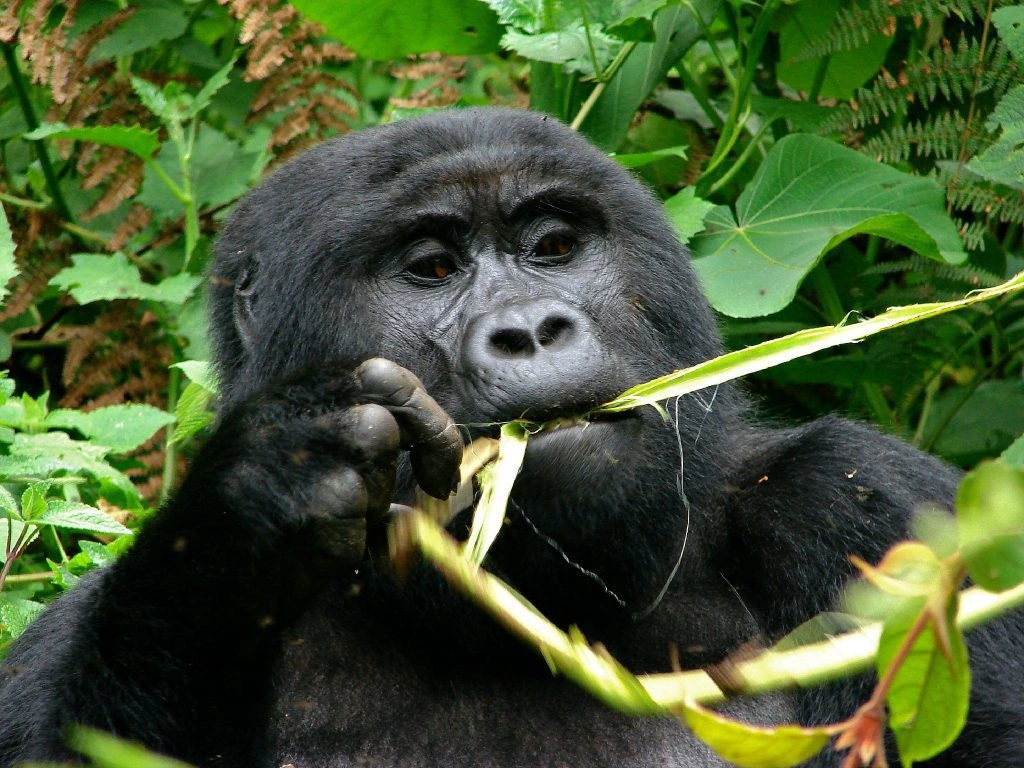
Rwanda vs Uganda — Which Country Offers the Better Safari? It is one of the most hotly debated questions in East African travel, asked in whispered tones at safari lodges, debated on travel forums, and posed to tour operators dozens of times every week: Rwanda or Uganda — which one offers the better safari? Both countries sit in the heart of Africa’s Great Lakes region, both are home to mountain gorillas, both have invested heavily in conservation and tourism infrastructure, and both have the power to deliver wildlife encounters that will leave you genuinely speechless.
But they are also very different places, with different landscapes, different strengths, different price points, and different personalities. Choosing between them is not always straightforward, and the honest answer — as with most great travel debates — is that it depends entirely on what kind of experience you are looking for. At Kenlink Tours, we operate safaris in both countries, and we know them both intimately. So let us settle this debate properly, with the detail and honesty it deserves.
The Gorilla Question — Where Should You Trek?
Any Rwanda versus Uganda safari debate begins and ends with mountain gorillas, because for most visitors, gorilla trekking is the primary reason they are making this journey at all. Both countries offer excellent gorilla trekking, but the experiences are meaningfully different in ways that matter.
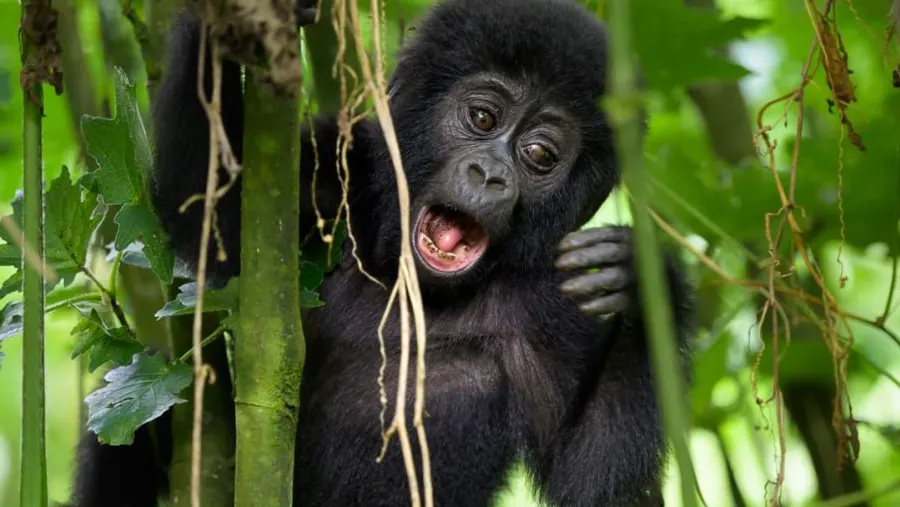
In Uganda, gorilla trekking is based primarily in Bwindi Impenetrable National Park, with a secondary option at Mgahinga Gorilla National Park. Bwindi alone is home to more than 22 habituated gorilla families, giving it by far the largest number of trekking options anywhere in the world. With permits priced at $800 per person, Uganda is also significantly more affordable than Rwanda — a difference that becomes very meaningful when you are travelling as a couple or a family group. Our dedicated Uganda gorilla trekking page walks you through all the permit details, sector options, and how to book.
In Rwanda, gorilla trekking takes place in Volcanoes National Park in the northwest of the country, a smaller but strikingly beautiful park set against the backdrop of the Virunga volcanoes. Rwanda currently has 12 habituated gorilla families available for trekking, and the experience is widely regarded as exceptionally well-organised — smooth, professional, and deeply memorable. The Rwanda gorilla permit, however, costs $1,500 per person, making it one of the most expensive single wildlife experiences anywhere on Earth. Rwanda justifies this premium with the argument that fewer visitors means a more exclusive experience and that higher permit fees support more robust conservation — and there is genuine truth in both claims.
The verdict on gorillas? Uganda offers more families, more flexibility, and a lower price. Rwanda offers a polished, premium experience in a more compact setting. For budget-conscious travellers, Uganda wins clearly. For those prioritising luxury and exclusivity, Rwanda holds its own.
Wildlife Diversity — Uganda’s Undeniable Advantage
Step beyond the gorillas and the gap between the two countries widens considerably in Uganda’s favour. Uganda’s wildlife diversity is simply extraordinary. From the tree-climbing lions of Ishasha and the elephant-rich savannahs of Murchison Falls, to the chimpanzees of Kibale, the Shoebill Storks of Mabamba Bay, and the rhinos of Ziwa Sanctuary — Uganda offers a full, multi-layered safari experience that Rwanda currently cannot match.
Rwanda’s wildlife offering, while genuinely impressive, is more focused. Volcanoes National Park is primarily a gorilla and golden monkey destination. Akagera National Park in the east has made remarkable strides in recent years — lions and rhinos were successfully reintroduced, and it now offers a credible Big Five safari experience — but it remains smaller and less wildlife-dense than Uganda’s major parks. Nyungwe Forest National Park in the southwest offers excellent chimpanzee trekking and a thrilling canopy walkway above the forest, but it cannot rival Kibale for primate diversity or Murchison Falls for sheer game viewing spectacle. Explore our Rwanda safari packages alongside our Uganda wildlife tours and see the difference in scope for yourself.
For travellers who want gorillas and much more — big game, primates, birds, boat safaris, and diverse landscapes all in one trip — Uganda is the stronger choice by a significant margin.
Landscapes and Scenery — A Beautiful Tie
If wildlife diversity favours Uganda, then scenery is a category where both countries can legitimately claim victory, each in their own distinct way. Rwanda is famously known as the Land of a Thousand Hills — a description that does not do justice to just how spectacular those hills are. The country rolls and folds in every direction, terraced farmland climbing impossibly steep slopes, volcanoes rising above the clouds in the north, and the shimmer of Lake Kivu stretching away to the west. It is one of the most photogenic countries in Africa, full stop.
Uganda, meanwhile, offers a different kind of visual drama — the sheer scale and variety of its landscapes is breathtaking. The snowcapped Rwenzori Mountains rise above the clouds on the western border. The Kazinga Channel catches the evening light like hammered copper. The Nile thunders through the gorge at Murchison Falls with a force that shakes the ground beneath your feet. And Bwindi — ancient, dense, perpetually misty — has a primordial beauty that feels like stepping back to the beginning of the world.
If you are a photographer or someone for whom landscape is as important as wildlife, both countries will reward you richly and in entirely different ways.
Infrastructure and Accessibility — Rwanda’s Edge
Rwanda has invested aggressively in tourism infrastructure over the past two decades, and it shows. Kigali is one of the cleanest, safest, and most efficiently run capital cities in Africa. Roads to Volcanoes National Park are in excellent condition. Lodges near the park range from comfortable mid-range options to some of the most extraordinary luxury properties on the continent. Getting from Kigali airport to your lodge is straightforward, quick, and stress-free. According to Lonely Planet, Rwanda consistently ranks as one of Africa’s most visitor-friendly destinations, and that reputation is well earned.
Uganda’s infrastructure, while improving steadily, is less polished. Roads to some parks — particularly Bwindi and Kidepo — can be long, rough, and demanding, especially in the wet season. The journey from Entebbe to Bwindi, for example, takes anywhere from eight to ten hours by road, or considerably less by charter flight. Kampala’s traffic is notorious. That said, Uganda’s rougher edges are part of its charm for many travellers — the sense that you are going somewhere genuinely wild and remote is itself part of the experience. For those who prefer comfort and convenience, however, Rwanda’s infrastructure advantage is real and worth factoring into your decision. Our team at Kenlink Tours can advise on the best transport options in both countries to make your journey as smooth as possible.
Cost — Uganda Wins on Value
Price is often a deciding factor, and here Uganda has a clear and consistent advantage. The gorilla permit alone is $700 cheaper in Uganda than in Rwanda. Accommodation, food, and internal transport also tend to cost less in Uganda, and the sheer volume of wildlife and parks available means you get considerably more variety for your money. A ten-day Uganda safari can realistically include gorilla trekking, chimpanzee tracking, a Nile boat cruise, and big game drives — all for a budget that would cover perhaps four or five days of equivalent experiences in Rwanda.
Rwanda is a premium destination, and it prices itself accordingly. The high-end lodges near Volcanoes National Park are genuinely world-class — places like Bisate Lodge and One&Only Gorilla’s Nest have set new standards for luxury safari accommodation in Africa — but they come at prices that put them out of reach for many travellers. If budget is a key consideration, Uganda gives you far more safari for your money.
Which Should You Choose — Or Why Not Both?
Here is the truth that every experienced safari operator knows: the best answer to the Rwanda versus Uganda question is often to do both. The two countries sit side by side, share the same gorilla range, and complement each other in a way that makes a combined itinerary genuinely greater than the sum of its parts. You can trek gorillas in Uganda’s Bwindi, cross the border into Rwanda, track golden monkeys in Volcanoes National Park, and spend a final night overlooking Lake Kivu — all in the space of ten to twelve days.
A combined Rwanda and Uganda safari gives you the wildlife depth of Uganda alongside the infrastructure elegance of Rwanda, the affordability of Ugandan permits alongside the prestige of a Rwandan lodge experience. It is, in our honest professional opinion, one of the finest safari itineraries available anywhere in Africa. Explore our combined Uganda and Rwanda safari packages and see how we piece these two remarkable countries together into one seamless journey.
The Final Verdict
There is no single correct answer to the question of which country offers the better safari, because the right answer depends on you — your budget, your interests, your tolerance for rough roads, and what you most want to take home from Africa. But here is a simple guide to help you decide.
Choose Uganda if you want maximum wildlife diversity, more gorilla families to choose from, better value for money, and a rawer, more adventurous safari experience. Choose Rwanda if you want a smoother, more luxurious experience, superb infrastructure, and are willing to pay a premium for a more polished and exclusive encounter. Choose both if you possibly can — because together, they make for one of the greatest safari journeys on the planet.
At Kenlink Tours, we are passionate about both countries and deeply experienced in both. Whether you are drawn to the ancient forests of Bwindi, the volcanic drama of Volcanoes National Park, or the wide open skies of Murchison Falls, we will build you a safari that exceeds every expectation. Contact our team today or request your custom quote and let the adventure begin.