- EXPERT'S HELP
- +256789210067
- +256200955001
- info@kenlinktours.com


Uganda Gorilla Trekking vs Wildlife Safari
May 7, 2026Uganda Safari Packing List for International Travelers
May 7, 2026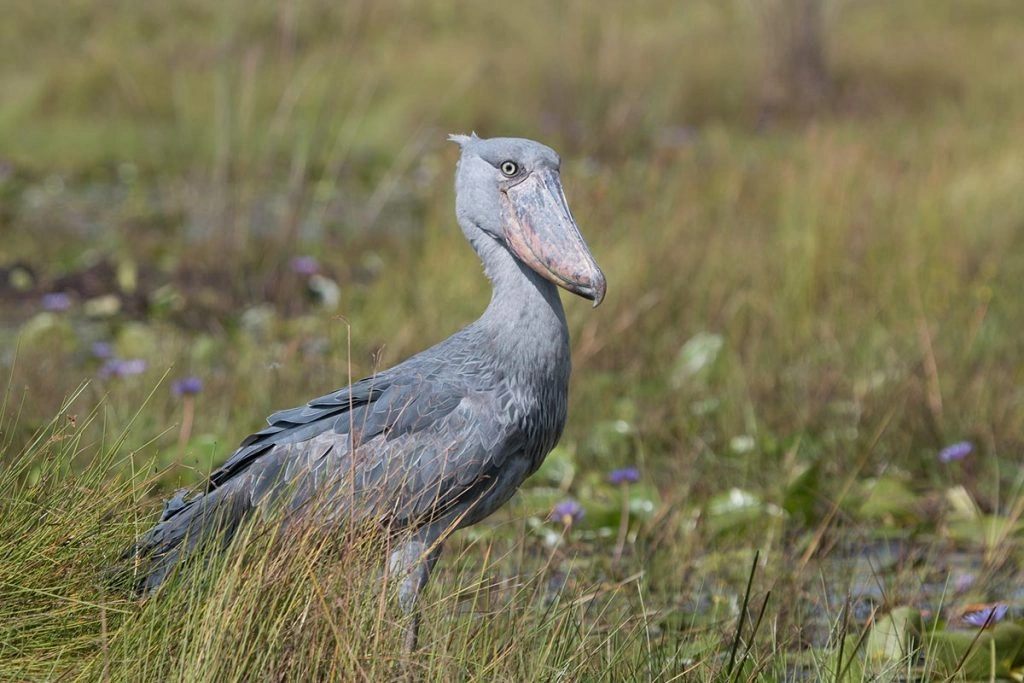
Top Birding Safari Destinations in Uganda. Uganda is, without question, one of the finest birding destinations on the African continent. With over 1,090 recorded bird species packed into a country roughly the size of the United Kingdom, it holds the highest bird species density per square kilometre of any country in Africa. Rainforest, savannah, papyrus swamp, alpine moorland, crater lake, and river delta — each ecosystem hosts its own remarkable community of birds, and Uganda’s extraordinary geographic diversity means that a single birding safari can sweep through all of them. Whether you are a methodical lister chasing Albertine Rift endemics or a curious generalist drawn in by the sheer spectacle of Africa’s birdlife, Uganda delivers at a level that few places in the world can match. This guide takes you through the top birding destinations in the country, the species you can expect at each, and how to plan the ideal birding safari.
Uganda’s Credentials as Africa’s Premier Birding Country
Before diving into individual destinations, it is worth understanding what makes Uganda so exceptional for birds. According to BirdLife International, Uganda’s species count rivals that of countries ten times its size, and the country is particularly significant as the heartland of the Albertine Rift — a mountainous region straddling the western border of Uganda and the Democratic Republic of Congo that holds the highest concentration of endemic bird species anywhere in Africa. Many of these Albertine Rift endemics are found nowhere else on Earth.
Uganda’s diverse landscapes — from the ancient rainforests of the southwest to the papyrus wetlands of Lake Victoria’s shoreline, the Afromontane forests of the Rwenzori Mountains, the open savannahs of the north and west, and the Congo Basin forest of Semuliki — create a patchwork of habitats that supports this extraordinary diversity. The country’s birdlife is also boosted each year by the arrival of Palearctic migrants between October and April, adding wading birds, warblers, raptors, and shorebirds to the resident species count. Uganda is, in short, a year-round birding destination with no truly dead season.
Bwindi Impenetrable National Park — Albertine Rift Endemic Heartland
For serious birders with a target list of Albertine Rift endemics, Bwindi Impenetrable National Park is the single most important destination in Uganda — and one of the most important in all of Africa. This UNESCO World Heritage Site harbours 347 bird species including an extraordinary 24 Albertine Rift endemics, 76 of the 144 Guinea-Congo forest biome birds, and 68 Afro-tropical highland biome species. These are numbers that make Bwindi a pilgrimage site for birders who have spent careers pursuing endemics across the continent.
The most celebrated targets include the African Green Broadbill — one of the rarest and most localised birds in Uganda, whose vivid emerald plumage and secretive nature make it the holy grail of any Bwindi birding session. The Rwenzori Turaco, with its deep crimson wing patches and spectacular blue-green body, is commonly heard resonating through the canopy before it is seen. Shelley’s Crimsonwing, the Short-tailed Warbler, Chapin’s Flycatcher, and the elusive Grauer’s Rush Warbler round out a checklist that would take multiple dedicated visits to complete. The key birding trails at Bwindi — the Bamboo Zone, Mubwindi Swamp Trail, and the Waterfall Trail — each target different altitude bands and forest types, giving birders genuine strategic options rather than a single prescribed route.
Mabamba Bay Wetland — The Shoebill Capital of the World
No birding guide to Uganda can proceed without a dedicated section on the Shoebill Stork — perhaps the most coveted and photographed bird on the African continent. This prehistoric-looking giant, standing up to five feet tall with a massive shoe-shaped bill that can unhinge a lungfish in a single strike, is the species that many international birders specifically visit Uganda to find. According to the IUCN Red List, the Shoebill (Balaeniceps rex) is classified as Vulnerable, with Uganda holding an estimated 1,000 individuals — more than any other country.
The undisputed premier location for shoebill watching is Mabamba Bay Wetland on the northern shore of Lake Victoria, just 50 kilometres southwest of Kampala and conveniently close to Entebbe International Airport. The Mabamba Wetland birding excursion is conducted by canoe through dense papyrus channels, where local community guides pole you silently toward roosting or hunting shoebills. The birds are accustomed to canoes and often allow remarkably close observation — near enough to watch one remain entirely motionless for minutes at a time, then explode into action to seize a lungfish from the water with a lunge that is as fast as it is improbable for a bird of that size.
Beyond the shoebill, Mabamba hosts a rich papyrus specialist community: the Papyrus Gonolek, Blue-breasted Bee-eater, Lesser Jacana, African Pygmy Goose, White-backed Duck, Pied Kingfisher, and Malachite Kingfisher are all common sightings. A morning excursion to Mabamba can be paired with an afternoon at the Entebbe Botanical Gardens, which host additional forest species and offer some of Uganda’s most accessible introductory birding.
Queen Elizabeth National Park — Savannah, Wetland, and Forest All in One
With over 600 recorded bird species, Queen Elizabeth National Park is Uganda’s single richest bird destination in terms of sheer species count. This diversity reflects the park’s remarkable habitat variety — open savannah, wetlands, crater lakes, the Maramagambo Forest, and the Kazinga Channel waterway combine to support an extraordinary range of ecological communities within a single protected area.
The Kazinga Channel boat cruise is one of Africa’s great birding boat rides. As you drift along this 32-kilometre waterway connecting Lake Edward and Lake George, African Fish Eagles perch in fever trees and call across the water, Pied Kingfishers hover and dive with precision, African Skimmers glide low over the surface, Great White Pelicans drift in formation, and the occasional Goliath Heron stands motionless in the shallows like a grey sentinel. The channel’s banks attract large numbers of wading birds and waterbirds that would be impossible to approach by land. The Mweya Peninsula and the Kasenyi Plains add raptors, bustards, sunbirds, and rollers to the list. Deep in Maramagambo Forest, specialist forest birds such as the African Broadbill and Black Bee-eater await the patient observer.
Murchison Falls National Park — Shoebill, Raptors, and the Royal Mile
Uganda’s largest national park covers over 3,893 square kilometres of savannah, riverine forest, and Nile delta wetlands — an ecosystem that supports over 451 recorded bird species, including some of the most dramatic raptors and waterbirds in East Africa. The Murchison Falls Nile boat cruise from Paraa jetty to the base of the falls is one of Uganda’s greatest wildlife experiences for any traveller, but for birders it is particularly compelling — the riverbanks host Shoebill Storks in the Nile delta papyrus swamps, along with Martial Eagles, Bat Hawks, African Fish Eagles, Saddle-billed Storks, Rock Pratincoles nesting on exposed rocks mid-river, and Hamerkops busying themselves at the water’s edge.
The Budongo Forest, located at the southern edge of the park, is one of Uganda’s most important forest birding sites and home to the famed Royal Mile — a section of forest road that birders consider one of the finest single birding stretches anywhere in Africa. More than 250 species have been recorded here, including the Chocolate-backed Kingfisher, Blue-throated Roller, Cassin’s Spinetail, African Dwarf Kingfisher, and the beautiful Nahan’s Partridge. For birders combining wildlife safaris with serious birding, Murchison Falls is an indispensable stop on any Uganda itinerary.
Kibale National Park and Bigodi Wetland — Primate Forest Birding
Kibale Forest National Park is most celebrated for chimpanzee tracking, but its 375 species of birds — including notable specialties such as the Green-breasted Pitta, African Pitta, and African Green Broadbill — make it an excellent birding destination in its own right. The moist tropical forest creates ideal conditions for secretive undergrowth species that require slow, patient observation to locate, and guides at Kibale are skilled at tracking down skulking rarities by sound alone.
Adjacent to the park, Bigodi Wetland Sanctuary is a community-managed wetland that offers some of Uganda’s most accessible and rewarding birding at a very low cost. The sanctuary hosts over 200 species in a small area of papyrus swamp, forest edge, and open water, including the Papyrus Gonolek, Grey-crowned Crane, Yellow-billed Duck, and a variety of kingfishers. Combining a morning of chimpanzee tracking in Kibale with an afternoon walk at Bigodi is one of the most efficient and satisfying half-day birding combinations in the country — and it supports local community conservation projects directly through the entrance fee.
Semuliki National Park — Congo Biome Rarities
For birders with an advanced checklist and an appetite for the genuinely unusual, Semuliki National Park in western Uganda is a destination unlike any other in the country. Situated on the Ugandan side of the Congo Basin, Semuliki hosts over 400 species, a significant proportion of which are Central African rainforest birds found nowhere else in Uganda. The park is the only place in East Africa where birders can find a suite of true Congo biome endemics, including the Red-billed Dwarf Hornbill, Yellow-throated Nicator, Xavier’s Greenbul, and African Piculet. Birding at Ntandi, along the Kirumia River, and around the Sempaya Hot Springs rewards visitors with extraordinary forest depth that feels genuinely different from any other Ugandan park — because ecologically, it is.
When to Go and How to Plan Your Uganda Birding Safari
Uganda’s birding is rewarding year-round, but the wet seasons — March through May and October through November — are particularly rich for birders. Resident species are breeding and displaying, Palearctic migrants are present, and the lush green landscapes make forest walking easier as birds move actively in search of fruit and insects. Birding can be combined naturally with other Uganda safari highlights — gorilla trekking, game drives, and boat safaris all pass through prime birding habitat, meaning a general wildlife safari and a dedicated birding tour are not mutually exclusive.
The 20-Day Ultimate Uganda Safari from Kenlink Tours includes Mabamba Swamp for the Shoebill, Bigodi Wetland, Kazinga Channel, and Murchison Falls — covering every major birding habitat type in one comprehensive journey. For dedicated birders wanting a shorter, birding-focused itinerary, Kenlink Tours builds customised birding safari packages that can target specific species, habitats, or the full Albertine Rift endemic checklist, according to your priorities and available time.
The 10 Must-See Birds on a Uganda Safari
Every birder visiting Uganda carries their own personal target list, but a handful of species appear on virtually every serious birder’s checklist. The Shoebill, African Green Broadbill, Rwenzori Turaco, Grey-Crowned Crane (Uganda’s national bird, prominently featured on the national flag), African Fish Eagle, Saddle-billed Stork, Papyrus Gonolek, Green-breasted Pitta, Black Bee-eater, and Shelley’s Crimsonwing collectively represent Uganda’s birding highlights across its different habitats. A detailed profile of Uganda’s 10 must-see bird species — including where and how to find each one — is available to help you plan each day with precision.
Book Your Uganda Birding Safari with Kenlink Tours
Uganda’s birding is accessible to every level of birder — from complete beginners who want to tick the Shoebill off their bucket list to serious listers targeting their 50th Albertine Rift endemic. Kenlink Tours provides specialist birding guides who combine deep local knowledge with genuine passion for Uganda’s birds, designing itineraries that maximise species encounters across every habitat type the country offers. All transport, accommodation, park fees, and logistics are handled so you can keep your binoculars raised and your attention on the canopy.
Explore all available birding packages and book your Uganda safari directly online, or speak with the Kenlink team to design a bespoke birding itinerary around your target species and travel dates. In Uganda, the birds are always waiting — and there are more of them than almost anywhere else on Earth.