- EXPERT'S HELP
- +256789210067
- +256200955001
- info@kenlinktours.com


Rwanda Safari vs Uganda Safari
May 7, 2026
Congo Safari Safety Tips for Travelers
May 7, 2026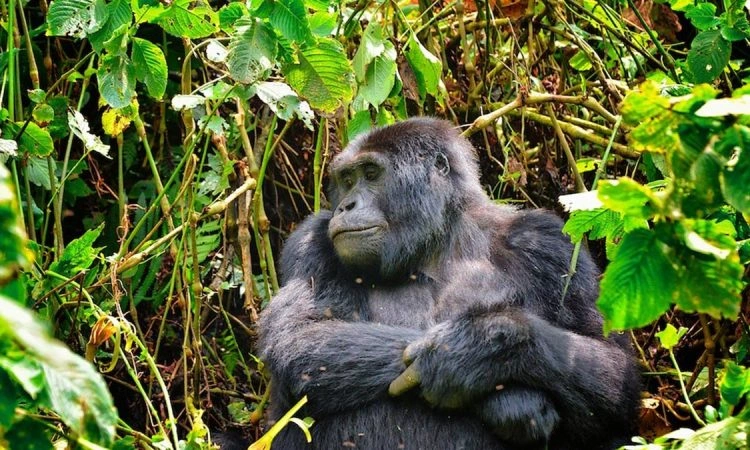
Best Time for Gorilla Trekking in Rwanda. Rwanda’s Volcanoes National Park is one of the most extraordinary wildlife destinations on the planet — a compact kingdom of ancient volcanic forest that shelters some of the last mountain gorillas left on Earth. Unlike many safari destinations where timing is everything, gorilla trekking in Rwanda operates every single day of the year, regardless of season. The gorillas do not migrate, do not disappear with the rains, and are not easier to find in one month than another — the encounter itself is available whenever you choose to go. But the season you choose will significantly shape everything around the encounter: the condition of the trails, the weight of your pack, the price of your permit, the number of other travellers at the briefing point, the photographic quality of the light, and the overall comfort of your day in the Virunga Mountains. This month-by-month guide covers all of it — so you can choose the timing that is right for your own priorities, budget, and travel style.
Understanding Rwanda’s Two Seasons
Rwanda sits just south of the equator in Africa’s Great Lakes region and experiences a broadly tropical climate moderated significantly by altitude. Volcanoes National Park sits above 2,400 metres, which means temperatures are cooler, mist is common, and rainfall is higher than in Rwanda’s lowland areas. The country’s climate follows two distinct annual cycles:
The Long Dry Season — June to September is Rwanda’s most popular period for gorilla trekking. Rainfall is minimal, trails are firm, forest visibility is at its best, and daytime temperatures in the park are comfortable — typically 15°C to 22°C during trekking hours. This is the period when gorilla permit demand peaks most sharply, lodge occupancy is highest, and international visitors flood into Kigali.
The Short Dry Season — December to February is a second excellent window for gorilla trekking, with similar trail conditions to the long dry season. This period is particularly popular with European and North American travellers taking advantage of end-of-year holidays and the Northern Hemisphere winter.
The Long Wet Season — March to May brings heavy, sustained rainfall that turns the volcanic trails into mud channels and significantly increases the physical challenge of the trek. Crowds thin dramatically, permit availability improves, and accommodation rates often drop.
The Short Wet Season — October to November brings lighter rainfall than March to May and is often an underrated window — less crowded than the peak dry season, more manageable than the long rains, and still delivering all the lushness and colour of a wet forest. According to the Rwanda Development Board, gorilla trekking permits remain available throughout all four seasons, with demand-based availability being the primary factor governing permit accessibility rather than any formal seasonal restriction.
Month-by-Month Breakdown — When to Go and What to Expect
January sits in the short dry season and is an excellent month for gorilla trekking. Trails are dry and manageable, crowds are moderate as the holiday peak passes, and the Virunga landscape is clear and bright. International flight prices are often lower than December, making January a smart choice for travellers seeking quality conditions at slightly reduced cost. Weather is warm and settled, with cool mornings at altitude giving way to comfortable afternoons.
February is one of the finest months of the year for gorilla trekking in Rwanda — dry trails, clear views, good morning light for photography, and relatively manageable visitor numbers before the European spring-break surge. February also marks the transition into Rwanda’s longer wet season, meaning the forest is still lush from earlier rainfall without the ongoing disruption of active rain during trek hours. Photographers particularly favour February for the quality and direction of morning light in the Virunga forest.
March, April, and May are Rwanda’s wet season months, bringing the heaviest and most sustained rainfall of the year. Trails become genuinely challenging — muddy, slippery on steep volcanic slopes, and requiring confident physical effort and appropriate footwear. The forest, however, is at its most dramatically green and alive, and the mist that rolls across the Virunga peaks creates atmospheric conditions that many photographers find more visually compelling than the dry season’s clear skies. Gorilla permit availability is higher, accommodation rates at lodges around Musanze drop considerably, and the briefing points are quieter. For budget-conscious travellers who are physically prepared and embrace the mud as part of the adventure, April and May can actually be excellent months to visit. The cost of safaris in Rwanda is most negotiable during these months, making high-quality accommodation more accessible.
June, July, August, and September constitute Rwanda’s long dry season and the peak gorilla trekking period. Trails are at their best, the mornings are crisp and clear, and the volcanic landscape is at its most photogenic. These are also the months when demand for gorilla permits is highest — advance booking of three to six months is strongly advisable, and flights into Kigali fill up significantly. Lodges near Volcanoes National Park operate at full occupancy throughout July and August. Anyone planning a dry-season Rwanda gorilla trekking safari should consult the best time to see gorillas in Uganda and Rwanda guide and begin their permit reservation process well ahead of their intended travel dates.
October and November form Rwanda’s short wet season and represent one of the most underrated booking windows of the entire year. Rainfall is lighter and less consistent than the March to May rains, and the forest is lush, vibrant, and intensely green — visually among the most beautiful months to trek in the Virunga. Visitor numbers are lower than peak season, lodge rates are often reduced, and the atmosphere at the park headquarters is more relaxed and intimate. For travellers who cannot visit during the dry season, October and November are a genuinely strong alternative.
December is arguably the most consistent month of the entire year for gorilla trekking quality. The short dry season is well established, trails are dry and well-maintained, and the end-of-year festive period brings a particular atmosphere of celebration to the lodges and towns around Musanze. Permit demand is high — this is among the most popular months for international visitors combining Rwanda gorilla trekking with end-of-year travel — and booking well in advance is essential. The 3-day gorilla trekking safari in Volcanoes National Park designed by Kenlink Tours is most frequently booked for December departures.
Peak Season vs Low Season — A Practical Comparison
Peak Season (June–September and December–February)
The benefits of visiting during peak season are clear: drier trails, more comfortable trekking conditions, better light for photography, and the sheer energy of the park operating at full throttle with visitors from around the world sharing the experience. The trade-offs are equally clear: permits must be secured months in advance, lodge rates are at their highest, and the briefing point at Kinigi is at its busiest. The 4-day Rwanda luxury safari is designed specifically around peak season conditions and peak season lodge availability.
Low Season (March–May and October–November)
The low season’s advantages are genuine and underappreciated by many travellers who assume that wet means bad. Lower lodge rates — sometimes 20 to 30 percent below peak season pricing — make luxury properties more accessible. Permit availability is considerably easier to secure. The forest is at its most lush, atmospheric, and photogenic. And the encounter with the gorillas itself is entirely unaffected by season — the animals are there, they are accessible, and the one-hour encounter is exactly the same quality as in August. The practical challenge is the trails: mud, slippery volcanic slopes, and the possibility of rain during the trek itself. Proper gorilla trekking packing — waterproof jacket, gaiters, garden gloves, and sturdy waterproof hiking boots — makes low-season trekking entirely manageable.
Photography Considerations — How Season Affects Your Images
For wildlife photographers, the timing question carries additional dimensions. According to the gorilla photography guide published by Kenlink Tours, the rainforest interior is always challenging for photography — dense canopy filters light significantly, gorillas move unpredictably, and the one-hour time limit demands efficiency. That said, season does meaningfully affect photographic conditions.
During the dry season, forest interiors are brighter and clearer, making focusing easier and colours more vivid. During the wet season, mist and rain create atmospheric, moody conditions — gorillas partially obscured by rising steam and moisture — that many photographers find more compelling and dramatic than dry-season clarity. February is consistently cited by wildlife photographers as the finest month, combining dry-season trail conditions with the lush greenery left by earlier rains and excellent morning light angles at Volcanoes National Park’s latitude.
Permit Booking — The Rule That Overrides Season
Regardless of which month you choose, the single most important planning action you can take is booking your gorilla trekking permit as far in advance as possible. The Rwanda Development Board issues a strictly limited number of permits per day — eight visitors per habituated gorilla family — and demand in peak season can exhaust available dates six months or more before departure. Even in low season, popular dates around school holidays and international events fill up faster than many travellers expect.
Working with an experienced local operator like Kenlink Tours means your permit is secured as part of your package reservation, without the administrative complexity of dealing directly with the Rwanda Development Board from abroad. This is particularly important for travellers combining Rwanda gorilla trekking with a Uganda extension, where combining Rwanda and Uganda gorilla trekking requires coordinating permits across two different national park systems, two separate booking authorities, and a cross-border travel itinerary.
Health and Entry Requirements — Year-Round Essentials
Rwanda’s entry requirements apply equally regardless of season. A yellow fever vaccination certificate is mandatory for all travellers entering Rwanda, as stipulated by the World Health Organization. This certificate must be original — not a digital copy — and the vaccine should be administered at least ten days before departure to be considered valid. Anti-malarial medication is strongly recommended for all visitors, and your travel clinic should be consulted six to eight weeks before departure for personalised health advice.
Altitude is a consideration at Volcanoes National Park, where the park headquarters sits above 2,400 metres and some gorilla families range higher. Travellers flying directly from sea-level destinations may experience mild altitude-related fatigue during their first day or two in the area. Arriving in Musanze the evening before your trekking day — rather than on the morning of the trek — helps the body adjust and ensures a more energetic and comfortable experience on the trail. Understanding how long a gorilla trek takes — anywhere from 30 minutes to six hours depending on the gorilla family’s location — helps travellers set realistic physical expectations regardless of season.
Adding More to Your Rwanda Gorilla Safari
Whichever month you choose for gorilla trekking, Rwanda’s other extraordinary experiences are available year-round alongside it. Golden monkey tracking in Volcanoes National Park pairs naturally with gorilla trekking on Day Two of any Musanze stay. Akagera National Park’s Big Five game drives are available throughout the year, with the dry season offering the best wildlife visibility as animals gather predictably around water sources. Nyungwe Forest’s canopy walk and chimpanzee tracking are year-round activities with excellent conditions in both wet and dry seasons. A comprehensive Rwanda safari holiday can weave all these experiences together across any season, creating a journey that delivers the full depth of what Rwanda has to offer.
The 5-day Volcanoes Gorillas and Akagera Wildlife Safari from Kenlink Tours is specifically designed to combine the Virunga gorilla experience with Rwanda’s savannah wildlife — available in any month, adapted for the conditions of each season, and managed end-to-end so that travellers focus entirely on the encounters rather than the logistics.
Book Your Rwanda Gorilla Trekking Safari with Kenlink Tours
The best time to trek gorillas in Rwanda is ultimately the time that works for your schedule, your budget, and your personal appetite for either the comfort of dry conditions or the lush drama of the wet season. Both deliver the encounter. Both deliver the gorillas. Kenlink Tours has been organising Rwanda gorilla trekking safaris for over a decade and can advise on the specific conditions, permit availability, and lodge options for any month of the year. Book your Rwanda safari online or reach out directly to the Kenlink team to discuss your ideal dates and design your perfect itinerary.
The mountain gorillas of Volcanoes National Park are waiting — in June, in October, in February, and every day in between.