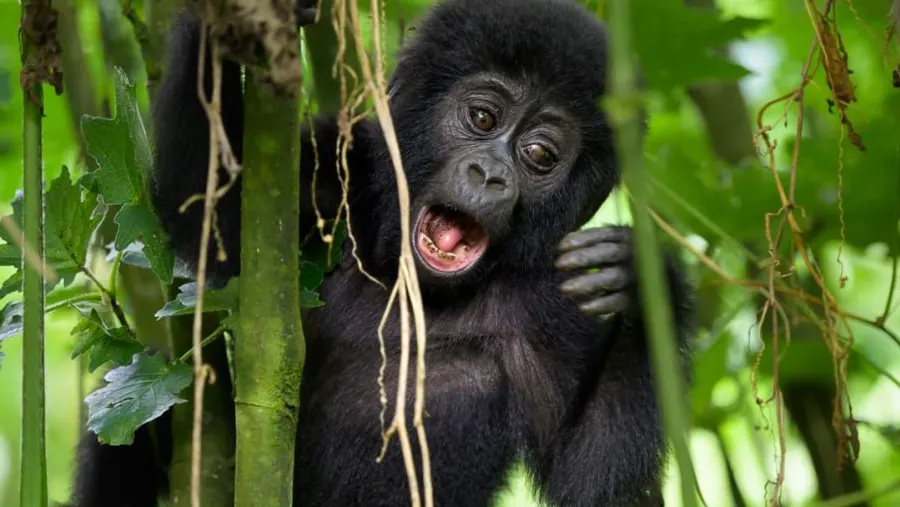
Free Gorilla Photography Checklist 2026-2027 Gorilla Trekking Tips. Photographing mountain gorillas in the wild is one of the most thrilling wildlife experiences a traveler can have. Deep in the misty rainforests of East Africa, every moment with a gorilla family feels raw, emotional, and unforgettable. But gorilla photography is also challenging. Low light, thick vegetation, and constantly moving subjects can make even experienced photographers work hard.
This complete guide combines a free gorilla photography checklist for 2026–2027 with practical trekking tips to help you return home with incredible photos and unforgettable memories. Whether you are using a professional camera or a good smartphone, preparation is everything.
Understanding the Gorilla Trekking Environment
Before packing your camera gear, it is important to understand where you will be shooting. Mountain gorillas live in high-altitude rainforests with dense canopy cover. Light levels are often low, even during the middle of the day. Mist, fog, and sudden rain showers are common, especially in the early morning.
The forest terrain is rarely flat. You will hike through mud, vines, and thick undergrowth, sometimes on steep slopes. This means you must balance photography gear with comfort and mobility. Overpacking can make the trek exhausting, while underpacking may leave you missing key shots. The goal is to pack smart, not heavy.
Free Gorilla Photography Gear Checklist (2026–2027)
This checklist covers essential photography equipment for gorilla trekking. Adjust based on your experience level and the weight you can comfortably carry.
Camera Equipment
DSLR or mirrorless camera with good low-light performance
Backup camera body (optional but recommended)
Smartphone with a high-quality camera (as a backup)
Lenses
70–200mm lens (ideal for close and mid-range portraits)
100–400mm or 200–500mm lens (for distant or shy gorillas)
Wide-angle lens (24–70mm) for habitat and landscape shots
Accessories
Extra batteries (cold weather drains power faster)
Multiple memory cards with high storage capacity
Lens cleaning cloth and blower (for moisture and dust)
Rain cover for camera and lens
Small waterproof backpack or camera insert
Support Gear
Comfortable camera strap or harness
Lightweight monopod (optional; tripods are usually impractical)
Dry bag or zip-lock bags for electronics
Having this gear prepared in advance saves time and prevents stress on trekking day.
Choosing the Best Camera Settings for Gorilla Photography
Because the forest is dark and subjects move unpredictably, camera settings matter a lot. Use a fast shutter speed to capture movement, especially playful juveniles or chest-beating silverbacks. A starting point is 1/250 to 1/500 second, adjusting as needed.
Set your ISO higher than you normally would for daylight photography. Modern cameras handle ISO 1600–3200 well, and it is better to have a slightly grainy image than a blurry one. Use a wide aperture such as f/2.8 to f/5.6 to allow more light and create beautiful background blur that separates the gorilla from the forest.
Autofocus should be set to continuous tracking mode so your camera can adjust as the gorillas move.
Protecting Your Camera from Rain and Humidity
Rainforest conditions are tough on electronics. Even if it is not raining, humidity can be very high. Always carry a waterproof rain cover for your camera. If you do not have one, a simple plastic cover with an opening for the lens can help in sudden showers.
Avoid changing lenses in heavy moisture because water droplets and dirt can get inside your camera. At the lodge after the trek, allow your gear to air dry before storing it in your bag. Silica gel packs inside your camera bag help absorb excess moisture overnight.
What to Wear for Gorilla Trekking Photography
Your clothing affects your comfort and your ability to focus on photography. Wear long-sleeved shirts and long trousers to protect against scratches, insects, and stinging plants. Neutral colors like green, brown, or grey are best; avoid bright colors that stand out in the forest.
A waterproof jacket is essential, even in the dry season. Sturdy waterproof hiking boots with good grip are crucial because muddy slopes are common. Gardening gloves or trekking gloves help protect your hands when grabbing branches or climbing steep sections.
Comfort equals stability, and stability helps you take sharper photos.
Hiring a Porter Makes a Big Difference
Many trekkers underestimate how helpful a porter can be. A porter can carry your camera bag when you are hiking steep or slippery sections, allowing you to conserve energy for photography when you reach the gorillas.
Porters are members of the local community, and hiring one directly supports families living near the park. It also increases your safety and reduces the risk of falling while carrying expensive equipment. For photographers, this is often one of the best decisions of the trek.
Managing Expectations About Distance and Visibility
You are required to keep a safe distance from the gorillas, usually around 7 meters, although gorillas sometimes come closer on their own. Dense vegetation may partially block your view, and you might need to shift position carefully to get a clear line of sight.
Not every moment will be perfect for photography. Some gorillas may be facing away, hidden behind leaves, or resting in thick bushes. Patience is key. Wait quietly, observe their behavior, and be ready when a clear moment appears. The best shots often happen when you least expect them.
Respecting the One-Hour Rule with Gorillas
Once your group reaches the gorillas, you are allowed only one hour with them. This time passes very quickly. Instead of constantly changing lenses or reviewing every photo on your screen, focus on being present and shooting intentionally.
Start with a few safe shots to ensure your settings are correct, then slow down and look for emotional moments — a mother holding her baby, a silverback watching over the group, or juveniles playing. Quality matters more than quantity during this short but magical hour.
Gorilla Behavior Tips for Better Photos
Understanding basic gorilla behavior helps you anticipate great images. Gorillas often groom each other, feed on leaves, or rest quietly. These calm moments are perfect for portraits that show facial expressions and details.
Juveniles are more playful and active, which is great for action shots but requires faster shutter speeds. The silverback gorilla, usually the dominant male, often sits slightly apart from the group, making for powerful, iconic images that tell a story of leadership and protection.
Avoid direct prolonged eye contact, as this can be seen as a challenge. Instead, move slowly and follow your guide’s instructions at all times.
Smartphone Photography on Gorilla Treks
If you do not have a professional camera, do not worry. Modern smartphones can still capture wonderful memories. Turn off flash completely, as flash photography is not allowed and can disturb the gorillas.
Use both hands to steady your phone and take advantage of portrait mode if available. Tap on the gorilla’s face on your screen to focus correctly. Try to brace your elbows against your body or a stable surface to reduce camera shake in low light.
Even with a phone, patience and timing make a huge difference.
Ethical Wildlife Photography Guidelines
Great gorilla photos should never come at the expense of animal welfare. Never try to move closer than allowed, and do not push through vegetation aggressively just to get a better angle. Sudden movements or loud noises can stress the animals.
If a gorilla approaches you, stay calm and follow your guide’s instructions. Do not touch the gorillas, even if they come close. Responsible photography ensures that tourism continues to support conservation without harming these endangered primates.
Best Times of Year for Gorilla Photography (2026–2027)
Gorilla trekking takes place year-round, but each season has advantages. Dry seasons typically offer easier hiking conditions and slightly clearer skies, which can improve light in the forest. However, even dry months can have rain showers.
Wet seasons bring lush greenery and dramatic misty conditions that can make photos look magical and atmospheric. Trails may be muddier, but the forest often feels more alive and vibrant. No matter the season, always prepare for rain and low light.
Mental Preparation Is Just as Important
Gorilla trekking is not only physically demanding but emotionally powerful. The hike may be long and tiring, but the moment you stand near a gorilla family, everything changes. Many people feel a deep sense of connection and humility.
Do not focus only on getting the perfect shot. Take moments to lower your camera and simply observe. Listening to the forest sounds and watching gorillas interact naturally creates memories that no photo can fully capture.
Your gorilla trek is a rare privilege and a contribution to conservation. The permit fees help protect gorillas and support local communities. By preparing with the right photography gear, realistic expectations, and respectful behavior, you maximize both your experience and your impact.
Booking Gorilla Safari with Kenlink Tours
At Kenlink Tours, we specialize in organizing seamless gorilla safaris in both Rwanda and Uganda. Whether you prefer a luxury short escape or an extended wildlife adventure, we help you plan the perfect journey tailored to your needs.
Would you wish to make a booking for a gorilla or wildlife safari, you may contact our 24/7 team on emails: info@kenlinktours.com or inquiries@kenlinktours.com for a better planning and memorable safari experience.
 +256 789 210067