- EXPERT'S HELP
- +256789210067
- +256200955001
- info@kenlinktours.com


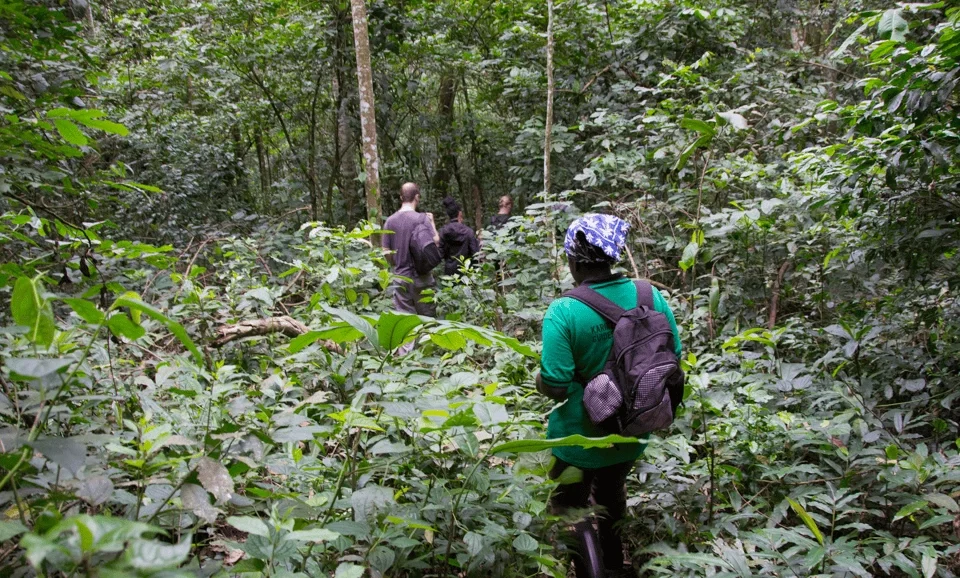
Canopy walk in Nyungwe Forest
May 19, 2026
Batwa pygmy cultural experience near Bwindi
May 19, 2026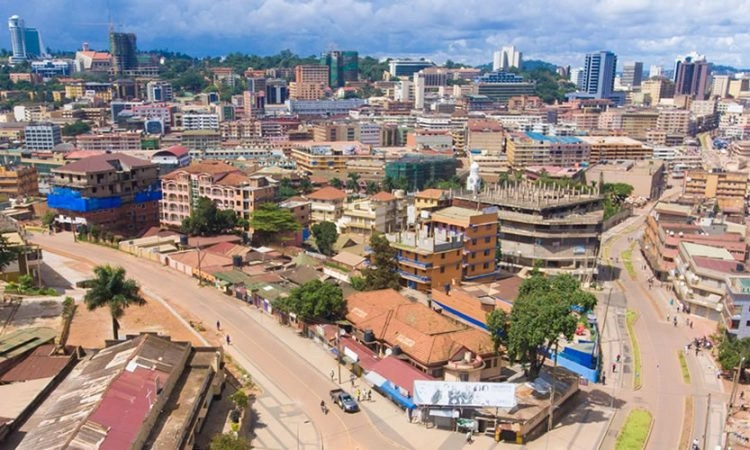
Kampala city tour: top things to do before your Uganda safari. Kampala, Uganda’s vibrant and hilly capital city, is far more than just a stopover point on the way to a wildlife safari. Built across seven hills and pulsing with colour, culture, and history, this East African city deserves at least a full day of your attention before you head out into the wild. Whether you have arrived a day early ahead of your Uganda safari, or are winding down after days in the national parks, Kampala rewards every curious traveller with unforgettable experiences.
This guide covers the very best things to do during a Kampala city tour — from UNESCO World Heritage Sites and sacred royal tombs to bustling local markets and sweeping hilltop mosques. Read on and let the Pearl of Africa’s capital city surprise you.
Why Spend Time in Kampala Before Your Safari?
Many travellers land at Entebbe International Airport, transfer straight to their hotel, and set off into the bush the very next morning. But Kampala offers a cultural foundation that will enrich everything you see and do in the wild. Understanding the Buganda kingdom before you trek through Bwindi, tasting local cuisine before days in remote lodges, and getting a feel for Uganda’s warmth and spirit — all of this sets the tone for an extraordinary adventure.
At Kenlink Tours, we frequently build a Kampala city tour into the opening or closing day of our Uganda private tours, because we genuinely believe that the city and the safari together tell a more complete story of this remarkable country.
1. The Kasubi Tombs — A UNESCO World Heritage Site
No visit to Kampala is complete without a morning at the Kasubi Tombs, one of Uganda’s most profound cultural landmarks and a UNESCO World Heritage Site since 2001. Perched on Kasubi Hill, about five kilometres from the city centre, the site spans nearly 27 hectares and serves as the royal burial ground for four Kabakas (kings) of the Buganda Kingdom.
The main structure, known as the Muzibu Azaala Mpanga, is an architectural triumph built entirely from organic materials — spear grass, palm fronds, wooden poles, and wattle — without a single metal nail. Its massive circular dome, over 31 metres in diameter, is constructed from 52 interlocking rings of reed, each ring representing one of the 52 Ganda clans. After a devastating fire destroyed the main building in 2010, a meticulous community-led restoration was completed in 2023, and the site was removed from UNESCO’s World Heritage in Danger list that same year.
Visiting today means walking into a living spiritual sanctuary where royal rituals are still performed, and where the widows of the kings — descendants of the royal family — sit in quiet vigil. Come with respectful curiosity and leave with a deep appreciation for the resilience of Ugandan culture.
Practical tip: Arrive at opening time (around 8:00 AM) to avoid crowds, dress modestly, and remove your shoes before entering the main tomb. A local guide on-site will bring the history to life in ways no written account can match.
2. The Uganda Museum — An Essential Cultural Primer
A short drive from the city centre, the Uganda Museum on Kitante Road is the oldest museum in East Africa, founded in 1908. It houses a rich collection of archaeological artefacts, traditional musical instruments, craft displays, and ethnographic exhibits that trace the history and cultural diversity of Uganda’s more than 56 ethnic groups.
For travellers preparing for a Uganda safari with Kenlink Tours, the museum is the perfect primer. You will encounter the tools of traditional hunters, discover the origins of Buganda’s bark cloth — a UNESCO-recognised intangible cultural heritage — and gain context for the communities you may visit later in your journey. Allow at least 90 minutes to explore properly, and don’t miss the outdoor exhibits of traditional homesteads.
The museum is managed by the Uganda Museum and Monuments Department under the Ministry of Tourism, Wildlife and Antiquities. Entry fees are modest and well worth it for the depth of knowledge you gain.
3. The Uganda National Mosque (Gaddafi Mosque) — Kampala’s Tallest Tower
Rising dramatically from Old Kampala Hill, the Uganda National Mosque — commonly known as the Gaddafi Mosque — is the largest mosque in sub-Saharan Africa and one of Kampala’s most striking landmarks. Originally constructed with funding from Libya, the mosque dominates the city skyline with its gleaming white minarets and copper-tinted dome.
Even if you are not Muslim, visitors of all faiths are warmly welcomed to tour the interior. The highlight for most visitors, however, is climbing to the top of the minaret tower — a climb that rewards you with a breathtaking 360-degree panorama across Kampala’s rolling hills. From up there, you can see the city sprawl across its famous seven hills, Lake Victoria glinting in the distance, and the patchwork of red-roofed buildings and lush green gardens that give Kampala its unique character.
The fee to climb the minaret is just a few US dollars per person — an incredible bargain for one of the best views in East Africa. Modest dress (long trousers, covered shoulders, and a scarf for women) is required, and this is provided at the entrance if needed.
4. The Namugongo Martyrs Shrine — Sacred Ground of Great Significance
Located about 12 kilometres northeast of central Kampala, the Namugongo Martyrs Shrine is one of Africa’s most important pilgrimage sites and a deeply moving destination for travellers of any faith. It commemorates the 22 Catholic and 23 Anglican martyrs — young pages of the Buganda royal court — who were executed between 1885 and 1886 on the orders of Kabaka Mwanga II for refusing to renounce their Christian faith.
The Catholic shrine features a distinctive circular church built in the shape of a traditional Buganda hut, while the Anglican shrine stands nearby in quiet dignity. Every year on 3 June, the feast day of the Uganda Martyrs, hundreds of thousands of pilgrims from across Africa and beyond converge on Namugongo for one of the continent’s largest religious gatherings. The Uganda Tourism Board regularly cites Namugongo as one of the country’s most visited cultural and spiritual sites.
For travellers with an interest in history, faith, and the complex legacy of colonialism in East Africa, this is a deeply rewarding stop.
5. Owino Market (St. Balikuddembe Market) — The Heartbeat of Kampala
If you want to understand daily life in Kampala, spend an hour navigating the organised chaos of Owino Market, officially known as St. Balikuddembe Market, in the heart of the city. Sprawling across several city blocks, Owino is one of the largest open-air markets in East Africa, where thousands of vendors sell everything from fresh produce, second-hand clothing, and traditional herbs to handcrafted jewellery, batik fabrics, and local spices.
It is noisy, colourful, and completely alive — a full sensory immersion into Ugandan commerce and daily community. Bargaining is expected and good-humoured. Try a rolex (Uganda’s beloved street food — eggs and vegetables rolled in a chapati) from a stall near the market entrance, and keep your camera discreet and your bag close.
For travellers on any of our discounted Uganda tour packages, a market visit can easily be woven into your Kampala city day without any additional cost.
6. Ndere Cultural Centre — Uganda’s Cultures on One Stage
For an evening that celebrates the extraordinary diversity of Ugandan music, dance, and storytelling, the Ndere Cultural Centre on Ntinda Road is unmissable. Founded by ethnomusicologist Stephen Rwangyezi, the centre hosts regular performances featuring traditional dances from across Uganda’s 56-plus tribes, including the energetic Kiganda dance of the Baganda, the acrobatic routines of the Acholi, and the stately rhythms of the Bunyoro.
The performances are professional, joyful, and expertly narrated, giving international visitors genuine insight into the cultures they may encounter during their Uganda safari adventure. Dinner is served at the centre’s restaurant, with a menu of Ugandan dishes including matoke (steamed green bananas), grilled tilapia, groundnut stew, and freshly pressed tropical juices. Check the performance schedule with your Kenlink Tours guide as shows typically run on Wednesday, Friday, and Sunday evenings.
7. The Bahá’í Temple — A Hilltop Sanctuary of Peace
Perched on Kikaya Hill in the northern suburbs of Kampala, the Bahá’í House of Worship is one of only eight continental Bahá’í temples in the world, and one of the most beautiful buildings in all of East Africa. The elegant white dome, surrounded by lush tropical gardens, is open to visitors of all faiths and backgrounds — a place of quiet reflection and breathtaking architecture.
The temple was completed in 1961 and offers sweeping views of the city from its hilltop position. The serenity here is a welcome contrast to the busy streets below, and many travellers describe it as one of the most unexpectedly moving stops on any Kampala city tour. Entry is free, and the gardens are immaculate.
8. Entebbe — A Half-Day Trip Worth Taking
Just 40 kilometres south of Kampala along the shores of Lake Victoria sits Entebbe, the quiet lakeside town that is home to Uganda’s international airport. Most safari travellers pass through Entebbe purely for logistics, but it deserves a proper visit of its own. The Uganda Wildlife Education Centre (UWEC) in Entebbe is an excellent wildlife sanctuary where you can encounter shoebill storks, chimpanzees, lions, and numerous other species in a well-maintained setting — a great option if you want a wildlife taster before heading into the national parks.
The Entebbe Botanical Gardens, established in 1898, stretch along the Lake Victoria shoreline and are one of the most peaceful green spaces in Uganda. Birdwatchers will find over 150 species in just a couple of hours. Sitting by the lake at sunset, watching the fishing boats come in, is one of those quietly perfect Uganda moments that stays with you long after you return home.
For a luxury Uganda safari that begins and ends in Entebbe, we can arrange a seamless Entebbe experience as part of your tailored itinerary.
Practical Tips for Your Kampala City Tour
Getting around Kampala is best done with a trusted, experienced driver-guide rather than trying to navigate independently, particularly in peak traffic hours. Roads can be congested, especially on the hill routes between major attractions. At Kenlink Tours, all of our Uganda safari packages can include a dedicated city tour on arrival or departure day, complete with a professional guide who knows the city’s hidden gems as well as the main landmarks.
The best time to explore Kampala is during the dry seasons — June to August and December to February — when the roads are more manageable and the weather is pleasant. However, Kampala is a year-round destination, and even in the rainy season, the city’s covered markets, cultural centres, and indoor attractions make for engaging days out.
Currency in Uganda is the Ugandan Shilling (UGX), and US dollars are widely accepted at major attractions. ATMs are readily available in the city centre. For any questions about health, visa requirements, and travel preparation, the Uganda Tourism Board and the Uganda Wildlife Authority both maintain up-to-date visitor information on their official websites.
Plan for your Kampala city tour: top things to do before your Uganda safari
Kampala is not simply a gateway — it is a destination in its own right. A day spent exploring its tombs, mosques, markets, and cultural stages will deepen your connection to Uganda long before you spot your first silverback gorilla in Bwindi or your first lion pride on the savannah of Queen Elizabeth National Park.
At Kenlink Tours, we have been crafting unforgettable Uganda journeys since 2010, and we believe the best safaris begin long before you enter the national park. They begin the moment you arrive in this extraordinary country and open your eyes to everything it has to offer.
Ready to start planning? Explore our Uganda safari packages or get in touch with our team to build a custom itinerary that includes a Kampala city tour tailored perfectly to your travel style and schedule.
Travelers also search about: