- EXPERT'S HELP
- +256789210067
- +256200955001
- info@kenlinktours.com


Batwa pygmy cultural experience near Bwindi
May 19, 2026
Complete guide to Queen Elizabeth National Park
May 20, 2026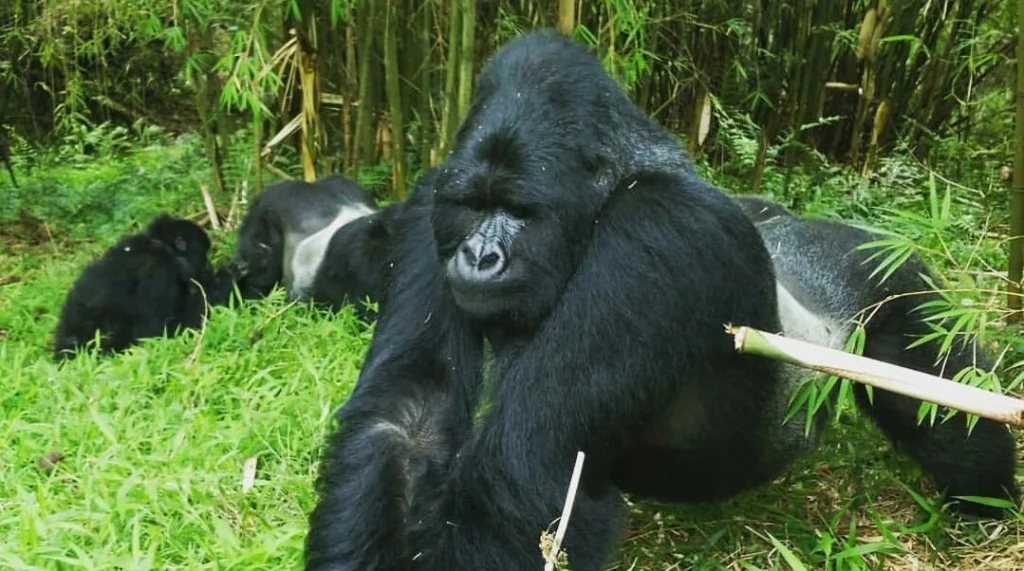
Tipping guide for Uganda and Rwanda safaris. Planning a safari in Uganda or Rwanda is one of the most extraordinary decisions a traveller can make. From locking eyes with a mountain gorilla in the misty forests of Bwindi to watching lions prowl the savannahs of Queen Elizabeth National Park, every moment is unforgettable. But as you prepare your itinerary, pack your gear, and finalise your permits, there is one practical detail that many visitors overlook: tipping. Understanding who to tip, how much to give, and when to do it can make your experience smoother, more meaningful, and far more impactful for the people who make your adventure possible.
At Kenlink Tours, we believe that responsible travel goes hand in hand with supporting the communities and individuals who bring your safari to life. This guide is designed to give you a clear, honest, and practical breakdown of tipping etiquette across both Uganda and Rwanda.
Why Tipping Matters on East African Safaris
Tipping is not legally required in Uganda or Rwanda, and no one will demand it from you. However, it is deeply appreciated and carries far more weight than a simple financial gesture. The rangers, guides, porters, and lodge staff who serve you often earn modest base salaries, and gratuities represent a meaningful supplement to their income — sometimes funding school fees, healthcare, and daily essentials for their families.
There is also a broader conservation dimension to consider. When tourism professionals feel genuinely valued and financially supported, they are more motivated to protect the wildlife and ecosystems that draw visitors in the first place. Tipping is, in a very real sense, an investment in sustainable safari culture. It reinforces the vital link between conservation and community prosperity — a principle that underpins everything we do at Kenlink Tours.
Tipping in Uganda: A Park-by-Park Breakdown
Uganda, known as the Pearl of Africa, is home to an astonishing diversity of wildlife and landscapes. From gorilla trekking in Bwindi Impenetrable National Park to chimpanzee tracking in Kibale and game drives in Murchison Falls, there are many safari professionals who contribute to a great experience. Here is who to tip and how much.
Your Safari Driver and Guide
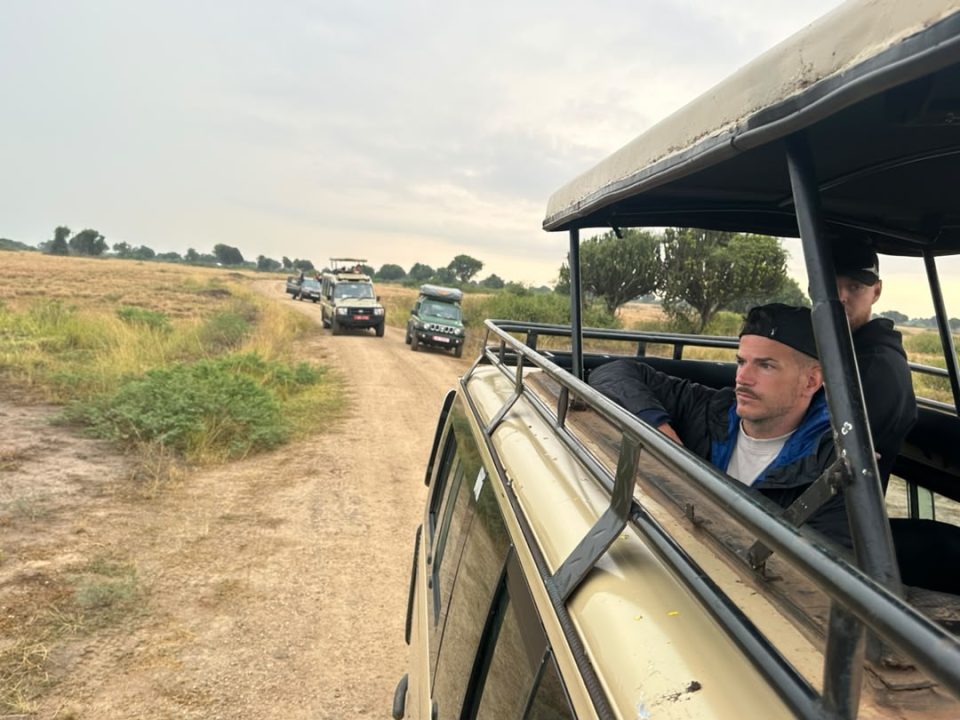
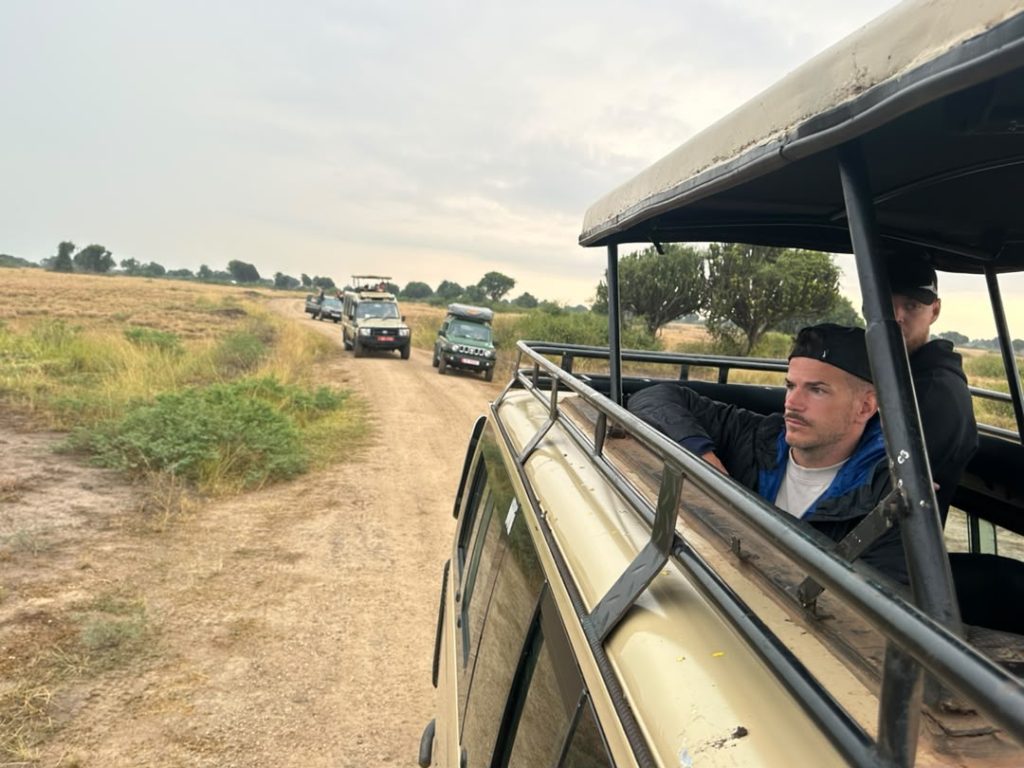
Your driver-guide is typically your closest companion throughout the trip — navigating roads, identifying wildlife, sharing knowledge, and ensuring your safety. For a Uganda safari, a standard tip for your driver-guide is USD 10 to USD 15 per person, per day. If you are travelling as a couple or a small group, tip per person rather than as a flat vehicle rate, as this more accurately reflects the effort involved.
For shorter game drives or half-day excursions, a tip of around USD 5 to USD 10 per person is appropriate. Always factor in the quality of the experience — a guide who spots a rare shoebill stork or goes out of their way to find leopards deserves recognition for that effort.
Gorilla Trekking Guides and Park Rangers
Gorilla trekking is the centrepiece of most Uganda safari itineraries, especially for those visiting Bwindi Impenetrable National Park or Mgahinga Gorilla National Park. The Uganda Wildlife Authority (UWA) employs highly trained rangers and trackers who are responsible for your safety and for protecting the gorilla families year-round.
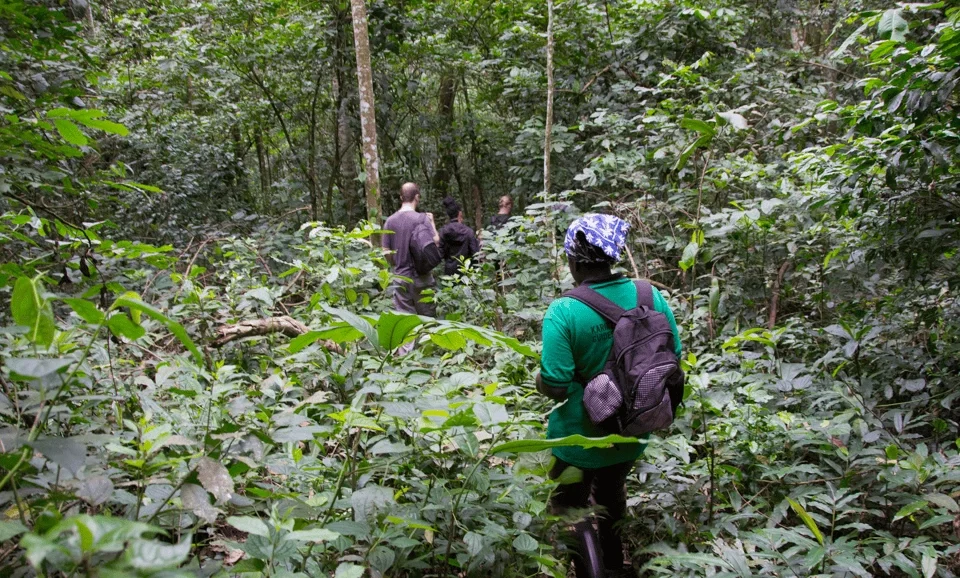
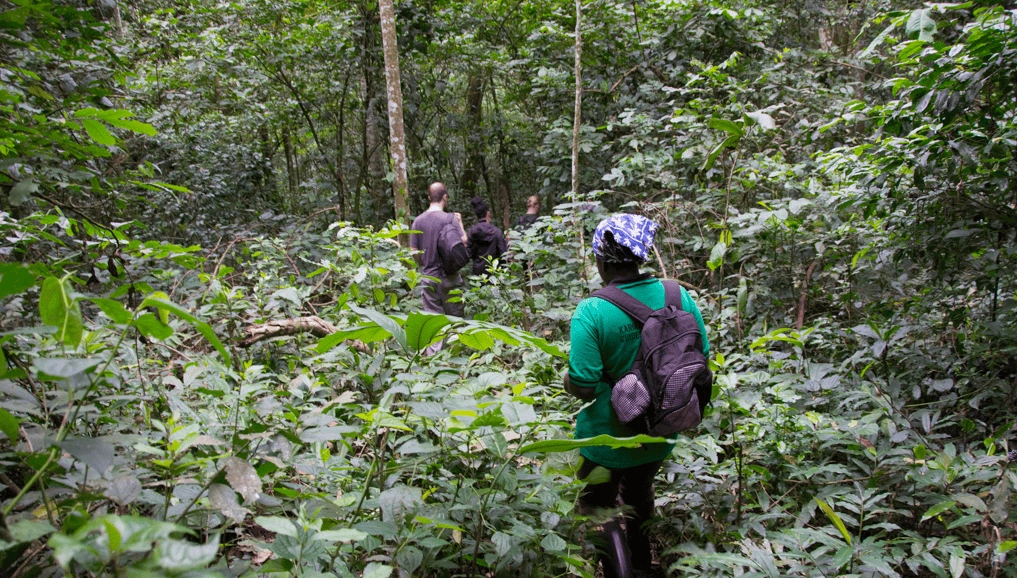
For gorilla trekking, the recommended tip is USD 15 per person for the lead ranger/guide, given directly or placed in the central tip box if one is provided, where it will be distributed among the full tracking team, including porters and scouts. The team effort is considerable — trackers may have been in the forest since dawn locating the gorilla family before you arrive.
Porters
Hiring a porter in Uganda is optional but highly recommended, especially on steep and muddy gorilla trekking trails. Porters carry your daypack, steady you on difficult terrain, and make the trek significantly more manageable. They are typically hired for around USD 15 to USD 20 per porter per day, with a tip of USD 5 to USD 20 per guest on top, depending on the difficulty of the hike and the quality of support provided. Where a group shares porters, tipping collectively and allowing the porters to divide the amount equally is a common and appreciated approach.
Lodge and Hotel Staff
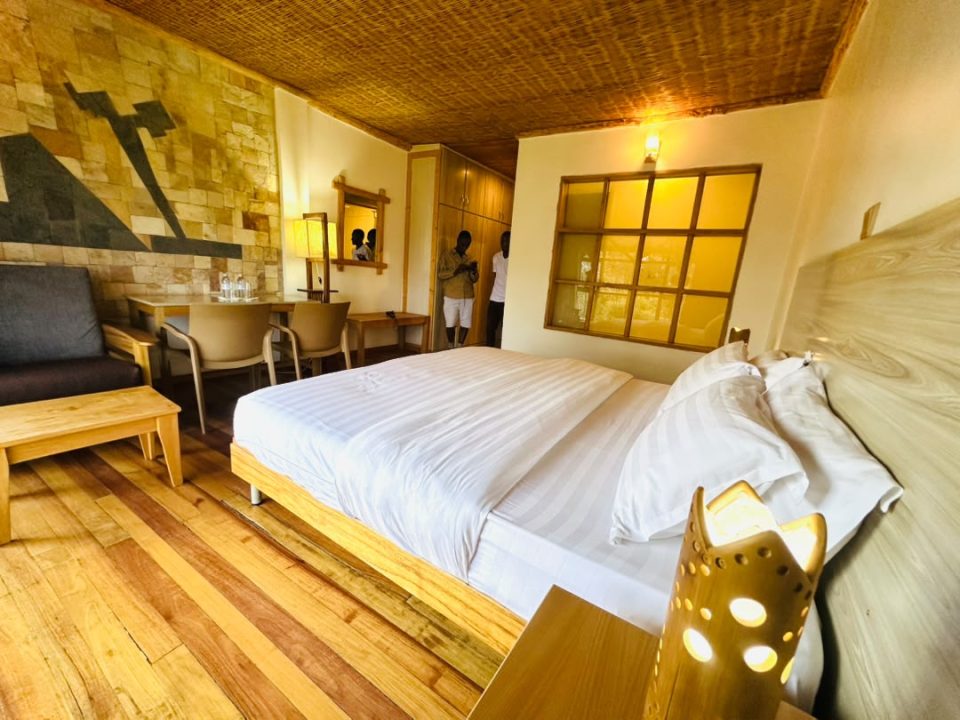
Whether you are staying in a luxury eco-lodge overlooking the crater lakes or a comfortable mid-range camp near Bwindi, the behind-the-scenes staff — cooks, housekeeping, waitstaff, and porters — work hard to make your stay comfortable. A tip of USD 3 to USD 5 per person, per day is standard for lodge staff overall. This can be given as a lump sum placed in the tip box at reception upon checkout, ensuring it is shared equitably among all who served you.
Cultural Performers
Uganda’s cultural encounters — from Batwa forest walks to traditional music performances near national parks — are moving and educational experiences. If you attend a cultural show or village visit, a tip of USD 5 to USD 10 per person for the performing group is a thoughtful gesture.
Tipping in Rwanda: Gorilla Country with a Premium Touch
Rwanda has positioned itself as a premier, high-value safari destination, managed with remarkable precision by the Rwanda Development Board (RDB). Tipping culture here mirrors the country’s commitment to quality and professionalism. Whether you are on a Rwanda-Uganda connecting safari or exploring Rwanda independently, the following guidelines will serve you well.
Your Safari Driver and Guide
In Rwanda, the standard tip for a safari driver-guide is USD 10 to USD 15 per person, per day. For day trips or shorter excursions within Rwanda — such as transfers from Kigali to Volcanoes National Park — a tip in the range of USD 10 to USD 15 per vehicle for the day is appropriate.
Rwandan driver-guides are known for their professionalism and detailed knowledge of both wildlife and local culture. If your guide goes beyond expectations — sharing stories, arranging special viewpoints, or navigating confidently through difficult terrain — do not hesitate to tip above the standard range.
Gorilla Trekking Guides and Trackers
Rwanda’s gorilla trekking experience in Volcanoes National Park is arguably the most refined gorilla encounter on the continent. The guides and trackers who lead these treks are expert professionals operating under strict protocols overseen by the RDB. Tipping here is especially meaningful given the physical demands of their work.
The recommended tip is USD 15 to USD 20 per person for the head ranger/guide, and a similar collective amount of USD 15 to USD 20 shared among the tracking team. Many travellers on combined Rwanda and Uganda gorilla trekking itineraries find that tipping generously in both parks creates a genuinely warm rapport with their guides — and often results in even richer wildlife encounters.
Porters in Rwanda
Porters are available for hire at the entrance to Volcanoes National Park. Given the altitude — the park ranges from 2,400 to over 4,500 metres — engaging a porter is wise for most visitors. The going rate includes a base hire fee, with an additional tip of USD 10 to USD 20 per person on top, reflecting the steep volcanic terrain they navigate alongside you. Hiring a porter also directly supports local community members living near the park, contributing to the conservation-first model that Rwanda champions.
Lodge and Hotel Staff in Rwanda
Rwanda’s lodges range from comfortable mid-range guesthouses to world-class luxury retreats. Regardless of the accommodation level, the staff who keep things running — from breakfast through to evening meals — deserve acknowledgement. A tip of USD 3 to USD 5 per person, per day is a good baseline. For longer stays or particularly attentive service, USD 5 to USD 10 per day per person is entirely appropriate. Tips can be handed directly to staff members you wish to recognise, or left at the front desk upon departure.
Practical Tips: Currency, Timing, and Etiquette
Use US Dollars. Both Uganda and Rwanda widely accept US dollars in the tourism sector. While Uganda’s local currency is the Ugandan Shilling (UGX) and Rwanda uses the Rwandan Franc (RWF), US dollars are universally understood and accepted for tips. Smaller denominations — USD 1, USD 5, USD 10, and USD 20 notes — are most practical.
Carry cash from the start. Tips cannot be added to card payments in either country. Bring your tipping budget in cash from home or withdraw it in Kigali or Kampala before heading into the parks. ATMs are scarce near national parks and may not accept all international cards.
Time your tip well. Tip park rangers and gorilla trackers at the end of the trekking experience, before you leave the park. Tip your driver-guide at the end of each day or at the conclusion of the trip. Lodge staff should be tipped upon checkout. Cultural performers receive their tip at the end of the performance.
Be discreet and personal. Avoid handing over money in a showy public manner. A quiet, direct handshake with the tip enclosed — or a brief, genuine word of thanks alongside the gratuity — is always more meaningful than a performative gesture.
Group travel. If you are travelling as part of a group, decide in advance whether each person will tip individually or whether the group will pool together and present a collective tip. Either approach is acceptable; just ensure the amount reflects the size of the group and the collective effort of the team who served you.
Quick Reference Tipping Chart
| Who | Uganda | Rwanda |
|---|---|---|
| Safari Driver/Guide | USD 10–15 per person/day | USD 10–15 per person/day |
| Gorilla Trek Lead Guide | USD 15 per person | USD 15–20 per person |
| Gorilla Tracking Team | USD 15 shared (from group) | USD 15–20 shared (from group) |
| Porter | USD 5–20 per person | USD 10–20 per person |
| Lodge/Hotel Staff | USD 3–5 per person/day | USD 3–5 per person/day |
| Cultural Performers | USD 5–10 per person | USD 5–10 per person |
Final Thoughts: Tipping as Part of Responsible Travel
Tipping is one of the simplest and most direct ways to ensure that tourism benefits the people and communities at the heart of East Africa’s most treasured wild places. It is not about following rigid rules — it is about recognising effort, expertise, and dedication with the respect they deserve.
Whether you are embarking on a tailor-made safari across Uganda and Rwanda, starting your adventure with a trip from Kigali into Uganda, or booking a private tour through Uganda’s national parks, Kenlink Tours is here to help you prepare for every dimension of the experience — including those small, meaningful acts that make a big difference to the people you meet along the way.
Ready to start planning? Visit our Uganda Safari Bookings page, or contact our team to begin designing your perfect East Africa safari today.