- EXPERT'S HELP
- +256789210067
- +256200955001
- info@kenlinktours.com


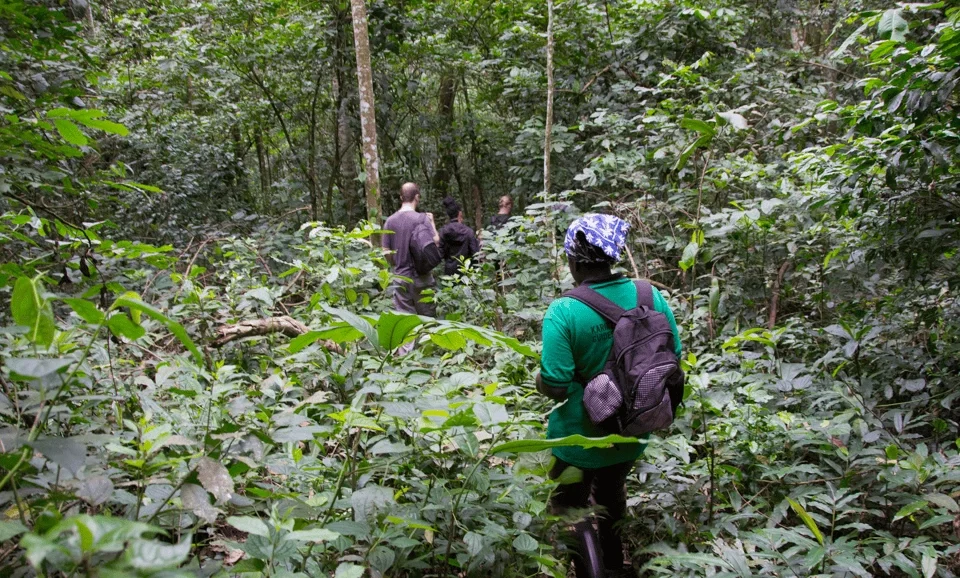
Murchison Falls Chimp Trekking
May 20, 2026
Rhino tracking in Ziwa Uganda
May 20, 2026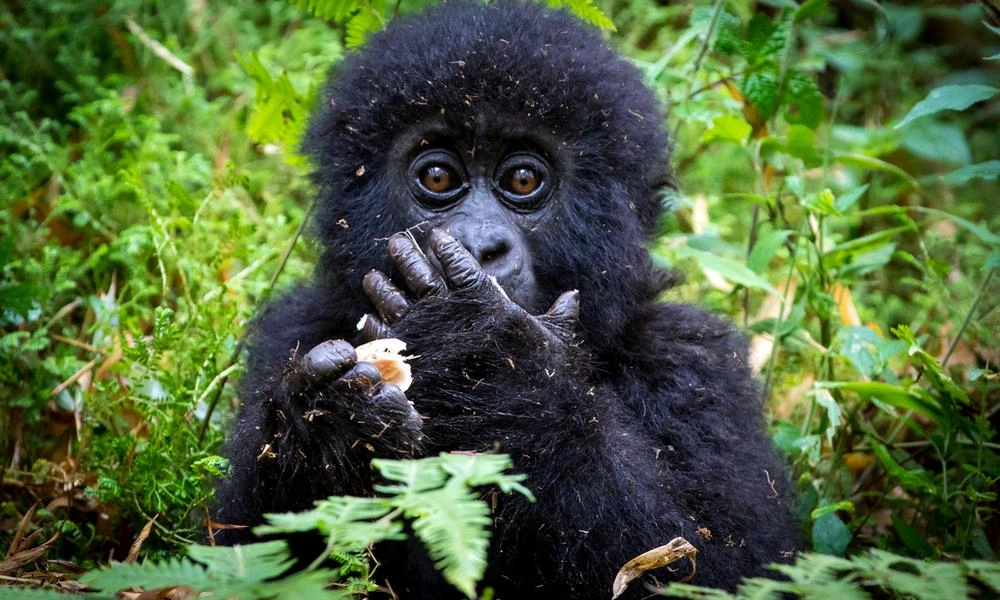
Best time of year to go gorilla trekking in Uganda and Rwanda. Standing a few metres from a 200-kilogram silverback mountain gorilla in the ancient mist of an equatorial rainforest is one of the most profound wildlife experiences on earth. Uganda and Rwanda are the two most accessible destinations for this encounter, sharing the Virunga Massif and sheltering more than 1,000 of the roughly 1,063 mountain gorillas left in the wild. But one question lands in every traveller’s inbox before anything else: when is the best time to go?
The honest answer is that gorilla trekking is possible all year round. Mountain gorillas do not migrate or hibernate — they roam their forest territory regardless of the calendar. That said, timing your visit thoughtfully makes the difference between a muddy, exhausting scramble and a smoother, more photogenic adventure. At Kenlink Tours, we have guided travellers through every season, and this guide captures exactly what you need to know.
Understanding the Seasons in Uganda and Rwanda
Both Uganda and Rwanda straddle the equator, which means neither country has a traditional summer or winter. Instead, they cycle through two dry seasons and two rainy seasons each year.
The long dry season runs from June through September. This is peak trekking season and the period most widely recommended. Rainfall is at its lowest, forest trails in Bwindi Impenetrable National Park and Volcanoes National Park are firmer underfoot, and the skies are clear enough for stunning photography. Wildlife visibility also improves because the dense vegetation thins slightly without constant rain feeding it. This window aligns with the Northern Hemisphere summer holidays, which is why gorilla permits sell out fastest during these months — sometimes as much as six months in advance.
The short dry season runs from December through February. It is shorter than the June–September window but nearly as rewarding. Trails are drier, temperatures are pleasant, and many experienced travellers actually prefer this period because crowds are smaller than the July–August peak. It also coincides perfectly with the Christmas and New Year holiday season, making it a popular choice for families and couples combining a gorilla safari with time on the Ugandan and Rwandan landscapes.
The long rainy season falls from mid-March through May. This is widely considered the most challenging time to trek. Rain can be persistent, the forest floor turns slippery, and trekkers sometimes spend several hours navigating steep, muddy terrain before locating a gorilla family. That said, this is also the period with the lowest prices on lodges, and the forest itself is spectacularly lush and green. If budget is your primary concern and you are physically fit and well-prepared, the rainy season offers real value. Explore our budget gorilla trekking packages for options across all seasons.
The short rainy season runs from mid-October through November. Conditions are unpredictable but typically not as severe as the March–May rains. Some experienced trekkers seek out October specifically — the landscape remains verdant from the wet months, the gorilla families are still active, and tourist numbers drop enough to create a quieter, more intimate experience.
The Peak Season: June to September
If you want the easiest trekking conditions and the widest range of tour combinations, June to September is your window. According to the Uganda Wildlife Authority (UWA), this period sees the highest permit demand across both Bwindi Impenetrable National Park and Mgahinga Gorilla National Park. Permits in Uganda cost USD $800 per person, while in Rwanda they are USD $1,500 — and during peak season, both countries’ allocations fill up remarkably fast.
This season also aligns beautifully with other East African wildlife events. The wildebeest migration in the Masai Mara peaks between July and September, making it practical to combine a gorilla trek in Uganda with a Kenya safari. Murchison Falls and Queen Elizabeth National Park — Uganda’s flagship savannah parks — are also at their best during the dry months. At Kenlink Tours, our Uganda gorilla and wildlife safari packages are designed to make the most of this combination.
One practical note: because June–August is so popular, book your gorilla permits at least four to six months ahead. Your place is not confirmed until the permit is secured, and availability can dry up as early as January for the following July.
The Hidden Gem: December to February
December through February is arguably the best-kept secret in gorilla trekking. The short dry season delivers conditions nearly identical to the June–September peak, yet crowds are noticeably smaller. Lodges often offer more competitive rates, and the festive atmosphere around Christmas and New Year adds a celebratory dimension to the trip.
The Rwanda Development Board (RDB), which oversees gorilla permits for Volcanoes National Park, notes that this period offers a superb window for trekkers seeking excellent conditions without the pressure of the summer rush. Volcanoes National Park in Rwanda is also more accessible than some imagine — Kigali’s international airport is just a two-hour drive from the park headquarters at Kinigi. If you are considering Rwanda as your gorilla trekking destination, our Rwanda gorilla trekking tours include transfers, permits, and expert naturalist guides.
For Uganda, December is particularly rewarding. The Bwindi forest is alive with birdsong, the gorilla families are active, and the cooler evenings make sleeping in forest lodges genuinely comfortable. Permits for December should ideally be booked three to four months in advance.
Trekking During the Rainy Season: What to Expect
Some of Kenlink Tours’ most memorable guest stories come from the rainy season. Yes, the trails are slippery. Yes, you may spend longer in the forest. But witnessing a gorilla family sheltering under a broad forest canopy while rain drums on the leaves above you is a scene that no photograph can fully capture.
The rainy season also tends to bring the gorillas lower down the slopes in search of food, which can actually shorten trekking times. The bamboo zones of the Virungas — both in Rwanda’s Volcanoes National Park and Uganda’s Mgahinga Gorilla National Park — fill with fresh shoots that the gorillas actively seek out, making sightings in this vegetation type particularly likely.
If you plan to trek in the rainy season, sturdy waterproof hiking boots with ankle support are essential. Hiring a local porter — which directly supports community livelihoods — is highly recommended for managing steep terrain. Kenlink Tours always provides a full pre-departure kit list so you arrive prepared. Learn more on our gorilla trekking preparation guide.
Uganda vs Rwanda: Does Season Affect the Choice?
The climate patterns in Uganda and Rwanda are closely aligned since both countries straddle the same equatorial belt. However, there are subtle differences worth considering.
Bwindi Impenetrable National Park in Uganda sits at elevations between 1,160 and 2,607 metres. At higher altitudes — particularly in the Ruhija sector — mornings can be surprisingly cold even in the dry season. Bwindi also receives rain more frequently than its reputation might suggest; it is, after all, a rainforest. That said, the dry seasons genuinely bring lighter rainfall and more manageable conditions.
Volcanoes National Park in Rwanda is set against the dramatic backdrop of the Virunga Volcanoes, with the iconic peaks of Bisoke, Karisimbi, and Sabyinyo forming the horizon. At around 2,400 metres, it is slightly more exposed and can feel colder and windier than lower sections of Bwindi. During the dry season, the views across the volcanic landscape are breathtaking and photography is at its finest.
According to conservation research published by the Dian Fossey Gorilla Fund, gorilla behaviour varies little with the seasons — they remain within their ranges year-round. What changes is the human experience of reaching them.
Booking Tips and Permit Advice
Regardless of the season you choose, here are the most important practical points:
Book permits early. For the June–September and December–February seasons, booking four to six months ahead is standard. For the rainy season, two to three months is usually sufficient.
Combine your trek with other experiences. Uganda offers chimpanzee tracking in Kibale Forest, white-water rafting on the Nile in Jinja, and savannah game drives in Queen Elizabeth and Murchison Falls. Rwanda pairs gorilla trekking beautifully with golden monkey tracking in Volcanoes National Park and the cultural richness of Kigali. Our combined Uganda and Rwanda safari itineraries are among the most popular packages we offer.
Hire a porter. Available at all major trailheads, porters carry your daypack, help you navigate difficult terrain, and provide community employment. It is one of the most straightforward ways to contribute directly to the families living adjacent to gorilla habitat.
Pack right. Essentials include waterproof hiking boots, long-sleeved clothing (to protect against stinging nettles), a rain jacket even in the dry season, high-energy snacks, and a camera with a good zoom lens.
When Should You Go?
If peak conditions matter most to you, plan for June, July, or August. If you want excellent conditions with fewer crowds and a festive atmosphere, choose December or January. If you are flexible on budget and seeking an immersive, adventurous experience, the shoulder months of October or February offer a compelling middle ground.
Whatever month you choose, the encounter itself — locking eyes with a mountain gorilla a few feet away, watching a juvenile tumble through the undergrowth while the silverback watches protectively — is a memory that will last a lifetime. The gorillas are there every month of the year. The only question is when you will be ready to join them.
Start planning your gorilla trekking safari today with Kenlink Tours — our expert team is on hand to help you find the perfect window, secure your permits, and build an itinerary you will never forget.
You may also like: