- EXPERT'S HELP
- +256789210067
- +256200955001
- info@kenlinktours.com


Rwanda Safari Travel Tips for First-Time Visitors
March 1, 2026
High-End Safari Lodges in Uganda and Rwanda
March 1, 2026
Best Time to Visit Uganda and Rwanda for Safari Holidays. Choosing the best time to visit Uganda and Rwanda for safari holidays plays a major role in the quality of your overall experience. Both countries offer year-round safari opportunities, including gorilla trekking, wildlife safaris, birding, and cultural tours. However, weather patterns, travel seasons, and wildlife movements can influence trekking conditions, road access, and visitor numbers.
Uganda and Rwanda lie along the equator, meaning temperatures remain fairly stable throughout the year. The main differences between seasons are rainfall levels, vegetation density, and crowd sizes. Understanding these factors will help you plan the perfect safari holiday based on your interests, budget, and travel style.
Overview of Climate in Uganda and Rwanda
Uganda and Rwanda experience a tropical climate with two dry seasons and two rainy seasons each year. Temperatures typically range between 18°C and 30°C depending on altitude and location.
Rainfall patterns are similar in both countries, especially in western Uganda and northern Rwanda where most safari parks are located. While rain can affect trekking conditions, it rarely disrupts wildlife viewing entirely.
Because of their diverse landscapes—savannahs, rainforests, lakes, and mountains—both countries offer rewarding safari experiences in every season.
Best Time for Gorilla Trekking in Uganda and Rwanda
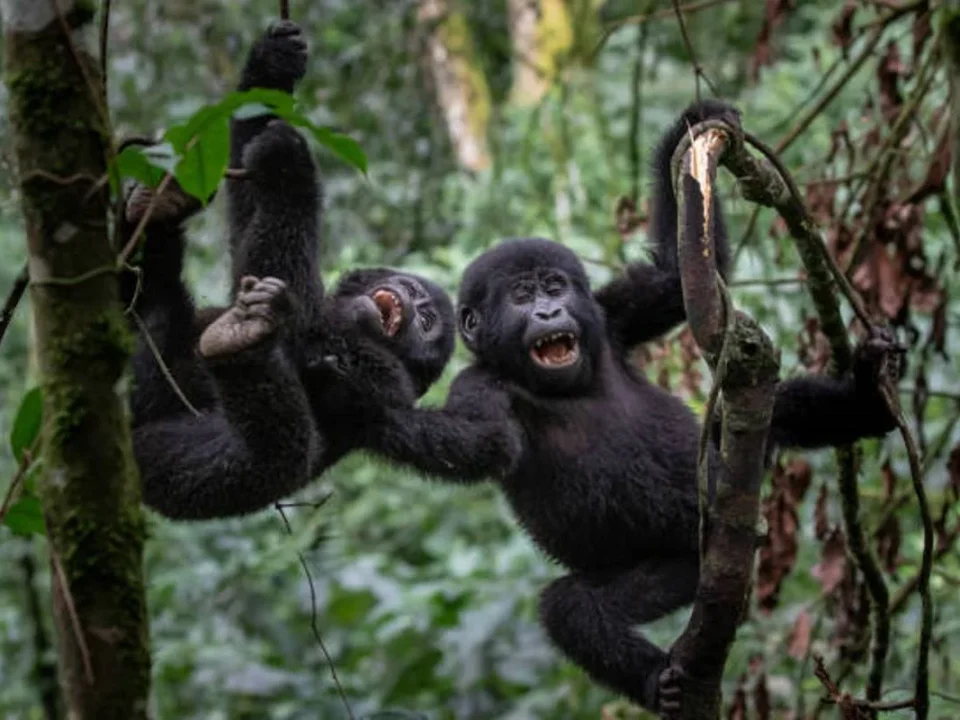
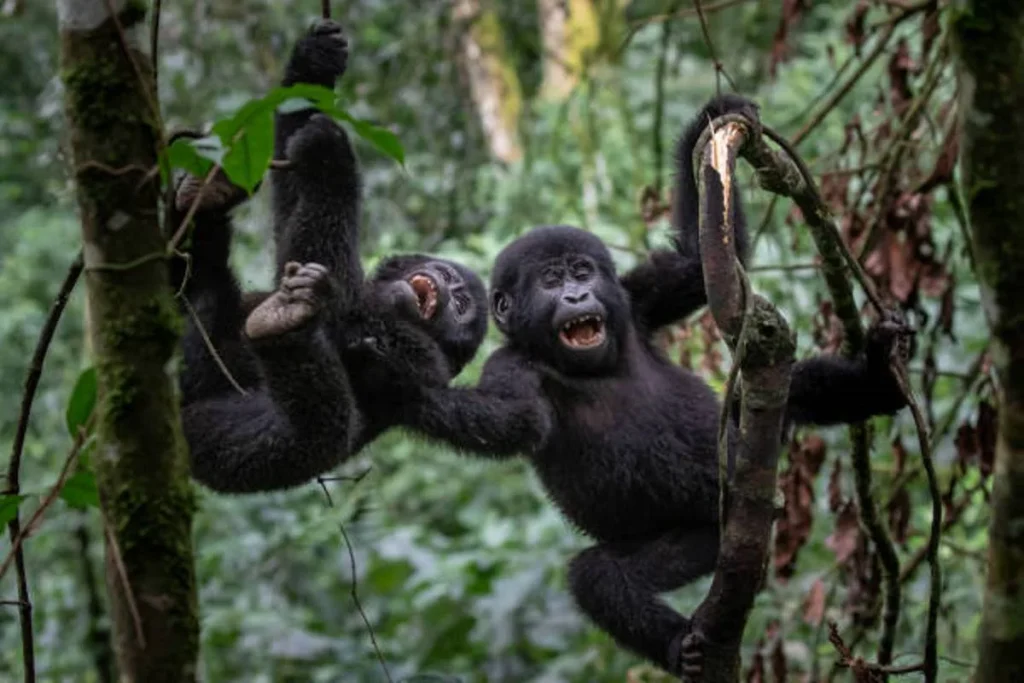
Gorilla trekking is the top safari activity in both countries and is available year-round. However, the dry seasons are generally considered the best time for trekking.
The most favorable months are June to September and December to February. During these periods, forest trails are less muddy, making hikes easier and more comfortable. Visibility for photography is also improved.
Gorilla trekking takes place in:
-
Bwindi Impenetrable National Park
-
Mgahinga Gorilla National Park
Even during rainy seasons, gorilla sightings are almost guaranteed since gorillas do not migrate. Some travelers prefer these months due to fewer visitors and greener scenery.
Best Time for Wildlife Safaris in Uganda
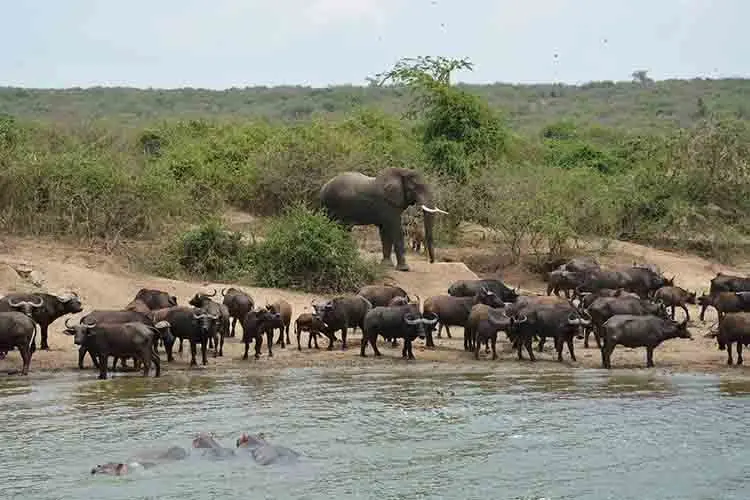
Uganda offers classic savannah wildlife safaris in several national parks. The dry seasons are ideal for game viewing because animals gather around water sources and vegetation is less dense.
The best months for wildlife safaris are January to February and June to September.
Top wildlife destinations include:
-
Queen Elizabeth National Park for tree-climbing lions and boat safaris
-
Murchison Falls National Park for Big Five sightings and Nile cruises
-
Kidepo Valley National Park for remote wilderness and exceptional game viewing
During the wet seasons, wildlife is still present, but tall grass and dispersed animals can make sightings slightly more challenging.
Best Time for Wildlife Safaris in Rwanda
Rwanda’s savannah wildlife safaris are centered around:
-
Akagera National Park
The best time to visit Akagera is during the dry seasons, from June to September and December to February. Wildlife viewing is excellent during these months, with higher chances of spotting lions, elephants, giraffes, zebras, and rhinos.
Boat safaris on Lake Ihema are also most enjoyable during dry months, offering clear views and comfortable weather conditions.
Rainy Seasons: Pros and Cons
The rainy seasons in Uganda and Rwanda occur from March to May and October to November.
Advantages of visiting during rainy seasons include lush green landscapes, fewer tourists, and sometimes lower lodge rates. Birding is particularly rewarding during these months due to migratory species.
Challenges include muddy roads, slippery trekking trails, and occasional travel delays in remote areas. However, for travelers who prioritize solitude and scenic beauty, the rainy season can still be an excellent time to visit.
Peak Season vs Low Season Travel
Peak safari season generally coincides with the dry months. During this time, gorilla permits and popular lodges sell out quickly, and prices are usually higher due to demand.
Low season travel offers better availability, quieter parks, and potential cost savings. While weather conditions may be less predictable, the overall safari experience remains highly rewarding.
Early booking is recommended for peak season travel, especially for gorilla trekking permits.
Best Time for Birding Safaris
Uganda and Rwanda are outstanding birding destinations with hundreds of recorded species. Birding is excellent year-round, but the best months are during the rainy seasons when migratory birds are present.
Uganda, in particular, is a birding paradise with diverse habitats ranging from wetlands to forests and savannahs.
Best Time for Combined Uganda–Rwanda Safaris
Combined safaris are best planned during the main dry seasons to ensure smooth cross-border travel and optimal trekking and game viewing conditions.
June to September is especially popular for travelers combining gorilla trekking in one country with wildlife safaris in the other. December to February is also a good option for shorter combined itineraries.
Month-by-Month Safari Highlights
January–February: Dry weather, excellent wildlife viewing, ideal for gorilla trekking
March–May: Lush landscapes, fewer tourists, great for birding
June–September: Peak safari season, best trekking and game viewing conditions
October–November: Short rains, green scenery, quieter parks
December: Festive season, good weather, high demand for permits
When Should You Avoid Traveling?
There is no bad time to visit Uganda and Rwanda for safari holidays. However, travelers who dislike rain or challenging trekking conditions may prefer to avoid April and May, which typically receive the heaviest rainfall.
With proper planning and guidance, safaris can be successfully organized at any time of year.
Booking Your Safari at the Right Time with Kenlink Tours
Understanding the best time to visit Uganda and Rwanda ensures that your safari matches your expectations. Kenlink Tours provides expert advice on seasonal travel, gorilla permit availability, wildlife movements, and accommodation planning.
Whether you prefer peak-season safaris or quieter low-season adventures, your itinerary can be perfectly timed for the best experience.
For bookings and inquiries, contact:
Email: info@kenlinktours.com
Email: inquiries@kenlinktours.com
WhatsApp: +256 789 210 067