- EXPERT'S HELP
- +256789210067
- +256200955001
- info@kenlinktours.com


Mountain gorilla tracking permits for Mgahinga
May 24, 2026
Kibale Forest chimpanzee trekking Tour
May 24, 2026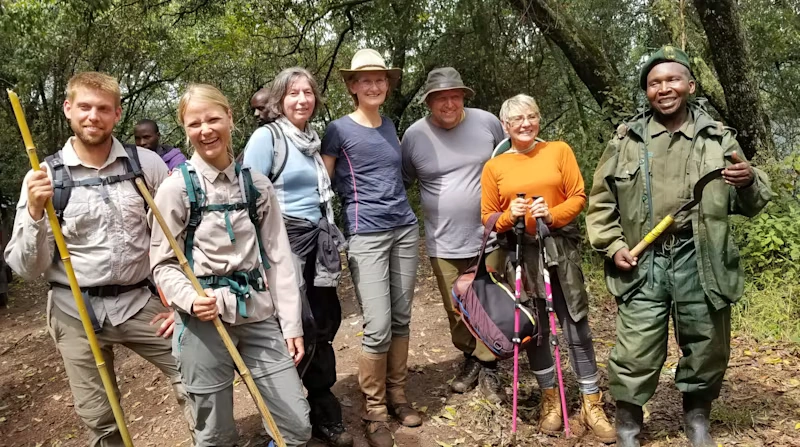
What to wear for gorilla trekking: the complete packing list. Few wildlife experiences on Earth rival the raw, soul-stirring thrill of coming face to face with a mountain gorilla in its natural habitat. Whether you are heading into the misty forests of Bwindi Impenetrable National Park in Uganda or climbing the volcanic slopes of Volcanoes National Park in Rwanda, one thing separates a comfortable, memorable experience from a miserable one — what you wear. Packing the right clothing and gear is not just about comfort; it is about safety, forest etiquette, and respecting the environment these magnificent creatures call home.
At Kenlink Tours, we have been guiding trekkers through East Africa’s greatest primate experiences since 2010, and we know exactly what makes the difference between a smooth trek and one filled with scratches, soaked boots, and stinging insects. This complete packing list covers everything you need to know.
Why What You Wear Matters for Gorilla Trekking
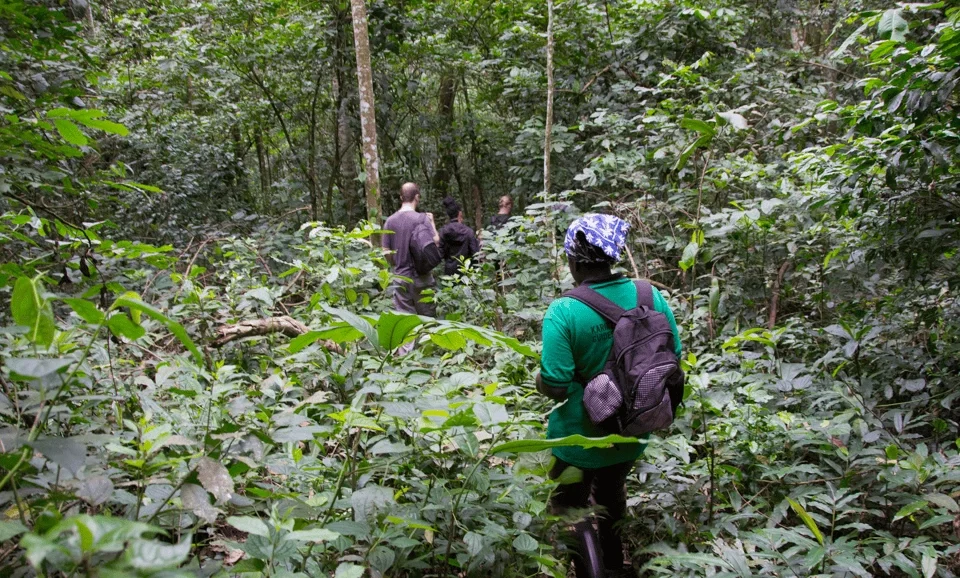
Gorilla trekking is not a gentle stroll through a manicured garden. The terrain inside Bwindi or Volcanoes National Park is dense, wet, often steep, and teeming with stinging nettles, thorny undergrowth, and unpredictable weather. Temperatures can drop sharply at higher elevations, and a rain shower can soak you within minutes. Beyond personal comfort, the Uganda Wildlife Authority and Rwanda Development Board both issue dress code guidelines to reduce the ecological impact on gorillas and their habitat — particularly avoiding bright colors that can startle wildlife, and covering exposed skin to protect against biting insects and plant irritants.
Getting your clothing right means you can focus entirely on the extraordinary moment when a silverback locks eyes with you through the greenery.
The Golden Rule: Dress in Layers
Mountain forests operate on their own schedule. Mornings at trailheads like those near Buhoma or Rushaga in Uganda, or the base of Mount Sabyinyo in Rwanda, can be cold and misty. By midday, humidity rises quickly as you descend into lower vegetation zones. The right layering strategy lets you adapt without carrying a heavy pack. Start with a moisture-wicking base layer, add an insulating mid-layer if trekking in the rainy season, and always carry a waterproof outer shell. This simple system keeps you dry, warm when you need it, and cool as the forest heats up.
Essential Clothing Items: Your Complete Gorilla Trekking Outfit
Lightweight, Long-Sleeved Shirts Always opt for long sleeves — full stop. Stinging nettles are abundant throughout Bwindi and Volcanoes National Parks, and bare arms will quickly become a painful problem. Choose shirts made from lightweight, breathable fabrics such as merino wool or moisture-wicking synthetics. Avoid cotton, which retains moisture and becomes heavy and cold when wet. Stick to neutral or earth-toned colors: khaki, olive green, tan, or brown blend naturally into the environment and are recommended by African Wildlife Foundation guidelines for wildlife encounters.
Long Hiking Trousers Pack at least two pairs of durable, quick-drying long trousers. Lightweight hiking pants with reinforced knees are ideal. Some trekkers prefer zip-off trousers that convert to shorts, but remember — exposed legs are not permitted during the actual gorilla tracking session. Avoid jeans entirely; they are heavy, slow to dry, and restrict movement on steep inclines. If you are planning a longer itinerary such as our 7-Day Wildlife and Primate Safari, having multiple pairs ensures you always have a dry option for the next day.
Waterproof Jacket or Rain Poncho Rain in tropical montane forests arrives without warning. A compact, packable waterproof jacket is non-negotiable. Look for one with a hood, taped seams, and ventilation zips under the arms to prevent overheating. A rain poncho is a lighter alternative but can catch on undergrowth — a fitted jacket is generally preferred by experienced trekkers. Keep it at the top of your day pack so it is accessible in seconds.
Thermal or Fleece Mid-Layer For treks in the colder dry season months (June–September, December–February) or for those trekking at higher elevations such as in the Mgahinga Gorilla National Park area, a lightweight fleece or thermal layer worn under your rain jacket provides essential warmth during pre-dawn briefings and rest stops. On warmer days it can be rolled and stored in your pack without adding significant weight.
Moisture-Wicking Base Layers Your base layer is the foundation of comfort. Merino wool is the gold standard — naturally odor-resistant, temperature-regulating, and quick-drying. Synthetic alternatives such as polyester blends are more affordable and work well. Avoid heavy cotton thermals, which trap moisture and become uncomfortable quickly.
Gaiters Gaiters are one of the most underrated items on the gorilla trekking packing list. They fit over your boots and trouser cuffs, sealing out mud, insects, and debris from the forest floor. Many trekking companies — including the ranger teams in Bwindi — distribute gaiters at the trailhead, but bringing your own lightweight pair ensures a proper fit and adds an extra layer of protection against the notoriously persistent safari ants found along many gorilla tracking routes.
Footwear: The Most Important Decision You Will Make
Waterproof Hiking Boots Invest in a quality pair of waterproof, ankle-supporting hiking boots well before your departure. The trails inside gorilla habitats are muddy, slippery, and often involve crossing small streams or pushing through wet undergrowth. Boots should be broken in — new boots on trekking day are a recipe for blisters. Mid-cut or high-cut designs with a Vibram or equivalent rubber sole provide the grip and ankle support needed on steep or uneven terrain.
Thick Wool or Synthetic Hiking Socks Pack at least three pairs of cushioned, moisture-wicking hiking socks. Wet feet are the single biggest cause of blisters on long treks. Merino wool socks regulate temperature in both cold mornings and warm afternoons, and they resist odor even after multiple wears. If you are joining one of our longer expeditions such as the 7 Days Gorilla and Wildlife Safari in Uganda, having fresh, dry socks every day makes an enormous difference to overall comfort.
Accessories and Gear: Don’t Overlook the Details
Gardening or Work Gloves This surprises many first-time trekkers, but a simple pair of gardening gloves is one of the most practical items you can pack. When guides use machetes to clear a path through dense undergrowth, you may need to grab onto roots, branches, or vines for balance. Gloves protect your hands from stinging nettles and thorns without adding any meaningful weight to your pack.
Wide-Brimmed Hat or Buff/Neck Gaiter Protect your head and neck from both sun and forest drizzle with a lightweight, packable wide-brimmed hat. A versatile buff or neck gaiter can be worn in multiple configurations — as a headband, neck warmer, face cover during dusty approach drives, or pulled over the ears during cool early mornings. It is one of the most multi-functional items in any trekker’s kit.
Insect Repellent (DEET-Based) Apply a DEET-based insect repellent to all exposed skin before entering the forest. The World Health Organization recommends DEET concentrations of 20–50% for effective protection in tropical environments. Do not apply repellent to your face — use it on clothing instead and wash hands thoroughly before any food handling.
Sunscreen and Lip Balm Even in overcast forest conditions, UV exposure through the canopy and during approach drives on open roads is significant. Apply SPF 30+ sunscreen to exposed skin before departure, and keep a small tube in your day pack for reapplication.
Daypack (20–30 Litres) A comfortable, lightweight daypack carries all your essentials — water, snacks, camera, rain jacket, and extra layers. Choose one with padded shoulder straps and ideally a hip belt for weight distribution on steeper sections. A rain cover for the pack itself is a worthwhile addition.
What NOT to Bring Into the Forest
Park regulations in both Uganda and Rwanda strictly prohibit visitors from wearing camouflage-patterned clothing, which can be confused with military attire in the region. Leave all camouflage items at home. Avoid bright colors such as red, orange, or yellow, which may disturb wildlife. Perfumes, strong deodorants, and scented lotions should also be left behind — gorillas have a highly developed sense of smell, and strong artificial scents can unsettle them during your precious one-hour visit.
Planning Your Gorilla Trek with Kenlink Tours
Now that you know exactly what to pack, the next step is choosing the right safari. Whether you are considering a quick 3-Day Uganda Gorillas Safari or an immersive multi-country adventure combining Uganda and Rwanda on our 10-Day Fantastic Tour in Rwanda and Uganda, our experienced team at Kenlink Tours will ensure every detail — from gorilla permits to lodge selection and pre-trek briefings — is handled with care. You can also explore our Rwanda safaris for trekking options in Volcanoes National Park, or browse our full range of Uganda safaris for combined gorilla and wildlife experiences.
Gorilla trekking is a once-in-a-lifetime encounter. Dress right, pack smart, and let the magic of the forest do the rest. Contact us today to start planning your perfect gorilla safari with Africa’s most dedicated trekking specialists.