- EXPERT'S HELP
- +256789210067
- +256200955001
- info@kenlinktours.com


2 Days Gorilla Trekking in Mgahinga Park via Kigali
June 24, 2026
3 Days Bwindi Gorilla Trekking Safari from Kigali
June 30, 2026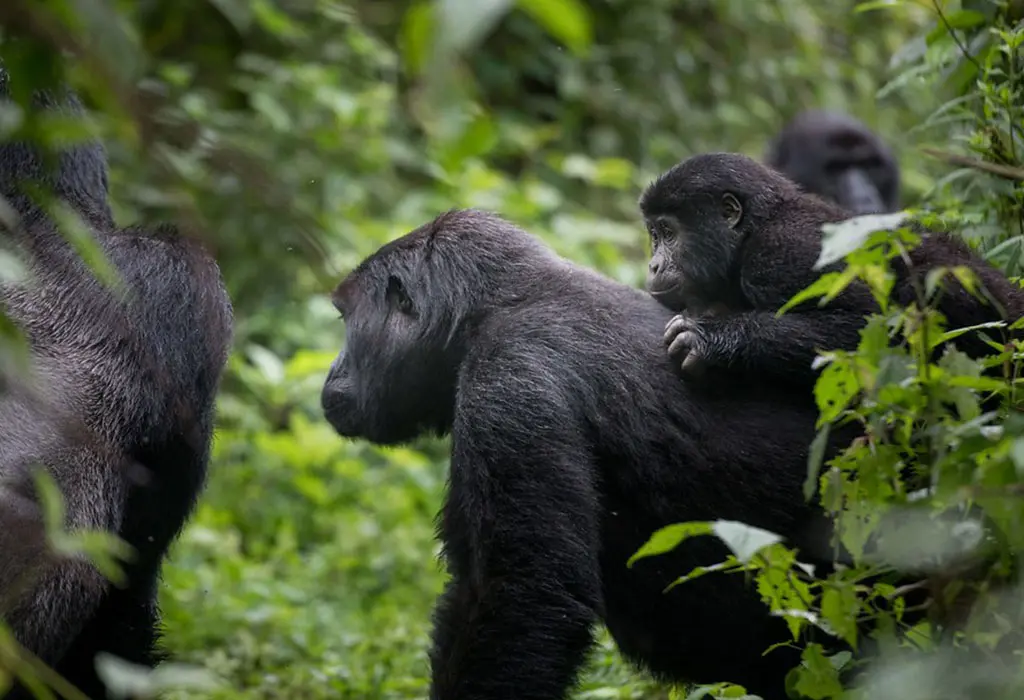
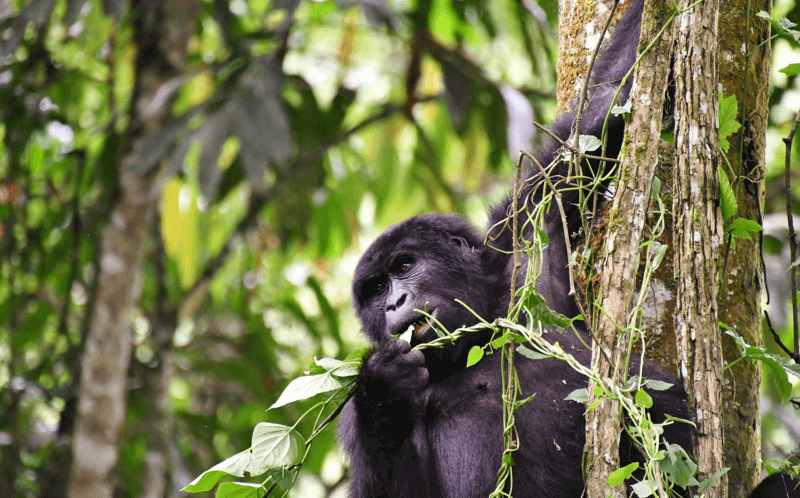
Gorilla Trekking for Families in Bwindi. Bwindi Impenetrable National Park is one of the last strongholds of the endangered mountain gorilla, and it has quietly become one of East Africa’s most rewarding destinations for family travel. While many people assume gorilla trekking is only for hardcore adventurers, an increasing number of families are discovering that, with the right planning, this experience can be safe, manageable, and deeply meaningful for travelers of different ages. If you are weighing whether to bring your children or extended family along on a Uganda safari, this guide walks you through everything you need to know about planning a family-friendly gorilla trek in Bwindi.
Why Bwindi Is the Best Choice for Family Gorilla Trekking
Uganda is home to roughly half of the world’s remaining mountain gorillas, and the majority of trackable gorilla families live within Bwindi Impenetrable National Park, a UNESCO World Heritage Site located in southwestern Uganda. Unlike Volcanoes National Park in Rwanda, which tends to be pricier and more rigid in its scheduling, Bwindi offers multiple trailheads (Buhoma, Ruhija, Rushaga, and Nkuringo), giving families more flexibility to choose a trek that matches their fitness level and travel itinerary. Rushaga sector, in particular, is popular with families because it hosts several habituated gorilla families at varying altitudes, including some shorter, gentler trails suitable for older children and grandparents.
Because Bwindi’s gorilla families have been habituated to human presence over years of careful work by rangers and researchers, encounters are generally calm and predictable, which adds a layer of reassurance for parents traveling with kids.
Understanding the Age Requirement for Gorilla Trekking
The single most important rule for families to know is that the minimum age for gorilla trekking in Uganda is 15 years old. This regulation is set and enforced by the Uganda Wildlife Authority (UWA), the government body responsible for managing the country’s national parks and issuing gorilla trekking permits. The age limit exists primarily to protect the gorillas themselves, since young children are more likely to carry common colds or other airborne illnesses that could be transmitted to the gorillas, who share around 98% of human DNA and are highly susceptible to human diseases.
If you are traveling with younger children, this doesn’t mean they have to be left behind at the hotel. Many lodges around Bwindi offer babysitting services, nature walks, or cultural village visits so that younger family members can be safely entertained while older relatives go trekking. Our team at Kenlink Tours can help you design a split itinerary that keeps the whole family engaged throughout the day.
How Fit Do You Need to Be?
One of the most common questions we receive is about the physical demands of the trek. Bwindi’s name, which translates roughly to “impenetrable,” is a fair warning: the terrain is hilly, often muddy, and densely forested. That said, gorilla trekking is not a technical climb, and treks can range from a comfortable one-hour walk to a strenuous five-to-eight-hour hike, depending on where the gorilla family is located on the day of your visit.
For families with teenagers, older parents, or anyone with moderate fitness concerns, we strongly recommend requesting a permit for one of the easier, lower-altitude gorilla families, which UWA rangers can usually arrange based on your stated preferences and fitness level during the pre-trek briefing. Porters are also available to hire at the trailhead for a small fee, and they are an excellent option for carrying daypacks, supporting less mobile trekkers, or even helping children navigate slippery sections of trail. Hiring a porter also supports the local community, many of whom are former poachers who now earn a sustainable living through tourism.
Booking Gorilla Permits for Your Family
Gorilla trekking permits in Uganda currently cost around 800 US dollars per person for foreign non-residents, and only a limited number of permits are issued each day per gorilla family to minimize stress on the animals. Because demand is high, especially during the dry seasons from June to September and December to February, permits should be booked several months in advance.
When booking for a family group, it helps to request permits for the same gorilla family so everyone treks together rather than being split into different groups. Our Bwindi gorilla trekking packages are built specifically with this in mind, bundling permit reservations, accommodation, transport, and guiding services into a single, stress-free package for families. All permits are processed officially through the Uganda Wildlife Authority, and we recommend booking through a registered tour operator to avoid the scams that occasionally target independent travelers online.
What a Family Trekking Day Actually Looks Like
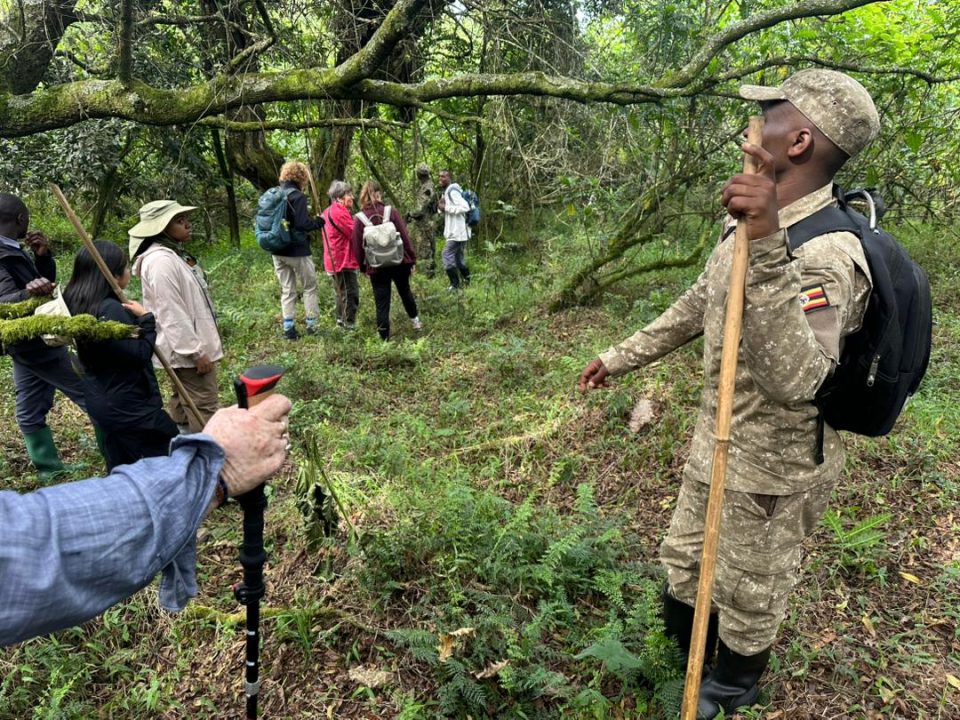
Trekking days begin early, typically with a briefing at the park headquarters around 7:00 or 7:30 a.m., where rangers organize trekkers into groups of a maximum of eight people per gorilla family. This is a great opportunity for families to ask questions and voice any concerns about pace or terrain before setting out.
Once in the forest, armed rangers and expert trackers lead the way, often communicating with advance scouts who have already located the gorilla family that morning. The walk itself winds through dense vegetation, across streams, and up muddy slopes, but the pace is generally relaxed, with frequent stops for rest, hydration, and the chance to spot forest birds, butterflies, and monkeys along the way.
Once the gorilla family is located, visitors are allowed exactly one hour in their presence, observing from a respectful distance as recommended by park guidelines. For most families, this hour, watching a silverback rest in the undergrowth or juveniles play nearby, is the emotional highlight of the entire safari, often described as more moving than they expected.
Health and Safety Guidelines for Families
Because gorillas are vulnerable to human respiratory illnesses, UWA enforces strict health protocols that every family member should understand before the trek. Anyone showing symptoms of a cold, flu, or other contagious illness will be asked not to trek that day, and a refund or rescheduling option is typically arranged. Surgical masks are required during the gorilla encounter itself, and visitors must maintain a minimum distance of seven meters from the gorillas at all times.
It’s also worth consulting your doctor or a registered travel clinic about recommended vaccinations and antimalarial medication well before your trip, since Bwindi sits in a malaria-endemic region. Comprehensive travel insurance that covers medical evacuation is strongly advised for any family heading into Uganda’s remote southwestern forests. For up-to-date entry requirements, families should also check guidance from the Uganda Tourism Board, which publishes current travel advisories for international visitors.
Choosing Family-Friendly Accommodation Near Bwindi
The right lodge can make or break a family gorilla trekking trip. Around Bwindi, accommodation options range from budget-friendly community campsites to luxurious eco-lodges with swimming pools, spacious family cottages, and views over the forest canopy. Families should look specifically for lodges that offer connecting or multi-bedroom units, on-site childcare, and flexible meal times, since trekking days start early and end late.
Staying in the Buhoma or Rushaga sectors generally means a shorter drive to the trailhead in the morning, which can make a real difference for families with young children or elderly relatives who would rather avoid a long, bumpy pre-dawn transfer. Our team can recommend and book lodges that match your family’s budget and comfort needs as part of a complete Uganda family safari itinerary.
Beyond Gorillas: Other Family-Friendly Activities in Bwindi
A trip to Bwindi doesn’t have to revolve entirely around the one-hour gorilla encounter. The surrounding area offers a range of activities suitable for family members of all ages, including those too young to trek. The Buhoma and Nkuringo community walks introduce visitors to local Bakiga and Batwa culture through music, storytelling, and traditional craft demonstrations, giving children a hands-on lesson in East African heritage.
Birdwatching is another excellent option, since Bwindi is home to over 350 recorded bird species, including several Albertine Rift endemics that delight even casual birders. For families looking to extend their trip, nearby Lake Bunyonyi offers calm waters for canoeing and swimming, a welcome contrast to the intensity of the forest trek, and a relaxing way to end a multi-day Uganda itinerary.
Planning the Perfect Family Itinerary
Most families find that combining Bwindi with one or two other destinations creates the most balanced trip. Pairing a gorilla trek with a visit to Queen Elizabeth National Park, for example, allows children of any age to enjoy a classic game drive and boat cruise, while only the eligible older family members proceed to the gorilla trek itself. This kind of multi-park itinerary also breaks up the long travel days, since the drive between Bwindi and other southwestern parks passes through scenic tea plantations and terraced hillsides that are worth experiencing in their own right.
At Kenlink Tours, we specialize in designing custom, multi-generational itineraries that balance the demands of gorilla trekking with activities suitable for younger travelers, ensuring no one in the family is left out of the adventure.
Final Thoughts: Is Gorilla Trekking Right for Your Family?
Gorilla trekking in Bwindi is physically demanding, logistically detailed, and not inexpensive, but for families who plan ahead, it consistently ranks among the most unforgettable shared experiences a parent and teenager, or multiple generations, can have together. The keys to success are simple: respect the minimum age requirement, book permits early through a trusted operator, choose accommodation that suits your family’s pace, and build in alternative activities for younger children who cannot yet trek.
If you’re ready to start planning, our team at Kenlink Tours can help you secure permits, select the right gorilla family and trailhead for your group’s fitness level, and design a complete family safari around your Bwindi gorilla trekking adventure. Reach out today, and let us help turn this bucket-list experience into a safe, smooth, and deeply rewarding family journey.