- EXPERT'S HELP
- +256789210067
- +256200955001
- info@kenlinktours.com


Family Vacations in Uganda
June 30, 2026
One Day Gorilla Tour in Mgahinga Starting from Musanze Rwanda
July 7, 2026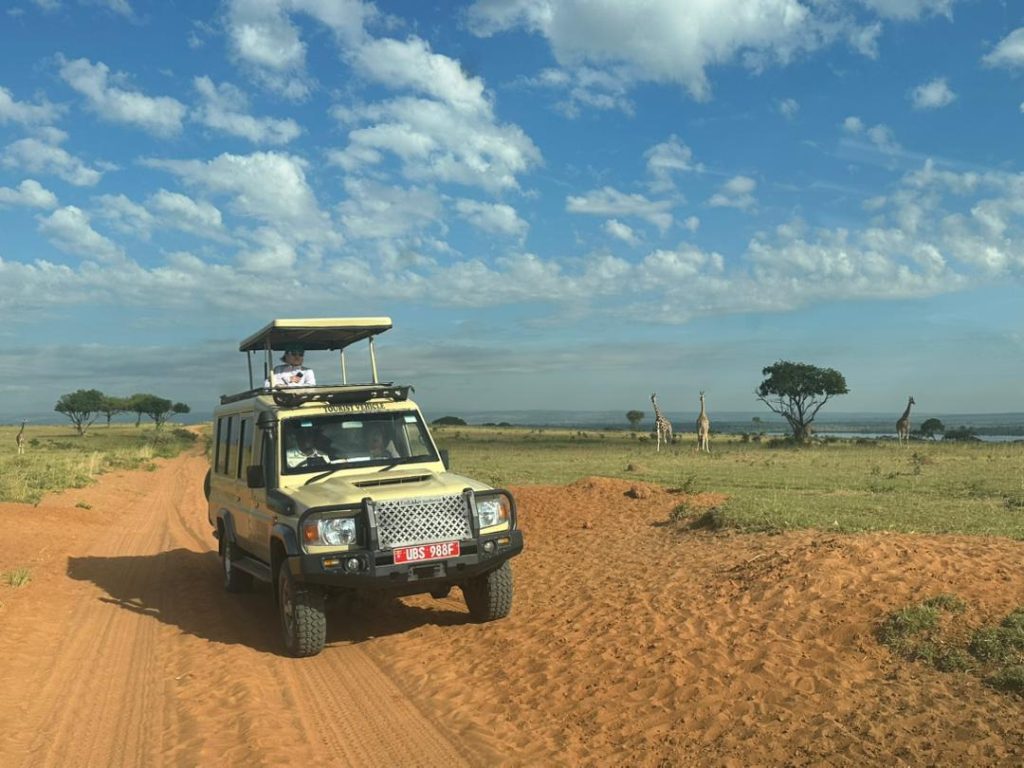
Uganda safari from Kigali. Kigali has become the smartest gateway to Uganda’s southwestern safari circuit, and for good reason. Strong international flight connections, a short, scenic drive across the border, and direct access to mountain gorillas, classic savanna wildlife, and chimpanzee tracking all make starting your Uganda safari in Rwanda’s capital more practical, in many cases, than flying into Uganda itself. This guide brings together everything you need to plan a Uganda safari from Kigali: why the route works, how the border crossing and logistics function in practice, which itineraries to choose from, and how to budget and prepare for the trip.
Why Kigali Is the Smartest Gateway to Uganda
Kigali International Airport offers frequent, well-scheduled flights from major hubs across Europe, the Middle East, and Africa, often at better prices and with more convenient timing than equivalent routes into Uganda’s Entebbe Airport. Beyond flights, Bwindi Impenetrable National Park sits just a four-to-five-hour drive from Kigali, through Rwanda’s terraced hillsides and into Uganda’s misty southwestern highlands, eliminating the need for a long internal Ugandan transfer. At Kenlink Tours, this Kigali gateway forms the backbone of nearly all our southwestern Uganda itineraries.
Visas, Currency, and Health Requirements
Most nationalities can obtain a Uganda visa on arrival at the border, while travelers holding the East Africa Tourist Visa, valid across Rwanda, Uganda, and Kenya, can cross without a separate application. A passport valid for at least six months and proof of yellow fever vaccination are required for entry into both countries. Rwanda uses the Rwandan franc and Uganda the Ugandan shilling, but US dollars are widely accepted for larger expenses, gorilla permits, lodge bills, tips, making them a useful backup currency; bring clean, newer notes, since older or damaged bills are sometimes refused. It’s worth consulting a travel clinic ahead of time regarding antimalarial medication, given both countries sit within malaria-endemic regions, and securing travel insurance that covers medical evacuation given the remote nature of the parks involved.
How the Border Crossing Works
Travelers heading from Kigali into southwestern Uganda typically cross at Cyanika or Katuna, depending on which Bwindi sector their gorilla permit is allocated to. Your driver-guide handles the practical logistics: parking at the border facility, walking you through Rwandan exit procedures, then Ugandan entry procedures, before continuing in a separate vehicle on the Uganda side. The process typically takes thirty minutes to an hour. Keep your passport, visa documentation, and yellow fever certificate accessible rather than packed in checked luggage.
Mountain Gorilla Trekking: The Centerpiece
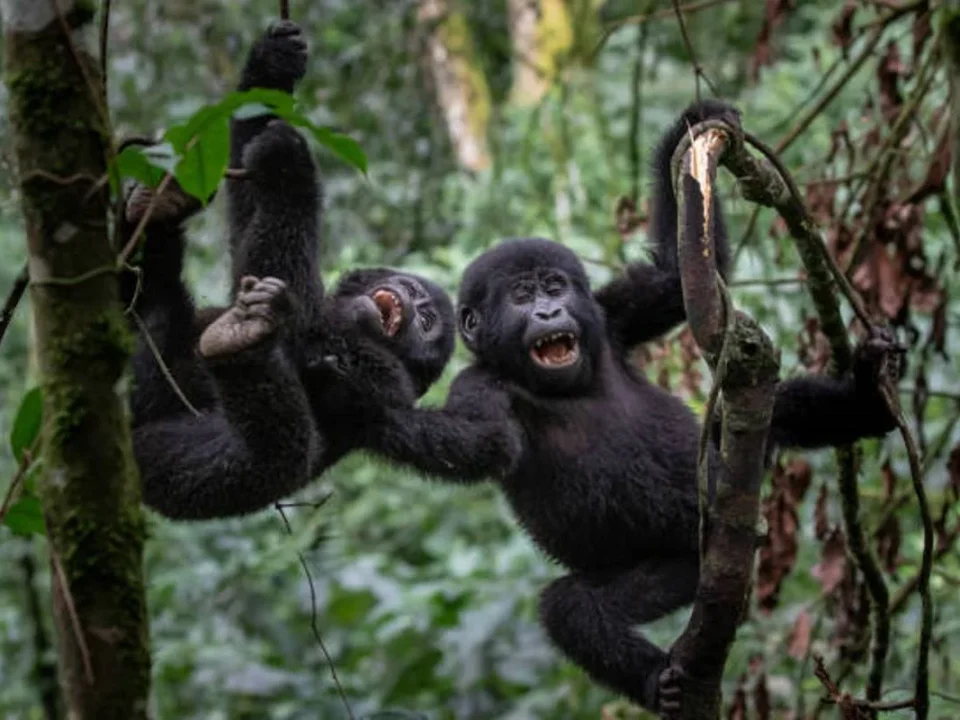
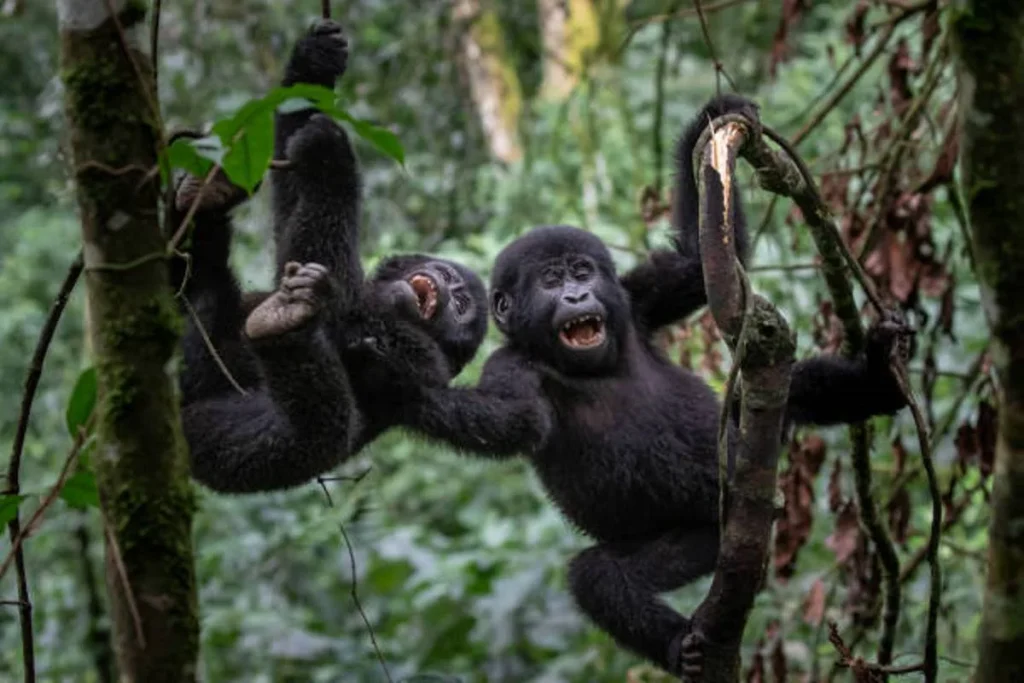
For most travelers, gorilla trekking is the reason for the trip. Bwindi Impenetrable National Park, a UNESCO World Heritage Site, hosts the largest concentration of habituated gorilla families anywhere in the world, spread across four sectors: Buhoma, Ruhija, Rushaga, and Nkuringo. Permits, issued exclusively by the Uganda Wildlife Authority (UWA), cost approximately 800 US dollars per person for foreign non-residents and should be booked three to six months ahead, particularly during the dry seasons from June to September and December to February. Treks range from a one-hour walk to a five-to-eight-hour hike depending on where the gorilla family has moved, followed by a strictly limited one-hour viewing window. Our Bwindi Impenetrable National Park page covers sector selection and trekking logistics in more detail.
Beyond Gorillas: Queen Elizabeth and Kibale Forest
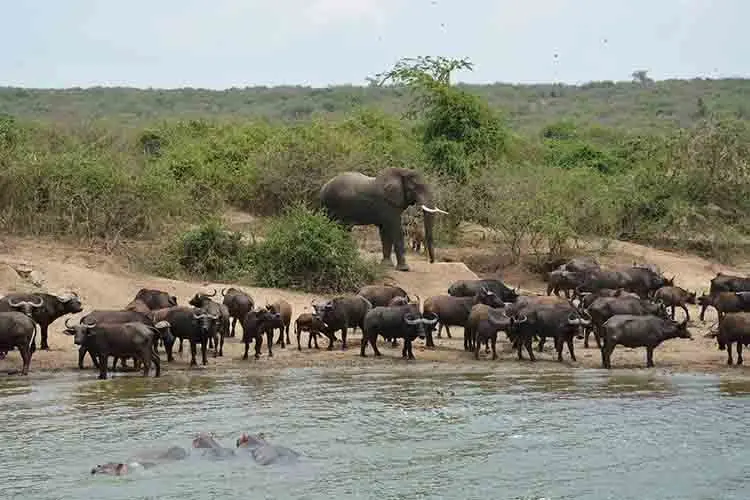
A short drive north of Bwindi, Queen Elizabeth National Park rounds out the trip with classic savanna wildlife: tree-climbing lions in the Ishasha sector, elephant and buffalo herds, and a boat cruise along the Kazinga Channel for close-up hippo and crocodile viewing, plus excellent birdwatching across its 600-plus recorded species. Travelers with more time often extend further into Kibale Forest National Park, one of the best chimpanzee tracking destinations in Africa, with permits considerably cheaper than gorilla permits, making it strong value as a second primate encounter.
Choosing Your Itinerary Length
A 3-day Bwindi gorilla trekking safari is the most compact, efficient option, built entirely around a single trekking day, ideal for travelers with limited time. A 5-day gorilla and wildlife safari adds Queen Elizabeth National Park for a fuller, more balanced trip, our most frequently booked structure. A 6-day itinerary extends further into Kibale Forest for chimpanzee tracking. Travelers with a week or more can also consider Murchison Falls National Park in Uganda’s north, though this requires either a longer overland journey or a domestic flight given the distance involved. Many itineraries also benefit from an added overnight at Lake Bunyonyi, breaking the long Kigali-to-Bwindi drive into two more comfortable segments while adding a genuinely scenic stop in its own right. Our complete range of structured options is on the Uganda safari packages page.
What’s Included in a Typical Package
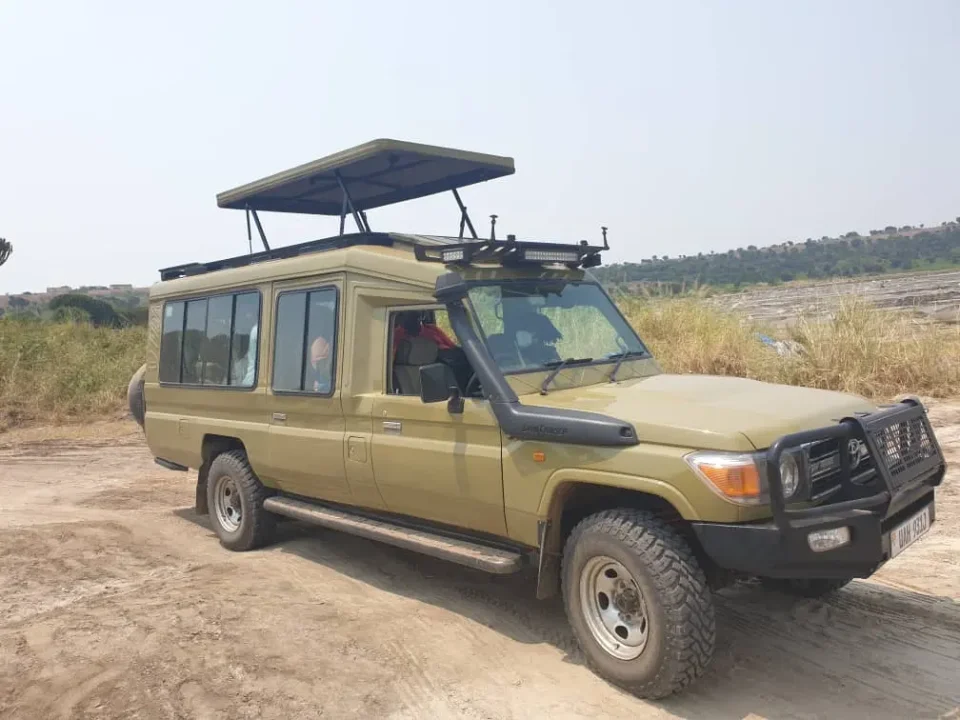
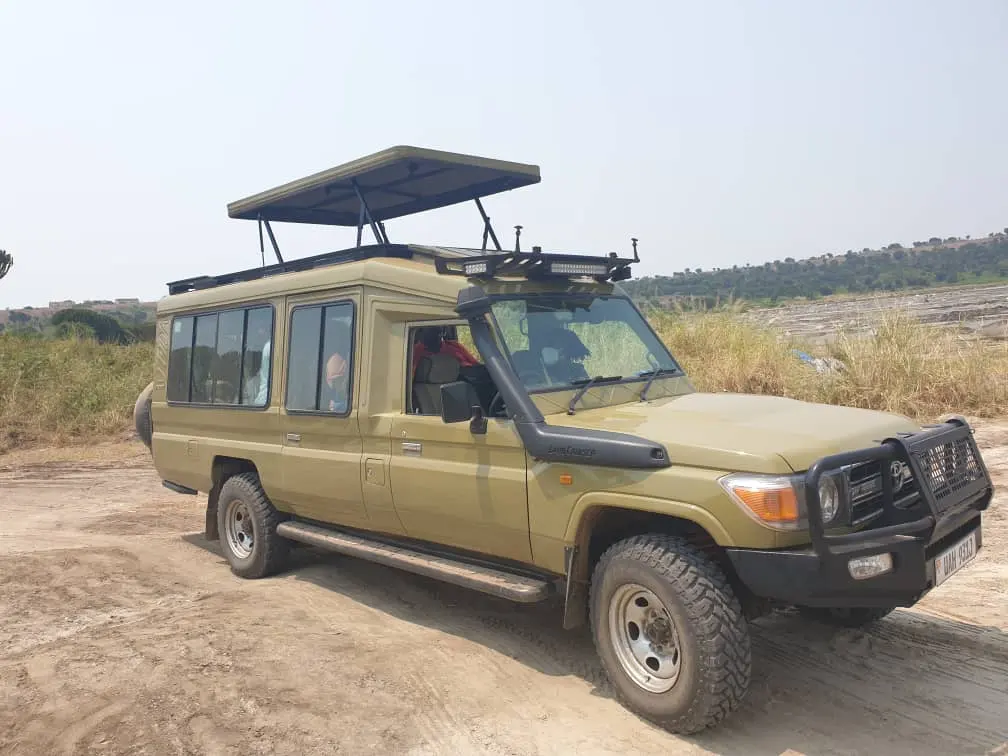
A well-built Uganda safari package from Kigali generally includes private 4×4 transport with an experienced English-speaking driver-guide, all border crossing assistance, accommodation for the full trip, gorilla trekking permits and park entrance fees, meals as specified, and any included activities like boat cruises or community walks. International flights, visas, tips, and personal travel insurance are usually excluded and should be budgeted separately. Always request a fully itemized quote, since advertised “from” prices sometimes exclude key costs.
Accommodation Across the Circuit
Accommodation ranges from budget community-run guesthouses to luxury eco-lodges with private decks overlooking the rainforest canopy or savanna plains, with options near each major stop: Bwindi, Queen Elizabeth, Kibale Forest, and Lake Bunyonyi if included. Choosing a lodge close to your trailhead reduces early morning travel time before trekking briefings, and families or larger groups should specifically request connecting rooms or multi-bedroom cottages.
Best Time of Year to Travel
Uganda’s two dry seasons, June to September and December to February, offer the firmest trekking trails and the most reliable savanna game viewing, with animals more concentrated around water sources. The wetter months, March to May and October to November, bring fewer crowds, sometimes lower lodge rates, and lush scenery especially rewarding for birdwatchers, though trekking conditions become considerably muddier. For current entry requirements and travel advisories, check guidance from the Uganda Tourism Board before finalizing your dates.
Budgeting for the Trip
Gorilla permits represent the largest fixed cost, at roughly 800 US dollars per person, and cannot be discounted by any operator. Everything else, accommodation category, group size, trip length, is genuinely flexible. Traveling with a group to share private transport costs, choosing mid-range rather than luxury lodges, and keeping the itinerary efficiently structured are the most effective ways to manage your overall budget without compromising the core trekking experience.
Plan Your Uganda Safari from Kigali
A Uganda safari from Kigali brings together everything that makes this region one of Africa’s most rewarding travel destinations: mountain gorillas in Bwindi’s misty forest, tree-climbing lions and hippo-filled channels in Queen Elizabeth, wild chimpanzees in Kibale Forest, and the scenic beauty of Rwanda’s hillsides and Lake Bunyonyi along the way. With the right preparation around visas, permits, and itinerary length, the journey between two countries becomes a smooth, integral part of the adventure rather than a logistical hurdle.
To start planning, browse our full range of Uganda safari packages, explore our Bwindi Impenetrable National Park page, or email our team directly at info@kenlinktours.com with your travel dates and interests, and we’ll help design your ideal Uganda safari from Kigali.