- EXPERT'S HELP
- +256789210067
- +256200955001
- info@kenlinktours.com

Best Family Safaris in Uganda
June 30, 2026
Family Vacations in Uganda
June 30, 2026
Safe Family Safaris in Uganda. “Is Uganda safe for a family safari?” is one of the most common questions we get from parents researching this kind of trip for the first time, and it’s a fair one. Rather than a generic reassurance, this post addresses the question directly: what the real safety considerations are, how they’re managed in practice, and what parents can do to make an already well-run trip even safer for their specific family.
General Safety in Uganda’s Safari Regions
Uganda’s southwestern safari circuit, Bwindi, Queen Elizabeth National Park, and the surrounding region, is among the most consistently safe parts of the country for tourism, with a long-established, well-regulated tourism infrastructure built specifically around international visitors, including families. The areas families typically travel through, national parks, established lodges, and main transport routes, see a steady flow of international tourism and have done so for years without significant security concerns. As with travel anywhere, sensible precautions, secure valuables, awareness in busy public areas, following your guide’s instructions, apply, but families shouldn’t expect this region to feel meaningfully more precarious than other popular safari destinations in East Africa.
For current, official travel advisories specific to your home country before departure, it’s worth checking your government’s foreign travel advice alongside guidance from the Uganda Tourism Board.
Wildlife Safety: How Real Is the Risk?
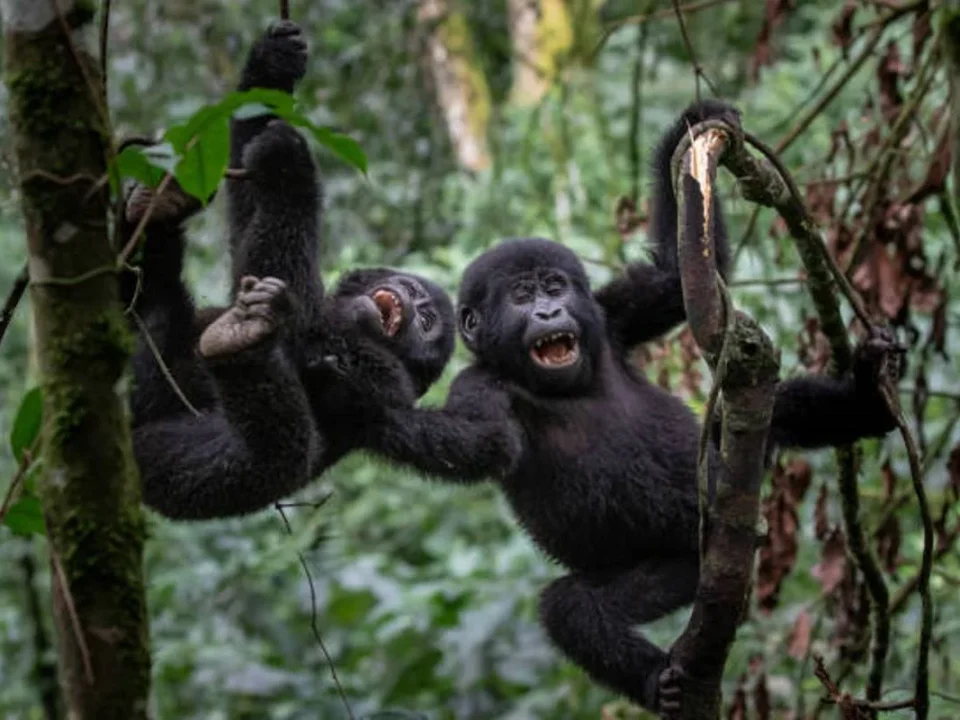
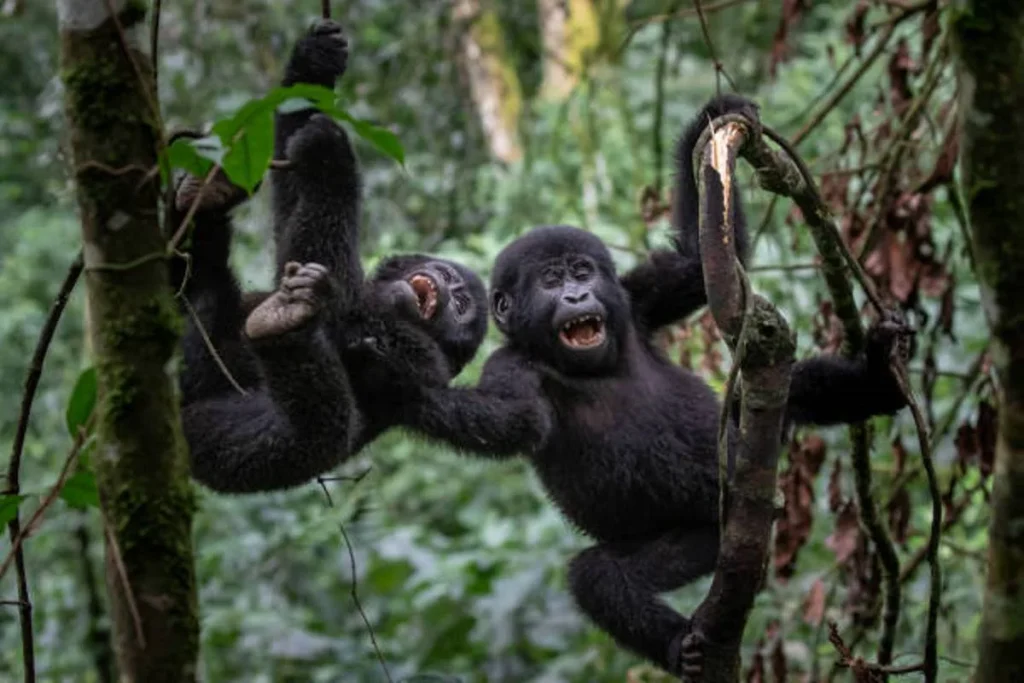
Parents often worry most about the wildlife encounters themselves, gorillas, lions, elephants, sharing space, however briefly, with genuinely large, wild animals. In practice, these encounters are far more controlled than the word “wild” might suggest. Gorilla trekking is conducted under strict Uganda Wildlife Authority (UWA) protocols: groups capped at eight trekkers, armed rangers present throughout, a mandatory seven-meter minimum distance from the gorillas, and experienced guides who know individual gorilla families’ behavior patterns well enough to manage the encounter safely.
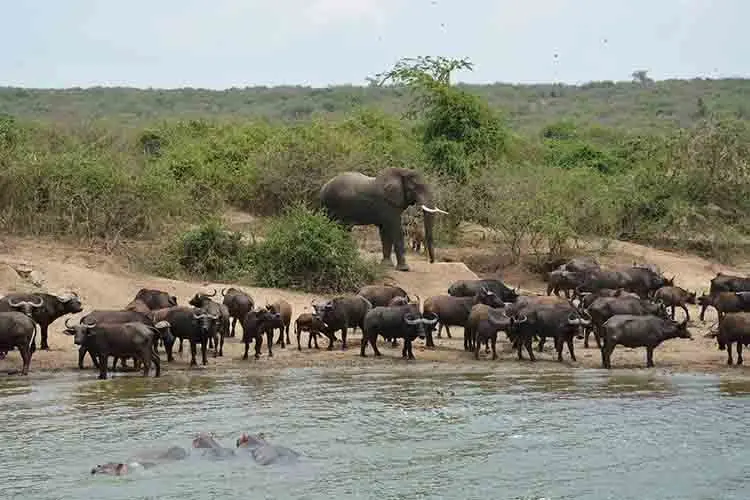
Game drives in Queen Elizabeth National Park take place entirely from within a vehicle, with no walking among predators, and the Kazinga Channel boat cruise maintains a safe distance from hippos and crocodiles throughout. The activities genuinely accessible to young children, game drives, boat cruises, community walks, all carry a low, well-managed risk profile specifically because they’re designed with broad visitor safety in mind, not just adventure-seeking travelers.
Health and Medical Safety for Children
The more relevant safety conversation for most families is health rather than wildlife risk: malaria prevention, vaccination requirements, and access to medical care if something goes wrong. Both Rwanda and Uganda require proof of yellow fever vaccination for entry, and the region sits within a malaria-endemic zone, making a pre-trip consultation with a pediatric travel clinic genuinely important, since dosing and medication choices for antimalarials differ for children compared to adults.
Medical facilities directly within the national parks are limited, which is precisely why comprehensive travel insurance covering medical evacuation is something we recommend as close to non-negotiable for any family traveling with children into this region. Most well-run lodges maintain basic first-aid capability and clear evacuation protocols, and your tour operator should be able to tell you exactly what those protocols look like before you book.
Vehicle and Transport Safety
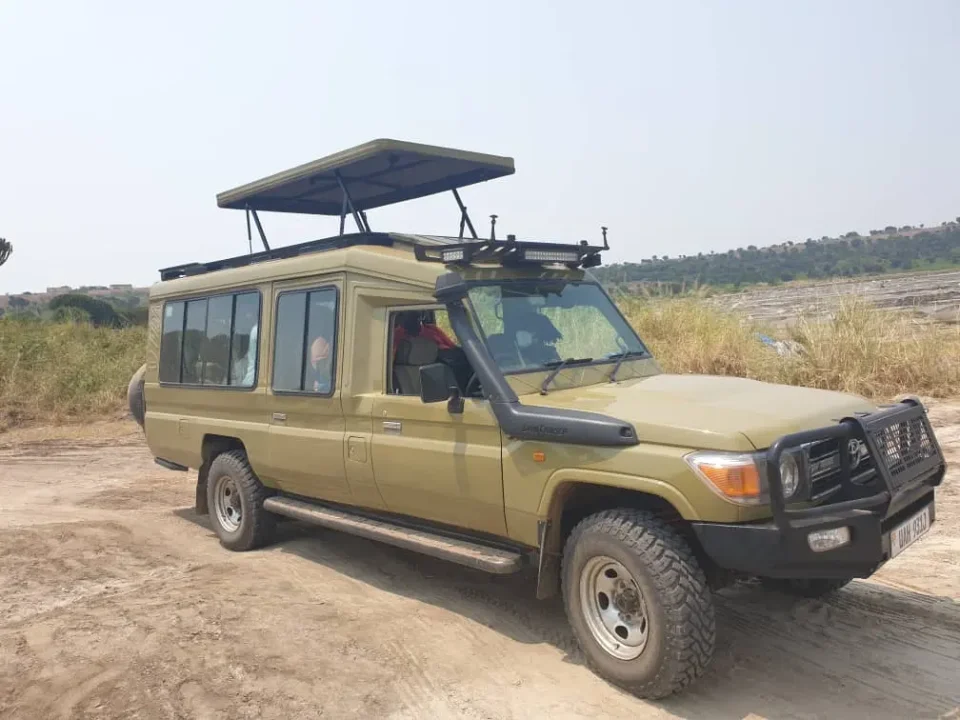
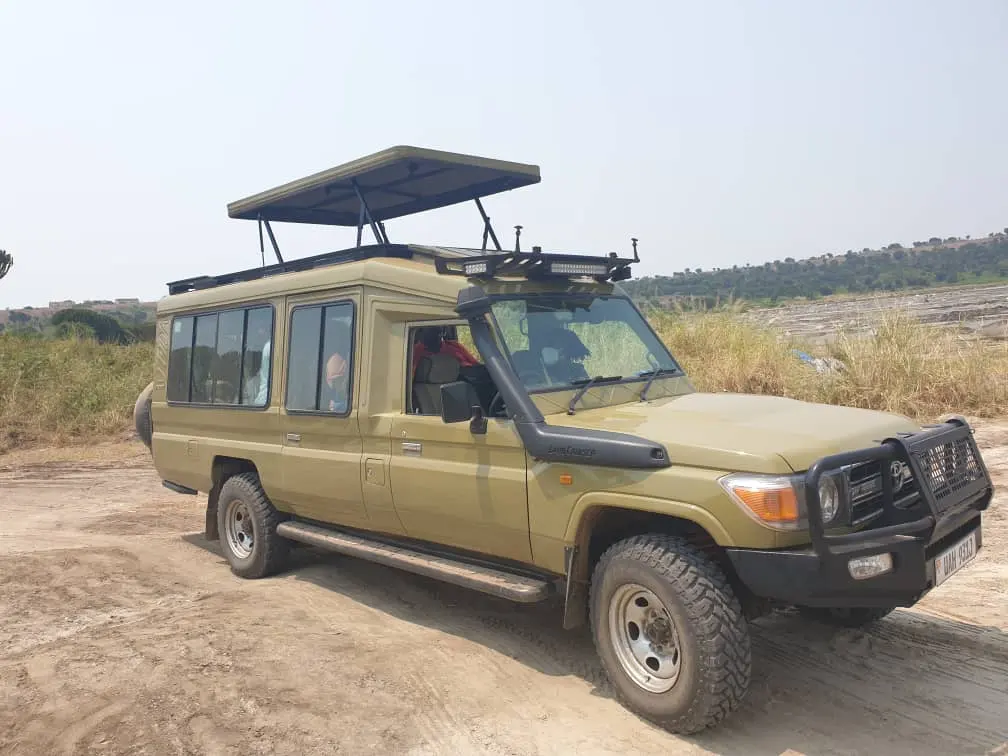
Road conditions in southwestern Uganda range from well-maintained tarmac to rougher unpaved sections, particularly closer to the national parks themselves. Private transport in a well-maintained 4×4 with an experienced, safety-conscious driver-guide meaningfully reduces this risk compared to budget shared transport options, and it’s worth specifically asking any operator about vehicle age, maintenance practices, and driver experience before booking, rather than assuming all transport options are equivalent. At Kenlink Tours, our driver-guides are selected specifically for their experience on these routes, and our vehicles are maintained to a standard appropriate for family travel, including functioning seatbelts for every passenger.
Water Safety for Families
Lake Bunyonyi, a common family stop between Kigali and Bwindi, is one of the few lakes in the region considered safe for swimming, since it’s free of bilharzia, unlike many other East African lakes. That said, “safe to swim” doesn’t mean unsupervised, normal water safety precautions, life jackets for canoeing, close supervision of young children near any open water, apply here just as they would anywhere else. Reputable lodges provide life jackets for canoe activities as standard practice, worth confirming directly if traveling with younger children who may need additional supervision.
Food and Water Safety
Most established lodges catering to international tourists maintain food safety standards well suited to family travel, including young children, though it’s still sensible to stick to bottled or properly filtered water throughout the trip rather than tap water, and to introduce new foods to younger children gradually rather than all at once on the first day. Packing a basic supply of familiar snacks for transfer days can also help avoid the stomach upset that sometimes comes with a sudden, full dietary change, particularly for younger or more sensitive eaters.
Choosing a Safety-Conscious Operator
The single biggest factor in how safe a family safari actually feels and is comes down to the operator running it. Look for operators who ask detailed health and safety questions upfront rather than treating every family the same, maintain well-kept vehicles with proper safety equipment, work with experienced, vetted driver-guides, and can speak clearly about evacuation protocols and nearby medical facilities rather than deflecting the question. A willingness to discuss safety specifics openly, rather than offering only generic reassurance, is itself a reasonable indicator of a genuinely safety-conscious operator.
Preparing Your Family Before You Travel
Beyond choosing the right operator, a few steps on the family’s side meaningfully improve overall trip safety: a pre-trip visit to a travel clinic for vaccinations and antimalarial guidance specific to each family member’s age and health history, comprehensive travel insurance covering medical evacuation purchased well before departure, and packing a stocked first-aid kit including any child-specific medications that might be hard to source locally. Briefing older children on basic safety expectations, staying close to the group during wildlife activities, listening to ranger and guide instructions, also helps the trip run more smoothly once you’re on the ground.
Plan a Safe Family Safari in Uganda
Uganda’s southwestern safari circuit is genuinely well suited to family travel when the trip is planned with the same care most parents already bring to any international family trip, sensible health preparation, a safety-conscious operator, and realistic expectations about wildlife encounters that are, in practice, far more controlled than they might initially sound. With that groundwork in place, the wildlife and cultural experiences this region offers remain every bit as accessible to families as they are to any other kind of traveler.
To start planning, browse our full range of Uganda safari packages, explore our Bwindi Impenetrable National Park page, or email our team directly at info@kenlinktours.com with any specific safety questions about your family’s trip, and we’ll answer them directly before you book.