- EXPERT'S HELP
- +256789210067
- +256200955001
- info@kenlinktours.com


Uganda Safari Packages from Kigali Airport
June 30, 2026
Gorilla Trekking in Uganda via Kigali
June 30, 2026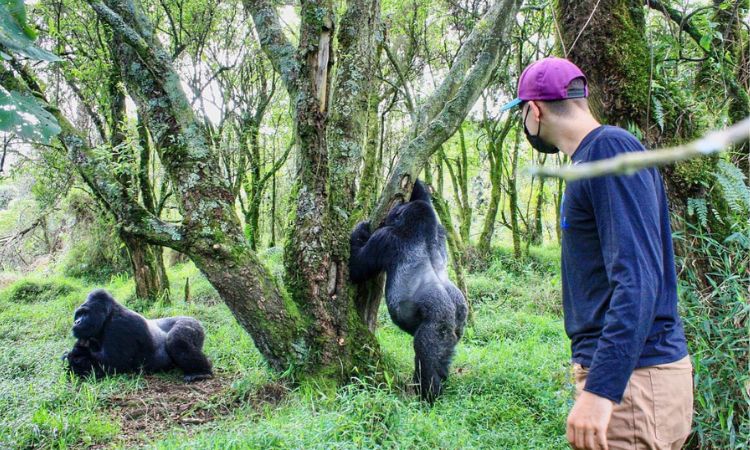
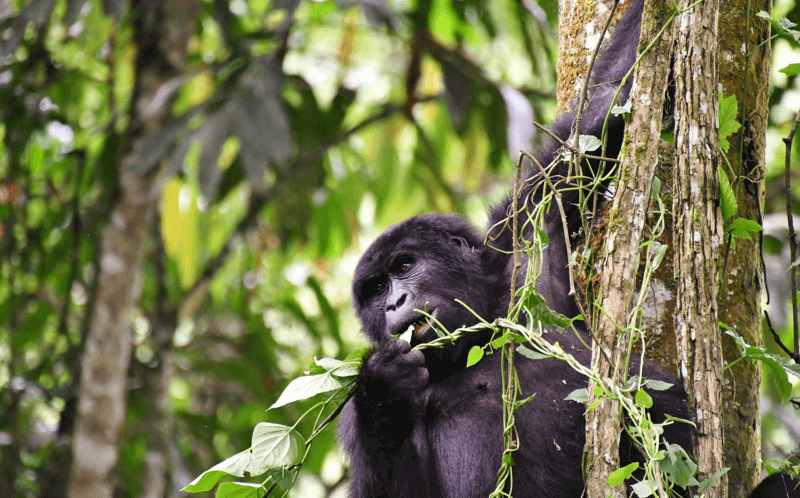
Cross Border Uganda Gorilla Safaris from Rwanda. For travelers already in Rwanda, whether for business, a Volcanoes National Park trek, or simply a Kigali stopover, crossing into Uganda for a gorilla safari is one of the most rewarding side trips available in East Africa. Cross border gorilla safaris have grown steadily in popularity over the past few years, largely because they let travelers experience two countries, two distinct landscapes, and significantly lower gorilla permit costs, all within a single, well-organized trip. This guide walks through how cross border travel works, what to expect at the border, and how to plan a smooth gorilla safari from Rwanda into Uganda.
Why Travelers Choose a Cross Border Gorilla Safari
Rwanda and Uganda both offer exceptional mountain gorilla trekking, but they differ meaningfully in cost, park size, and overall safari structure. Rwanda’s Volcanoes National Park is compact, polished, and easy to access from Kigali, while Uganda’s Bwindi Impenetrable National Park is significantly larger, hosts more habituated gorilla families across four different trailheads, and offers permits at a considerably lower price point.
Because the two parks sit only a few hours’ drive apart, many travelers choose to base themselves in Rwanda, taking advantage of Kigali’s excellent international flight connections, while crossing into Uganda specifically for the more affordable gorilla trekking experience Bwindi provides. This cross border model has become such a common request that it’s now a standard offering among operators across the region, including our team at Kenlink Tours.
Understanding the Rwanda-Uganda Border Crossing
Two main border posts serve travelers heading from Rwanda into southwestern Uganda for gorilla trekking: Cyanika, which connects most directly to Bwindi’s Ruhija and Buhoma sectors, and Katuna (also known as Gatuna), which is typically used for routes heading toward Rushaga or Nkuringo. Your driver-guide will determine the appropriate crossing point based on which gorilla family and sector your trekking permit is allocated to.
The crossing process itself is generally smooth and well-organized. Most nationalities can obtain a Uganda visa on arrival, while travelers who already hold the East Africa Tourist Visa, valid across Rwanda, Uganda, and Kenya, can cross without applying for a separate visa. Travelers should carry a passport valid for at least six months beyond their travel dates and proof of yellow fever vaccination, which is required for entry into both countries. The crossing typically takes thirty minutes to an hour, depending on how busy the border post is at the time.
Typical Cross Border Itinerary Lengths
Cross border gorilla safaris from Rwanda are available in a range of durations to suit different schedules. A 3-day Bwindi gorilla trekking safari is the most compact option, built around a single focused trekking day, ideal for travelers who want maximum gorilla time with minimal time away from Kigali. A 5-day gorilla and wildlife safari extends the trip into Queen Elizabeth National Park, adding game drives, the famous tree-climbing lions of Ishasha, and a boat cruise along the Kazinga Channel for a fuller wildlife experience.
Longer itineraries of seven days or more can incorporate additional destinations such as Kibale Forest National Park for chimpanzee tracking, or a relaxing stop at Lake Bunyonyi between activities. Each of these options can be explored in more detail on our Uganda safari packages page, where itineraries are tailored to different budgets and time frames.
Comparing Gorilla Permit Costs Between Rwanda and Uganda
One of the strongest reasons travelers choose a cross border safari is the cost difference in gorilla permits. Permits for Rwanda’s Volcanoes National Park are issued by the Rwanda Development Board (RDB) and are priced considerably higher than Uganda’s, which are issued by the Uganda Wildlife Authority (UWA) at approximately 800 US dollars per person for foreign non-residents.
This price gap, combined with Bwindi’s larger network of habituated gorilla families spread across four trailheads, means many travelers can secure permits more easily and at a lower cost by trekking in Uganda, even while keeping Kigali as their primary base. For budget-conscious travelers or larger family groups, this cost difference can be substantial across multiple permits.
What to Pack for a Cross Border Gorilla Trek
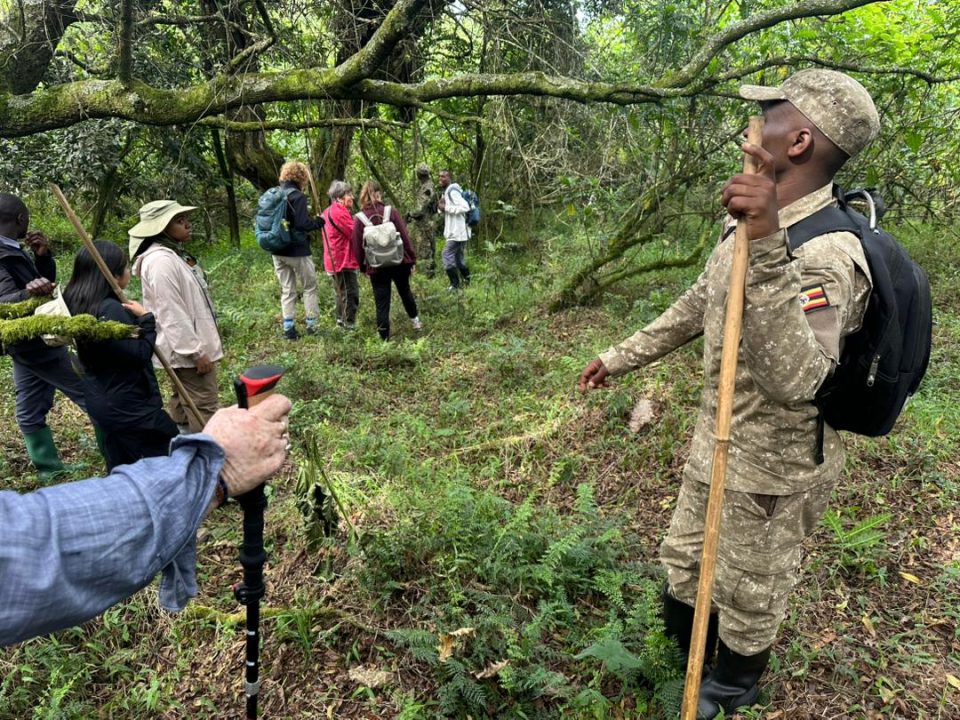
Because cross border itineraries typically involve a full day of driving in addition to the trek itself, efficient packing is important. Essentials include sturdy waterproof hiking boots, gardening-style gloves for gripping vegetation along muddy trails, a rain jacket given Bwindi’s rainforest climate, and long sleeves and trousers to protect against nettles and biting insects. A daypack with water, snacks, and a basic first-aid kit is recommended for the trekking day itself.
Travelers should also bring a valid passport, yellow fever vaccination certificate, sufficient cash in US dollars for any incidental expenses at the border or lodges, and travel insurance that covers trekking activities and medical evacuation, given the remote location of both parks.
Health Requirements and Border Documentation
Beyond standard passport and visa requirements, gorilla trekking itself carries specific health protocols enforced by park authorities on both sides of the border. Anyone showing symptoms of a cold, flu, or other contagious illness may be asked not to trek that day, since gorillas are highly susceptible to human respiratory diseases. It’s worth consulting a registered travel clinic well ahead of your trip regarding recommended vaccinations, malaria prevention, and any other health precautions specific to East Africa.
For the most current entry requirements and travel advisories, travelers should check official guidance from the Uganda Tourism Board before finalizing their trip.
Choosing Accommodation for a Cross Border Trip
Where you stay depends heavily on your itinerary structure. Travelers doing a quick 3-day trip typically stay one or two nights near Bwindi before returning to Kigali, while those combining gorilla trekking with Queen Elizabeth National Park will usually split their stay between Bwindi and the Kazinga Channel area. Lodges across this route range from community-run budget camps to luxury eco-lodges with forest or savanna views, and families or larger groups should specifically request connecting rooms or family cottages where early starts and long travel days make staying close together more practical.
Our Bwindi Impenetrable National Park page offers more detail on accommodation options for travelers focused specifically on the gorilla trekking portion of a cross border itinerary.
Best Time of Year for Cross Border Gorilla Safaris
Gorilla trekking is possible year-round in both countries, since habituated gorilla families are tracked daily regardless of season. The dry seasons, from June to September and December to February, offer firmer trails and generally easier hiking conditions, making them the busiest and most heavily booked months for both Rwanda and Uganda permits. The wetter months between these periods see fewer crowds and occasionally better lodge availability, though trekking trails can be considerably muddier.
Travelers planning a cross border trip during peak season should book gorilla permits, on whichever side of the border they choose, as early as possible, ideally three to six months in advance.
Why Work with an Experienced Cross Border Operator
Coordinating a safari that spans two countries involves more moving parts than a single-country trip: permit allocation, border logistics, visa requirements, and transport routing all need to align smoothly for the trip to run without delays. Working with an operator experienced in cross border travel between Rwanda and Uganda significantly reduces the risk of logistical hiccups, particularly around timing your border crossing to match your gorilla trekking date.
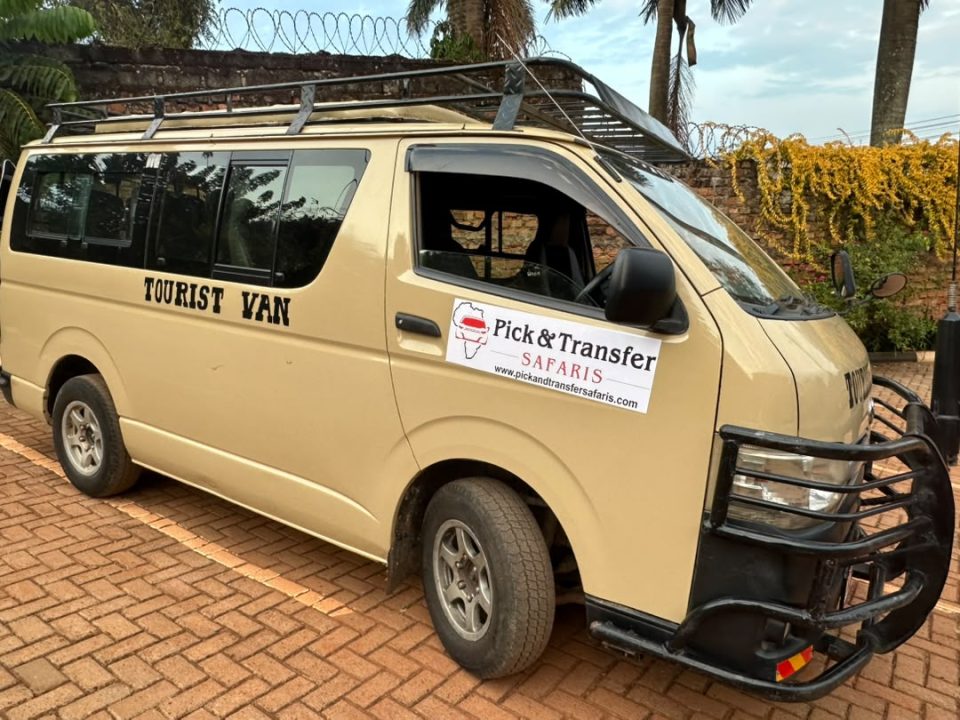
At Kenlink Tours, we manage every stage of this process, from securing permits directly through official UWA channels to arranging private transport with experienced driver-guides who know the Kigali-to-Bwindi corridor well. You can explore our full range of itineraries on our Uganda safari packages page.
Start Planning Your Cross Border Gorilla Safari
A cross border gorilla safari from Rwanda into Uganda offers a rare combination: the convenience of Kigali’s international flight connections, the scenic beauty of Rwanda’s terraced hillsides, and access to Uganda’s more affordable, more extensive gorilla trekking program in Bwindi Impenetrable National Park. With the right planning around permits, border logistics, and accommodation, this kind of trip can be every bit as smooth as a single-country safari, while delivering an even richer overall experience.
Ready to start planning your cross border gorilla safari? Browse our Uganda safari packages, explore our Bwindi Impenetrable National Park page, or email our team directly at info@kenlinktours.com with your preferred travel dates, and we’ll help you design a seamless gorilla safari between Rwanda and Uganda.