- EXPERT'S HELP
- +256789210067
- +256200955001
- info@kenlinktours.com


Cross Border Uganda Gorilla Safaris from Rwanda
June 30, 2026
Affordable Uganda Safaris Starting in Rwanda
June 30, 2026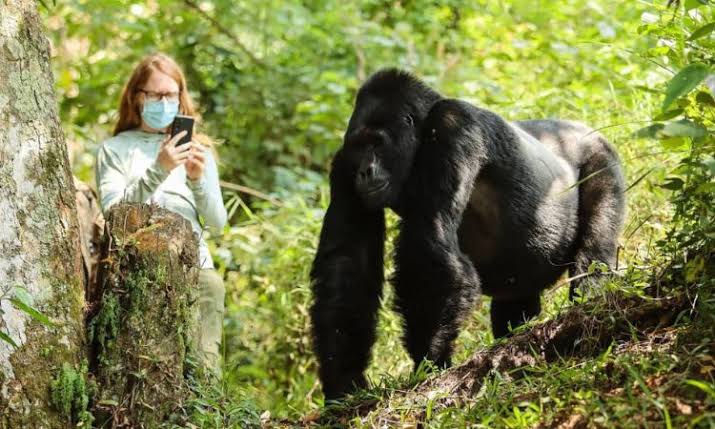
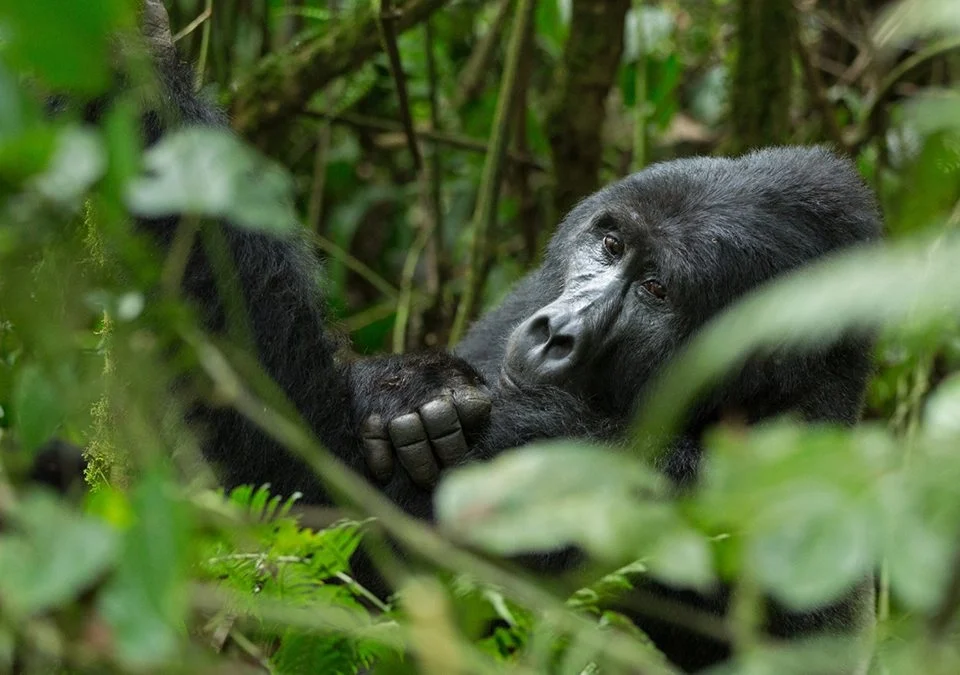
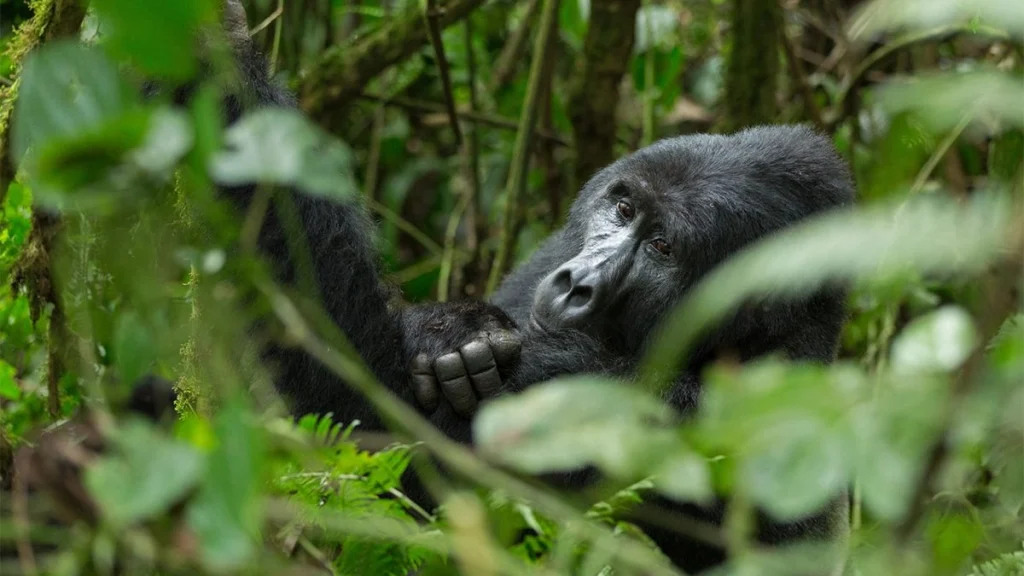
Gorilla Trekking in Uganda via Kigali. When people picture a gorilla trekking trip, they often assume they need to fly into Entebbe, Uganda’s main international airport. In reality, one of the most efficient and increasingly popular ways to reach Bwindi Impenetrable National Park is by flying into Kigali, Rwanda, and driving across the border into southwestern Uganda. Gorilla trekking via Kigali has become a go-to route for travelers chasing better flight connections, shorter transfer times, and a smoother overall journey to one of the last remaining habitats of the mountain gorilla. This guide explains exactly why this route works so well and what to expect from start to finish.
Why Kigali Has Become a Gateway to Gorilla Trekking
Kigali International Airport offers frequent, direct flights from major cities across Europe, the Middle East, and Africa, often with better scheduling and pricing than equivalent routes into Entebbe. Beyond flight convenience, Kigali sits remarkably close to Bwindi Impenetrable National Park, separated by only a four-to-five-hour drive through some of the most scenic countryside in the region, Rwanda’s famous terraced hillsides and Uganda’s misty southwestern highlands.
For travelers whose primary goal is gorilla trekking rather than a broader multi-week Uganda safari, this route eliminates the need for a long internal flight or multi-day drive across Uganda, making it possible to reach the gorillas within a day of landing. At Kenlink Tours, we’ve built much of our southwestern Uganda itinerary planning specifically around this Kigali entry point, given how consistently efficient it has proven for our clients.
How the Border Crossing Works
Travelers heading from Kigali to Bwindi typically cross at one of two border posts: Cyanika, which connects most directly to the Ruhija and Buhoma trailheads, or Katuna, generally used for routes toward Rushaga or Nkuringo. Your driver-guide will select the appropriate crossing based on which gorilla family and sector your trekking permit has been allocated to, since permits are tied to specific dates and locations.
At the border, most travelers can obtain a Uganda visa on arrival, while those holding the East Africa Tourist Visa, valid across Rwanda, Uganda, and Kenya, can pass through without an additional application. A valid passport with at least six months’ remaining validity and proof of yellow fever vaccination are required for entry. The process is generally efficient, typically taking thirty minutes to an hour depending on how busy the post is that day.
Choosing Your Bwindi Trailhead
Bwindi Impenetrable National Park is divided into four main trekking sectors: Buhoma, Ruhija, Rushaga, and Nkuringo, each offering access to different habituated gorilla families and slightly different terrain. Buhoma, the park’s original and most established sector, tends to have well-maintained trails and a strong network of nearby lodges. Rushaga, in the south, hosts the largest number of habituated families and is popular for its range of trekking difficulty levels, including some gentler trails suitable for families or older travelers.
Because travel from Kigali typically enters Uganda from the south, Rushaga and Nkuringo are often the most logistically convenient sectors for cross border itineraries, though Buhoma and Ruhija remain accessible with a slightly longer drive. Our Bwindi Impenetrable National Park page offers more detail on choosing the right sector for your trip.
Booking Your Gorilla Trekking Permit
Every gorilla trek in Uganda requires a permit issued by the Uganda Wildlife Authority (UWA), the government body responsible for managing the country’s national parks and protecting its gorilla population. Permits currently cost around 800 US dollars per person for foreign non-residents, with a strictly limited number issued each day per gorilla family to minimize stress on the animals and preserve the quality of the trekking experience.
Because demand consistently outpaces supply, particularly during the dry seasons from June to September and December to February, we recommend booking permits three to six months ahead of your planned travel dates. When booking via Kigali, it’s especially important to confirm your permit sector early, since this determines your border crossing point, driving route, and lodge location for the entire trip.
What a Gorilla Trekking Day Looks Like
On trekking day, you’ll typically begin with breakfast before heading to the park headquarters for an early morning briefing, usually starting around 7:00 or 7:30 a.m. Rangers organize trekkers into small groups of a maximum of eight people, each assigned to a specific habituated gorilla family, and share guidance on the day’s likely terrain and trekking duration.
The hike itself winds through dense, often muddy rainforest, with treks ranging from a relatively short one-hour walk to a more demanding five-to-eight-hour hike, depending on where the gorilla family has moved since the previous day. Armed rangers and expert trackers lead the way throughout, and porters are available to hire at the trailhead to help carry daypacks or support trekkers over difficult terrain. Once your group locates the gorillas, you’ll spend a treasured hour observing them at close range, a moment that consistently ranks as one of the most powerful wildlife experiences travelers describe having anywhere in the world.
How Long Should Your Trip Be?
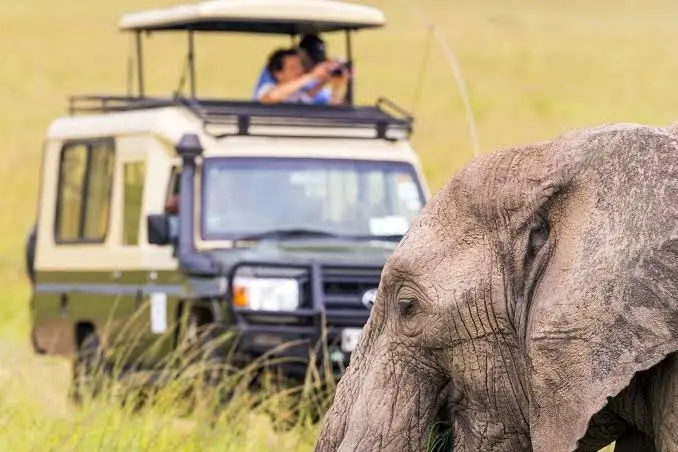
The right itinerary length depends largely on how much time you have and whether gorilla trekking is the sole focus of your trip or one part of a broader safari. A 3-day Bwindi gorilla trekking safari from Kigali is the most compact option, built entirely around a single trekking day, ideal for travelers with limited vacation time. A 5-day gorilla and wildlife safari extends the journey into Queen Elizabeth National Park, adding game drives, tree-climbing lions in the Ishasha sector, and a boat cruise along the Kazinga Channel.
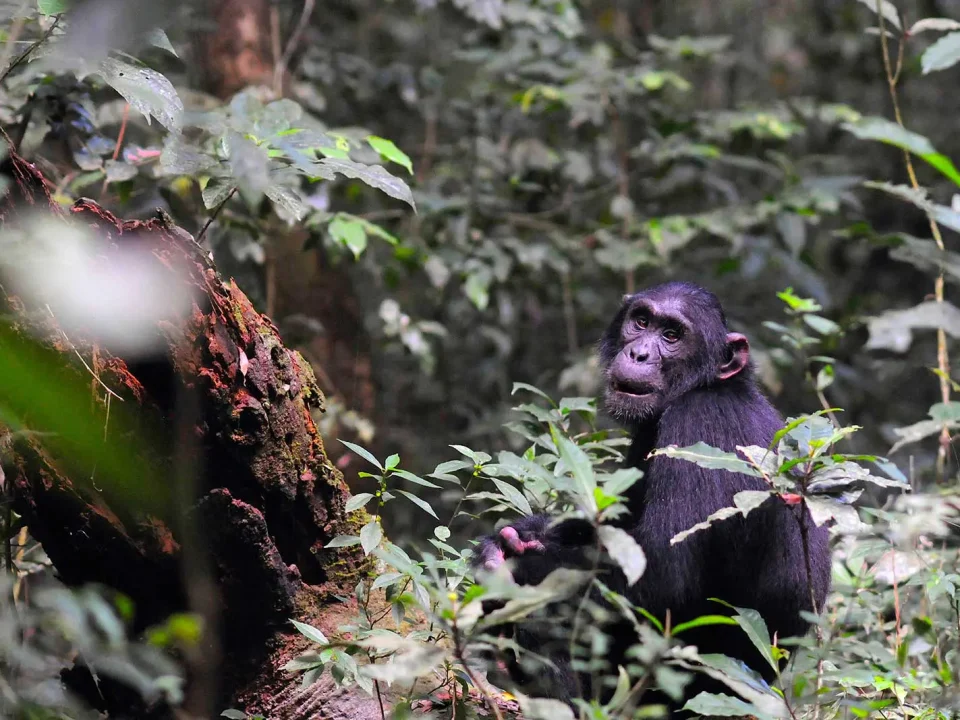
For travelers with even more flexibility, longer itineraries can incorporate Kibale Forest National Park for chimpanzee tracking or a relaxing stop at Lake Bunyonyi. You can explore the full range of options on our Uganda safari packages page.
Health and Preparation Requirements
Because mountain gorillas share close to 98% of human DNA, they are highly susceptible to human respiratory illnesses, and strict health protocols are enforced throughout the trekking process. Anyone showing symptoms of a cold, flu, or other contagious illness may be asked not to trek that day, and surgical masks are required during the gorilla encounter itself, along with a minimum observation distance of seven meters at all times.
It’s worth consulting your doctor or a registered travel clinic about recommended vaccinations and antimalarial medication well ahead of your trip, and confirming current entry requirements through the Uganda Tourism Board before you travel. Comprehensive travel insurance covering trekking activities and medical evacuation is strongly advised given the remote location of the park.
Packing for the Trek
A successful gorilla trek depends heavily on having the right gear. Sturdy, waterproof hiking boots are essential for navigating Bwindi’s steep, often slippery trails, along with gardening-style gloves for gripping vegetation, a reliable rain jacket given the rainforest’s year-round rainfall, and long sleeves and trousers to protect against nettles and insects. A daypack with water, snacks, and a basic first-aid kit will keep you comfortable throughout the trekking day, and a camera with a good zoom lens will help you capture the encounter without needing flash photography, which is strictly prohibited near the gorillas.
Where to Stay Near Bwindi
Accommodation near Bwindi ranges from budget community campsites to luxury eco-lodges with private decks overlooking the forest canopy. Choosing a lodge close to your assigned trailhead can meaningfully reduce early morning travel time before the trek begins, which matters given how early briefings typically start. Families and larger groups should look specifically for lodges offering connecting rooms or multi-bedroom cottages to keep everyone comfortably together throughout the stay.
Our team can recommend and book accommodation suited to any budget as part of a complete itinerary built around your Kigali arrival.
Plan Your Gorilla Trek via Kigali Today
Gorilla trekking in Uganda via Kigali combines the best of both worlds: efficient international flight access through Rwanda’s capital, and direct entry into one of the richest gorilla trekking destinations on the planet. With the right planning around permits, border logistics, and accommodation, this route consistently proves to be one of the smoothest ways to experience Bwindi’s mountain gorillas, regardless of how much additional time you have for your trip.
To start planning, explore our Bwindi Impenetrable National Park page, browse our complete Uganda safari packages, or email our team directly at info@kenlinktours.com with your travel dates, and we’ll help design a seamless gorilla trekking journey from Kigali to Bwindi.