- EXPERT'S HELP
- +256789210067
- +256200955001
- info@kenlinktours.com


Uganda Safari Deals from Rwanda
June 30, 2026
East Africa Family Safari Packages
June 30, 2026
Uganda Wildlife Safari Starting in Kigali. Planning a Uganda wildlife safari that begins in Kigali involves more than simply choosing which parks to visit, it means understanding visas, currency, health requirements, and the practical day-to-day logistics of traveling between two countries on a single trip. While the wildlife itself, gorillas, lions, elephants, and chimpanzees, naturally gets most of the attention, the travelers who have the smoothest trips are usually the ones who’ve planned the practical details well in advance. This guide focuses on exactly that: the logistics, paperwork, and day-to-day realities of starting a Uganda wildlife safari in Kigali.
Visa Requirements for Crossing into Uganda
Most travelers starting their trip in Kigali will need a Uganda visa to cross the border into the country’s southwestern safari circuit. The most convenient option for many nationalities is the East Africa Tourist Visa, a single visa valid for travel across Rwanda, Uganda, and Kenya, which can be applied for online before your trip and eliminates the need for a separate Uganda-specific visa application. Travelers without this visa can typically obtain a standard Uganda visa on arrival at the border crossing, though requirements vary by nationality, so it’s worth confirming your specific situation before departure.
At Kenlink Tours, our team can advise on the most efficient visa option for your nationality and travel dates as part of your overall trip planning.
Currency and Money Matters
Rwanda uses the Rwandan franc, while Uganda uses the Ugandan shilling, meaning travelers crossing the border will be dealing with two different currencies over the course of a single trip. US dollars are widely accepted for larger expenses across both countries, including gorilla permits, lodge bills, and tips, making them a convenient backup currency to carry alongside smaller amounts of local currency for incidental purchases. It’s worth noting that US dollar bills printed before 2009, or with any tears or marks, are sometimes refused in East Africa, so bringing clean, newer notes is a worthwhile precaution.
Most lodges and tour operators, including Kenlink Tours, accept payment via international bank transfer or card for the bulk of your trip cost ahead of travel, reducing the amount of cash you’ll need to carry during the safari itself.
Health Requirements and Vaccinations
Yellow fever vaccination is a mandatory entry requirement for both Rwanda and Uganda, and travelers should carry their official vaccination certificate when crossing the border, as it may be checked by immigration officials. Beyond this mandatory requirement, it’s worth consulting your doctor or a registered travel clinic well ahead of your trip regarding recommended vaccinations, antimalarial medication, given that both countries sit within malaria-endemic regions, and any other health precautions specific to East African travel.
Comprehensive travel insurance covering medical evacuation is strongly recommended for any safari involving remote national parks, particularly given the more limited medical facilities available outside major cities.
Border Crossing Logistics in Practice
Travelers heading from Kigali into Uganda’s southwestern safari circuit typically cross at either Cyanika or Katuna, with the specific crossing determined by your final destination and gorilla trekking sector. On the day of crossing, your driver-guide will handle the practical logistics, parking at the border facility, walking you through Rwandan exit procedures, then Ugandan entry procedures on the other side, before continuing the journey in a separate vehicle on the Uganda side of the border.
This process typically takes thirty minutes to an hour depending on how busy the crossing is, and travelers should have their passport, visa documentation, and yellow fever certificate readily accessible rather than packed away in checked luggage.
Choosing Which Parks to Include
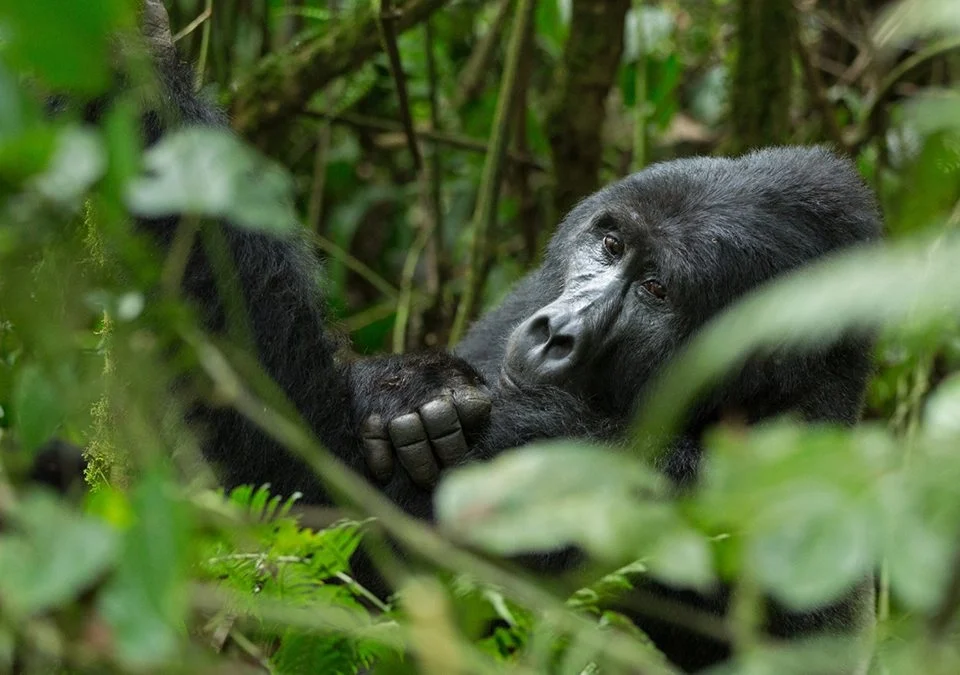
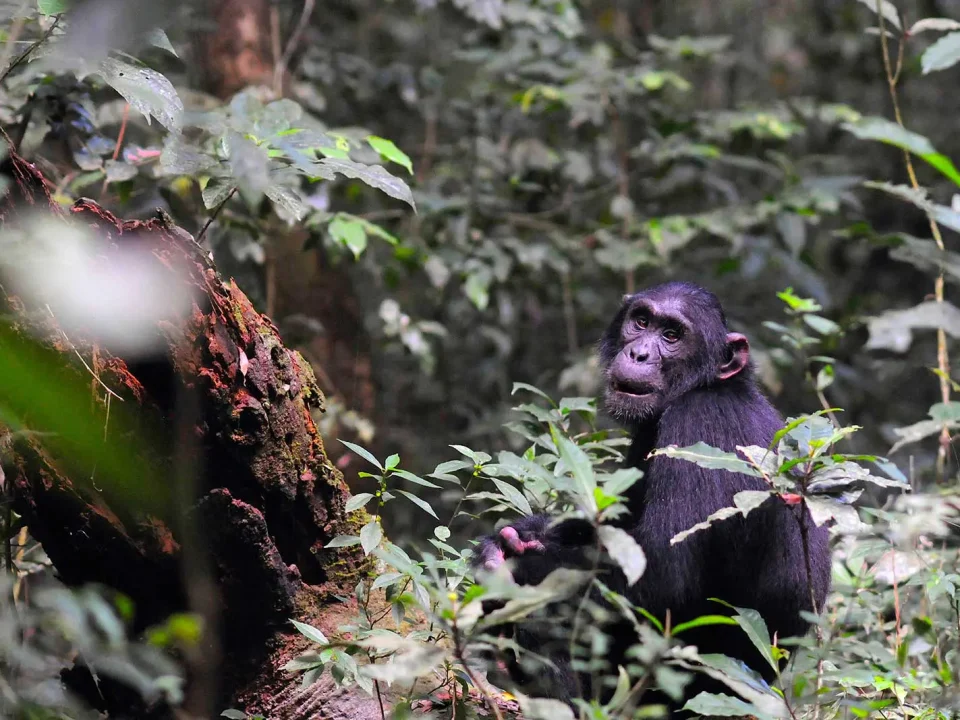
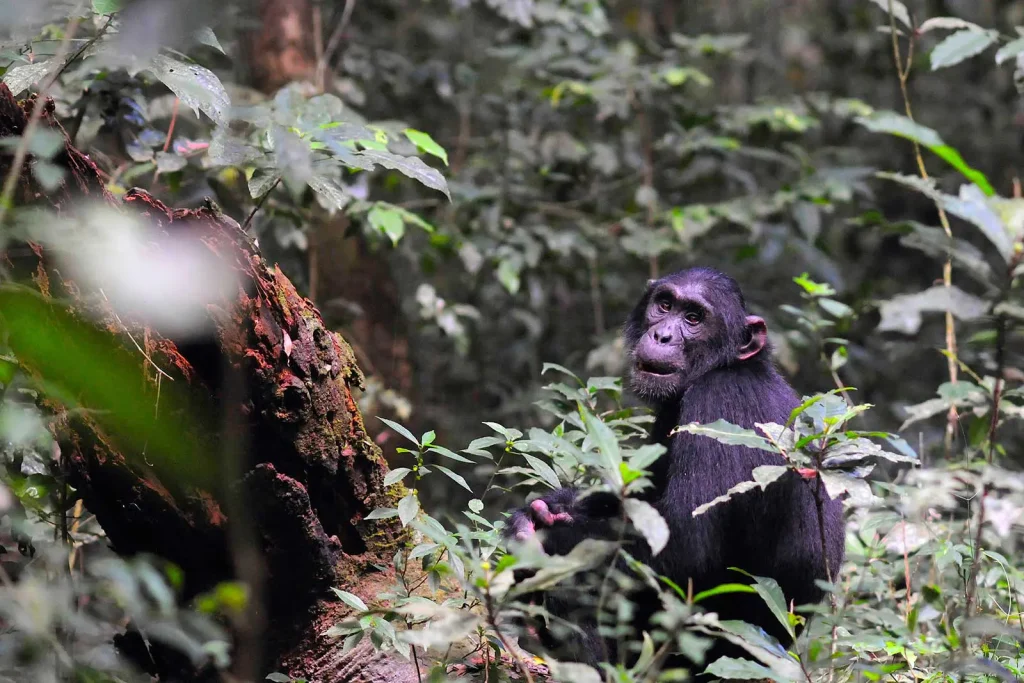
A Uganda wildlife safari starting in Kigali can be built around several core destinations, each offering a distinct experience. Bwindi Impenetrable National Park remains the primary draw for most travelers, offering mountain gorilla trekking across four trekking sectors. Queen Elizabeth National Park, a short drive north of Bwindi, adds classic savanna game drives and a boat cruise along the Kazinga Channel. Kibale Forest National Park, further north still, offers exceptional chimpanzee tracking for travelers wanting a second great ape encounter.
For a deeper look at how these destinations combine into structured itineraries, our Uganda safari packages page outlines several proven combinations ranging from three to six days or more.
Day-to-Day Logistics on Safari
Once your trip is underway, daily logistics follow a fairly consistent rhythm: early breakfasts, often before sunrise on activity days, followed by game drives, treks, or boat cruises during the cooler morning hours when wildlife tends to be more active. Afternoons are typically more relaxed, with time built in for rest, optional activities, or simply enjoying your lodge’s surroundings, before an early dinner ahead of another early start the following day.
Your driver-guide manages the logistics of each transfer day, including border crossings, fuel stops, and meal breaks, allowing you to focus on the experience itself rather than the practical details of moving between destinations.
Connectivity and Communication
Mobile network coverage across Rwanda and southwestern Uganda has improved significantly in recent years, with most towns and many lodges offering at least basic mobile data coverage, though connectivity can be intermittent in more remote stretches of national parks. Many lodges offer Wi-Fi in common areas, though speeds vary considerably by property. Travelers wanting reliable connectivity throughout their trip should consider purchasing a local SIM card in Kigali before departure, since Rwandan SIM cards generally work across the border in Uganda for data roaming, though confirming current roaming arrangements before travel is worthwhile.
Packing for Two Countries and Multiple Environments
Because this kind of trip spans rainforest trekking, savanna game drives, and potentially lakeside relaxation, packing benefits from some versatility. Waterproof hiking boots, gardening gloves, a rain jacket, and long sleeves and trousers are essential for forest trekking, while lighter, breathable clothing suits savanna game drives. A good camera, binoculars, sunscreen, and a basic first-aid kit round out a well-prepared packing list, and travel insurance covering trekking activities is strongly recommended given the remote nature of the parks involved.
Permits and Park Fees Explained
All gorilla trekking and chimpanzee tracking permits, along with park entrance fees, are managed by the Uganda Wildlife Authority (UWA), the government body responsible for protecting Uganda’s national parks and wildlife. Gorilla permits currently cost approximately 800 US dollars per person for foreign non-residents, while chimpanzee tracking permits are considerably less expensive. These costs are typically included within your overall safari package price when booking through an established operator, simplifying the payment process considerably compared to arranging permits independently.
Best Time of Year for This Trip
Uganda’s two dry seasons, June to September and December to February, generally offer the best overall conditions for both gorilla trekking and savanna game viewing, with firmer trails and animals more reliably concentrated around water sources. The wetter months see fewer crowds and lush scenery, particularly rewarding for birdwatchers, though trekking conditions can be considerably muddier. For current travel advisories and entry requirements, it’s worth checking guidance from the Uganda Tourism Board before finalizing your trip dates.
Working with a Local Operator for a Smoother Trip
Given the number of moving parts involved in a cross-border wildlife safari, visas, permits, currency, accommodation, and transport across two countries, working with an experienced local operator significantly reduces the logistical burden on travelers. At Kenlink Tours, we coordinate every stage of this process directly, from confirming visa requirements for your specific nationality to securing permits through official UWA channels and arranging experienced driver-guides familiar with the Kigali-to-Uganda route.
Plan Your Uganda Wildlife Safari from Kigali
A Uganda wildlife safari starting in Kigali offers an efficient, scenic, and genuinely rewarding way to experience the country’s extraordinary biodiversity, provided the practical logistics, visas, health requirements, currency, and border crossing procedures, are planned thoughtfully in advance. With the right preparation and an experienced operator handling the details, the journey between two countries becomes a smooth and enjoyable part of the adventure itself.
To start planning, browse our full range of Uganda safari packages, explore our Bwindi Impenetrable National Park page, or email our team directly at info@kenlinktours.com with your travel dates and nationality, and we’ll help you plan a smooth, well-organized Uganda wildlife safari starting in Kigali.