- EXPERT'S HELP
- +256789210067
- +256200955001
- info@kenlinktours.com


Uganda Safari with Kids
June 30, 2026
Uganda Gorilla Trek and Wildlife Safari
June 30, 2026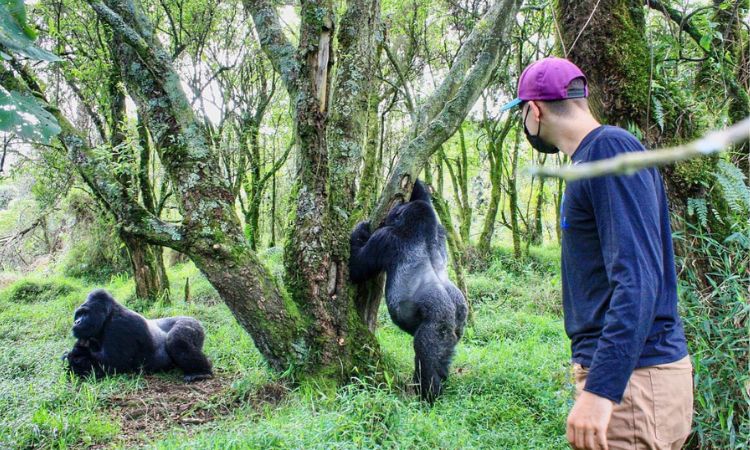
Rwanda to Uganda Gorilla Safari. For travelers who can’t quite decide between Rwanda’s polished Volcanoes National Park and Uganda’s larger, more affordable Bwindi Impenetrable National Park, there’s a third option many don’t initially consider: trekking gorillas in both countries within a single trip. A Rwanda to Uganda gorilla safari lets travelers compare two distinct gorilla trekking experiences directly, different terrain, different gorilla families, different park atmospheres, while exploring two countries that sit conveniently close together along the shared Virunga volcanic landscape. This guide explains how this kind of double gorilla trekking trip works and what makes it worth considering.
Why Trek Gorillas in Both Countries
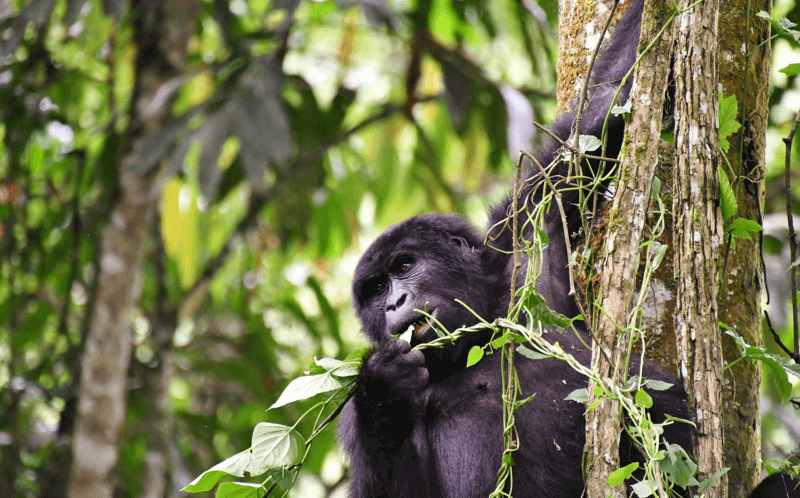
Rwanda’s Volcanoes National Park and Uganda’s Bwindi Impenetrable National Park, along with the smaller Mgahinga Gorilla National Park, all sit within or near the same Virunga volcanic region, home to a meaningful share of the world’s remaining mountain gorilla population. Despite their proximity, the two main parks offer genuinely different trekking experiences. Rwanda’s Volcanoes National Park involves trekking across volcanic slopes at higher altitude, with a more streamlined, premium-feeling visitor experience and generally shorter average trekking times. Uganda’s Bwindi, true to its name, involves denser, lower-altitude rainforest trekking across four separate sectors, offering more habituated gorilla families and a notably lower permit cost.
For travelers with the time and interest, experiencing both offers a uniquely rich perspective, two different forest ecosystems, two different gorilla family dynamics, and the chance to compare trekking conditions directly rather than simply reading about the difference beforehand. At Kenlink Tours, we occasionally design exactly this kind of dual-country gorilla itinerary for repeat visitors or particularly dedicated wildlife enthusiasts.
Comparing Permit Costs Between the Two Countries
One of the most significant differences between trekking in Rwanda versus Uganda is permit pricing. Permits for Rwanda’s Volcanoes National Park, issued by the Rwanda Development Board (RDB), are priced considerably higher than Uganda’s, where permits, issued by the Uganda Wildlife Authority (UWA), currently cost approximately 800 US dollars per person for foreign non-residents. Travelers planning to trek in both countries should budget for this combined cost upfront, since both permits represent fixed, non-negotiable government pricing regardless of which tour operator arranges the trip.
Some travelers choose to trek in Rwanda first, given its convenience right from the Kigali airport, before continuing into Uganda for a second, more affordable trek in Bwindi, allowing the higher Rwanda permit cost to be offset somewhat by Uganda’s lower pricing for the second encounter.
A Sample Itinerary Combining Both Countries
A typical dual-country gorilla itinerary might begin with a day or two in Rwanda, including a gorilla trek in Volcanoes National Park, conveniently located close to Kigali, before crossing the border into Uganda for a second trek in Bwindi Impenetrable National Park a few days later. This structure allows travelers to experience Rwanda’s more streamlined, accessible trekking conditions first, followed by Uganda’s denser, more rugged rainforest trekking, with enough time between the two treks to properly rest and recover.
Depending on available time, this kind of itinerary can be extended further to include Queen Elizabeth National Park for classic savanna game drives, or a relaxing stop at Lake Bunyonyi between the two countries’ trekking experiences. Our Uganda safari packages page outlines several structured itineraries that can be adapted to include this kind of dual-country gorilla trekking extension.
How the Two Trekking Experiences Differ
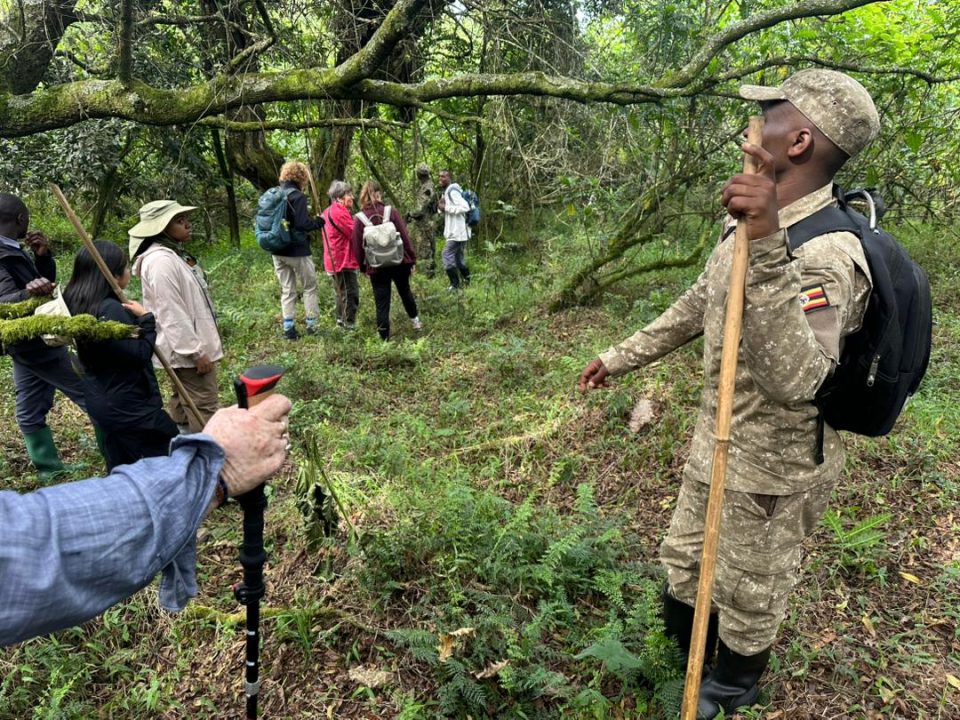
Beyond cost, the actual trekking experience differs meaningfully between the two countries. Rwanda’s Volcanoes National Park sits at higher altitude across open volcanic slopes and bamboo forest, with generally shorter average trekking distances to reach habituated gorilla families, though the altitude itself can be more physically demanding for some travelers. Uganda’s Bwindi, by contrast, involves dense, lower-altitude rainforest trekking that can range from a relatively short walk to a much longer, more strenuous multi-hour hike, depending on where the gorilla family has moved.
Both countries enforce the same core trekking rules: groups of a maximum of eight trekkers per gorilla family, a strict one-hour viewing limit once the gorillas are located, and a minimum observation distance of seven meters for the protection of both visitors and gorillas.
Border Crossing Logistics for a Dual-Country Trip
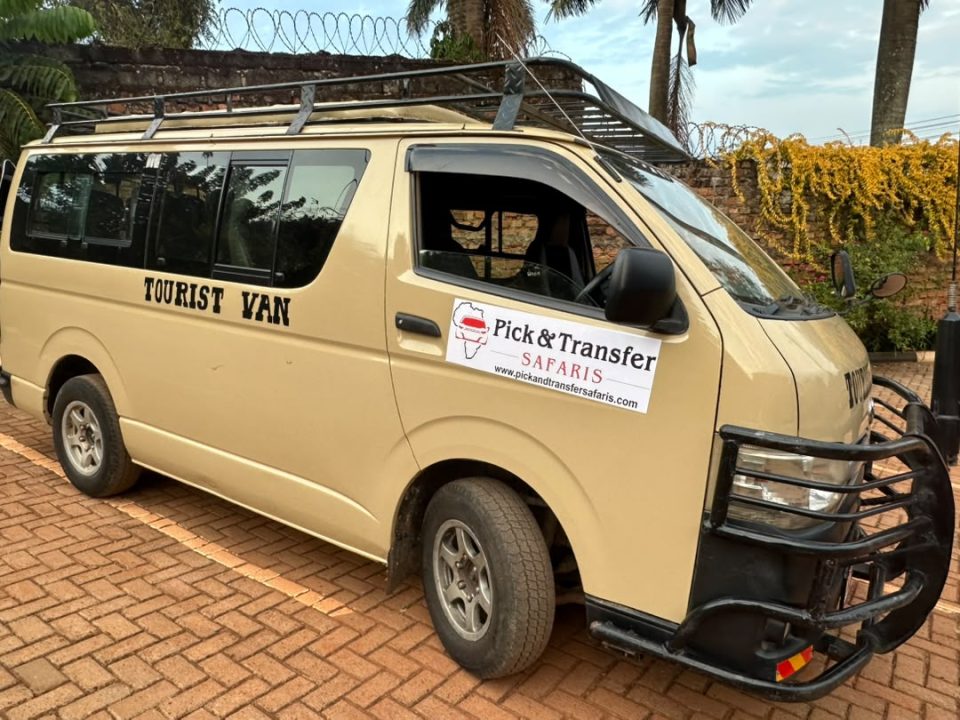
Travelers moving between Rwanda’s Volcanoes National Park and Uganda’s Bwindi typically cross at either Cyanika or Katuna, depending on the specific route and Bwindi sector booked. Most nationalities can obtain a Uganda visa on arrival, while travelers holding the East Africa Tourist Visa can cross without an additional application. A passport valid for at least six months and proof of yellow fever vaccination are required for entry into both countries, and your driver-guide will handle the practical logistics of the crossing itself.
Where to Stay for a Dual-Country Gorilla Trip
Accommodation for this kind of itinerary typically includes a stay near Volcanoes National Park in Rwanda’s Musanze region, followed by a separate stay near your chosen Bwindi sector once across the border in Uganda. Both regions offer a range of accommodation from budget-friendly lodges to high-end luxury properties, and our team can help select properties suited to your preferred comfort level and budget on each side of the border as part of a complete dual-country itinerary.
Is Trekking in Both Countries Worth It?
For first-time gorilla trekkers with limited time or budget, choosing a single country, typically Uganda for its lower cost and larger number of habituated families, generally makes the most practical sense. A dual-country trek is best suited to travelers with sufficient time and budget who specifically want the comparative experience, repeat visitors who’ve already trekked in one country and want to add the other, dedicated wildlife photographers seeking different terrain and lighting conditions, or travelers simply drawn to the idea of experiencing gorilla trekking in two distinct national parks within a single trip.
Booking Permits for Two Countries
Because gorilla permits in both Rwanda and Uganda are limited and tied to specific dates, booking a dual-country trip requires coordinating two separate permit bookings well in advance, ideally three to six months ahead of travel, particularly during the popular dry seasons from June to September and December to February. Working with an operator experienced in both countries’ permit systems helps ensure both bookings align smoothly with your overall itinerary and travel dates.
Plan Your Rwanda to Uganda Gorilla Safari
A Rwanda to Uganda gorilla safari offers a genuinely unique opportunity to experience two distinct mountain gorilla trekking environments within a single, well-planned trip, comparing Rwanda’s accessible volcanic slopes with Uganda’s dense, expansive rainforest, while exploring two countries that sit conveniently close together along the shared Virunga region. For travelers with the time, budget, and curiosity to experience both, this kind of trip delivers a richer, more comparative understanding of mountain gorilla conservation than a single-country trek alone.
To start planning, browse our full range of Uganda safari packages, explore our Bwindi Impenetrable National Park page, or email our team directly at info@kenlinktours.com with your travel dates and interest in dual-country trekking, and we’ll help design your ideal Rwanda to Uganda gorilla safari.