- EXPERT'S HELP
- +256789210067
- +256200955001
- info@kenlinktours.com


Uganda Gorilla Trek and Wildlife Safari
June 30, 2026
Uganda Big Five and Gorilla Safari
June 30, 2026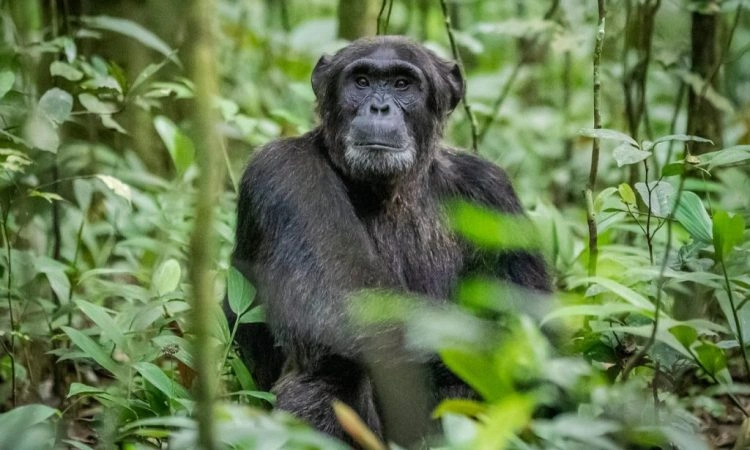
Uganda Gorilla and Chimpanzee Safari. Uganda holds a rare distinction among safari destinations: it’s one of the only countries in the world where travelers can reliably track both mountain gorillas and wild chimpanzees within the same trip, often within just a few days of each other. While both are great apes and share much of our own DNA, the actual experience of trekking each is strikingly different, and understanding those differences helps travelers plan an itinerary that gets the most out of both encounters. This guide compares gorilla and chimpanzee tracking directly and outlines how to combine them well.
Two Great Apes, Two Different Experiences
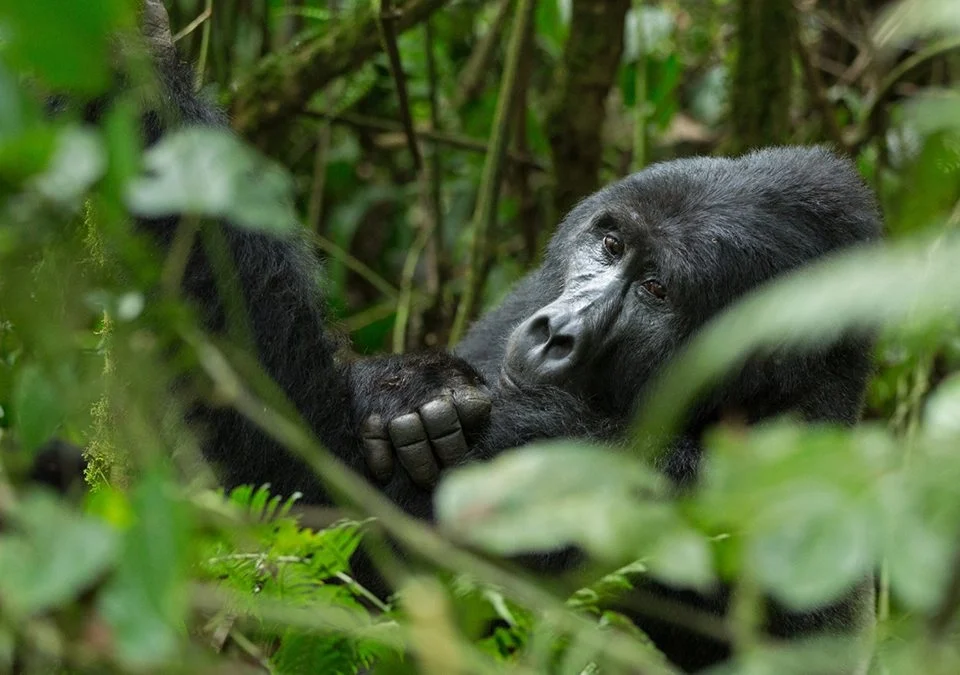
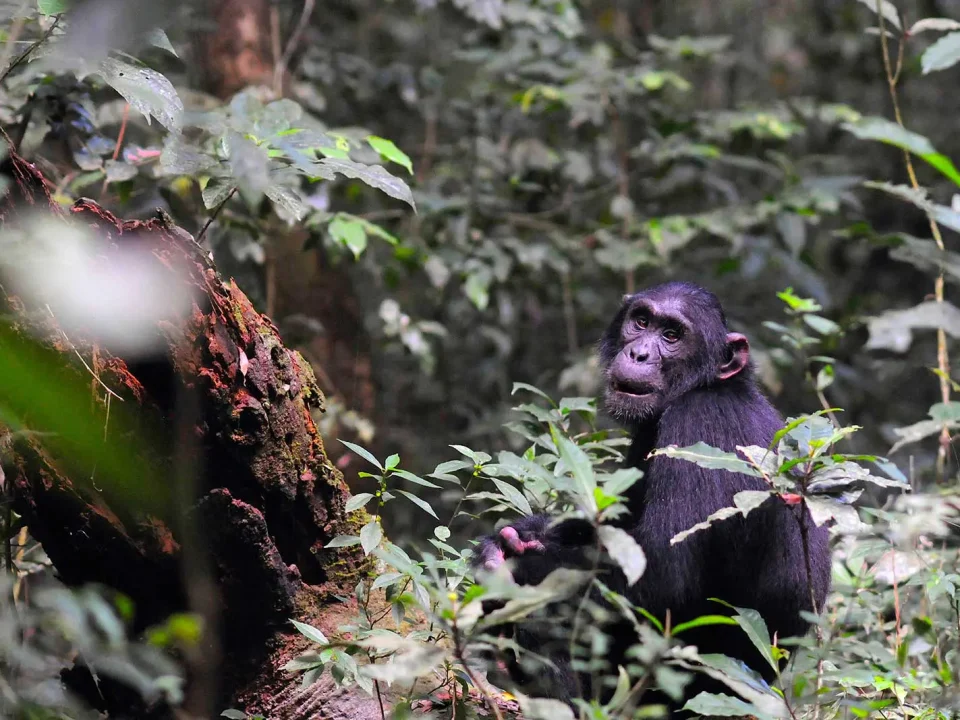
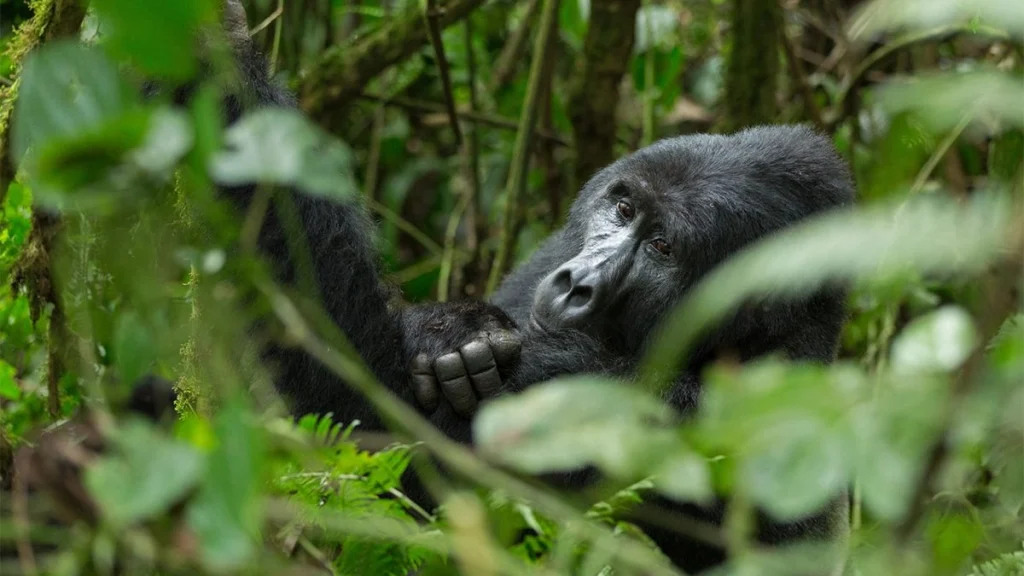
Mountain gorillas and chimpanzees are both great apes, but their behavior, habitat, and the resulting trekking experience differ considerably. Gorillas live in close-knit family groups led by a dominant silverback, generally moving and feeding at a relatively unhurried pace across the forest floor, which gives trekkers a calmer, more sustained viewing experience once the family is located. Chimpanzees, by contrast, are far more active and vocal, moving quickly through the forest canopy, frequently calling to one another, and displaying complex social behavior that can shift rapidly from grooming and rest to sudden bursts of movement and noise.
Many travelers who experience both describe gorilla trekking as the more emotionally profound encounter, a quiet, grounded sense of connection, while chimpanzee tracking feels more energetic and unpredictable, often genuinely thrilling in a different way. At Kenlink Tours, we frequently recommend experiencing both specifically because of how complementary these two encounters turn out to be.
Where to Track Each Species
Gorilla trekking in Uganda takes place almost exclusively in Bwindi Impenetrable National Park, a UNESCO World Heritage Site hosting the largest concentration of habituated gorilla families available anywhere in the world, spread across four trekking sectors. A smaller alternative exists at Mgahinga Gorilla National Park, home to a single habituated family within a dramatic volcanic landscape.
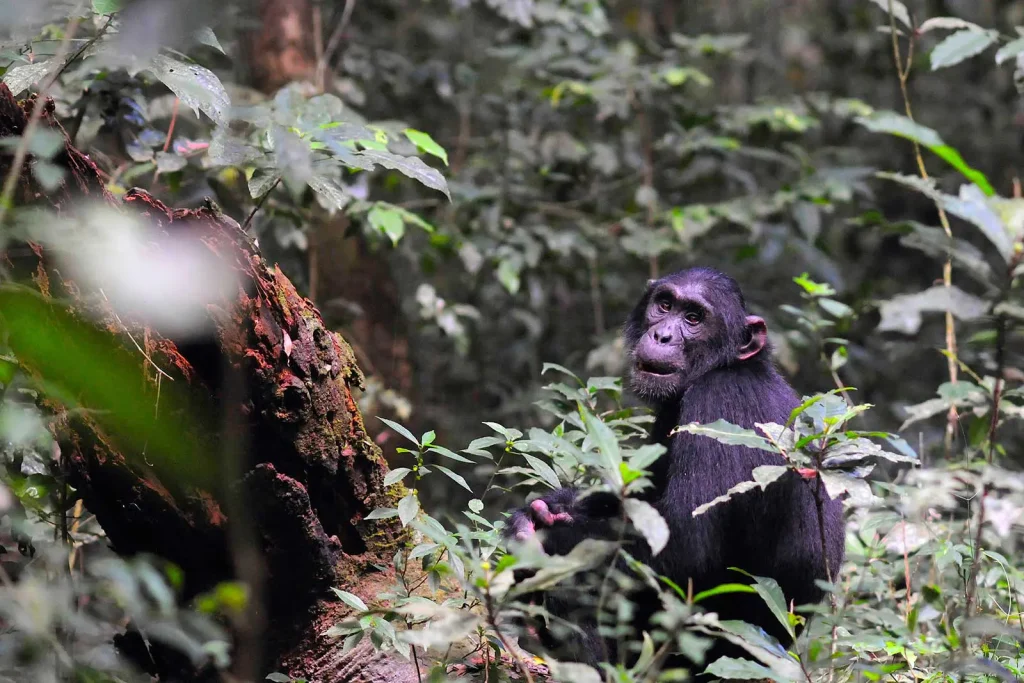
Chimpanzee tracking is most commonly associated with Kibale Forest National Park, widely regarded as one of the best chimpanzee tracking destinations in Africa and home to one of the highest primate densities recorded anywhere on the continent. A second, more convenient option exists at Kyambura Gorge within Queen Elizabeth National Park, where a smaller, less predictable chimpanzee community can sometimes be tracked without the additional travel time required to reach Kibale Forest specifically. Our Bwindi Impenetrable National Park page covers gorilla trekking logistics in detail.
Comparing Permit Costs
One practical advantage of combining these two experiences is the meaningful difference in permit pricing. Gorilla trekking permits, issued by the Uganda Wildlife Authority (UWA), currently cost approximately 800 US dollars per person for foreign non-residents, reflecting the high conservation costs and strict daily limits associated with gorilla tourism. Chimpanzee tracking permits, by contrast, are considerably less expensive, making the addition of a chimpanzee trek relatively affordable once the larger gorilla permit cost has already been budgeted for.
This cost difference makes chimpanzee tracking one of the best-value additions to an existing gorilla trekking itinerary, adding a genuinely distinct wildlife experience without dramatically increasing the overall trip budget.
Kibale Forest Versus Kyambura Gorge
For travelers deciding between the two main chimpanzee tracking locations, the choice generally comes down to time available and how central the chimpanzee experience is to the overall trip. Kibale Forest offers significantly better odds of locating chimpanzees, given its well-established habituated communities and broader expertise built up over years of dedicated tracking, along with the chance to spot numerous other primate species along the way. Kyambura Gorge, located within Queen Elizabeth National Park, offers a more convenient option for travelers already visiting the park for game drives, though its smaller chimpanzee community means sightings are somewhat less reliable.
Travelers prioritizing a strong chance of a quality chimpanzee encounter should generally choose Kibale Forest, while those with limited time who are already passing through Queen Elizabeth National Park may find Kyambura Gorge a reasonable, more time-efficient alternative.
Structuring an Itinerary Around Both Species
A well-paced gorilla and chimpanzee safari typically begins with gorilla trekking in Bwindi, followed by a transitional day or two, often including a stop in Queen Elizabeth National Park for savanna game viewing, before continuing on to Kibale Forest for the chimpanzee tracking portion of the trip. This sequencing allows travelers to experience three genuinely distinct environments, dense gorilla rainforest, open savanna, and dedicated chimpanzee forest, within a single, well-organized route.
Our 6-day gorilla and chimpanzee safari outlines exactly this kind of structured itinerary in detail, including day-by-day logistics for travelers starting their trip from Kigali.
The Chimpanzee Habituation Experience
For travelers wanting an even deeper chimpanzee encounter, Kibale Forest offers a chimpanzee habituation experience as an alternative to the standard one-hour tracking permit. This extended activity allows visitors to spend several hours, often a half day or more, alongside researchers actively working to habituate a wild chimpanzee community to human presence, offering significantly more time observing natural chimpanzee behavior than the standard tracking permit allows. This experience costs more than standard tracking but appeals strongly to serious primate enthusiasts and wildlife photographers wanting extended observation time.
What to Expect Physically from Each Trek
Gorilla trekking in Bwindi can range considerably in difficulty, from a relatively short one-hour walk to a demanding five-to-eight-hour hike across steep, often muddy terrain, depending on where the gorilla family has moved. Chimpanzee tracking in Kibale Forest tends to involve somewhat gentler terrain overall, though the chimpanzees’ faster movement through the canopy sometimes requires a brisker pace to keep up once a group has been located. Both treks require reasonable fitness, sturdy waterproof footwear, and a tolerance for muddy, humid rainforest conditions.
Booking Permits for Both Experiences
Because gorilla permits are particularly limited and tied to specific dates and gorilla families, it’s important to secure this booking first, ideally three to six months ahead of travel during peak dry seasons from June to September and December to February, before coordinating chimpanzee tracking permits around the confirmed gorilla trekking dates. Chimpanzee permits generally offer more flexible availability, though booking both together with an experienced operator ensures your overall itinerary, accommodation, and transport align smoothly across both activities.
Accommodation for a Combined Primate Safari
Accommodation near Bwindi and Kibale Forest both range from budget-friendly lodges to high-end properties, with options suited to nearly any travel style. Properties near Kibale Forest often sit at the edge of the forest itself, offering the chance to hear chimpanzee calls from the lodge grounds even outside of scheduled tracking activities. Our team can help select accommodation suited to your preferred comfort level at each stage of a combined gorilla and chimpanzee itinerary as part of a complete Uganda safari package.
Plan Your Uganda Gorilla and Chimpanzee Safari
A Uganda gorilla and chimpanzee safari offers a genuinely rare opportunity to compare two of our closest living relatives within a single, well-organized trip, the calm, grounded presence of a gorilla family in Bwindi and the dynamic, vocal energy of a chimpanzee community in Kibale Forest. With thoughtful planning around permits, sequencing, and accommodation, this combination delivers one of the most rewarding primate experiences available anywhere in the world.
To start planning, browse our full range of Uganda safari packages, explore our Bwindi Impenetrable National Park page, or email our team directly at info@kenlinktours.com with your travel dates and interests, and we’ll help design your ideal Uganda gorilla and chimpanzee safari.