- EXPERT'S HELP
- +256789210067
- +256200955001
- info@kenlinktours.com


Uganda Safari During School Holidays
June 30, 2026
Family Safari from Kigali to Uganda
June 30, 2026
Multi-Generation Family Safaris in Uganda. Bringing three generations together on a single Uganda safari, grandparents, parents, and children, creates a genuinely special kind of trip, but it also introduces planning considerations that don’t come up in a standard family or couples’ itinerary. While most multi-generational planning advice focuses on entertaining younger children, the harder logistical questions often center on the older end of the group: how much walking is realistically manageable, which lodges accommodate limited mobility well, and how to structure a trip so grandparents feel genuinely included rather than left behind at the lodge. This guide focuses specifically on planning around older relatives within a multi-generational Uganda safari.
Why Mobility Planning Deserves Its Own Conversation
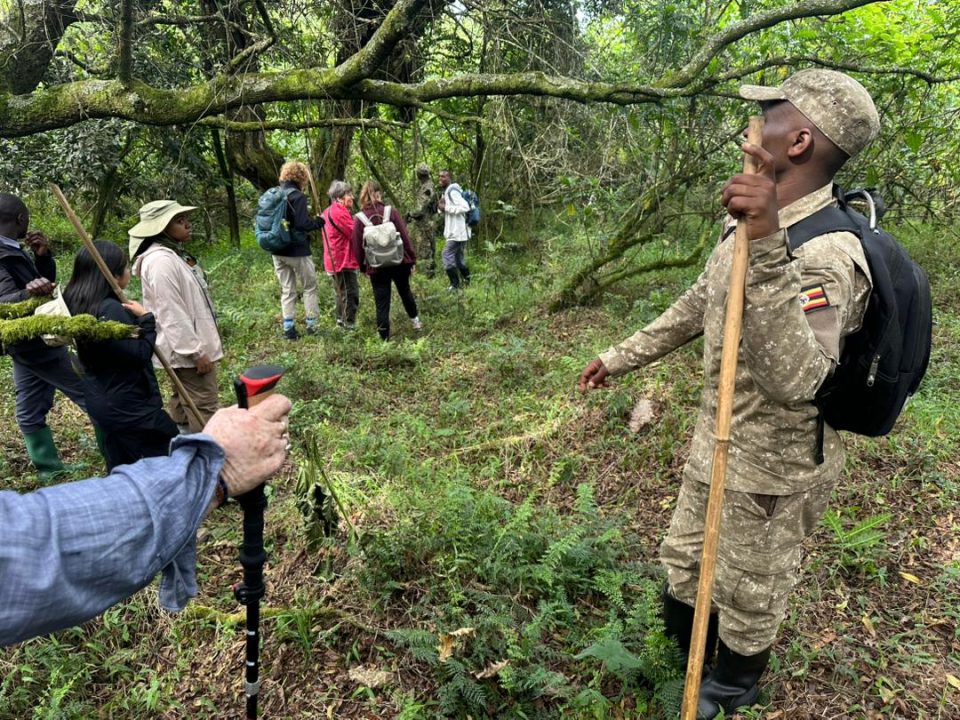
Most general family safari advice assumes the central planning challenge is keeping young children engaged and safe. For multi-generational trips, however, the more practical constraint is often physical: gorilla trekking in Bwindi Impenetrable National Park involves genuinely demanding terrain, steep, often muddy slopes that can challenge even reasonably fit younger adults, and grandparents or relatives with limited mobility need a realistic, honest assessment of what’s achievable before the trip is booked, not after arriving at the trailhead. At Kenlink Tours, we always ask directly about mobility and fitness levels across the full traveling group when planning a multi-generational itinerary, since this single factor shapes nearly every other decision in the trip.
Requesting an Easier Gorilla Trekking Sector
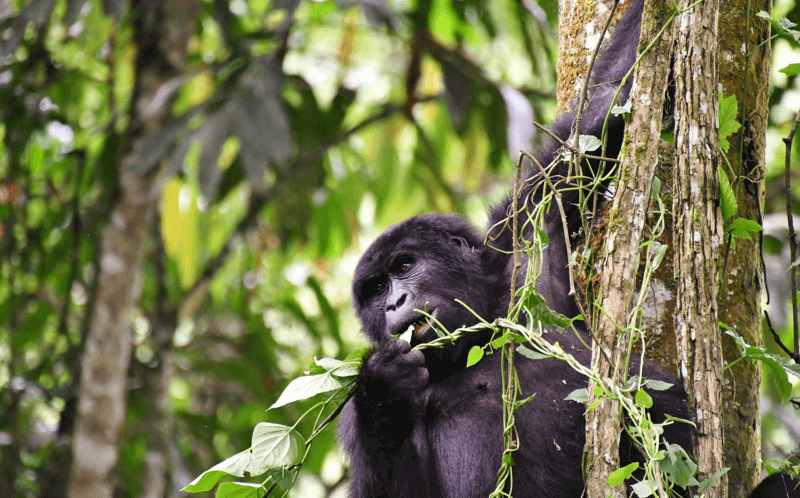
One of the most useful planning tools available for older or less mobile family members is requesting a specific trekking sector or gorilla family known for gentler terrain. Bwindi’s four trekking sectors, Buhoma, Ruhija, Rushaga, and Nkuringo, vary considerably in difficulty, and within each sector, individual gorilla families are also located at different distances and elevations from the trailhead. The Uganda Wildlife Authority (UWA) allocates trekkers to gorilla families partly based on stated fitness levels during the booking and morning briefing process, and being upfront about an older relative’s mobility needs allows rangers to assign a more accessible gorilla family wherever possible.
It’s worth noting this isn’t a guarantee, gorilla families move daily and assignments can’t be perfectly predicted in advance, but communicating mobility needs clearly when booking permits meaningfully improves the odds of a more manageable trekking day for less mobile travelers.
The Value of Hiring Porters for Older Trekkers
Porters, available to hire at the trailhead for a modest fee, become especially valuable for multi-generational groups including older relatives. Beyond simply carrying daypacks, experienced porters provide physical support on steep or slippery sections, offering a steady arm and helping older trekkers navigate the most challenging parts of the trail with considerably more confidence and safety. For families with grandparents joining the trek, we strongly recommend budgeting for a porter as a near-essential addition rather than an optional extra, given the genuine difference it makes to the experience and safety of older participants.
When Trekking Isn’t the Right Choice for Everyone
Multi-generational groups should approach gorilla trekking with an honest understanding that it may not be appropriate for every family member, and that’s a perfectly reasonable outcome rather than a failure of planning. Family members with significant mobility limitations, certain cardiovascular conditions, or general health concerns that make several hours of strenuous hiking in remote terrain genuinely risky are often better served choosing not to trek, rather than attempting it and facing real difficulty mid-trail far from emergency medical support.
For relatives who choose not to trek, Queen Elizabeth National Park offers an excellent alternative within the same general region, since its game drives and Kazinga Channel boat cruise require no significant physical exertion and can be enjoyed comfortably from a vehicle or boat seat. Structuring the itinerary so non-trekking relatives still have a meaningful, engaging activity during the gorilla trekking day, rather than simply waiting at the lodge, helps keep the whole group feeling included throughout the trip.
Choosing Mobility-Friendly Accommodation
Accommodation choice matters enormously for multi-generational groups, and properties vary considerably in how well they accommodate older travelers or those with limited mobility. Look specifically for lodges with ground-floor rooms or limited stairs, paved or well-maintained paths between rooms and common areas, and accessible bathroom facilities. Some lodges near Bwindi are built across steep hillside terrain with significant walking distances and stairs between rooms and dining areas, beautiful settings, but genuinely challenging for older relatives with mobility concerns, while others are designed with flatter, more accessible layouts.
Our team can specifically filter accommodation recommendations based on mobility needs when planning a multi-generational itinerary, ensuring older relatives stay comfortably throughout the trip as part of a complete Uganda safari package.
Pacing a Multi-Generational Itinerary Realistically
Itineraries built around multi-generational groups generally benefit from a slower overall pace than a typical adult-focused trip, with fewer back-to-back activities and more built-in rest time between major travel days. Long drives between parks can be physically tiring for older relatives in particular, and breaking up the journey from Kigali to Bwindi with an overnight stop, such as at Lake Bunyonyi, reduces the strain of a single long transfer day considerably. Our Kigali to Lake Bunyonyi and Bwindi safari itinerary illustrates this kind of deliberately gentler pacing, which works particularly well for groups spanning a wide age range.
Health Planning for Older Travelers
Multi-generational groups should plan health logistics with particular care for older relatives, including a pre-trip consultation with their physician regarding fitness for travel, any medication adjustments needed for the trip, and specific guidance on malaria prevention suited to their individual health profile. Comprehensive travel insurance covering pre-existing conditions and medical evacuation is especially important for older travelers, given the remote nature of much of southwestern Uganda and the more limited medical facilities available outside major towns. It’s also worth packing a more complete supply of any regular medications than might typically be needed, along with copies of relevant prescriptions, given the practical difficulty of replacing specific medications locally.
Communication and Setting Expectations Early
The most successful multi-generational trips tend to involve open, honest conversations well before booking about what each family member realistically wants and is able to do. Rather than assuming grandparents want to (or should) join every activity, asking directly about preferences and physical limitations allows the itinerary to be built around genuine input from the whole group, rather than guesswork that risks either excluding capable older relatives unnecessarily or pushing less mobile family members into activities beyond their comfort level.
Budgeting for a Multi-Generational Trip
Multi-generational safaris often involve a wider range of accommodation needs and activity choices across the group, and budgeting benefits from accounting for this variation directly rather than assuming a single uniform cost per person. Porters for older trekkers, accessible accommodation that may carry a slightly different rate than standard rooms, and alternative activities for non-trekking relatives should all be factored into the overall trip cost from the start. For current entry requirements and travel advisories, it’s also worth checking guidance from the Uganda Tourism Board before finalizing travel plans.
Working with an Operator Experienced in This Kind of Planning
Designing a multi-generational safari that genuinely works for every age and mobility level in the group benefits significantly from working with an operator willing to ask detailed, sometimes difficult questions upfront, about fitness, health conditions, and realistic expectations, rather than simply selling a standard package regardless of who’s traveling. At Kenlink Tours, we treat this kind of honest planning conversation as an essential first step for any multi-generational booking, since it shapes nearly every other decision in the itinerary that follows.
Plan Your Multi-Generation Family Safari in Uganda
A multi-generational Uganda safari can be a deeply rewarding way for grandparents, parents, and children to share a genuinely significant trip together, provided the itinerary is planned honestly around the realistic physical needs and preferences of every generation involved, particularly the older relatives whose comfort and safety deserve as much careful attention as the youngest children’s. With thoughtful sector selection, mobility-friendly accommodation, and realistic pacing, this kind of trip can include everyone meaningfully rather than leaving anyone behind.
To start planning, browse our full range of Uganda safari packages, explore our Bwindi Impenetrable National Park page, or email our team directly at info@kenlinktours.com with your family’s ages, mobility considerations, and travel dates, and we’ll help design a multi-generation family safari that genuinely works for everyone.