- EXPERT'S HELP
- +256789210067
- +256200955001
- info@kenlinktours.com


2-Day Uganda Gorilla Safari Starting From Kigali
July 13, 2026
Short Uganda Gorilla Safari with game drive
July 14, 2026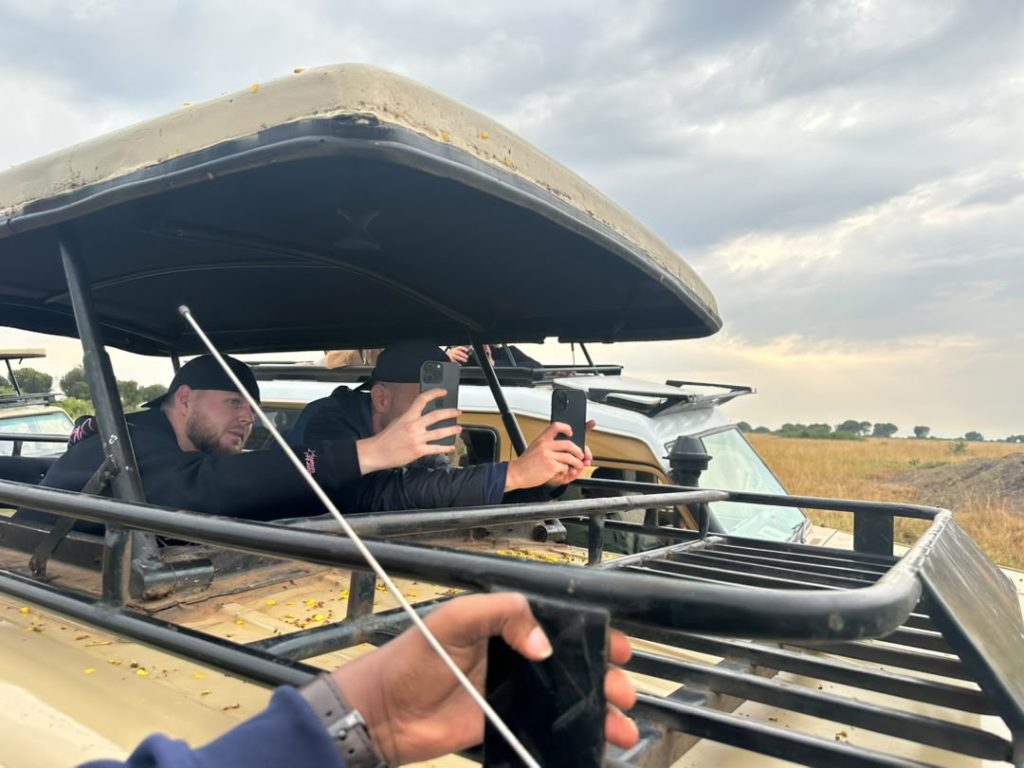
What time does a game drive begin in Queen Elizabeth National Park. One of the first questions every traveler asks us is the hardest one to answer in a single line: how long should a Uganda safari be? Uganda packs an extraordinary amount into a relatively small country — mountain gorillas, chimpanzees, tree-climbing lions, the source of the Nile, volcanic crater lakes, and some of the friendliest cultural encounters in East Africa — and the honest answer is that you could spend anywhere from a long weekend to a month here and still not run out of things to do.
What actually matters is matching the length of your trip to what you most want to experience. This guide breaks Uganda safaris down by duration, so you can see what’s realistically achievable in each timeframe and pick the itinerary that fits your schedule, budget, and bucket list.
Start With What You Actually Want to See
Before you look at duration, it helps to be honest about your priorities. Uganda’s big draws fall into a few categories:
- Primates — mountain gorilla trekking in Bwindi Impenetrable National Park or Mgahinga, and chimpanzee trekking in Kibale Forest
- Classic wildlife — game drives and boat cruises in Queen Elizabeth, Murchison Falls, and Lake Mburo National Parks
- Off-the-beaten-path wilderness — Kidepo Valley National Park, one of Africa’s most remote and rewarding parks
- Adventure and culture — white-water rafting and the source of the Nile at Jinja, Sipi Falls, and encounters with communities like the Karamojong and Batwa
Almost every itinerary on our Uganda Safaris page is really just a different combination of these four ingredients, scaled to fit a certain number of days. Once you know which of them matter most to you, the right trip length usually becomes obvious.
2–3 Days: A Single, Focused Experience
If you’re short on time — perhaps adding Uganda onto a trip elsewhere in East Africa, or want a quick primate fix before flying home — two or three days is enough to do one thing really well.
A short trip is ideal if your priority is:
- Gorillas only: our 3-Day Uganda Gorillas Safari gets you into Bwindi or Mgahinga for a single, unforgettable trek with minimal time lost on the road.
- Chimpanzees only: the 3 Days Chimpanzee Tracking Safari takes you to Kibale Forest, reputed to have the highest concentration of primates anywhere in East Africa.
- Classic savannah wildlife: our 3 Days Wildlife Encounter to Queen Elizabeth National Park covers game drives and a Kazinga Channel boat cruise, while the 3 Days Tree-Climbing Lions Tour & Boat Cruise adds a search for Ishasha’s famous lions in the fig trees.
- The Nile and its falls: our 3 Days Tour to Murchison Falls National Park combines a boat cruise to the base of the falls with a hike to the top and a northern game drive.
If you’d rather keep things even more compact, the 2-Day Tour to Lake Mburo National Park is a great, easy add-on from Kampala or Entebbe — Uganda’s smallest savannah park, but one with an outsized amount of zebra, giraffe, and birdlife for the time invested.
The trade-off with short trips is obvious: you’ll see one park, or one primate, exceptionally well, but you won’t get the full Uganda picture. That’s where a week starts to open things up.
5–8 Days: Gorillas and Wildlife, Properly Combined
A week to ten days is the sweet spot for most first-time visitors, and it’s genuinely enough time to combine gorilla trekking with a proper wildlife safari rather than choosing between them.
Our 7-Day Wildlife, Gorillas and Chimpanzees Safari is a good benchmark for what a week can achieve: chimpanzee trekking in Kibale, game drives and a boat cruise in Queen Elizabeth, and mountain gorilla trekking in Bwindi, all without feeling rushed. If eight days suits your dates better, the 8-Day Uganda Gorilla Chimpanzee & Wildlife Safari adds a little breathing room and extra game-viewing time along the same core route.
This length also works well if you want to pair Uganda with a taste of Rwanda. Options like the 4-Day Rwanda-Uganda Golden Monkey and Gorilla Trekking trip let you compare gorilla trekking in both countries and add golden monkeys into the mix, all within a manageable window.
The rule of thumb: for every primate experience you add, plan on at least one extra day, since permits, briefings, and travel to the trailhead all take time on top of the trek itself. A week is comfortable for two primate experiences (usually gorillas and chimps); squeezing in a third — say, golden monkeys as well — tends to work better over 9–10 days.
10–15 Days: The Full Wildlife Circuit
Once you’re into the 10-to-15-day range, you can start covering Uganda’s classic circuit properly rather than picking and choosing. This usually means adding Murchison Falls National Park to the Kibale–Queen Elizabeth–Bwindi loop, along with time at Lake Bunyonyi or Lake Mburo to slow the pace down between parks.
Trips like our 10-Days Tour in Rwanda & Uganda and 15-Day Rwanda–Uganda Primate & Big-Five Safari Adventure show what’s possible at this length when you bring Rwanda into the picture too — more primates, more parks, and a genuine sense of East Africa’s variety without needing a month off work.
If you’d rather stay within Uganda’s borders and go deeper instead of wider, this is also the point where Kidepo Valley National Park — Uganda’s most remote and dramatic park, tucked against the South Sudan border — starts to become realistic to include, either by road or, more efficiently, by a short domestic flight.
18–20 Days: Everything, at a Comfortable Pace
This is where a Uganda safari stops feeling like a highlights reel and starts feeling like you’ve actually gotten to know the country. Our 18-Day Adventure to Africa – Tailored Safari Holiday & Tour in Uganda and 20-Day Wildlife and Nature Experience in Uganda both cover the full national park circuit — Murchison Falls, Kidepo Valley, Kibale, Queen Elizabeth, Bwindi — plus Lake Bunyonyi and Lake Mburo, with enough time built in for long transfer days, rest days, and a few unhurried mornings that shorter trips simply can’t afford.
At this length, culture and adventure activities also get real room to breathe: a stop at the source of the Nile in Jinja, a hike to Sipi Falls, and time spent with the Karamojong people in Uganda’s far northeast all become part of the journey rather than something squeezed in at the margins.
25 Days and Beyond: The Complete Uganda Experience
For travelers who genuinely want to see it all, our 25-Day Wildlife, Gorilla, Chimps & Uganda Adventure is our most comprehensive Uganda itinerary. It adds Semuliki National Park’s Sempaya Hot Springs and the crater lakes and royal history of Fort Portal to the 18–20 day circuit, along with golden monkey tracking in Mgahinga Gorilla National Park — genuinely covering every major region of the country.
If you want to extend even further into a multi-country trip, itineraries such as our 20-Day East Africa Safari Itinerary combine Uganda’s gorillas and chimps with Rwanda’s Akagera National Park and Kenya’s Maasai Mara — genuinely a once-in-a-lifetime, multi-ecosystem trip for travelers with the time to spare.
A Few Practical Factors That Shape the Right Length
Gorilla and chimp permits are limited and should be booked early, especially in peak season (June–September and December–February), so build your dates around permit availability rather than the other way around.
Long-distance days add up. Uganda’s parks are spread out, and getting to remote areas like Kidepo Valley by road takes real time — something to factor in honestly when comparing a 15-day itinerary to an 18-day one.
Every trip here is tailor-made. None of the durations above are fixed; we regularly add or remove days, swap in a fly-in option to save driving time, or rearrange the order of parks to fit a person’s specific interests and travel dates.
Accommodation level affects pacing too. A budget trip with public campsite bandas and a longer daily drive time will feel different from the same route done at a mid-range or luxury pace with private transfers and closer-in lodges. If you’re working with a tighter number of days, upgrading accommodation near the parks you care about most is often a better use of budget than adding another long transfer day.
Group size matters more than people expect. A private safari for two moves at a very different pace from a family of six or a group of friends travelling together — more people generally means slightly longer mornings and more flexibility needed in the schedule, which is worth factoring in in when comparing itineraries.
Seasonality changes what a given number of days can cover. During the rains (March–May and October–November), driving times on unpaved park roads can stretch, so itineraries built for the dry season sometimes need an extra buffer day when travelling in the wet months — something our team will flag when we put your quote together.
Ready to Plan Your Uganda Safari?
Whatever length works for your schedule, the goal is the same: a trip that matches what you actually want to see, without wasting days on the road or rushing past experiences that deserve more time. Browse our full range of Uganda Safaris, read more about Uganda as a destination, or get in touch with our team and we’ll help you figure out exactly how many days you need — and build the itinerary around them.


