- EXPERT'S HELP
- +256789210067
- +256200955001
- info@kenlinktours.com


One day Short Gorilla tour in Uganda
July 31, 2026
Short Gorilla Safari in Uganda Beginning from Kigali
July 31, 2026
Two days Uganda Gorilla Tour Beginning from Rwanda. If a one-day round trip sounds too rushed but you still don’t have a full week to spare, a two day Uganda gorilla tour beginning from Rwanda is very likely the itinerary you should be looking at. It keeps Uganda’s lower permit price, still uses Kigali as your entry and exit point, and adds just one overnight stay near the park — enough to remove the exhausting same-day pressure of a one-day trek, without stretching your trip into a longer commitment than you actually have time for.
At Kenlink Tours, this two-day, one-night format is one of our most consistently booked itineraries, largely because it hits a genuine sweet spot: meaningfully cheaper than any Rwanda-based gorilla trip, considerably more relaxed than the one-day version, and still short enough to fit around a business trip, a stopover, or a tightly bounded holiday. This guide walks through exactly how the two-day format works, what it costs in 2026, and how to decide whether it’s the right fit for your own trip.
What Is a Two Day Uganda Gorilla Tour From Rwanda?
A two day Uganda gorilla tour beginning from Rwanda is a short cross-border safari that starts and ends in Kigali, with a single overnight stay near Uganda’s gorilla trekking parks in between. Day one is spent traveling from Kigali across the border into southwestern Uganda and settling into your lodge; day two is spent trekking mountain gorillas before returning to Kigali the same evening.
This structure exists because Kigali International Airport sits far closer to Uganda’s gorilla parks — Bwindi Impenetrable National Park and Mgahinga Gorilla National Park — than Uganda’s own capital, Entebbe. The drive from Entebbe to Bwindi typically takes 8 to 11 hours, while the drive from Kigali takes only 2.5 to 4 hours depending on the specific sector and border crossing used. That difference is what makes a short, efficient Uganda gorilla trip realistic for travelers flying into Rwanda, even if Uganda is the actual trekking destination.
Why Choose Two Days Instead of One or Three?
The two-day format sits deliberately between two other common options, and understanding the trade-offs helps clarify why so many travelers land here specifically.
A one day Uganda gorilla tour squeezes the entire round trip — border crossing, trek, and return — into a single very long day, starting before dawn and often finishing after dark. It is the cheapest option since there’s no accommodation cost, but it is genuinely tiring and leaves no margin if the trek runs long or the border crossing is delayed.
A three-day itinerary, such as our 3 Days Bwindi Gorilla Safari Starting from Kigali, adds a second night and room for a cultural visit or a more relaxed overall pace, but costs more and requires an extra day away from other commitments.
The two-day version removes the worst of the one-day format’s time pressure — you sleep near the park the night before, wake up rested, and trek without needing to also drive several hours beforehand — while adding only one modest accommodation cost rather than two. For most travelers weighing convenience against budget, it turns out to be the most efficient compromise available. Our own 2 Days Uganda Gorilla Safari Starting from Kigali is built around exactly this balance.
The Realistic Cost of a Two Day Uganda Gorilla Tour From Rwanda
A two day Uganda gorilla tour beginning from Rwanda typically costs between US$1,300 and US$1,900 per person on a budget-to-midrange plan, rising to US$2,500 or more per person for travelers choosing upscale lodges near the park. Here is a realistic breakdown of what makes up that total:
- Gorilla trekking permit: US$800 per person in high season, or US$600 per person during Uganda’s low season months of April, May, and November
- Private 4×4 vehicle, driver-guide, and fuel for the round trip and park transfers: roughly US$150–300 per day, shared across your group
- One night’s accommodation near the park: US$50–100 (budget), US$150–300 (midrange), or US$400+ (luxury) per person
- Border crossing and visa costs: typically US$50–100 depending on nationality and visa type
- Meals across the two days: US$30–60
- Optional porter fee: US$15–20, genuinely worthwhile on the steep, muddy trails
Because Uganda’s permit is nearly half of Rwanda’s US$1,500 fee, and only one night of accommodation is required rather than two or more, this itinerary remains one of the most cost-effective ways to see mountain gorillas anywhere in East Africa, while still allowing a comfortable night’s rest before and after the trek.
A Day-by-Day Breakdown of the Itinerary
Day 1 — Kigali to Uganda’s Gorilla Parks: Your driver-guide picks you up from your hotel or Kigali International Airport, typically mid-morning, and you head northwest toward the Cyanika or Katuna border crossing. After clearing immigration on both sides, the drive continues to either Mgahinga Gorilla National Park or the southern Bwindi sectors of Nkuringo and Rushaga. Depending on your exact sector, total travel time from Kigali is usually 3 to 4 hours including the border stop. You arrive at your lodge in the afternoon, with time to rest, enjoy the scenery, and receive a briefing on the next day’s trek.
Day 2 — Gorilla Trekking and Return to Kigali: An early breakfast is followed by a short drive to the park headquarters for the 7:00 a.m. briefing, where you are assigned to a habituated gorilla family and grouped with up to seven other trekkers. The trek itself varies in duration from as little as 30 minutes to several hours, depending on where the gorilla family has moved overnight, followed by a full hour observing the family up close. After the trek, you return to your lodge for lunch and a chance to freshen up, before beginning the drive back across the border to Kigali, typically arriving in the early evening.
Because trek duration is genuinely unpredictable, most operators build a comfortable buffer into the day-two schedule, and it’s worth avoiding any return flight departing before 8:00–9:00 p.m. on trek day itself, just in case.
Which Uganda Park Sector Fits a Two Day Itinerary Best
Two-day tours from Kigali generally use one of two areas: Mgahinga Gorilla National Park, the closest gorilla trekking destination to the Rwanda border, or Bwindi Impenetrable Forest’s southern sectors of Nkuringo and Rushaga, which are slightly further but still very manageable within a two-day window.
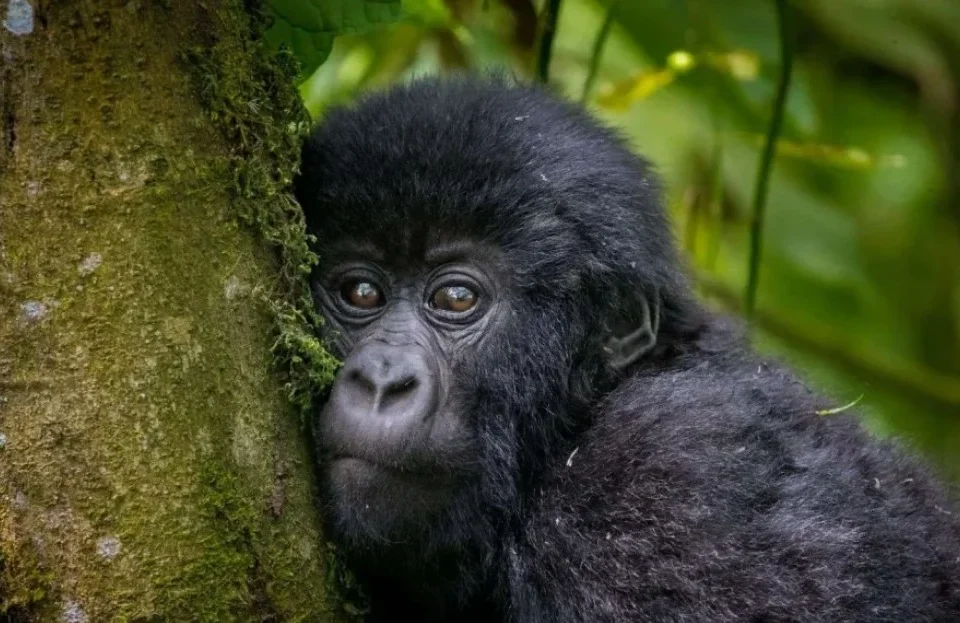
Mgahinga currently has a single habituated gorilla family, the Nyakagezi group, which is known to be fairly mobile and occasionally shifts territory toward the shared Virunga border area. Bwindi’s southern sectors host multiple habituated families across Nkuringo and Rushaga, giving park authorities more flexibility when assigning trekking groups and often making permit availability slightly easier to secure during busy periods. Either option works comfortably within a two-day itinerary; the choice usually comes down to permit availability on your specific travel dates and how much extra drive time you’re comfortable with.
What’s Included and What’s Not
A well-structured two day Uganda gorilla tour from Rwanda, when booked through a licensed operator such as Kenlink Tours, typically includes your gorilla trekking permit, private 4×4 transport for the full round trip and park transfers, an experienced driver-guide, one night’s accommodation near the park, meals as specified in your itinerary, and border crossing assistance.
Not usually included: international flights, visa fees, travel insurance, tips for your driver-guide, park ranger, and porter, alcoholic drinks, and any optional add-on activities such as a cultural village visit. It’s worth budgeting an additional US$50–100 for tips and personal expenses on top of your quoted package price to avoid surprises.
Visa and Border Crossing Requirements
Because this itinerary crosses from Rwanda into Uganda and back within two days, you’ll need either a valid Uganda visa (available on arrival or as an e-visa for many nationalities), a separate Rwanda visa if entering Rwanda independently of your international flight, or — usually the most convenient option — the East African Tourist Visa, which covers Uganda, Rwanda, and Kenya under a single multiple-entry visa. This visa is specifically useful for short cross-border safaris like this one, since it avoids the cost and hassle of arranging two separate single-entry visas for a trip that only lasts two days.
Border crossings at Cyanika and Katuna are routine and well-organized, generally taking somewhere between 20 minutes and an hour depending on how busy the crossing is at the time. Your driver-guide will typically handle the practical logistics of the crossing, but it’s worth keeping your passport and any visa documentation easily accessible rather than packed away in checked luggage.
Best Time of Year for This Itinerary
Gorilla trekking is possible year-round, since habituated families are permanently resident in the park rather than migratory. That said, timing still meaningfully affects a two-day trip. The dry seasons — June to September and December to February — offer firmer trails and generally more predictable trek durations, but are also Uganda’s busiest tourism months, so permits and lodge rooms should be booked well ahead.
The low season months of April, May, and November bring muddier, more physically demanding trekking conditions, but also a lower permit price of around US$600 instead of US$800, along with noticeably fewer other travelers on the trail and better lodge availability at short notice. For travelers specifically trying to minimize cost on a two-day trip, timing your visit to the low season can meaningfully reduce your total budget, provided you’re comfortable with wetter conditions underfoot.
Accommodation Options Near the Park
Because this itinerary only requires a single night’s accommodation, it’s worth choosing a lodge that matches your comfort priorities without overspending on a stay you’ll barely be at, given how early day two begins. Budget guesthouses near Mgahinga or the Nkuringo/Rushaga areas run from roughly US$50–100 per person per night with simple but comfortable rooms and home-style meals. Midrange lodges, typically in the US$150–300 range, offer ensuite rooms, hot water, and better food, often with views over the surrounding volcanic or forested hills. Luxury lodges near Bwindi’s southern sectors can run US$400 and above per person per night, offering polished service, excellent dining, and sometimes spa facilities, for travelers who want the trip to feel like a proper getaway rather than a logistical stopover.
Whichever tier you choose, the single-night structure of this itinerary means accommodation has a relatively modest impact on your overall trip cost compared to longer safaris, since you’re only paying for one night regardless of which tier you select.
Physical Fitness and What to Expect on the Trek
The gorilla trek itself involves walking through dense montane forest on uneven, sometimes steep and muddy terrain, at altitudes that can exceed 2,000 metres in parts of both Mgahinga and Bwindi. Because trek duration depends entirely on where the assigned family is located that morning, it can range from a short 30-minute walk to a demanding four or five hour hike each way, so reasonable fitness genuinely helps, even though this is not a technical climb.
Hiring a porter, typically US$15–20, is strongly recommended regardless of your fitness level, since porters carry your daypack, offer a steadying hand on difficult sections, and directly support the local community around the park. Given that your entire two-day schedule is built around this single trek, arriving well-rested from your overnight stay — rather than attempting the trek immediately after a long same-day drive — is one of the clearest advantages this itinerary has over the one-day format.
Packing List for a Two Day Gorilla Tour
Sturdy, already broken-in waterproof hiking boots are essential, along with a rain jacket regardless of season, since forest weather can shift quickly. Long trousers tucked into socks and a long-sleeved shirt protect against nettles and insects, while gardening gloves make a real difference when gripping vegetation on steep or muddy sections. Pack a daypack with water, energy snacks, sunscreen, and insect repellent for trek day, plus a change of clothes for your overnight stay, since you’ll want dry, comfortable clothing after a muddy morning in the forest. Don’t forget your passport and visa documentation for the two border crossings, and a portable charger, since a day of driving and hiking can drain a phone quickly.
Comparing Uganda’s Two Day Option to a Rwanda-Based Alternative
Travelers deciding between a two-day Uganda tour from Kigali and a short Rwanda-based gorilla trip are essentially weighing cost against convenience. Uganda’s two-day option is meaningfully cheaper, largely thanks to the US$800 permit versus Rwanda’s US$1,500 fee, but it does involve an international border crossing in each direction and slightly more total driving time.
A short Rwanda gorilla tour avoids the border crossing altogether, since Volcanoes National Park sits only 2.5–3 hours from Kigali with no border stop required, but comes at a significantly higher price due to the permit difference. If you’d like the full breakdown of that alternative, our companion guide on Rwanda’s 3-day gorilla safari covers Rwanda-based pricing and itineraries in detail. For most budget-focused travelers, the two-day Uganda option remains the stronger value proposition, provided the extra border crossing doesn’t add meaningful complication to your specific trip.
Extending Beyond Two Days
If, once you see the full itinerary, you decide you’d like a bit more breathing room, extending to a three-day version is a straightforward adjustment rather than a completely different trip. Our 3 Days Bwindi Gorilla Safari Starting from Kigali adds a second night and typically includes a cultural village visit or a more relaxed second day, for travelers who decide the two-day pace still feels a little rushed once they look closely at the logistics.
Travelers wanting to combine Uganda gorilla trekking with a broader look at Rwanda itself sometimes also consider our 5 Days Uganda Rwanda Double Gorilla Safari, which pairs a Uganda trek with a second gorilla encounter in Rwanda’s Volcanoes National Park — an option worth knowing about even if it isn’t your first choice, since it uses the same Kigali-based logistics as the two-day trip as its foundation.
Booking Timeline: How Far Ahead to Plan
Uganda gorilla permits are generally more available than Rwanda’s, but they still sell out during peak periods, particularly June–September and December–February. For a two-day itinerary specifically, we recommend booking at least 2 to 3 months in advance during peak season, and as early as possible if your travel dates are fixed around a flight connection, conference, or other commitment that can’t easily move. Shoulder and low season months tend to have noticeably more last-minute availability, alongside the benefit of the reduced US$600 permit price.
Because this itinerary depends on coordinating a permit, a border crossing, and a single night’s lodge booking to all align smoothly, working with an experienced operator who regularly runs this specific route is worth more here than on a longer, more flexible itinerary where small delays matter less.
Common Mistakes to Avoid
The most common mistake is booking a same-evening international flight right after the trek without a comfortable buffer, only to run into an unexpectedly long trek or a busier-than-usual border crossing. Build in a margin of at least a few hours between your expected return time and any onward flight.
Another frequent issue is underestimating how physically demanding the terrain can be and skipping the optional porter to save a small amount of money, only to find the muddy, steep sections far more tiring than expected. Given the modest cost, hiring a porter is one of the simplest ways to make trek day noticeably more manageable, especially if this is your first time trekking at altitude.
Finally, some travelers assume Uganda and Rwanda visas work interchangeably, which they don’t unless you’ve specifically arranged the East African Tourist Visa in advance. Confirm your visa arrangement well before travel day rather than assuming it will be sorted out at the border.
Gorilla Trekking Etiquette and Park Rules
Once you reach the gorilla family, a set of established rules governs how the encounter unfolds, designed to protect both visitors and the gorillas themselves. Visitors must maintain a minimum distance of roughly seven metres from the gorillas at all times, though the animals themselves are not always aware of this rule and occasionally approach closer on their own terms. Flash photography is strictly prohibited, as is eating, drinking, or smoking while in the gorillas’ presence. Anyone showing signs of a cold, flu, or other communicable illness may be asked not to trek that day, since mountain gorillas are highly susceptible to human respiratory illnesses and a single infection can spread quickly through a family group.
Groups are capped at eight visitors per gorilla family, and your ranger guide will manage the pace and positioning of the group throughout the observation hour to keep both visitors and gorillas comfortable. These rules exist because gorilla tourism only works long-term if it remains genuinely low-impact, and following them carefully is part of what makes continued access to these habituated families possible for future visitors.
The Trekking Certificate and What Happens After
At the end of your trek, whether it took 30 minutes or five hours to reach the gorillas, you’ll receive an official certificate from the Uganda Wildlife Authority confirming your successful gorilla trekking experience. This is a nice keepsake, but it’s also useful documentation if you ever need to reference your trek for insurance or travel record purposes.
After the certificate is issued, most two-day itineraries build in time for a proper lunch back at the park headquarters or your lodge before beginning the return drive to Kigali. This is also a good window to ask your ranger any lingering questions about the specific family you visited, their history, and the wider conservation work happening in the park — most rangers are happy to share detailed, often quite personal knowledge of the individual gorillas they monitor daily.
Health Precautions Beyond the Standard Packing List
Beyond the physical gear already covered, a few health-related preparations are worth considering specifically for this itinerary. Given the cross-border, relatively remote nature of the trip, travel insurance that explicitly covers medical evacuation is strongly recommended, since the nearest advanced medical facilities are typically in Kigali or Kampala, both several hours from the trekking areas.
Malaria prophylaxis is commonly recommended for travel to this region, so it’s worth discussing options with a travel health clinic well before departure. Staying hydrated throughout the trek is important given the combination of physical exertion and altitude, and it’s worth packing rehydration salts alongside your regular water supply if you’re prone to altitude sensitivity. None of these precautions are unique to the two-day format specifically, but because the itinerary is tightly scheduled with limited downtime, it’s worth having them sorted out well before you arrive rather than trying to manage them on the go.
A Quick Cost Comparison Across Formats
To put this two-day option in context against other common gorilla trekking formats travelers from Kigali typically consider, here is a simplified 2026 comparison:
- One day Uganda tour from Kigali: US$950–1,400 per person — no accommodation cost, lowest overall price, most physically demanding single day.
- Two day Uganda tour from Kigali: US$1,300–1,900 per person — one night’s accommodation added, noticeably less rushed, still uses the lower US$800 permit.
- Three day Uganda tour from Kigali: US$1,700–2,400 per person — room for a cultural add-on or a more relaxed pace throughout.
- Two day Rwanda tour from Kigali: US$1,700–2,800 per person — no border crossing, shorter drive, but built on Rwanda’s higher US$1,500 permit.
- Three day Rwanda tour from Kigali: US$1,900–4,500+ per person — the most polished lodge infrastructure and easiest logistics, at the highest price point.
Viewed this way, the two-day Uganda format sits comfortably in the lower-cost half of the spectrum while still offering a genuinely comfortable, unrushed trekking experience — which is exactly why it remains one of the most consistently recommended options for travelers weighing cost against comfort.
What Travelers Typically Say About This Itinerary
Feedback from travelers who complete a two-day Uganda gorilla tour from Kigali tends to be notably more relaxed in tone than feedback from the one-day version. Most describe the overnight stay as making a genuine difference — arriving at the lodge with enough daylight left to settle in, sleep properly, and start the trek fresh the next morning, rather than beginning an already demanding hike after a predawn departure and several hours of driving.
The border crossing itself is rarely mentioned as a significant issue, with most travelers describing it as a smooth, well-organized process handled almost entirely by their driver-guide. The recurring theme across most feedback is that the two-day structure delivers nearly all of the emotional impact of the gorilla encounter itself — the same hour with the same habituated families — while removing most of the physical strain that comes with compressing the entire trip into a single day.
Why Book With Kenlink Tours
Since 2010, our team has personally guided gorilla trekking safaris across both Uganda and Rwanda, and we spend the majority of the year on the road rather than behind a desk, which means our two-day Kigali-based itineraries are built around genuinely current border conditions, road quality, and lodge availability rather than outdated assumptions. We handle your permit booking, private vehicle and driver-guide, border crossing logistics, and lodge reservation, so the only thing you need to focus on is showing up ready for an early trek-day start.
If your schedule allows even a little more flexibility, our 3 Days Bwindi Gorilla Safari Starting from Kigali and our broader Uganda Rwanda Safaris collection are worth comparing before you finalize your dates. For travelers who’d prefer to stay entirely within Rwanda instead, our Rwanda destinations page and our 2 Days Uganda Gorilla Safari Starting from Kigali package details are both useful starting points before you decide which country to trek in.
For travelers who have already been comparing other Kigali-based operators, Pick and Transfer Safaris run a very similar 2 Days Uganda Gorilla Tour Starting from Kigali package, alongside a tighter 1 day Uganda Gorilla Safari Starting from Kigali for travelers who ultimately decide the one-day format suits them better after all. Their overview of Bwindi Impenetrable National Park and Mgahinga Gorilla National Park are also useful references for understanding the specific sectors used on Kigali-based itineraries before you commit to a particular trip.
Frequently Asked Questions
Is two days really enough for a proper gorilla trekking experience? Yes. The trek itself, including the one-hour observation period, is a single-day activity regardless of how long your overall trip is. A two-day itinerary gives you a full night’s rest before the trek and a comfortable return journey afterward, without the extra cost of additional nights that aren’t strictly necessary for the core experience.
Do I need a Uganda visa if I’m only there for one night? Yes, entering Uganda requires a valid visa regardless of how briefly you stay, whether that’s a standard Uganda visa, an e-visa, or the East African Tourist Visa covering multiple countries. Visa requirements apply to the crossing itself, not to trip length.
What happens if the trek runs long and I have a flight that evening? Experienced operators build a time buffer into the day-two schedule and stay in contact with park rangers about the gorilla family’s location before the trek even begins. It’s still worth avoiding any departure flight before 8:00–9:00 p.m. on trek day as a sensible safety margin.
Is Mgahinga or Bwindi’s southern sector better for a two-day trip? Both work well within a two-day window. Mgahinga is slightly closer to the border and has one habituated family, while Bwindi’s southern sectors add a little extra drive time but offer more families and often better permit availability. Your operator can advise based on what’s available for your specific dates.
Can I combine this with a short stay in Rwanda before or after? Yes, and many travelers do exactly this, using Kigali as a base to explore the city, visit the Kigali Genocide Memorial, or add a short Rwanda-based activity before or after the Uganda portion of the trip, since the itinerary already begins and ends there.
How much should I budget for tips? A common guideline is US$10–20 per day for your driver-guide, US$10–15 for your park ranger on trek day, and US$10–15 for your porter if you hire one. These are separate from your package price and should be budgeted in cash, ideally in clean US dollar notes.
Is the two-day option cheaper than a similar Rwanda-based trip? Yes, significantly. A two-day Uganda tour from Kigali typically costs US$1,300–1,900 per person, compared to US$1,700–2,800 or more for a comparable Rwanda-based itinerary, largely due to the US$700 gap between Uganda’s US$800 permit and Rwanda’s US$1,500 permit.
Is a Two Day Uganda Gorilla Tour From Rwanda Right for You?
For travelers who want the real gorilla trekking experience without either the exhaustion of a one-day round trip or the extra time and cost of a longer safari, a two day Uganda gorilla tour beginning from Rwanda consistently strikes the best balance available. It keeps Uganda’s lower permit price, adds just enough rest and structure to make the trek itself far more enjoyable, and still fits comfortably around a short trip or stopover built around Kigali.
If you’re weighing this option against a one-day trip, a three-day version, or a Rwanda-based alternative, our team can walk you through the real differences based on your travel dates, fitness level, and budget. Get in touch through our inquiries page and we’ll help you build the right itinerary, with your permit, vehicle, lodge, and border logistics fully handled from start to finish.