- EXPERT'S HELP
- +256789210067
- +256200955001
- info@kenlinktours.com


Uganda Premium Gorilla Trek from Kigali
August 13, 2026
Kigali Gorilla Trek in Mgahinga
August 13, 2026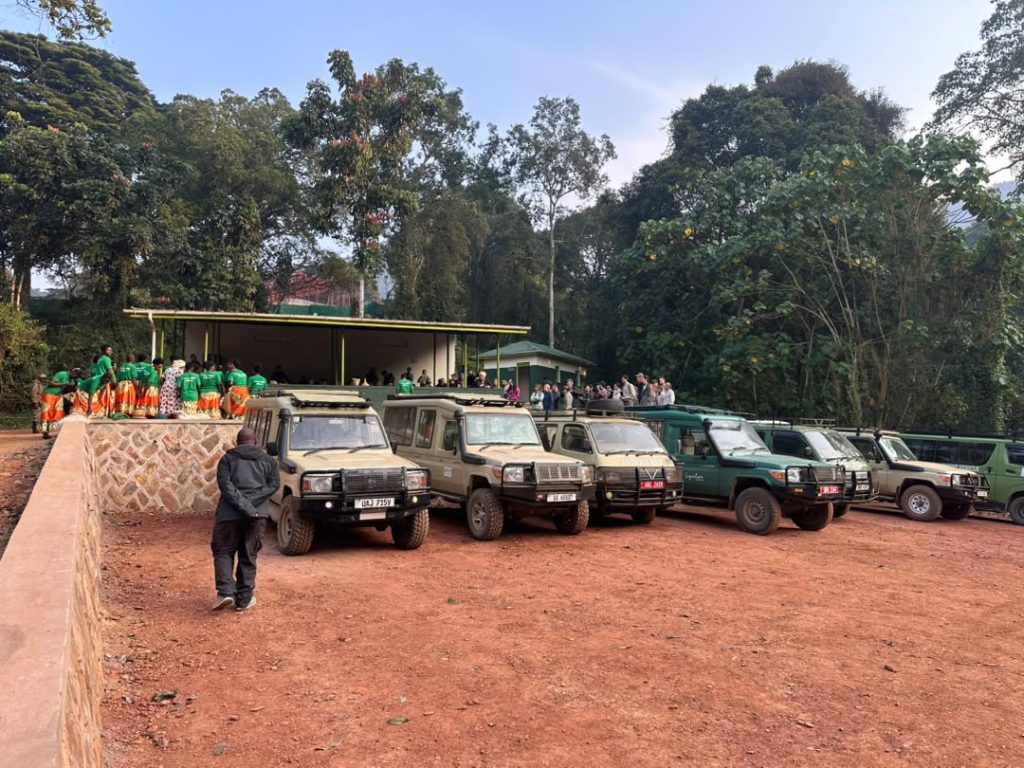
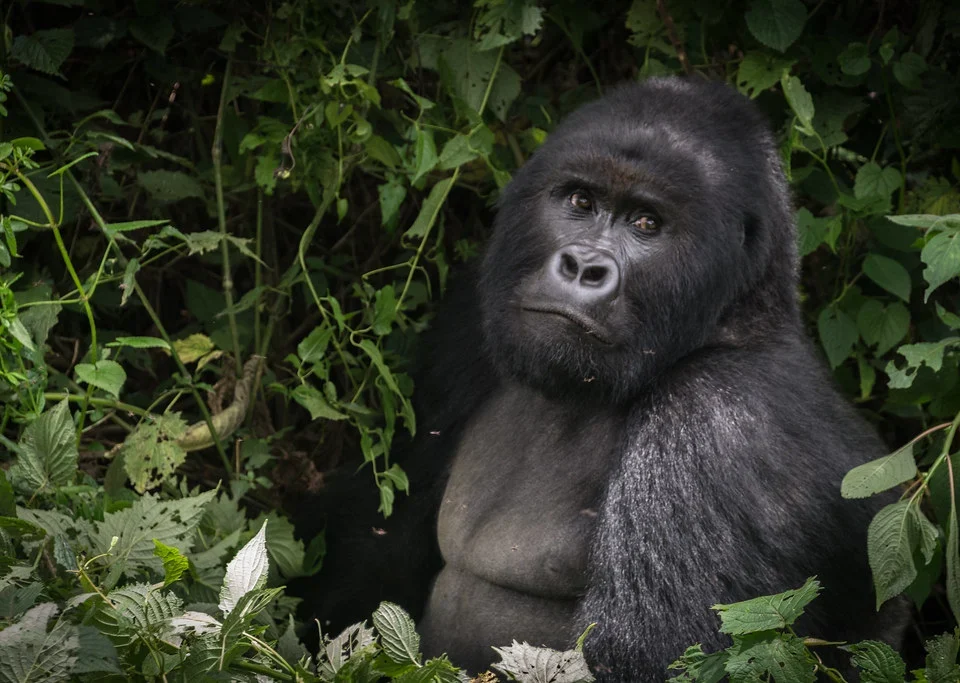
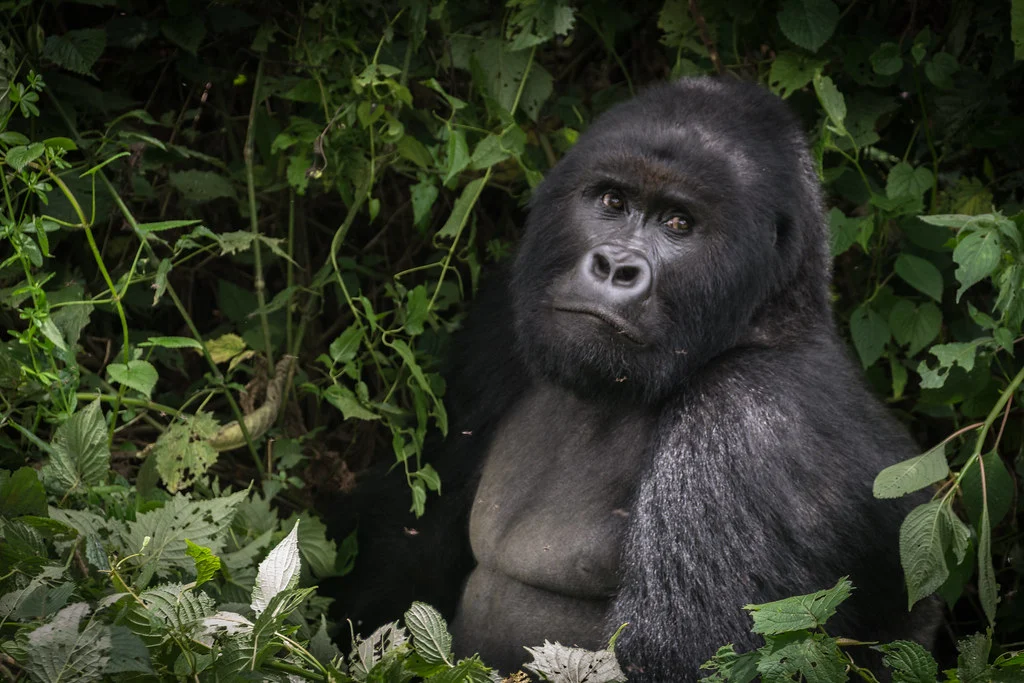
Kigali Gorilla Trek in Bwindi. Landing in Kigali with a gorilla trek in Bwindi on your calendar is the easy part. What actually gets a first-time traveler from touchdown to standing in front of a silverback is a sequence of smaller decisions — documents, permits, sector choice, fitness prep, and a dozen practical details that rarely make it into the glossy brochure. At Kenlink Tours, we walk every guest through this exact sequence before they fly, and this guide lays it out step by step, so a Kigali gorilla trek in Bwindi Impenetrable National Park feels like a well-organized plan rather than a leap into the unknown. None of the individual steps are particularly complicated on their own, but the order in which you tackle them matters, and skipping ahead — booking flights before a permit, for instance, or arriving at the border without a yellow fever certificate — is where most avoidable stress on this trip actually comes from.
Planning a Gorilla Trek in Bwindi from Kigali: Where to Start
The most common mistake first-time trekkers make is starting with flights instead of starting with the permit. Gorilla permits are the scarce resource in this entire trip — lodges and flights can usually be adjusted around your dates, but a sold-out permit date cannot. Once your permit is secured, everything else falls into place in a fairly predictable order: documents, transfers, accommodation, and finally the trek itself. Our 10 easy steps to plan a Uganda safari lays out this sequencing in more general terms, and it applies directly to a Bwindi-focused trip starting from Kigali.
Step 1: Get Your Documents in Order
Before anything else, confirm your visa situation for both Rwanda and Uganda. Most travelers use the East African Tourist Visa, which covers both countries (plus Kenya) on a single entry and is by far the most convenient option for a Kigali-to-Bwindi trip. Our visa and border crossing guide for Uganda and Rwanda walks through the application process, and our dedicated Uganda tourist visa step-by-step application guide is worth reading even if you’re routing through Rwanda first, since border officials will still check your Uganda entry requirements. You’ll also need proof of yellow fever vaccination, which is mandatory for entry into both countries and checked at the border, so this is not a step to leave until the last minute. Keep both digital and printed copies of your visa approval, passport photo page, and vaccination certificate, since border posts along this route don’t always have reliable printing facilities if something needs to be reproduced on the spot, and a missing paper copy can genuinely delay an otherwise smooth crossing.
Step 2: Book Your Gorilla Permit Early
Uganda Wildlife Authority permits sell out months in advance for the June-to-September and December high seasons, and as of 2026 permits must be paid for in full at the time of booking rather than held with a deposit. This makes early booking more important than it’s ever been. Non-resident permits run around USD 800 in high season and roughly USD 600 during the low season months of April, May, and November. Full rules on group size, minimum age, and viewing distance are covered in our gorilla trekking rules and regulations guide, which is worth reading in full before you commit to specific dates. If you’re traveling as a family or small group, it’s worth booking all permits in the same transaction where possible, since Uganda Wildlife Authority does not guarantee the same gorilla family assignment for permits booked separately, even for the same date.
Step 3: Choose Your Trekking Sector by Difficulty Level
Bwindi’s four sectors — Buhoma, Ruhija, Rushaga, and Nkuringo — don’t just differ by lodge options; they differ meaningfully in typical terrain and access difficulty. Buhoma tends to offer some of the more moderate trails and easiest access from the main park headquarters. Ruhija sits at higher, cooler elevation with steeper approaches to some of its gorilla families. Rushaga and Nkuringo, in the south, often involve steeper initial climbs but reward trekkers with dramatic ridge views. None of this is guaranteed on any given day, since gorilla families move constantly, but choosing a sector with your fitness level honestly in mind is one of the most underrated planning decisions in this whole process. Our Bwindi accommodation guide maps lodges to sectors, which is a useful way to plan both logistics and difficulty at once. If you’re traveling with a mixed-ability group, it’s also worth discussing sector choice with your operator specifically, since some sectors have a slightly wider spread of gorilla family locations, giving rangers more room to assign an easier or harder family depending on who’s in your party that morning.
Understanding Gorilla Trekking Difficulty Levels
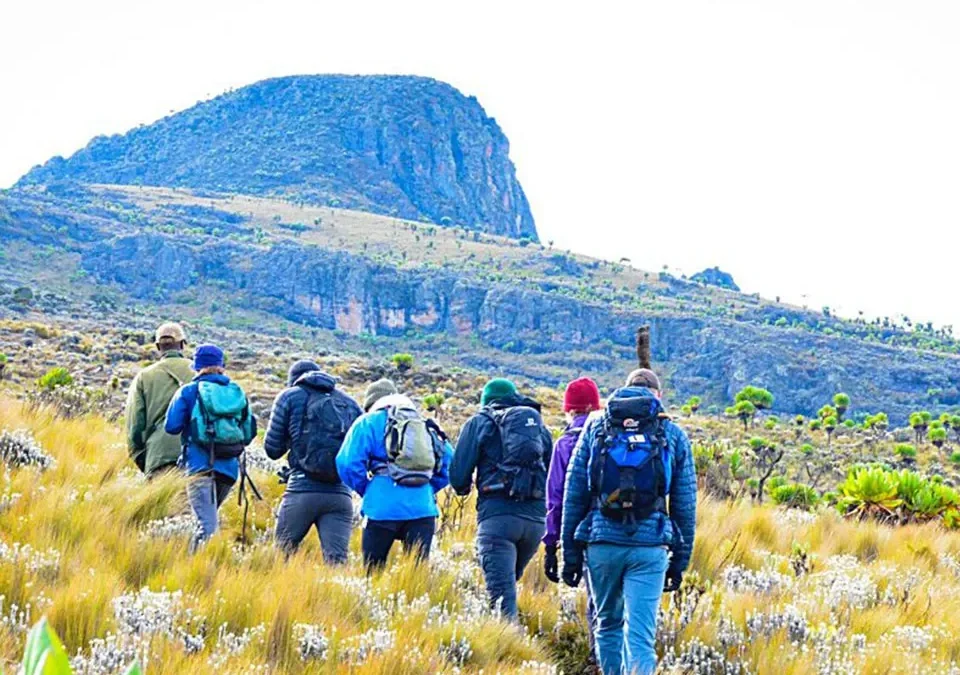
When you check in at park headquarters, rangers ask about your fitness level and try to match you with a gorilla family accordingly — trekkers who mention lower fitness are typically assigned families that are closer to the trailhead that morning, when possible. Treks are generally graded informally as easy (under two hours each way), moderate (two to four hours), and strenuous (four hours or more, often on steep terrain). Nothing is fixed in advance because gorilla families move overnight, but being honest with your guide and rangers about your fitness dramatically improves your chances of an appropriately paced day. Porters, hired for USD 15 to 20, are available at every sector and make a genuine difference regardless of your fitness level. Beyond the physical help carrying your daypack, porters are almost always local residents who know the terrain intimately, and hiring one directly supports the community living alongside the park, which is worth keeping in mind even if you feel confident carrying your own bag.
Step 4: Arrange Your Kigali Arrival and First Night
Most international flights land in Kigali in the early morning or late evening, so we generally recommend at least one night in the city before setting off for Bwindi, both to recover from the flight and to explore Kigali itself, which is one of Africa’s cleanest and most walkable capitals. This buffer night also gives you a chance to double-check documents and pick up any last-minute gear before the long drive begins. If your schedule allows for it, Pick and Transfer Safaris’ Kigali city guide is a useful reference for how to spend that first day well.
Step 5: Cross the Border From Rwanda to Uganda
The drive from Kigali to Bwindi takes roughly 5 to 8 hours depending on which border you use and which sector you’re headed to, a breakdown we cover fully in our guide on how far Bwindi is from Kigali. The Gatuna/Katuna crossing is generally faster for Ruhija and Rushaga, while Cyanika/Kyanika suits travelers heading to Bwindi via Rwanda’s Volcanoes region. Both borders are straightforward with the right paperwork, and our step-by-step notes on starting a trip from Rwanda to Uganda cover exactly what immigration officers will ask for. A private transfer through our car hire and transfer service takes this entire step off your plate, with a driver who knows both border posts well.
Step 6: Settle Into Your Bwindi Lodge Before Trekking Day
Arriving with enough daylight left to settle in, eat a proper dinner, and get an early night matters more than it sounds. Trekking day starts with a 7 a.m. briefing, and trekkers who arrive exhausted from a rushed same-day border crossing and trek combination tend to have a noticeably harder time on the trail. Our 2-Day Rwanda to Uganda Gorilla Trekking Safari is deliberately paced to avoid this, and Pick and Transfer Safaris’ 2-Day Uganda Gorilla Tour from Kigali follows similar logic, giving you a proper night’s rest before the hike. Use the evening before trekking day to lay out your clothing and gear rather than packing in a rush the next morning, since briefings start early and a calm, unhurried start noticeably improves the whole day’s pace.
Step 7: Trekking Day, Hour by Hour
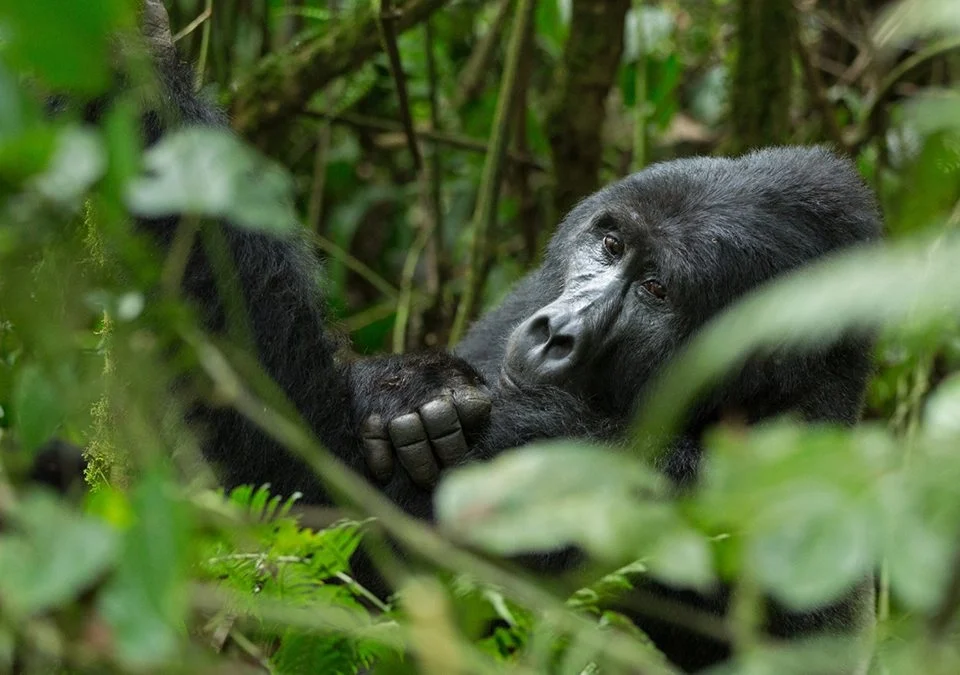
Trekking day typically unfolds like this: a 7 a.m. gathering at park headquarters for a ranger briefing and gorilla family assignment, a short drive or walk to the trailhead, then the hike itself, anywhere from one to seven hours depending on where the family has moved. Once located, you get one hour with the gorillas, keeping roughly ten meters of distance and speaking quietly, before the return hike to your vehicle. Most trekkers are back at their lodge for a late lunch or early dinner, with the rest of the day free to rest, journal, or simply process what just happened — many trekkers describe needing this downtime just as much as the trek itself, since the encounter tends to be more emotionally intense than most people expect going in. Our what it’s like to trek gorillas in Uganda and Rwanda article walks through this experience in first-person detail, and our gorilla photography checklist is worth reviewing the night before so you’re not fumbling with camera settings once you find the family.
Health and Fitness Considerations for Bwindi Trekking
You don’t need to be an athlete to trek gorillas, but a few weeks of light cardio preparation before your trip makes a real difference, especially if you’re assigned a farther-ranging family. Bwindi sits at a moderate altitude, so mild breathlessness on steep sections is normal even for fit trekkers; genuine altitude sickness is uncommon here compared to Rwanda’s higher Volcanoes National Park, but staying hydrated and pacing yourself still matters. Anyone with joint issues, heart conditions, or limited mobility should discuss the trip with a doctor beforehand and mention it to our team when booking, since porters and flexible family assignments can accommodate a wide range of fitness levels. Trekking poles are also worth packing if you have any concerns about knee stability on descents, which are often more demanding on the joints than the climb itself.
Money, SIM Cards, and Practical Logistics
US dollars in good condition (post-2013 notes, no marks or tears) are widely accepted across both countries for permits, tips, and lodge extras, though Rwandan francs and Ugandan shillings are useful for smaller purchases. Local SIM cards are inexpensive and easy to pick up in Kigali on arrival, and coverage is generally decent even in rural areas near Bwindi, though don’t expect reliable signal deep in the forest itself. Porter and guide tips (USD 15 to 20 for porters, a similar range for guides at your discretion) are best carried in cash, since card payment infrastructure is limited at the trailhead itself. It’s worth withdrawing or exchanging enough cash in Kigali before you leave the city, since ATMs become scarce the closer you get to Bwindi, and relying on finding one near the park is not a reliable plan.
Travel Insurance for Gorilla Trekking
Comprehensive travel insurance that explicitly covers trekking, evacuation, and trip cancellation is worth arranging before you fly, given both the physical nature of the activity and the non-refundable structure of gorilla permits under the new 2026 payment rules. Look specifically for a policy that covers emergency evacuation from remote areas, since Bwindi’s rural location means a medical issue on the trail could otherwise involve a long and costly transfer to proper care. It’s a detail that’s easy to skip in the excitement of planning but genuinely important given how remote the park is. Read the policy wording carefully, since some standard travel insurance policies exclude “adventure activities” by default and require an add-on rider specifically for trekking or high-altitude hiking to be covered.
What Happens If You Can’t Complete the Trek
If you find the trek too physically demanding partway through, rangers can arrange a sedan chair carried by porters for a fee, a service that exists precisely because Uganda Wildlife Authority wants the experience to be accessible to a wide range of fitness levels. It’s not a service to be embarrassed about using; plenty of trekkers, including younger, generally fit ones, use it on a particularly tough day. Discussing this option with your guide before setting out means it’s available immediately if needed, rather than becoming a stressful mid-hike negotiation.
Choosing the Right Group Size and Trekking Companions
Groups are capped at eight trekkers per gorilla family, and if you’re traveling with friends or family of mixed fitness levels, it’s worth discussing with your operator whether to request the same family assignment or split into groups matched to pace. Solo travelers are grouped with other trekkers on the same date, which is often a wonderful way to meet like-minded people, while private groups can sometimes request to stay together depending on availability. Our best-selling Uganda safari vacations and trips page shows how we typically structure group sizes across different itinerary types. Families traveling with teenagers, the minimum trekking age, often ask whether younger siblings can wait at the lodge or park headquarters while others trek; this is generally possible, and most lodges are well set up to look after non-trekking guests for the morning.
Combining Your Trek with Kigali City Highlights
Since most Kigali gorilla treks in Bwindi begin and end in the Rwandan capital, it’s worth building in time on either end for the Kigali Genocide Memorial, local craft markets, and the city’s genuinely excellent café and restaurant scene. Pick and Transfer Safaris’ Kigali city guide and their broader gorilla safari collection are useful references if you’re deciding how much time to allocate to the city versus the park. For travelers who want to compare a Uganda-based trek against staying entirely in Rwanda, their Volcanoes National Park guide and Mgahinga Gorilla National Park guide both offer a helpful side-by-side.
Extending Your Trip Beyond the Trek
Once your permit and border logistics are sorted, it’s worth deciding early whether you want to extend beyond a pure gorilla trek, since this affects both your itinerary length and your packing list. Chimpanzee tracking is a popular add-on, and Pick and Transfer Safaris’ 5-Day Uganda Gorilla and Chimps Safari from Rwanda shows how this pairs well with a Kigali-based trip. Travelers wanting a classic savannah game drive to round things out often add Pick and Transfer Safaris’ 3-Day Akagera National Park safari from Kigali, while those interested in a cultural component alongside their trek should look at their 3-Day Rwanda Gorilla Tracking and Cultural Tour. Deciding on these extensions before you book your flights, rather than after, generally saves both money and unnecessary backtracking across the border.
Common Questions First-Time Trekkers Ask
Do I need to book everything myself, or can an operator handle it? Most travelers use a local operator to handle permits, transfers, and accommodation as a package, which removes the risk of a mismatched booking date or a missed document requirement.
What if my flight into Kigali is delayed? This is exactly why we recommend a buffer night before the long drive to Bwindi — a delayed flight shouldn’t put your permit date at risk if there’s a day of slack built into the itinerary.
Can I trek if I’ve never hiked before? Yes, with reasonable preparation. Choosing a moderate sector, hiring a porter, and being honest about your fitness with rangers on the morning briefing all help match you to an appropriately paced day.
Is one day really enough for a Kigali-based gorilla trek? It’s possible, as shown in Pick and Transfer Safaris’ One Day Uganda Gorilla Safari from Kigali, but we generally recommend at least two days to avoid an exhausting same-day round trip.
Booking Your Kigali-Based Gorilla Trek With Kenlink Tours
Every step above — documents, permit, sector, transfer, lodge, and the trek itself — is exactly what our team coordinates for guests booking a Kigali gorilla trek in Bwindi. Learn more about how we work on our about us page, browse our 5-Day Gorilla Trekking Safari from Kigali to Uganda or shorter options, and get in touch through our contact page to start building your itinerary. If you need reliable transfers arranged purely on the Rwandan side, Pick and Transfer Safaris is a dependable Kigali-based resource, and their about us page outlines their local services.
Final Thoughts on Planning Your Kigali Gorilla Trek in Bwindi
A Kigali gorilla trek in Bwindi is far less complicated than it first appears once you break it into steps: secure your permit, sort your documents, choose a sector that matches your fitness, and give yourself enough time between the flight, the border, and the trailhead to actually enjoy each part of the journey. Every gorilla permit also directly funds the conservation work of organizations like the Dian Fossey Gorilla Fund, which means the planning effort you put in supports far more than just your own trip. When you’re ready to turn this checklist into a confirmed itinerary, Kenlink Tours is here to handle every step above on your behalf, so the only real decision left for you to make is which day, sector, and lodge feel right for your trip.