- EXPERT'S HELP
- +256789210067
- +256200955001
- info@kenlinktours.com


Rwanda Big Five Safari: Can You See the Big Five in Akagera?
August 20, 2026
7-Day Rwanda Gorilla, Chimpanzee and Wildlife Safari Itinerary
August 20, 2026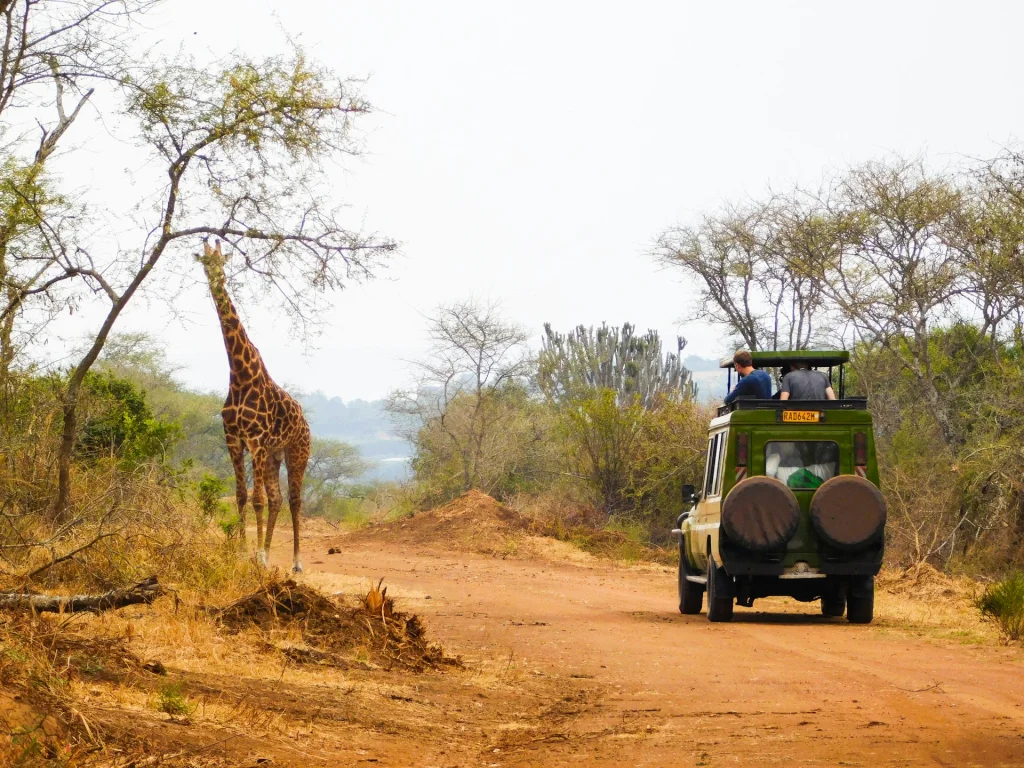
3-Day Akagera Safari Rwanda: The Perfect Wildlife Itinerary. If you only have a long weekend to spare but still want a genuine African safari experience, a 3-day Akagera safari is arguably the single best value trip in Rwanda. In three days you can realistically expect lion, elephant, buffalo, and at least one rhino species, a boat cruise past hippos and crocodiles, over 500 recorded bird species, and savannah landscapes that feel worlds away from Rwanda’s famous volcanic hills, all within a two-and-a-half-hour drive of Kigali. This guide walks through exactly how a well-planned 3-day Akagera safari itinerary should be structured, what to expect each day, what it costs, and how to book it through Kenlink Tours.
Akagera also happens to be Rwanda’s only savannah park, which means it is the single place in the country where a classic, open-plains safari experience, the kind most travelers associate with East Africa, is actually possible. Everywhere else in Rwanda, forest and montane habitats dominate, built around primate trekking rather than game drives. That distinction is part of why this specific 3-day format has become so popular: it delivers a complete, self-contained safari experience without requiring the longer trip length that Big Five parks elsewhere on the continent typically demand.
Why Choose a 3-Day Akagera Safari
Three days is the minimum amount of time needed to properly explore Akagera National Park without feeling rushed. A single-day trip only allows for one game drive and skips the boat safari entirely, while anything shorter than three days makes a night game drive, one of the best ways to spot leopard and other nocturnal wildlife, difficult to fit in. Three days gives you two full days inside the park plus arrival and departure time, striking the right balance between a comprehensive Rwanda Big Five safari experience and a manageable, affordable trip length for travelers combining Akagera with gorilla trekking or other regional activities.
Day 1: Kigali to Akagera – Arrival and Afternoon Game Drive
Your 3-day Akagera safari begins with an early morning pickup from your Kigali hotel or Kigali International Airport. The drive to the park’s Kiyonza main entrance takes roughly two and a half to three hours along a scenic, mostly paved route through Rwanda’s rolling agricultural countryside. Most itineraries plan for a mid-morning arrival, allowing time to check into your lodge, have lunch, and head straight into the park for an afternoon game drive as temperatures begin to cool and animals become more active. This first drive typically covers the areas around Lake Ihema, where elephant, buffalo, and hippo sightings are common even on your very first afternoon in the park. Dinner back at your lodge is a good moment to review the day’s sightings with your guide and set priorities for the following morning, particularly if a specific Big Five species, such as rhino or lion, is a personal priority for your trip.
Day 2 Morning: Sunrise Game Drive Across the Kilala Plains
The second day is when the real Big Five hunting begins. Leaving your lodge before sunrise, your guide will head toward the Kilala Plains in the park’s central and southern sectors, the single most productive zone in Akagera for lion and large buffalo herds. Early morning light also produces the best photography conditions of the entire trip, and predators are typically most active in the cooler hours right after dawn. This morning session usually runs three to four hours, returning to the lodge for a mid-morning breakfast and a break during the hottest part of the day. For more detail on exactly where lion sightings cluster within the park, see our dedicated guide on where to see lions in Rwanda. Beyond lions and buffalo, the Kilala Plains are also excellent for general plains game, including zebra, topi, and roan antelope, giving this stretch of the itinerary a genuinely varied wildlife count even before you factor in the Big Five.
Day 2 Afternoon: Boat Safari on Lake Ihema
No 3-day Akagera safari itinerary is complete without an afternoon boat cruise on Lake Ihema, Rwanda’s second-largest lake and one of the park’s true highlights. The two-hour cruise brings you close to pods of hippos, basking Nile crocodiles, and elephants that frequently wade into the shallows to drink and bathe along the shoreline. The lake is also one of the best birdwatching locations in the park, home to African fish eagles, pied kingfishers, and the striking, prehistoric-looking shoebill stork in the surrounding papyrus swamps on rarer occasions. This activity is a welcome change of pace from game driving and works particularly well scheduled for late afternoon, when the light softens and animal activity picks back up. Because the boat itself does most of the work, this segment of the itinerary is also considerably more restful than the morning’s game drive, making it a popular choice for families traveling with children or older travelers who want a lower-intensity activity mid-trip.
Day 2 Evening: Optional Night Game Drive
For travelers serious about completing the Big Five, an optional night game drive on the evening of day two significantly improves your odds of spotting leopard, one of Akagera’s most elusive residents, along with side-striped jackals, genets, and other nocturnal species rarely seen during the day. Conducted with a trained ranger using a spotlight from a modified vehicle, night drives typically run for around two hours after dinner. It is worth confirming this activity in advance with your operator, since it requires special park permission and is not automatically included in every standard itinerary.
Day 3: Final Game Drive and Return to Kigali
Your final morning is dedicated to one more early game drive, giving you a last opportunity to track down any Big Five species not yet seen, whether that is a rhino sighting in the park’s central sector or one final pass through prime lion territory. After breakfast at the lodge, most itineraries depart Akagera by mid-morning, arriving back in Kigali by early afternoon in time for an evening flight or onward travel. Travelers with a bit more flexibility sometimes extend this final morning into a longer drive, since rhino and leopard sightings often require the extra patience a slightly later departure allows. If your onward flight or travel plans allow it, building in a short buffer before your departure time is well worth considering, since some of the best sightings of an entire trip happen unexpectedly on that last drive back toward the park gate.
What Makes This 3-Day Itinerary “Perfect”
The reason this specific structure works so well is that it balances every major activity Akagera offers, day and night game drives, the boat safari, and rest time, without cramming too much into too little time. Shorter itineraries force difficult trade-offs between game drives and the boat cruise, while longer stays in Akagera alone offer diminishing returns unless you are specifically focused on rhino tracking or professional photography. Three days is also the ideal length to pair with Rwanda’s other major draw: our 3-day Nyungwe Forest National Park tour or a short Kigali city stay both slot naturally before or after this itinerary without extending your total trip length excessively.
How Much Does a 3-Day Akagera Safari Cost
Pricing for a 3-day Akagera safari depends heavily on your choice of accommodation, ranging from budget campsites and mid-range lodges like Akagera Game Lodge to premium options such as Magashi Camp, plus park entrance fees, activity fees for the boat cruise and any night drive, and private 4×4 transport with a professional driver-guide. Group size also affects the per-person cost, since vehicle and guide fees are typically shared. For a full, transparent breakdown of what different budget levels look like across Rwanda, our guide to the cost of safaris in Rwanda is essential reading before you commit to a specific package, and our own 3-Day Akagera Game Drive Safari package page lists current inclusions and pricing in detail. As a general rule, expect meaningfully lower per-person costs than a comparable trip to Kenya or Tanzania, since Akagera’s proximity to Kigali cuts down on internal flights and long transfer times, two of the biggest hidden costs on many East African safaris.
Where to Stay During Your 3-Day Akagera Safari
Akagera offers a genuine range of accommodation to suit different budgets and travel styles. Magashi Camp, in the exclusive northern sector, is the top choice for travelers prioritizing wildlife density and privacy. Ruzizi Tented Lodge sits directly on Lake Ihema and is ideal for this itinerary since it puts you minutes from the boat safari jetty. Akagera Game Lodge remains the most established mid-range property, with a pool and reliable access to the central game circuit, while Karenge Bush Camp suits more adventurous travelers wanting a rustic, remote base in the park’s western section. Budget travelers with a rental vehicle can also consider the park’s designated campsites, often arranged alongside a car hire booking through Kenlink Tours for those who prefer a self-drive element to their trip.
What to Pack for a 3-Day Akagera Safari
Pack light, neutral-colored clothing suited to warm days and cooler mornings and evenings, along with a hat, sunscreen, and insect repellent. Binoculars are genuinely worth the luggage space given how much of Akagera’s wildlife viewing happens at a distance across open plains, and a camera with at least a moderate zoom lens will make a noticeable difference to your photos. A light rain jacket is worth including outside the driest months, and comfortable closed shoes are recommended for the boat safari jetty and any short walks at your lodge. It is also worth packing a reusable water bottle, a basic first-aid kit with any personal medication, and a small dry bag or waterproof cover for cameras and phones during the boat safari, when spray off the lake is common even on calm days.
Best Time of Year for This Itinerary
The dry seasons, roughly June through September and mid-December through mid-February, offer the most reliable game viewing conditions for a 3-day Akagera safari, as thinning grass and concentrated water sources make animals easier to spot and roads easier to navigate. The wetter months bring lush green scenery and excellent birdwatching, including migratory species, but denser vegetation can make Big Five sightings somewhat more challenging. Whichever season you choose, our guide to the best Rwanda safari experiences for nature lovers offers additional seasonal planning tips that apply well beyond Akagera alone.
Getting to Akagera from Kigali
Akagera is reached via a well-maintained, mostly tarmac road from Kigali, making it one of the most accessible major parks in East Africa relative to a capital city. Most Kenlink Tours itineraries include private transport in a 4×4 safari vehicle with a pop-up roof, allowing you to stand and photograph wildlife safely once inside the park. Self-driving is also possible for travelers who prefer independence, and our car hire service can arrange an appropriate vehicle for the terrain. If you are arriving directly from Uganda rather than Kigali, our guide on starting a trip from Rwanda to Uganda covers the border logistics in the reverse direction, which apply similarly either way.
Extending Your Itinerary: Combining Akagera with Gorillas or Uganda
While three days is enough to properly experience Akagera on its own, many travelers choose to extend their trip to include mountain gorilla trekking or a wider regional safari. Our 5-day Volcanoes, Gorillas, and Akagera wildlife safari builds directly on this itinerary by adding gorilla trekking in Volcanoes National Park, while our 4-day Rwanda-Uganda golden monkey and gorilla trekking package adds a golden monkey encounter to the mix. Travelers with more time available often continue into Uganda via our 2-day Uganda gorilla safari from Kigali or 3-day Bwindi gorilla safari from Kigali, both of which connect naturally onward to Bwindi Impenetrable Forest National Park and Mgahinga Gorilla National Park. For a longer regional trip, our 10-day Uganda-Rwanda combined safari and 5-day Uganda-Rwanda double gorilla safari both incorporate this same 3-day Akagera structure as their opening or closing chapter, alongside destinations such as Queen Elizabeth National Park, Kibale Forest National Park, and Murchison Falls National Park.
Travelers researching cross-border options independently may also find it useful to browse our regional partners’ gorilla safaris and wildlife safaris collections, their combined 5-day Rwanda wildlife and gorillas package, or their extended safaris for multi-week trip inspiration, along with destination overviews for Nyungwe Forest National Park, Kigali City, and Rwanda’s Gishwati-Mukura National Park while comparing itinerary options.
3-Day Akagera Safari vs Longer Itineraries
A 3-day Akagera safari is the right choice for travelers with limited time, a tight budget, or those adding Akagera onto a longer multi-country trip rather than making it the sole focus. Travelers with more time and a specific interest in rhino tracking, professional wildlife photography, or a slower, more immersive pace may prefer four or five days in the park instead, allowing for repeat visits to productive areas and more flexibility around weather and animal movement. For a full national overview beyond Akagera alone, our roundup of 11 must-see attractions and activities in Rwanda and our comprehensive 20-day East Africa safari itinerary both help put a 3-day Akagera trip into context alongside the country’s, and region’s, other major draws. Comparing Akagera directly to nearby alternatives is also worthwhile, and our guide to Akagera National Park versus Queen Elizabeth National Park covers exactly this trade-off in detail.
What’s Typically Included in a 3-Day Akagera Package
A well-structured 3-day Akagera safari package should include private ground transport in a safari-equipped 4×4 vehicle, an experienced English-speaking driver-guide, park entrance fees, and accommodation for two nights at your chosen lodge or camp. Most packages also bundle the Lake Ihema boat safari as a standard inclusion given how central it is to the overall experience, though optional extras like a night game drive or a rhino tracking add-on are sometimes quoted separately due to the additional park permissions involved. Meals are generally included on a full-board basis once inside the park, since lodges are remote enough that outside dining options are not realistic. Before booking, it is always worth confirming exactly which activities and meals are bundled into your quoted price, since this varies between operators and can significantly affect the final cost comparison.
A Realistic Wildlife Checklist for Three Days
Setting the right expectations before you go makes the trip more enjoyable. Buffalo, elephant, hippo, and a wide range of plains game, zebra, impala, waterbuck, and topi among them, are close to guaranteed sightings across a 3-day itinerary given their current population sizes and habitat preferences. Lion sightings are highly likely given the growing pride numbers concentrated around the Kilala Plains, though as with any wild predator, timing and a bit of luck still play a role. Rhino sightings, both black and white, are realistic but not guaranteed, and benefit from your guide’s access to recent ranger tracking reports. Leopard remains the true wildcard of the trip, genuinely possible, especially with a night drive, but the one species you should treat as a bonus rather than an expectation. Framing your trip around this realistic hierarchy tends to produce a far more satisfying experience than going in expecting every sighting to be guaranteed.
Booking Your 3-Day Akagera Safari with Kenlink Tours
Getting the timing right, which sector of the park to prioritize, whether to add a night drive, how to pace the boat safari against game drives, is what separates an average Akagera trip from a genuinely great one. Our team builds every 3-day Akagera safari itinerary around current park and wildlife conditions rather than a rigid template, and can adjust the pace to suit families, photographers, or travelers combining the trip with gorilla trekking. Learn more about how we operate on our About Us page, browse our full Rwanda safari holidays collection, or read about the conservation story behind the region on our page about the Dian Fossey Gorilla Fund and our piece on the Rwandan Genocide of 1994 for essential historical context before you travel. When you’re ready to lock in your dates, our Contact Us page puts you directly in touch with a safari consultant for a personalized quote.
Frequently Asked Questions About a 3-Day Akagera Safari
Is three days enough time in Akagera? Yes, three days is the ideal minimum for a well-rounded visit, covering two full game drives, the boat safari, and optionally a night drive, without feeling rushed.
Can I see the Big Five in just three days? It is realistic to see four of the five species reliably, lion, elephant, buffalo, and one rhino species, with leopard being the most dependent on luck and a dedicated night drive.
Do I need a 4×4 vehicle for Akagera? Yes, a 4×4 with good ground clearance is recommended, particularly during the wetter months when park roads can become muddy.
Is Akagera safe to visit? Yes, Akagera is a well-managed, actively patrolled national park with a strong safety record for both wildlife viewing and general travel in Rwanda.
Can this itinerary be combined with gorilla trekking? Absolutely. Many travelers pair this exact 3-day structure with a few additional days in Volcanoes National Park or across the border in Uganda for a more complete primate and Big Five experience.
Ready to build your own 3-day Akagera safari? Get in touch with Kenlink Tours today and let our team design an itinerary around your travel dates, budget, and wildlife priorities.