- EXPERT'S HELP
- +256789210067
- +256200955001
- info@kenlinktours.com


5 Days Pearl of Africa Tour
October 19, 2026
Which places to visit for family tour in Uganda
October 20, 2026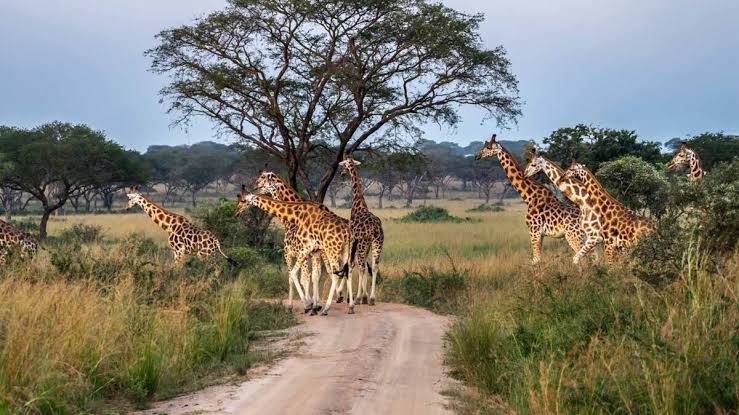
How to book a safari in Uganda. Uganda is one of the few places on earth where you can look a mountain gorilla in the eye in the morning mist, follow chimpanzees through ancient rainforest, watch tree-climbing lions on the savannah and cruise past hippos on the Nile, all in a single trip. Winston Churchill called it the Pearl of Africa, and travelers who visit quickly understand why. But knowing how to book a safari in Uganda is what turns a dream into a smooth, stress-free adventure.
Booking an African safari can feel overwhelming at first. There are permits to secure, parks to choose between, seasons to consider, long distances to plan around and dozens of tour companies competing for your attention. The good news is that once you understand the process, planning a Uganda safari is straightforward, and with the right local partner it can be surprisingly affordable.
This guide walks you through every step: deciding what you want to see, choosing the best time to travel, picking destinations, setting a budget, finding a licensed operator, securing gorilla permits and preparing for departure. Whether you’re a first-time visitor or a seasoned safari traveler, by the end you’ll know exactly how to book your Uganda safari with confidence. If you’d rather speak to an expert straight away, the team at Kenlink Tours has been designing tailor-made African safaris since 2010.
Why Uganda Is One of Africa’s Most Rewarding Safari Destinations
Before diving into the booking process, it helps to understand what makes Uganda special. Unlike destinations that focus mainly on big game, Uganda offers remarkable variety packed into a compact country roughly the size of the United Kingdom.
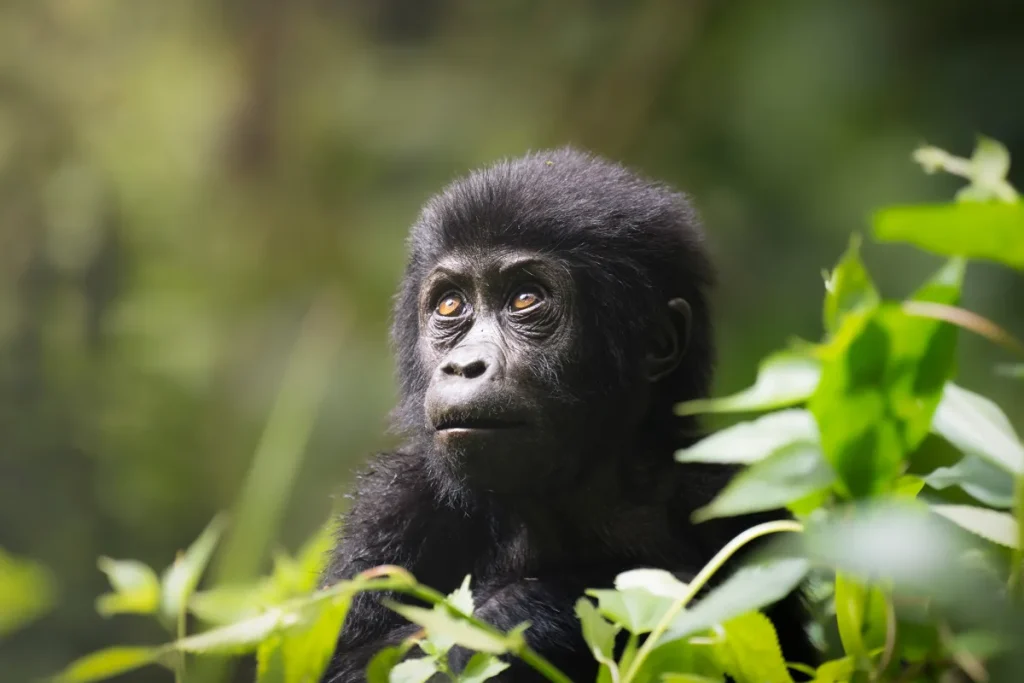
Uganda is home to roughly half of the world’s remaining mountain gorillas, most of them living in Bwindi Impenetrable National Park. It is also one of the best places in Africa for chimpanzee tracking, with more than a dozen primate species found in Kibale Forest alone. Add to that classic savannah game drives, the dramatic Murchison Falls, the Rwenzori “Mountains of the Moon,” crater lakes, and over 1,000 recorded bird species, and you have a destination that rewards every kind of traveler.
Uganda’s gorilla permits are also significantly cheaper than neighboring Rwanda’s, which makes it the most accessible gorilla trekking destination for many visitors. Combined with friendly people, English as an official language and a growing range of lodges for every budget, Uganda offers outstanding value. You can learn more about the country’s parks and culture on our About Uganda destination page.
Step 1: Decide What Kind of Uganda Safari You Want
The first step in booking a safari in Uganda is deciding what experiences matter most to you. Your priorities will shape your itinerary, budget and travel dates.
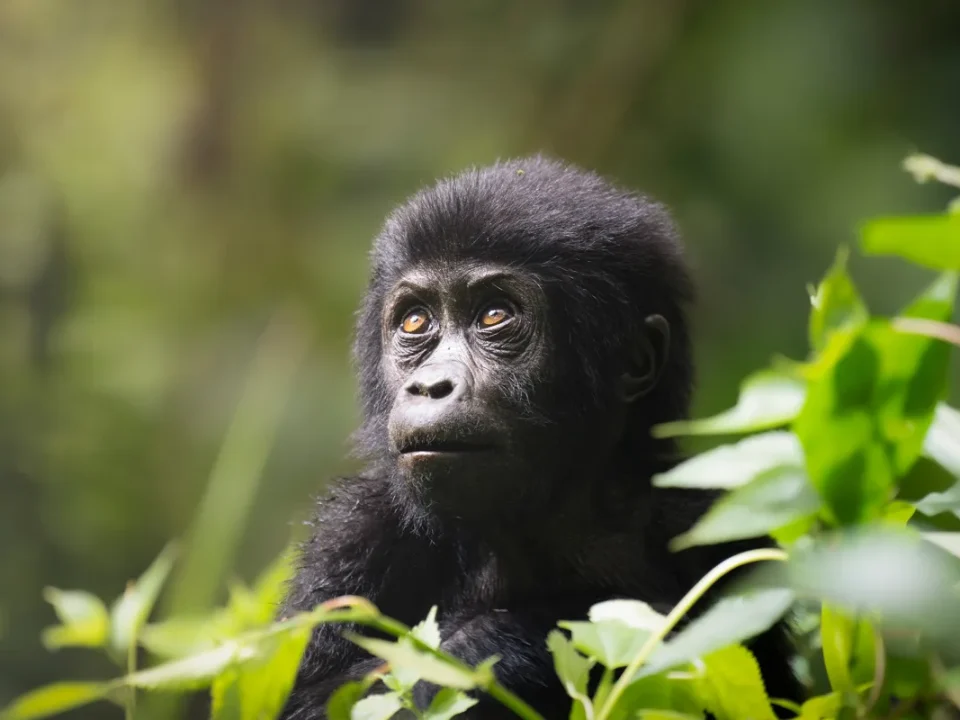
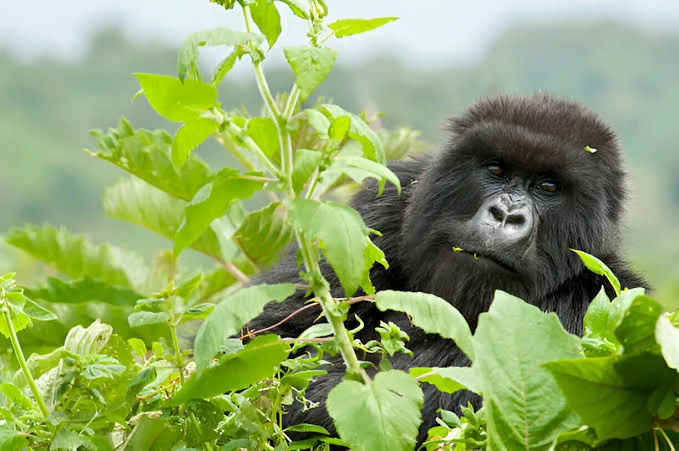
Gorilla trekking safaris. For most visitors, coming face to face with mountain gorillas is the highlight of their trip. Treks take place in Bwindi Impenetrable National Park and Mgahinga Gorilla National Park, and each permit gives you one unforgettable hour with a habituated gorilla family. If gorillas are your main goal, a short, focused trip like our 3 Days Gorilla Trekking in Uganda is an ideal starting point.
Primate safaris. If you want to see both great apes, combine gorillas with chimpanzee tracking in Kibale Forest. Our 5 Days Gorilla and Chimpanzee Tracking Tour is one of the most popular ways to do this. Travelers short on time can also do a dedicated 3-Day Chimpanzee Tracking Safari.
Wildlife and game drive safaris. Uganda’s savannah parks offer elephants, lions, leopards, buffaloes, giraffes, hippos and countless antelope. Queen Elizabeth National Park and Murchison Falls National Park are the stars here, and Kidepo Valley in the far north offers wild, remote landscapes.
Birding safaris. With more than 1,000 bird species, including the prehistoric-looking shoebill stork, Uganda is a top birding destination. Keen birders should look at our 7-Day Birdwatching Safari in Uganda.
Cultural and adventure safaris. Community visits, Batwa cultural experiences, white-water rafting on the Nile in Jinja, volcano hikes and crater lake walks add depth to any trip.
Most travelers choose a combination. Write down your top three must-do experiences before contacting a tour operator; it makes the planning process much faster.
Step 2: Choose the Best Time to Book and Travel
Uganda sits on the equator, so temperatures remain pleasant all year, generally between 20°C and 28°C in most safari areas, with cooler nights in the mountainous southwest. What changes is rainfall.
Dry seasons (June to September and December to February). These are the most popular months for a Uganda safari. Trails in Bwindi and Mgahinga are less muddy, roads are easier to drive and animals gather around water sources, making game viewing excellent. Because demand is high, gorilla permits and good lodges sell out early, sometimes six months or more in advance.
Wet seasons (March to May and October to November). Rain usually falls in heavy afternoon showers rather than all day. The landscapes are lush and green, there are fewer tourists, and many lodges offer lower rates. Uganda Wildlife Authority has also announced discounted low-season gorilla permits for certain wet-season months, which can make this an excellent time for budget-conscious travelers. Birding is at its best during these months as migratory species arrive.
When to book. As a rule of thumb, book three to six months ahead for dry-season travel and at least two months ahead for the wet season. If you’re traveling over Christmas or in July and August, aim for six to nine months in advance. Last-minute trips are possible, but you may need to be flexible with your trekking date or gorilla sector.
Step 3: Pick the Right Destinations for Your Safari
Uganda has ten national parks and many wildlife reserves, but most safari itineraries focus on a handful of key destinations. Understanding them helps you build a realistic route.
Bwindi Impenetrable National Park. A UNESCO World Heritage Site and Uganda’s premier gorilla trekking destination, Bwindi is divided into four sectors: Buhoma, Ruhija, Rushaga and Nkuringo. Each has its own gorilla families and lodges, so your permit sector should match where you sleep.
Mgahinga Gorilla National Park. Part of the Virunga Volcanoes, Mgahinga Gorilla National Park offers gorilla trekking, golden monkey tracking and volcano hikes. It’s smaller and less crowded than Bwindi, and close to the Rwanda border.
Kibale Forest National Park. Known as the primate capital of the world, Kibale Forest National Park is the best place in Uganda for chimpanzee tracking. Nearby Bigodi Wetland Sanctuary is great for birds and monkeys.
Queen Elizabeth National Park. Uganda’s most visited savannah park, Queen Elizabeth National Park is famous for the Kazinga Channel boat cruise, the tree-climbing lions of Ishasha and Kyambura Gorge chimpanzees. Our 3 Days Queen Elizabeth National Park safari is a perfect short introduction.
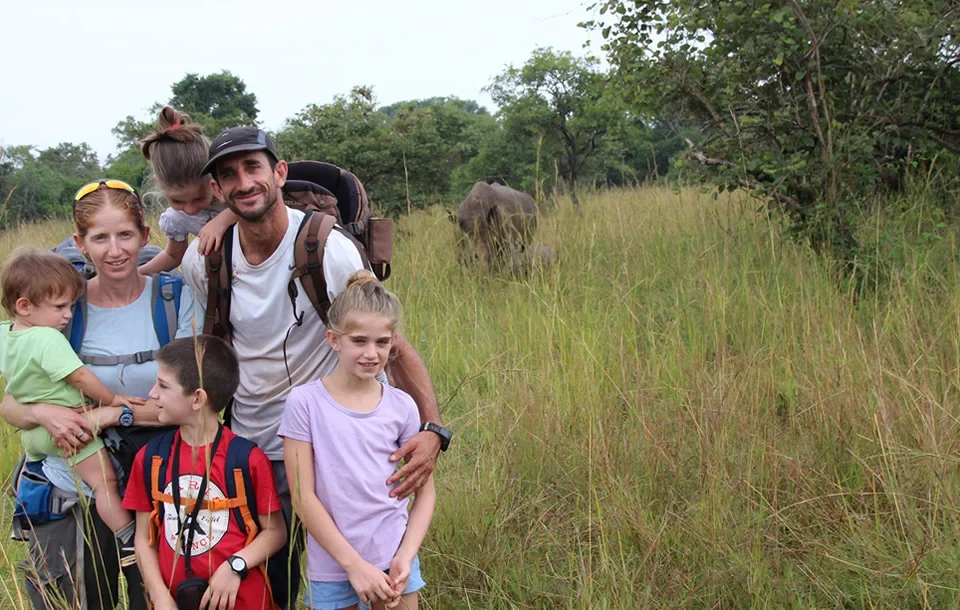
Murchison Falls National Park. Uganda’s largest park, Murchison Falls National Park is where the Nile forces its way through a narrow gorge before thundering down. Expect game drives, a launch trip to the bottom of the falls and the chance to visit Ziwa Rhino Sanctuary on the way. For a short trip, consider this 3 Days Safari to Murchison Falls.
Other gems. Lake Mburo National Park, the closest savannah park to Kampala, is home to zebras and impala and makes a great stopover on the way to Bwindi. Kidepo Valley National Park offers remote wilderness for repeat visitors, while Lake Bunyonyi is a peaceful place to relax after trekking.
Distances in Uganda are longer than they look on a map, so choose two to four main destinations for a one-week trip rather than trying to see everything.
Step 4: Decide How Many Days You Need
The length of your safari determines how much you can see and how relaxed your trip feels. Here’s a guide to what’s realistic.
2 to 3 days. Enough for a focused gorilla trek, especially if you start from Kigali in Rwanda, which is closer to Uganda’s gorilla parks than Entebbe. Our 2 Days Uganda Gorilla Safari Starting from Kigali is built for travelers with limited time. For the absolute shortest option, there’s even a 1-Day Uganda Gorilla Safari Starting from Kigali, though it makes for a very long day.
4 to 5 days. Ideal for combining gorillas with chimpanzees or gorillas with a savannah park. The 5-Day Wildlife & Gorilla Safari balances game drives with a trek in Bwindi.
7 to 10 days. The sweet spot for most first-time visitors. You can cover gorillas, chimps, Queen Elizabeth and possibly Murchison Falls without rushing. Popular options include our 7 Days Gorilla and Wildlife Safari, the 8-Day Uganda Gorilla, Chimpanzee & Wildlife Safari and the 10 Days Uganda Adventure Safari Itinerary. Another well-structured option is this 7 Days Uganda Safari one-week tour.
14 days or more. Two weeks or longer lets you explore Uganda in depth, including Kidepo, the Rwenzoris or Jinja, or add Rwanda. Take a look at our 20-Day Wildlife and Nature Experience in Uganda or this 14-Day Uganda Primates and Safari Adventure. Serious birders may prefer the 18 Days Uganda Birding and Wildlife Safari.
Step 5: Set a Realistic Safari Budget
Understanding costs upfront helps you choose the right itinerary and avoid surprises. A Uganda safari price is made up of several components.
Permits and park fees. The gorilla permit is the single biggest fixed cost. At the time of writing, a standard Uganda gorilla trekking permit costs USD 800 for foreign non-residents, compared with USD 1,500 in Rwanda. The Gorilla Habituation Experience in Bwindi, which allows up to four hours with a gorilla family still being habituated, costs considerably more. Chimpanzee permits in Kibale are also a notable cost, and Uganda Wildlife Authority has announced revised rates for some activities from January 2027, so always confirm current prices with your operator. Park entry fees apply for savannah parks such as Queen Elizabeth and Murchison Falls.
Accommodation. Uganda offers three broad tiers:
- Budget: simple guesthouses, bandas and campsites.
- Mid-range: comfortable lodges with en-suite rooms and good food, the most popular choice.
- Luxury: exclusive lodges with spectacular views, gourmet dining and premium service.
Transport. Most safaris use a 4×4 safari vehicle with a pop-up roof and a professional driver-guide. Domestic flights to Bwindi, Kihihi, Kisoro or Kidepo save time but add cost.
Typical price ranges. Including permits, a mid-range 3-day gorilla safari often starts at roughly USD 1,500 per person sharing, while a 7 to 10-day mid-range safari covering gorillas, chimps and wildlife typically ranges from about USD 3,000 to 5,500 per person. Luxury trips can go much higher, and budget camping safaris lower. Group size makes a big difference, since vehicle and guide costs are shared.
Money-saving tips. Travel in the low season, join a group departure, choose mid-range lodges, start from Kigali for short gorilla trips, and book permits early to avoid paying premium last-minute prices for accommodation.
Step 6: Choose a Licensed and Trusted Tour Operator
This is the most important decision in the whole process of booking a safari in Uganda. A good operator handles permits, transport, accommodation, guiding and logistics, and becomes your support system on the ground.
Why use a tour operator? Uganda Wildlife Authority rules require that gorilla and chimpanzee permits for foreign visitors are booked through licensed tour operators. Beyond permits, a local operator knows the roads, the lodges, the gorilla sectors and the seasonal conditions, and can solve problems quickly if plans change.
What to look for:
- Licensing and memberships. Check that the company is registered with the Uganda Tourism Board and belongs to recognized associations such as AUTO or USAGA.
- Reviews. Read recent reviews on Google, TripAdvisor and SafariBookings, paying attention to how the company handles problems.
- Local experience. Companies whose owners and guides work on the ground daily give more accurate advice.
- Transparent pricing. A good quote clearly lists what is included and excluded: permits, park fees, accommodation, meals, transport, guide fees, water and airport transfers.
- Responsiveness. How quickly and clearly a company answers your questions is a strong sign of how they’ll look after you on safari.
- Responsible tourism. Look for operators that support local communities and conservation.
At Kenlink Tours, we’re a fully licensed Ugandan operator with a team that spends every day on the road across East Africa. We also support local communities and orphans through our foundation, so your safari directly benefits people living around the parks.
Step 7: Request a Quote and Customize Your Itinerary
Once you’ve shortlisted two or three operators, send each an inquiry. The more detail you give, the more accurate your quote will be. Include:
- Your travel dates (or month) and how flexible you are
- Number of travelers and ages of any children
- Must-see experiences (gorillas, chimps, Big Five, birding)
- Preferred accommodation level
- Budget range per person
- Arrival and departure airports
- Any special interests, dietary needs or mobility considerations
A good operator will respond with a suggested itinerary and price, then refine it with you. Don’t hesitate to ask questions about drive times, lodge locations, gorilla sectors or alternative routes. A tailor-made safari should feel designed around you.
You can send your trip details directly through our contact and inquiries page, and a travel expert will usually reply within 24 hours. If you’d like to browse ideas first, our full list of Uganda safari tours covers short, mid-length and extended trips.
Step 8: Secure Your Gorilla and Chimpanzee Permits Early
Gorilla permits are limited. Only eight visitors may trek to each habituated gorilla family per day, which means permits for popular dates sell out quickly, especially in peak season.
How permit booking works. Your tour operator checks availability for your preferred date and sector with Uganda Wildlife Authority, then books the permit in your name. You’ll need to provide your full name as it appears on your passport, nationality and passport number. Under recent UWA procedures, permits must be fully paid at the time of booking, so your operator will usually ask for the permit cost as part of your deposit.
Important permit rules:
- Minimum age for gorilla trekking is 15 years.
- Permits are generally non-refundable, so confirm dates before paying.
- You cannot trek if you have a contagious illness such as a cold or flu, since gorillas are vulnerable to human diseases.
- Your time with the gorillas is limited to one hour.
Matching permits with accommodation. Bwindi’s four sectors are hours apart by road. Always book lodging in the same sector as your permit. A good operator will do this automatically, but it’s worth double-checking.
Chimpanzee permits in Kibale also sell out in busy months, so it’s wise to book them at the same time as your gorilla permits.
Step 9: Decide Whether to Fly into Entebbe or Kigali
Your choice of arrival airport can save you a full day of driving.
Entebbe International Airport (EBB) is Uganda’s main gateway, about 40 km from Kampala. It’s the best starting point for itineraries that include Murchison Falls, Kibale, Queen Elizabeth or Lake Mburo. However, the drive from Entebbe to Bwindi takes roughly nine to ten hours.
Kigali International Airport (KGL) in Rwanda is much closer to Bwindi’s southern sectors and Mgahinga, typically around four to five hours’ drive. That’s why many travelers on short gorilla trips start in Kigali. Our 5-Day Gorilla Trekking Safari from Kigali to Uganda is designed exactly for this. You can also explore more Uganda gorilla safaris starting from Rwanda or spend extra time discovering Kigali City before or after your trek.
Combining Uganda and Rwanda. Many travelers start in Kigali, trek in Uganda, then visit Rwanda’s parks, or the reverse. Our 10 Days Uganda Rwanda Combining Safari is a great example of a two-country adventure.
Domestic flights. Scheduled and charter flights link Entebbe with airstrips near Bwindi (Kihihi and Kisoro), Kasese, Murchison Falls and Kidepo. They’re more expensive but save long road journeys.
Step 10: Choose Your Accommodation Wisely
Where you stay shapes your safari experience as much as the parks themselves. In Uganda, location matters more than luxury. A lodge close to your gorilla trekking trailhead means a more relaxed early start; a lodge inside a national park means wildlife on your doorstep.
Questions to ask about lodges:
- How far is it from the trekking starting point or park gate?
- Are meals included (full board is standard on most safaris)?
- Is there hot water and electricity at all times?
- What is the cancellation policy?
Mid-range lodges in Uganda offer excellent value, often with stunning views over forest, lakes or volcanoes. If you’re on a budget, ask your operator about well-run community lodges and campsites, which also support local livelihoods. For luxury travelers, Bwindi, Kibale and Queen Elizabeth each have exceptional high-end lodges worth the splurge.
Step 11: Organize Travel Documents, Health and Insurance
Once your safari is booked, turn your attention to paperwork and health.
Passport. Your passport should be valid for at least six months beyond your travel dates, with blank pages for visas and stamps.
Visa. Most visitors need a visa for Uganda, which is applied for online through Uganda’s official e-visa portal before travel. If you’re combining Uganda with Rwanda and Kenya, the East Africa Tourist Visa covers all three countries and can save money. Always check the latest requirements for your nationality before you apply, and only use official government portals.
Vaccinations. A yellow fever vaccination certificate is required to enter Uganda. Speak to a travel health clinic about other recommended vaccines and antimalarial medication, as malaria is present in much of the country.
Travel insurance. Comprehensive travel insurance covering medical emergencies, evacuation and trip cancellation is strongly recommended. Because gorilla permits are usually non-refundable, insurance protects your investment if you fall ill or need to cancel.
Money. The Ugandan shilling is the local currency, but US dollars are widely accepted for tourism services. Bring clean US notes printed after 2013, since older notes are often refused. ATMs are available in towns but not in remote parks.
Step 12: Confirm Your Booking and Prepare for Departure
With your itinerary agreed, it’s time to confirm.
Deposits and payments. Most operators require a deposit to secure your booking, which typically includes permit costs, with the balance due a set number of weeks before arrival. Read the operator’s terms and conditions carefully so you understand payment schedules and cancellation policies. Use secure payment methods such as bank transfer, card payments or trusted payment platforms.
Final confirmation. Before you fly, make sure you have:
- A detailed day-by-day itinerary
- Copies of your gorilla and chimpanzee permits
- Lodge confirmations
- Your guide’s name and an emergency contact number
- Airport pickup details
What to pack:
- Sturdy, waterproof hiking boots with good grip
- Long trousers and long-sleeved shirts in neutral colors
- A lightweight rain jacket
- Gardening gloves for gripping vegetation during treks
- A warm fleece for cool mornings in the mountains
- Binoculars and a camera with spare batteries
- Insect repellent, sunscreen and a hat
- A small daypack and a reusable water bottle
On trekking day, consider hiring a local porter. For a modest fee, they carry your bag, help you on steep slopes and earn valuable income for their families, which also strengthens community support for gorilla conservation.
Private Safari, Group Tour or Self-Drive?
There are three main ways to experience Uganda, and the right one depends on your budget and travel style.
Private guided safari. You have your own vehicle and driver-guide, with complete flexibility over timing and pace. This is the most popular option for couples, families and photographers.
Group tours and scheduled departures. Joining a small group lowers your costs because transport and guiding are shared. It’s also a great way to meet like-minded travelers. Browse our group tours and our scheduled departure safaris for fixed-date trips you can join.
Self-drive safari. Confident drivers can rent a 4×4 and explore at their own pace. Uganda’s main roads are good, but park tracks can be challenging in the rain, so it’s best suited to experienced travelers. Our car hire service provides well-maintained safari vehicles, with or without a driver. Even on a self-drive trip, you’ll still need an operator to book your gorilla permits.
Common Mistakes to Avoid When Booking a Uganda Safari
Learning from other travelers’ mistakes can save you money and stress.
Booking too late. Waiting until a few weeks before travel often means no gorilla permits on your preferred dates, or settling for less convenient lodges.
Overpacking the itinerary. Trying to see every park in a week means spending most of your time in a vehicle. Fewer destinations with more time in each makes for a better safari.
Ignoring drive times. A route that looks short on a map may take a full day on Uganda’s winding roads. Ask your operator for realistic travel times.
Choosing on price alone. The cheapest quote may cut corners on vehicles, guides or lodge locations. Compare what’s actually included.
Mismatching permit and lodge sectors. This is a classic Bwindi mistake that can mean a 3 a.m. start and hours of driving before your trek.
Skipping travel insurance. With non-refundable permits, insurance is essential protection.
Underestimating fitness needs. Gorilla treks can take anywhere from one to six hours on steep, muddy terrain. Regular walking in the weeks before your trip will make the experience far more enjoyable.
Sample Itinerary: 7 Days Gorillas, Chimps and Wildlife
To show how everything fits together, here’s a typical one-week Uganda safari:
- Day 1: Arrive at Entebbe, transfer to your hotel and rest.
- Day 2: Drive west to Kibale Forest, stopping at the equator.
- Day 3: Morning chimpanzee tracking in Kibale; afternoon Bigodi Wetland walk.
- Day 4: Drive to Queen Elizabeth National Park for an afternoon Kazinga Channel boat cruise.
- Day 5: Morning game drive, then continue through Ishasha in search of tree-climbing lions to Bwindi.
- Day 6: Gorilla trekking in Bwindi Impenetrable National Park.
- Day 7: Return to Entebbe by road or domestic flight for your departure.
You can see similar routes in our 3-Day Uganda Gorillas Safari for short visits, or the 4 Days Gorilla & Cultural Tour if you’d like to add community experiences. Travelers who want a dedicated chimp trip can also consider this 3 Days Chimpanzee Tour in Uganda.
Frequently Asked Questions About Booking a Safari in Uganda
How far in advance should I book a Uganda safari?
For the dry season (June to September and December to February), book three to six months ahead, or more for July, August and Christmas. For the wet season, two months is usually enough, though earlier is always safer for gorilla permits.
Can I book a gorilla permit directly myself?
Under Uganda Wildlife Authority rules, gorilla and chimpanzee permits for foreign visitors are booked through licensed tour operators. Your operator handles the reservation and sends you a copy of the permit.
How much does a gorilla permit cost in Uganda?
At the time of writing, a standard gorilla trekking permit costs USD 800 for foreign non-residents, with discounted rates announced for certain low-season months. Prices are reviewed periodically, so confirm the latest rates when you book.
Is Uganda safe for a safari?
Uganda’s main safari circuit is generally considered safe for tourists, and the country is known for its warm hospitality. Traveling with a reputable operator and following your guide’s advice adds an extra layer of security. Always check your government’s latest travel advice before you go.
What is the best month for gorilla trekking?
June to August and December to February offer the driest trails, but gorillas can be trekked year-round. The low season brings fewer crowds, greener scenery and potential permit discounts.
Do I need to be very fit for gorilla trekking?
A moderate level of fitness is enough for most people. Treks vary in length and difficulty, and rangers move at the pace of the group. Walking sticks and porters make a big difference.
Can children go on a Uganda safari?
Yes. Children of all ages can enjoy game drives, boat cruises and cultural visits, but the minimum age for gorilla trekking is 15. Family-friendly lodges are available throughout the country.
Ready to Book Your Uganda Safari?
Booking a safari in Uganda comes down to a few clear steps: decide what you want to see, pick the right season, choose your destinations and trip length, set a realistic budget, partner with a licensed tour operator, secure your permits early and prepare well. Get these right and you’ll enjoy one of the most rewarding wildlife adventures on earth, from misty gorilla forests to sunlit savannahs and the mighty Nile.
At Kenlink Tours, we’ve been crafting unforgettable Uganda safaris since 2010. Our experts handle every detail, from gorilla permits and lodges to vehicles and guides, so you can focus on the experience. Tell us your dream trip on our inquiries page and we’ll design a tailor-made itinerary for you, or browse all our Uganda safari packages to get inspired.
The Pearl of Africa is waiting. Start planning your Uganda safari today.