- EXPERT'S HELP
- +256789210067
- +256200955001
- info@kenlinktours.com


Akagera National Park Safari: The Complete Travel Guide
August 20, 2026
3-Day Akagera Safari Rwanda: The Perfect Wildlife Itinerary
August 20, 2026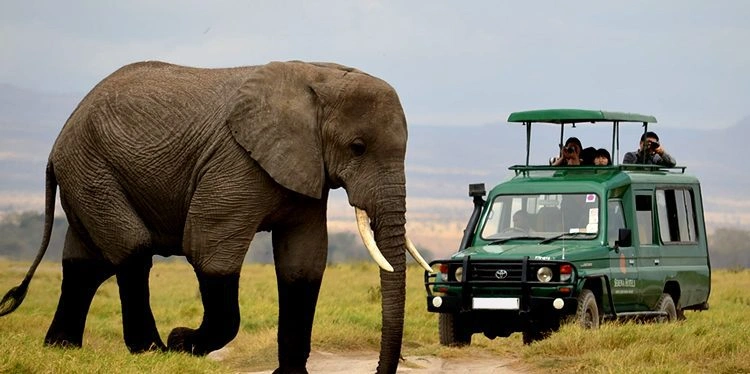
Rwanda Big Five Safari: Can You See the Big Five in Akagera? When most travelers think of a Big Five safari, they picture Kenya, Tanzania, or South Africa, not Rwanda. Yet tucked against the Tanzanian border in the country’s Eastern Province, Akagera National Park has quietly become one of Africa’s most remarkable conservation success stories, and yes, it is genuinely possible to see all of the Big Five, lion, leopard, elephant, buffalo, and rhino, on a single Rwanda safari. This guide breaks down exactly where, when, and how to find each of the Big Five in Akagera, what the current population numbers look like, and how to build a Rwanda Big Five safari into a broader trip with Rwanda safaris organized by Kenlink Tours.
Fifteen years ago, this question would have had a very different answer. Akagera had lost its lions entirely and its rhino population had vanished, and much of the park’s remaining wildlife was under severe pressure from poaching and encroachment. What follows is the story of how that changed, species by species, along with current population figures, the best times and places to look for each animal, and a practical guide to planning your own Rwanda Big Five safari today.
What Is the “Big Five” and Where Did the Term Come From
The term “Big Five” originated with colonial-era big game hunters, who used it to describe the five African animals considered the most difficult and dangerous to hunt on foot: lion, leopard, African elephant, Cape buffalo, and rhinoceros (both black and white species count). Today the phrase has been repurposed by safari travelers and conservationists alike as shorthand for the continent’s most sought-after wildlife sightings. Seeing all five in one trip has become something of a bucket-list milestone for safari-goers, and until recently, Rwanda was not considered part of that conversation at all. The country’s international reputation was built almost entirely on mountain gorilla trekking, and for good reason, but that reputation often overshadows the fact that Rwanda also has a functioning, growing Big Five ecosystem within a short drive of the capital. As Akagera’s wildlife numbers continue climbing year after year, that gap in public awareness is closing quickly, and Rwanda is increasingly mentioned alongside Uganda, Kenya, and Tanzania as a legitimate, if smaller-scale, Big Five destination in its own right.
Is Akagera the Only Place to See the Big Five in Rwanda
Yes. Akagera National Park is the only location in Rwanda where all five species are present. Rwanda’s other major parks, Volcanoes National Park and Nyungwe Forest National Park, are forest and montane ecosystems built around primates, mountain gorillas, golden monkeys, and chimpanzees, not open savannah game viewing. Akagera’s mix of grassland, acacia woodland, and lake systems is the only habitat in the country able to support lions, leopards, elephants, buffalo, and rhinos together. If your goal is a genuine Rwanda Big Five safari, Akagera is not one option among several, it is the only one, which is exactly why our 3-day Akagera game drive safari has become one of our most requested itineraries among first-time Rwanda visitors.
Lions in Akagera: From Local Extinction to Thriving Prides
Lions tell the most dramatic story of Akagera’s recovery. Following Rwanda’s 1994 genocide, returning refugees and herders moved into the park in large numbers, and within a few years the entire lion population had been wiped out through retaliatory poisoning aimed at protecting livestock. By 2001, Akagera had no lions left at all, a devastating loss for a species once considered a defining feature of the park. For readers interested in the wider context of this period, our piece on the Rwandan Genocide of 1994 explains how the aftermath reshaped land use across the entire country, including inside protected areas like Akagera.
The turnaround began in 2015, when seven lions were reintroduced from South Africa, the first the park had seen in over a decade. Two additional males followed in 2017 to strengthen genetic diversity. Since then, the population has grown steadily and now stands at more than 70 individuals spread across several established prides, concentrated mainly around the Kilala Plains and the grasslands near Lake Ihema. For a detailed breakdown of exactly where and when sightings are most likely, see our dedicated guide on where to see lions in Rwanda.
Leopards in Akagera: The Elusive Big Cat
Leopards are the hardest of the Big Five to spot anywhere in Africa, and Akagera is no exception. Unlike lions, leopards were never fully eliminated from the park, but their solitary, nocturnal, and highly territorial nature makes daytime sightings rare. Current estimates put the population at roughly 60 individuals, and a dedicated leopard research project launched in 2026 is working to better understand movement patterns and long-term population trends.
Your best chance of spotting a leopard in Akagera is on a guided night game drive, when spotlights can pick out their eyeshine along riverine thickets and rocky outcrops. Patience matters here more than with any other Big Five species; some visitors spot a leopard on their first drive, while others need two or three attempts across a multi-day stay.
African Elephants in Akagera National Park
Akagera’s elephant story began in 1975, when 26 young elephants were relocated to the park from Bugesera District after their original habitat was converted to farmland. That founding population has grown steadily ever since, and recent surveys put the current number at over 150 individuals, with six previously unrecorded elephants added to the park’s identification database in a 2026 census alone.
Elephants are most reliably seen near Lake Ihema and the surrounding wetlands, particularly during the dry season when herds gather close to permanent water sources. Family groups with young calves are a common and rewarding sighting on morning game drives, and Akagera’s relatively open terrain makes for excellent photography compared with the dense forest elephant habitats found elsewhere in the region.
Cape Buffalo: Akagera’s Most Abundant Big Five Species
Of all the Big Five, Cape buffalo are by far the easiest to see in Akagera and offer some of the clearest evidence of the park’s ecological recovery. Historic counts recorded well under 1,000 buffalo in the park, with an estimated population of just 882 in 2010. Today, that number has grown to more than 3,300 individuals, a nearly fourfold increase driven by improved anti-poaching enforcement and habitat protection following the 2010 African Parks partnership.
Buffalo herds, sometimes numbering in the hundreds, are commonly seen grazing on the Kilala Plains and around the lake shores, making them one of the most dependable Big Five sightings on any Akagera game drive, often within the first hour of setting out.
Black Rhinos in Akagera: A Decade-Long Comeback
Black rhinos disappeared from Akagera for roughly a decade before conservationists began one of East Africa’s most closely watched reintroduction efforts. Ten black rhinos arrived from South Africa in 2017, followed by eighteen more from European zoos in 2019, deliberately chosen to maximize genetic diversity in the founding population.
Since then, the population has continued to grow through natural breeding, with new calves recorded as recently as 2026. Black rhinos are browsers that favor dense thicket habitat, which makes them naturally more difficult to locate than buffalo or elephant, and for this reason rhino tracking is typically arranged as a specialized activity with experienced park guides rather than a guaranteed stop on a standard game drive.
White Rhinos in Akagera: Record-Breaking Translocations
White rhinos returned to Akagera more recently than black rhinos, with 30 southern white rhinos translocated to the park in 2021. A further translocation in 2025 brought in dozens more individuals, described at the time as one of the largest single rhino translocations ever recorded, cementing Akagera’s status as a serious rhino conservation stronghold within just a few years of the species’ reintroduction.
White rhinos are grazers, generally found in more open grassland than their black rhino counterparts, which makes them somewhat easier to spot on game drives across the southern plains. As with black rhinos, breeding success has continued, with new calves born in 2026, a strong sign that the population is not just surviving but establishing itself long-term.
Best Time and Places to See the Big Five in Akagera
The dry seasons, June to September and mid-December to mid-February, offer the best overall Big Five viewing conditions, since thinning vegetation and concentrated water sources pull animals into predictable, visible locations. The Kilala Plains in the park’s south are the most productive zone for lion, buffalo, and general plains game, while the areas around Lake Ihema in the east are best for elephant, hippo, and crocodile sightings alongside the park’s popular boat safari. Rhino sightings tend to concentrate in the park’s central and southern sectors, where rangers closely monitor movements as part of ongoing protection efforts. For a broader look at how these seasonal patterns compare across the country, our roundup of the best Rwanda safari experiences for nature lovers is a useful companion read.
How Many Days Do You Need to See the Big Five
Two full days in Akagera gives you a realistic chance at four of the five, lion, elephant, buffalo, and one rhino species, through a combination of morning and afternoon game drives. Adding a third day and a dedicated night drive meaningfully improves your odds of a leopard sighting and gives rangers more opportunity to direct you toward recent rhino movements. Our own 3-day Akagera game drive safari is built specifically around maximizing Big Five sightings within a manageable timeframe, and can be extended for travelers who want to prioritize photography or a more relaxed pace.
Big Five Safari Activities Beyond Game Drives
While day game drives remain the core of any Big Five safari, Akagera offers several activities that meaningfully improve your chances across all five species. Night game drives, run with trained ranger guides and spotlights, are the single best way to encounter leopards and other nocturnal wildlife. A boat safari on Lake Ihema, while not a Big Five activity itself, frequently produces elephant sightings along the shoreline in addition to hippos and crocodiles. The park’s behind-the-scenes conservation experience, which includes a visit to the anti-poaching canine unit, offers valuable insight into exactly how species like lion and rhino have been protected during their reintroduction, a theme also explored in our article on the Dian Fossey Gorilla Fund and Rwanda’s wider conservation model.
Where to Stay for the Best Big Five Sightings
Where you stay in Akagera can meaningfully affect your Big Five odds. Magashi Camp, located in the park’s exclusive northern sector on Lake Rwanyakazinga, offers low-density access to some of the park’s best lion and leopard territory. Ruzizi Tented Lodge on Lake Ihema is ideally positioned for elephant and hippo sightings and sits close to the boat safari jetty. Karenge Bush Camp, in the wilder western section, appeals to travelers seeking a more remote, adventurous base, while Akagera Game Lodge remains the most established mid-range option with reliable access to the Kilala Plains game circuit. Self-drive travelers can also base themselves at the park’s designated campsites, often paired with a car hire arrangement through Kenlink Tours.
Packing and Photography Tips for a Big Five Safari
Big Five sightings in Akagera often happen at a greater distance than in dense forest parks, so a camera with a reasonable zoom lens, or at minimum a solid pair of binoculars, makes a significant difference to your experience. Neutral-colored clothing, a hat, sunscreen, and insect repellent are all essential given the park’s warm, low-altitude climate, and a light jacket is worth packing for early morning and night drives when temperatures drop noticeably. Because dust is unavoidable on Akagera’s gravel tracks, a dust-proof camera bag and spare memory cards or batteries are worth the extra space in your luggage, particularly if you plan to join a night drive in pursuit of leopard sightings.
How Akagera Compares to Other Big Five Destinations in Africa
Akagera’s Big Five density does not yet match long-established reserves like the Maasai Mara or Kruger National Park, but it offers something few other Big Five parks can: a genuinely young, fast-growing ecosystem where you can witness conservation recovery in real time, combined with the logistical convenience of being only two and a half hours from Kigali. Within the immediate region, Uganda’s Queen Elizabeth National Park and Murchison Falls National Park also offer strong Big Five potential, particularly for lion and elephant, and are worth considering for travelers building a longer multi-country itinerary. Our comparison of Akagera National Park versus Queen Elizabeth National Park covers the practical differences in more depth, including habitat, accessibility, and typical costs, which our guide to the cost of safaris in Rwanda also addresses in detail.
Sample Itinerary: Rwanda Big Five Safari
A well-paced three-day Rwanda Big Five safari typically begins with the drive from Kigali, arriving at your lodge in time for an afternoon game drive as animals become active in the cooling temperatures. Day two is dedicated fully to the park, combining an early morning drive across the Kilala Plains, where lion and buffalo sightings are most likely, with an afternoon boat safari on Lake Ihema for elephant, hippo, and birdlife, and an optional evening night drive to search for leopard. Day three includes a final sunrise game drive focused on any Big Five species not yet seen, before returning to Kigali or connecting onward. Travelers wanting to see the country’s other highlights alongside the Big Five should also review our list of 11 must-see attractions and activities in Rwanda for ideas on rounding out a longer trip.
Combining a Big Five Safari with Gorilla Trekking
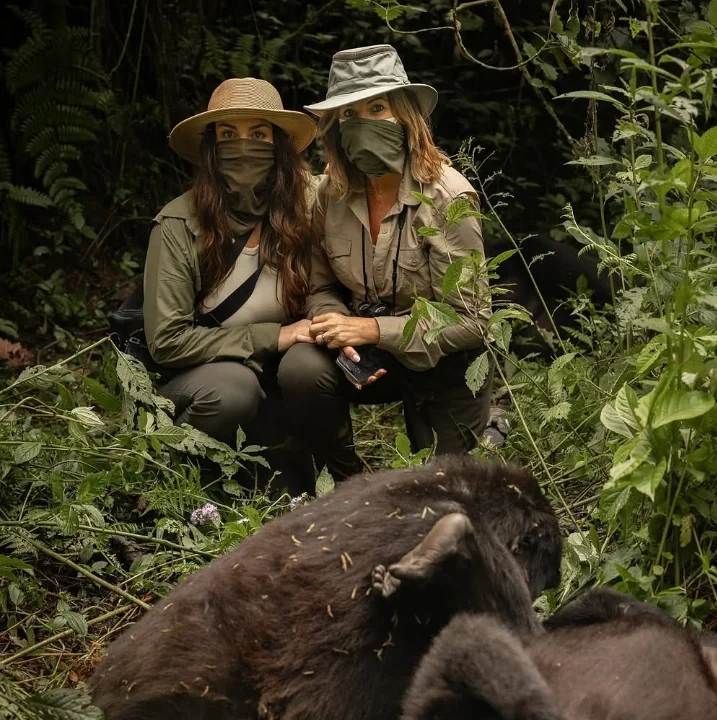
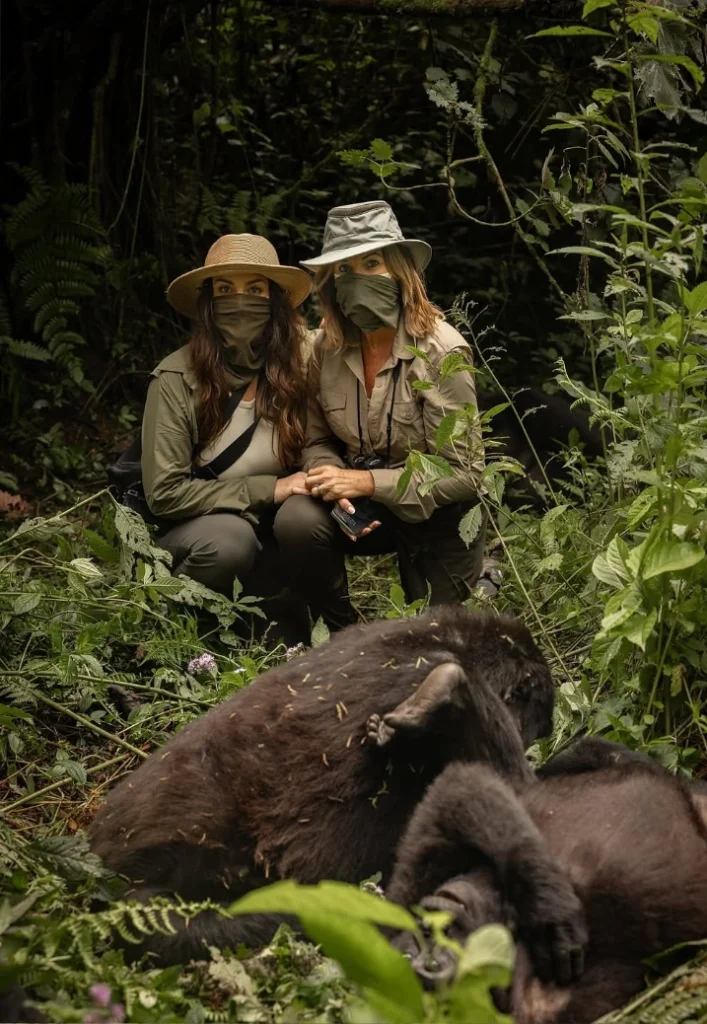
Rwanda’s real advantage over more established Big Five destinations is the ability to pair savannah game viewing with mountain gorilla trekking in a single, compact trip. Our 5-day Volcanoes, Gorillas, and Akagera wildlife safari is designed around exactly this combination, giving travelers gorilla trekking in Volcanoes National Park and Big Five game drives in Akagera without the long internal flights required elsewhere in Africa. Travelers who also want golden monkeys can extend into our 4-day Rwanda-Uganda golden monkey and gorilla trekking itinerary, while those chasing chimpanzees can add our 3-day Nyungwe Forest National Park tour to the same trip.
For travelers with more time, extending across the border opens up an even wider range of wildlife experiences. Our 5-day Uganda-Rwanda double gorilla safari and 10-day Uganda-Rwanda combined safari both build in time at Akagera alongside Uganda’s Bwindi Impenetrable Forest National Park and Kibale Forest National Park. If you are beginning your journey from Kigali, our 2-day Uganda gorilla safari from Kigali and 3-day Bwindi gorilla safari from Kigali are both structured to connect smoothly with time in Akagera, and our regional partners’ gorilla safaris and wildlife safaris collections offer a useful cross-border perspective while you compare options, alongside their combined 5-day Rwanda wildlife and gorillas package and full destinations directory. For travelers routing through the capital, a look at Kigali City and Rwanda’s lesser-visited Gishwati-Mukura National Park rounds out the full national picture.
Why Book Your Rwanda Big Five Safari with Kenlink Tours
Timing and location matter enormously for a successful Big Five safari, and small details, which sector of the park you drive through, whether you go out at night, how experienced your guide is at reading recent ranger reports, can be the difference between seeing four species or all five. Our team plans every Rwanda Big Five safari around current wildlife movement patterns, seasonal conditions, and your available time, whether that means a focused two-day Akagera add-on or a full 20-day East Africa safari itinerary spanning multiple countries.
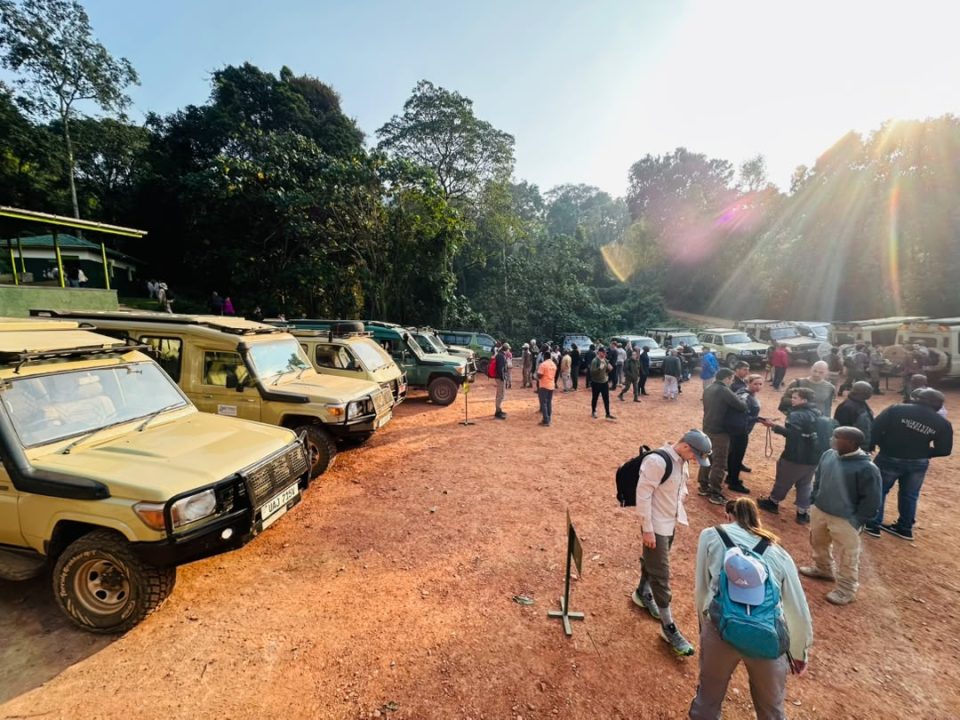
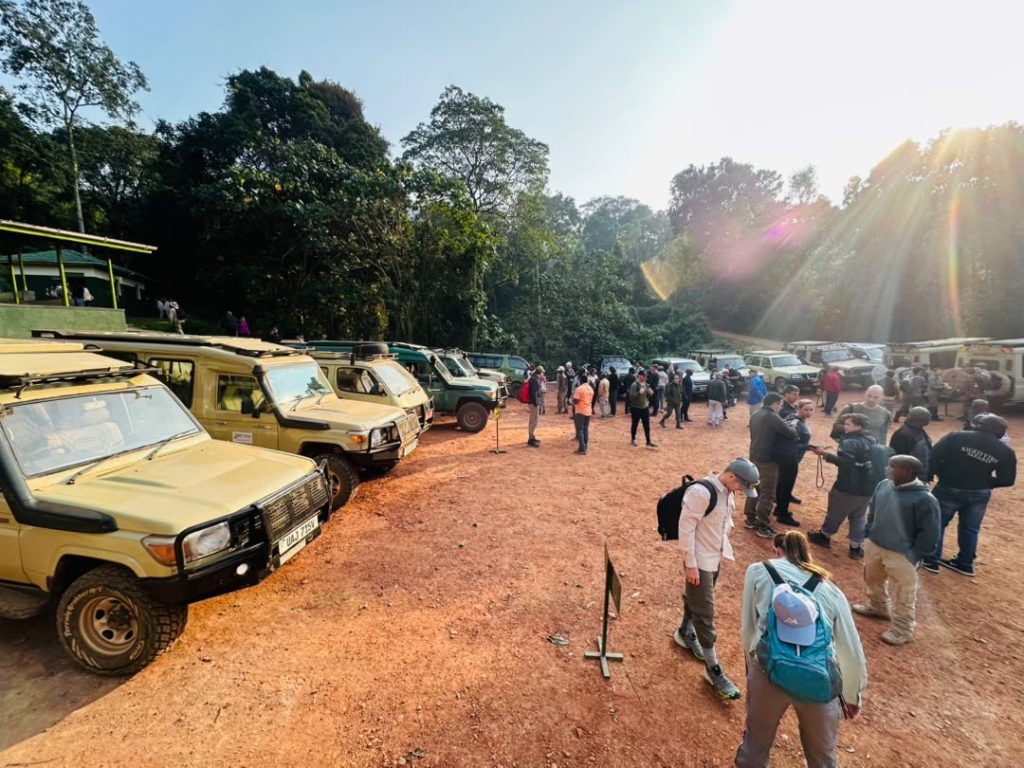
We manage every detail end to end, including private 4×4 transport with pop-up roofs for game viewing, park fees and activity bookings, and accommodation reservations matched to your budget. Learn more about our approach on our About Us page, explore our full range of Rwanda safari holidays, or read about starting a trip from Rwanda to Uganda if you’re planning a cross-border extension. When you’re ready to plan your own Rwanda Big Five safari, our Contact Us page connects you directly with a safari consultant for a tailored quote.
Frequently Asked Questions About the Big Five in Akagera
Can you really see all of the Big Five in Rwanda? Yes. Akagera National Park is the only place in Rwanda where lion, leopard, elephant, buffalo, and both black and white rhino are all present, making a genuine Rwanda Big Five safari possible.
Which Big Five animal is hardest to see in Akagera? Leopard is generally the most difficult, given its solitary and nocturnal habits. Rhinos require more targeted tracking than the other species but are seen reliably with an experienced guide.
How long ago did lions return to Akagera? Lions were locally extinct by 2001 and were reintroduced beginning in 2015, meaning today’s population has been rebuilt entirely within roughly the last decade.
Is Akagera safer or easier for Big Five viewing than Uganda’s parks? Both offer strong Big Five potential. Akagera has the advantage of proximity to Kigali and rhinos, which most of Uganda’s parks currently lack, while Uganda’s Queen Elizabeth and Murchison Falls offer larger overall park size and tree-climbing lions in some areas.
Do I need extra days to guarantee all five species? No sighting is ever guaranteed in the wild, but three days with at least one night drive gives you a strong realistic chance at all five, especially when paired with an experienced local guide.
Ready to plan your own Rwanda Big Five safari? Contact Kenlink Tours today and let our safari specialists build an Akagera itinerary designed around your travel dates, budget, and wildlife priorities.