- EXPERT'S HELP
- +256789210067
- +256200955001
- info@kenlinktours.com


Gorilla Trekking in Rushaga or Nkuringo Sector – Which is better
September 16, 2026
Start my tour from Kigali not Entebbe
September 16, 2026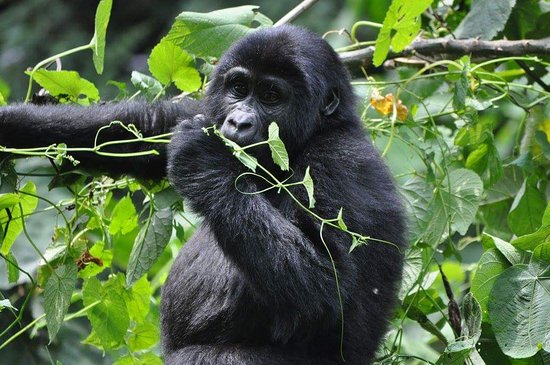
Gorilla Trekking in Rushaga from Kigali Rwanda. A surprising number of travelers who end up trekking gorillas in Uganda’s Rushaga sector never set foot in Kampala or Entebbe. Because Rushaga sits in the far south of Bwindi Impenetrable National Park, close to the Rwanda border, it is entirely possible to fly into Kigali, cross overland into Uganda, trek Rushaga’s gorilla families, and be back in Rwanda within a few days. If you are weighing whether gorilla trekking in Rushaga from Kigali makes sense for your trip, this guide covers the route, the border crossing, realistic timings, sample itineraries, and how to choose an operator who runs this crossing regularly.
At Kenlink Tours, Kigali-departure trips into Rushaga are one of our most requested itineraries, precisely because so many travelers build their East Africa trip around Rwanda first and treat Uganda as a short, focused add-on.
Landing in Kigali: What to Know Before Your Uganda Crossing
Kigali International Airport is well connected to Europe, the Middle East, and major African hubs, making it a natural starting point for a combined Rwanda-Uganda trip even for travelers who have never considered Uganda specifically. Most visitors spend at least a night in Kigali before heading toward the border, using the time to adjust to the time zone, confirm permit paperwork with their operator, and enjoy the city’s restaurants and museums, details covered well on general Kigali city guides.
Because the Rushaga crossing adds a second country, a second currency, and a second set of park rules to what might otherwise be a simple Rwanda trip, it is worth treating the Kigali stopover as genuine preparation time rather than just a layover. Confirming your operator’s credentials and border experience before you fly is a small step that avoids scrambling for answers once you are already on the road.
Why Travelers Choose to Trek Rushaga From Kigali Rather Than Entebbe
Rushaga’s location in Bwindi’s southern sector puts it dramatically closer to Kigali than to Uganda’s own capital. While a trip from Entebbe or Kampala to Rushaga can take a full day of driving, the route from Kigali is shorter, which is why so many Rwanda-based travelers choose to extend their trip across the border rather than fly onward to Entebbe. This also matters for cost: skipping an internal Uganda flight or an extra overnight in Kampala keeps a Rushaga add-on tight and efficient.
The other draw is variety. Travelers who have already booked a Rwanda gorilla safari in Volcanoes National Park sometimes want to see a second country’s gorilla population and a different park ecosystem without restructuring their entire trip, and Rushaga’s proximity makes that realistic within a single Kigali-based holiday.
The Cyanika Border Crossing: Your Route From Kigali to Rushaga
The Cyanika border post is the standard crossing point for travelers heading from Kigali to Rushaga or Mgahinga, and it is generally described as less congested and more scenic than Uganda’s other border crossings, running through volcanic highlands, forests, and small towns along the way. Roads on the Rwanda side are well paved and comfortable, while the Uganda side includes some gravel sections closer to the park that are regularly used by safari vehicles and passable year-round.
A visa and border crossing guide is worth reading before you travel, since border procedures — passport checks, visa verification, customs, and health documentation — typically take 30 to 60 minutes when handled by an operator familiar with the crossing.
How Far Is Rushaga From Kigali, and How Long Does It Take
The overall drive from Kigali to Bwindi’s southern sectors, including Rushaga, covers roughly 120 to 200 kilometres depending on the exact route and border conditions, translating into approximately 4 to 6 hours including time spent at the border. This is meaningfully shorter than the drive from Entebbe or Kampala, which is why Rushaga specifically (rather than Buhoma in Bwindi’s north) is the sector most commonly paired with a Kigali departure.
Our detailed breakdown of how far Bwindi is from Kigali and our comparison of travel time and cost from Kigali versus Kampala to Bwindi or Mgahinga both go into the specific numbers travelers use to plan this leg of their trip.
Visa Requirements and Documents for Crossing Into Uganda
Most international travelers need a visa for both Rwanda and Uganda, though East African Community citizens generally cross visa-free. Uganda’s visa costs approximately US$50 and is valid for 90 days, available through the eVisa portal or on arrival, while Rwanda’s visa runs around US$30 for 30 days. A yellow fever vaccination certificate is mandatory when entering Uganda from Rwanda, so this is worth confirming well before your trip rather than at the border itself.
Beyond visas, travelers should carry a passport valid for at least six months with blank pages, proof of vaccination, and both digital and physical copies of key documents. Booking through a Uganda gorilla safari starting from Kigali with an operator experienced at this crossing removes most of the guesswork, since they will confirm exactly what you need before you leave your hotel.
Choosing Between a Day Trip and a Multi-Day Rushaga Itinerary From Kigali
Technically, a same-day Rushaga trek from Kigali is possible given the roughly 4-to-6-hour drive each way, but it makes for an extremely long, tiring day layered on top of an already physically demanding trek. Most operators, including Kenlink Tours, recommend at least two days: one for the drive and an overnight near the park, and a second for the early-morning trek itself, with a third day if you want any buffer for weather or a relaxed return journey.
A rushed single-day version also removes any margin if the border crossing runs long or if Rushaga’s rangers assign your group to a farther-ranging gorilla family that morning, so building in at least one overnight near Kisoro is the safer approach for most travelers.
There is also a fatigue factor worth being honest about: gorilla trekking itself can involve two to six hours of hiking over steep, uneven terrain, and attempting that on the same day as a five-to-six-hour drive and a border crossing significantly raises the odds of an exhausted, less enjoyable trek. Spreading the trip across two or three days lets you arrive at the trailhead rested rather than running on fumes from a pre-dawn departure out of Kigali.
Sample Itinerary: 2-Day Rushaga Gorilla Trek From Kigali
A typical two-day structure starts with an early departure from your Kigali hotel, crossing at Cyanika mid-morning and arriving at a Rushaga-area lodge by early afternoon, leaving time to rest before an early trekking registration the next day. Day two begins with a pre-dawn briefing at the Rushaga park office, the trek itself, and a return drive back across the border to Kigali by evening.
This structure mirrors short Kigali-departure packages such as Pick and Transfer Safaris‘s two-day Uganda gorilla tour, which is a useful benchmark for pacing and inclusions when comparing quotes from different operators. Travelers with an especially tight schedule sometimes look at even shorter formats, such as a one-day Uganda gorilla safari starting from Kigali, though this compresses an already long day considerably and leaves no margin if the border crossing or trek runs longer than planned.
Sample Itinerary: 3-Day Rushaga Gorilla Trek From Kigali With Rwanda Add-On
Travelers with a little more time often extend the trip to three days, adding either a cultural stop in Rwanda before crossing or a second activity in Uganda, such as a golden monkey trek near Mgahinga. This pacing gives a full rest day around the trek itself and reduces the risk of a single bad-weather day derailing the whole plan.
Comparable structures appear in packages like Pick and Transfer Safaris‘s three-day Uganda gorilla safari from Rwanda and their longer five-day Uganda gorilla and chimps safari starting from Rwanda, while travelers wanting a longer combined trip sometimes look at our own 5-day Uganda-Rwanda double gorilla safari, which builds in gorilla treks on both sides of the border. Comparing a chimp-inclusive itinerary against a gorilla-only one is worth doing early, since adding Nyungwe or Kibale chimpanzee tracking extends the trip by at least one extra day and a separate permit fee.
What Makes Rushaga a Good Choice for a Kigali-Based Trip
Beyond its proximity to the Cyanika crossing, Rushaga is Bwindi’s largest sector by gorilla family count, which gives it the widest permit availability of any Ugandan sector — a meaningful advantage for Kigali-based travelers booking on a tighter timeline than those planning months ahead from home. Its relatively moderate terrain, compared to the tougher hikes in neighbouring Nkuringo sector, also makes it a comfortable choice for travelers who have just come off a Rwanda gorilla trek and are trekking again within a few days.
For travelers who want the option of extended time with the gorillas, Rushaga is also the only Bwindi sector offering it, which we cover next. Its position also means that if plans change mid-trip — a flight delay, a weather issue, or simply a desire to extend a Rwanda stay by a day — an operator familiar with both sides of the border can usually rearrange a Rushaga trek with far less disruption than trying to shift a booking anchored deep inside Uganda.
The Gorilla Habituation Experience: Worth the Extra Day From Kigali?
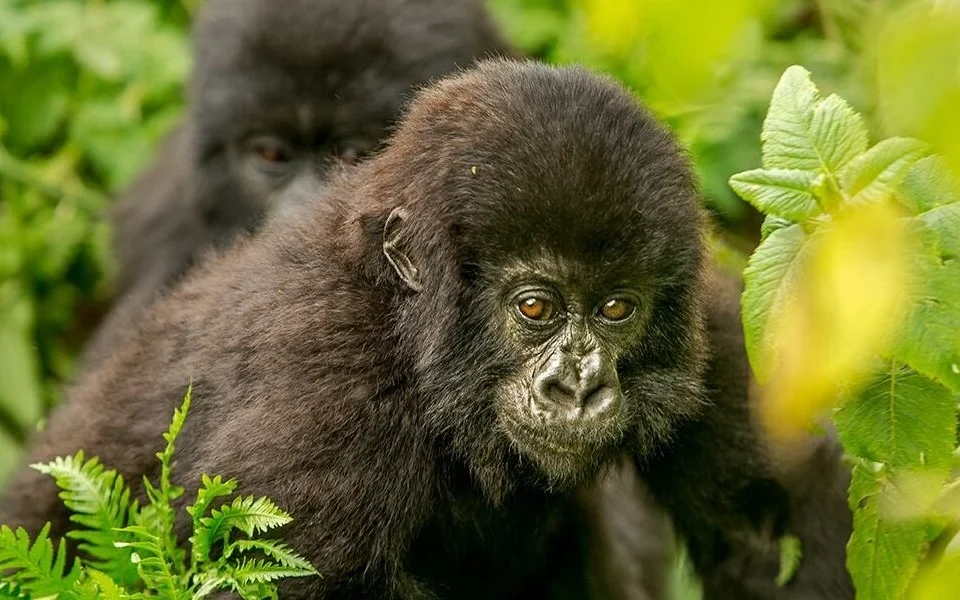
Rushaga is the only sector in Bwindi offering the gorilla habituation experience, a longer, research-style visit allowing up to four hours with a semi-habituated family in groups capped at four people, compared to the standard one-hour trek. For travelers making the effort to cross from Kigali specifically for a Uganda gorilla encounter, this extended format is worth considering, since it turns a single park visit into a noticeably deeper wildlife experience.
Our page on the gorilla habituation experience in Rushaga sector explains pricing, group size, and fitness requirements in more detail, and booking it in advance is essential given how few habituation slots are available daily.
Permits: Booking Uganda Gorilla Permits While Based in Rwanda
Uganda gorilla permits must be booked through the Uganda Wildlife Authority regardless of whether you are traveling from Kampala or Kigali, and permits are not interchangeable with Rwanda’s own gorilla permit system. This is a common point of confusion for first-time cross-border travelers, so it is worth confirming with your operator that your Rushaga permit is being booked specifically, rather than assumed to be bundled with any Rwanda arrangements.
A transparent gorilla trekking pricing breakdown helps clarify exactly what the Uganda permit costs and what a Kigali-departure operator is charging on top of it for transport and logistics.
Cost Comparison: Trekking Rushaga From Kigali vs From Kampala/Entebbe
The Uganda gorilla permit itself costs the same US$800 per person whether you approach Rushaga from Kigali or from Kampala, since the fee is fixed by the Uganda Wildlife Authority. The real cost difference lies in transport and time: a Kigali-based trip typically involves a shorter, cheaper transfer than the equivalent journey from Entebbe, which can make a Kigali-departure Rushaga trek noticeably more cost-efficient for travelers already in Rwanda.
For comparison, Rwanda’s own gorilla permit costs around US$1,500 per person, which is part of why some travelers specifically choose to add a Uganda crossing: the Rushaga permit, even with cross-border transport included, can work out less expensive than a second Rwanda permit for a returning visitor.
Where to Stay: Rushaga Lodges for Kigali-Departure Trips
Accommodation near Rushaga ranges from simple guesthouses to well-regarded properties such as Ichumbi Gorilla Lodge, positioned for straightforward access to the sector’s trailhead the following morning. Our broader Bwindi accommodation guide and roundup of budget lodges in Bwindi National Park cover options across price tiers, while travelers wanting volcano views alongside their gorilla trek sometimes also consider the Mountain Gorilla View Lodge.
Given the early registration time at Rushaga’s park office, staying as close to the trailhead as your budget allows is generally worth the extra cost after a long travel day from Kigali.
Combining Rushaga With Mgahinga or Volcanoes National Park From Kigali
Because Rushaga, Mgahinga, and Volcanoes National Park all sit within a relatively short radius of the Cyanika crossing, many Kigali-based itineraries combine two or even all three destinations. A traveler might trek gorillas in Rushaga one day, cross back toward Mgahinga for golden monkey tracking the next, or simply treat Rushaga as a standalone add-on to a longer Rwanda-based Volcanoes National Park trip.
Our guide on driving from Bwindi to Mgahinga is useful for travelers considering this kind of multi-park routing, and our Uganda-Rwanda gorilla safaris page outlines how these combinations are typically structured end to end.
Choosing a Tour Operator for a Kigali-to-Rushaga Trek
Not every Rwanda-based operator runs regular trips across the Cyanika border, so it is worth asking specifically how often a company handles this crossing rather than assuming general Rwanda safari experience translates directly. A good operator will confirm Uganda permit availability directly, provide a private 4×4 for the mountainous terrain, and be upfront about realistic drive times rather than optimistic best-case estimates.
Both Uganda-based companies like Kenlink Tours and Kigali-based operators such as Pick and Transfer Safaris run this route regularly, so comparing a quote from each side of the border can help you judge service quality and pricing before committing. It is also worth checking whether a prospective operator covers Bwindi Impenetrable Forest National Park broadly or only markets Rwanda itineraries with Uganda as an afterthought, since the latter often signals less day-to-day familiarity with Rushaga’s specific park office and ranger routines.
A final practical test: ask how the operator would handle a scenario where your Rushaga trek needs to shift a day, whether due to weather, a permit issue, or a delayed border crossing. An operator who answers with a specific contingency plan, rather than a vague reassurance, is usually one who has actually managed that situation before.
Best Time to Trek Rushaga From Kigali
Rushaga issues permits year-round, but the dry seasons — June through September and December through mid-February — bring firmer trail conditions and are the most heavily booked months on both sides of the border. Travelers with flexible dates may find better availability and slightly lower accommodation rates during the wetter shoulder months, though the Cyanika crossing itself remains open and usable throughout the year.
Whichever season you choose, booking your Rushaga permit and Kigali transport together, rather than separately, reduces the risk of a date mismatch between your border crossing and your trekking day. Travelers combining Rushaga with a Rwanda gorilla trek on the same trip should also check that both permits fall on dates that leave a realistic gap for the border crossing and a rest day in between, rather than scheduling two physically demanding treks back to back.
Frequently Asked Questions About Gorilla Trekking in Rushaga From Kigali
Can I trek Rushaga as a day trip from Kigali? Technically yes, given the roughly 4-to-6-hour drive each way, but most operators recommend at least one overnight near Rushaga to avoid an exhausting single day combining long drives with a physically demanding trek.
Which border crossing should I use from Kigali to Rushaga? The Cyanika border post is the standard route for travelers heading to Rushaga or Mgahinga, offering a shorter, more scenic crossing than Uganda’s other border points.
Do I need a separate visa for Uganda if I already have a Rwanda visa? Yes, unless you hold an East Africa Tourist Visa covering both countries; otherwise Uganda and Rwanda each require their own visa, and a yellow fever certificate is mandatory when entering Uganda from Rwanda.
Is Rushaga cheaper to trek from Kigali than from Entebbe? The permit price is identical either way, but transport costs and travel time from Kigali are typically lower than the equivalent trip from Entebbe or Kampala, making a Kigali departure more efficient overall.
Can I book a Kigali-based operator, or do I need to book with a Uganda company? Either works. Kigali-based operators such as Pick and Transfer Safaris run regular cross-border trips, while Uganda-based companies like Kenlink Tours can also arrange your pickup from a Kigali hotel or the border itself.
Can I combine Rushaga with a Rwanda gorilla trek on the same trip? Yes, this is one of the most popular reasons travelers make this crossing, tracking two separate gorilla families in two countries on a single trip, often structured as a Uganda-Rwanda double gorilla safari.
Do I need my own vehicle, or does the operator handle transport across the border? A reputable operator provides a private 4×4 with a driver-guide for the entire route, including the border crossing itself; self-driving across Cyanika is possible but adds paperwork complexity around vehicle insurance and cross-border permits that most travelers prefer to avoid.
What happens if Rushaga permits are sold out for my dates? If Rushaga is fully booked, a good operator will suggest an alternative Bwindi sector, adjust your dates, or discuss a Mgahinga trek instead, all of which remain reachable via the same Cyanika crossing from Kigali.
Book Your Rushaga Gorilla Trek From Kigali Today
Gorilla trekking in Rushaga from Kigali is one of the more efficient ways to add a second country and a second gorilla family to a Rwanda-based trip, thanks to the short Cyanika crossing and Rushaga’s wide permit availability. Getting the logistics right — visas, permits, transport, and timing — is where a company experienced in this specific crossing makes the difference between a smooth add-on and a stressful scramble.
Kenlink Tours runs Uganda gorilla safaris starting from Kigali regularly, handling everything from Rushaga permit booking to Cyanika border logistics and lodge arrangements. Whether you are comparing us against a Rwanda-based operator’s Uganda packages or simply trying to work out whether a Rushaga add-on fits your schedule, contact our team today to check current Rushaga permit availability and start planning your Kigali-to-Uganda gorilla trekking trip.