- EXPERT'S HELP
- +256789210067
- +256200955001
- info@kenlinktours.com


Trusted Tour Companies in Uganda for Safaris
November 12, 2026
Uganda Safari with Gorilla Tracking Tours
November 16, 2026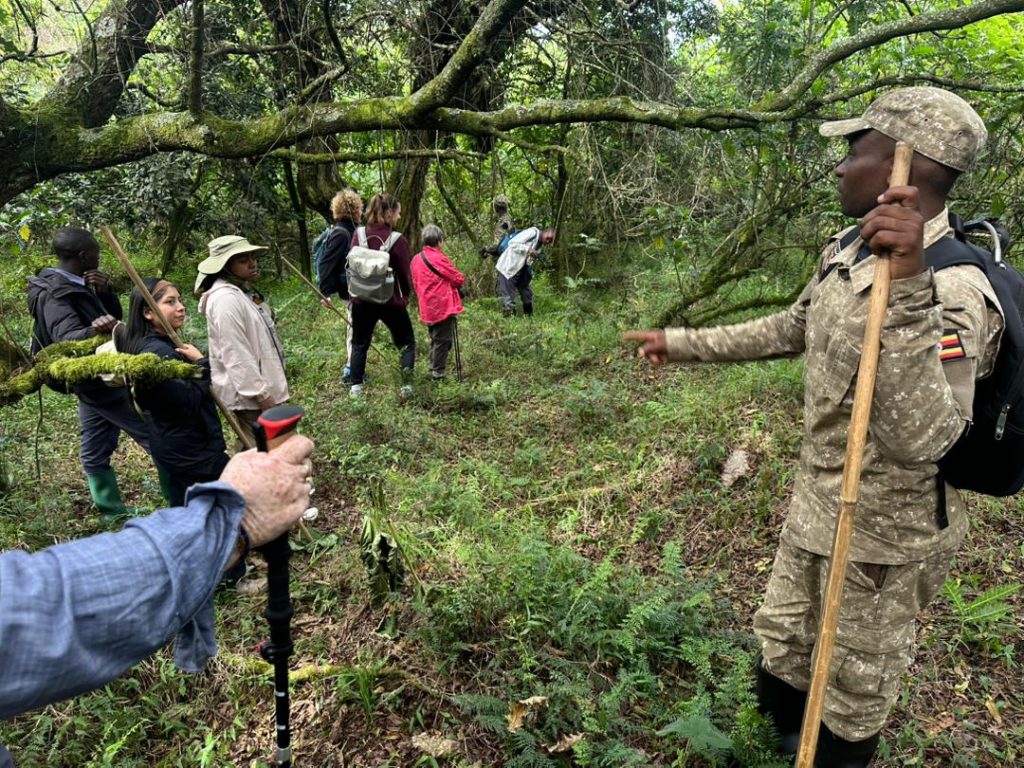
Gorilla Trekking Permit Booking in Uganda. Gorilla trekking permit booking in Uganda is the first and most important step of any mountain gorilla safari. Without a permit, nobody is allowed to enter the forest to meet the gorillas, no matter how far they have travelled. Permits are limited, they sell out months ahead in the busy seasons, and the rules around prices, seasons and rescheduling change from time to time. Knowing how the system works before you book saves you money, stress and disappointment.
At Kenlink Tours and Travel, we have been booking gorilla permits and running gorilla safaris in Uganda for years. In this guide we explain everything you need to know: current permit prices, the new low-season discounts, where you can trek, how the booking process works step by step, what your permit includes, the rules on the day, and our best tips for securing the date and gorilla family you want.
What Is a Gorilla Trekking Permit?
A gorilla trekking permit is an official document issued by the Uganda Wildlife Authority (UWA). It gives one person the right to track one habituated mountain gorilla family on one specific date, in one specific sector of a national park. Once you find the gorillas, you are allowed to spend up to one hour with them.
Permits exist for three main reasons. First, they protect the gorillas. Mountain gorillas are endangered and can catch human illnesses, so the number of visitors per family each day is strictly limited. Second, they protect the quality of your experience, because small groups mean a calm and personal encounter. Third, permit fees fund conservation: ranger salaries, anti-poaching patrols, veterinary care and community projects around the parks. A share of the revenue goes to communities living next to the forest, which gives local people a real reason to protect the gorillas.
Each habituated gorilla family can be visited by a maximum of eight trekkers per day. With a limited number of families open to tourism, the daily total of permits is fixed. That is why early gorilla trekking permit booking in Uganda is so important.
Why Choose Uganda for Gorilla Trekking?
Mountain gorillas live in only three countries in the world: Uganda, Rwanda and the Democratic Republic of Congo. Uganda is home to roughly half of the world’s remaining mountain gorillas, and it offers more habituated families than anywhere else. That means more choice of trekking dates and locations.
Uganda is also the best value for money. A standard Uganda gorilla permit costs far less than a permit in Rwanda, where the price is much higher. For many travellers, the saving on the permit alone pays for several extra days of safari. You can use those days to add chimpanzee tracking, game drives or a boat cruise. Our guide to Uganda explains why the “Pearl of Africa” is one of the most rewarding safari countries on the continent.
Finally, Uganda has variety. In one trip you can trek gorillas in Bwindi, track chimpanzees in Kibale, look for tree-climbing lions in Queen Elizabeth National Park, and watch the Nile thunder through Murchison Falls. Few countries offer so much in such a compact area.
Uganda Gorilla Permit Prices for 2026–2027
Gorilla permit prices are set by the Uganda Wildlife Authority and are the same in both gorilla parks, Bwindi and Mgahinga. The current standard rates are:
| Visitor category | Standard permit (high season) | Low-season permit (April, May, November) |
|---|---|---|
| Foreign non-residents | USD 800 | USD 600 |
| Foreign residents (holding a valid East African work or residence permit) | USD 700 | USD 500 |
| Rest of Africa (citizens of African countries outside the East African Community) | USD 500 | USD 500 |
| East African citizens | UGX 300,000 | UGX 300,000 |
Important: UWA can revise its tariffs, and some details of the newest tariff are still being confirmed by operators. Always check the latest price with us before you pay. We confirm the current rate in every quote we send.
Most international visitors fall under the foreign non-resident category. If you live and work in Uganda or another East African country and hold a valid permit, you qualify for the resident rate and will need to show proof when booking and again at the park.
The New Low-Season Gorilla Permits Explained
One of the biggest recent changes is the return of discounted low-season gorilla permits. For treks in April, May and November, foreign non-residents pay USD 600 instead of USD 800, and foreign residents pay USD 500 instead of USD 700. UWA introduced the discount to encourage travel during the quieter, wetter months.
Low-season trekking has real advantages beyond the saving:
- Better availability. It is much easier to get permits for your preferred date and sector, even at short notice.
- Fewer visitors. Lodges and trails are quieter, so the experience feels more personal.
- Lush scenery. The forest is at its greenest, and it is a great time for birding and photography.
- Lower lodge rates. Many lodges offer low-season discounts too, which brings the total safari cost down further.
There are some trade-offs. Trails can be muddy and slippery, and afternoon showers are common, so good boots and rain gear are essential. Also note that the discounted low-season permits may come with stricter conditions than standard permits, such as full payment at the time of booking and limited or no rescheduling. We explain the exact terms when we quote, so you can choose with confidence.
Gorilla Habituation Experience Permits
If one hour with the gorillas does not feel like enough, consider the Gorilla Habituation Experience. It is offered only in Bwindi’s southern Rushaga sector. Instead of visiting a fully habituated family, you join researchers and trackers working with a family that is still getting used to people. You can spend up to four hours with the gorillas.
Habituation permits are much more limited (only a handful per family per day) and more expensive than standard permits. The rate has been USD 1,500 for foreign non-residents, and operators report an increase to USD 1,800 under UWA’s new tariff. The experience is longer and more physically demanding, but many travellers call it the highlight of their lives. If you are interested, book as early as possible, because these permits are among the hardest to get in Africa.
Where Can You Trek Gorillas in Uganda?
Uganda has two parks with mountain gorillas: Bwindi Impenetrable National Park and Mgahinga Gorilla National Park. Both are in the far southwest of the country, close to the borders with Rwanda and the DRC.
Bwindi Impenetrable National Park
Bwindi Impenetrable National Park is Uganda’s most famous gorilla destination and a UNESCO World Heritage Site. It is an ancient, misty rainforest of steep ridges and deep valleys, and it holds most of Uganda’s habituated gorilla families. Bwindi is divided into four trekking sectors, and your permit is issued for one specific sector:
- Buhoma (north): the original trekking sector, with easy access, a good range of lodges, and a lively community with cultural walks. It is a good choice for first-time visitors.
- Ruhija (east): higher altitude and cooler, with fewer visitors. It is excellent for birders, as it is close to the Mubwindi Swamp trail.
- Rushaga (south): the sector with the most gorilla families and the only place for the habituation experience. It is convenient for travellers coming from Kigali.
- Nkuringo (south-west): dramatic views over the Virunga volcanoes, but the trekking is often steep and demanding.
Choosing the right sector matters. It affects your driving time, your choice of lodge and how hard your trek is likely to be. When you book with us, we match the sector to your itinerary, fitness and budget, so you don’t end up with a permit in Nkuringo when your lodge is three hours away in Buhoma.
Mgahinga Gorilla National Park
Mgahinga Gorilla National Park is Uganda’s smallest national park and part of the Virunga Conservation Area, which it shares with Rwanda and the DRC. It has one habituated gorilla family, the Nyakagezi group. With so few permits, you need to book early. Mgahinga also offers golden monkey tracking, volcano hikes and the Batwa Trail, a cultural experience led by the Batwa, the forest’s original people. Our 4-day golden monkey and gorilla trekking safari is a great way to combine both primates.
How Gorilla Trekking Permit Booking in Uganda Works
Gorilla permits are issued only by the Uganda Wildlife Authority, and international (foreign non-resident) permits are reserved through licensed tour operators. In practice, almost every visitor books through an operator, because the operator checks live availability, holds the permits, plans the logistics and stays in contact with the park on your behalf. A trusted, licensed operator is the safest way to make sure your permit is genuine and correctly dated.
Here is how the booking process works with Kenlink Tours:
Step 1: Choose Your Dates and Itinerary
Decide when you want to travel and how long you have. Gorilla trekking can be done as a short trip of two or three days or as part of a longer safari. If you are short on time, our 3-day Uganda gorillas safari or 3 days best of Uganda gorilla safari are popular choices. If you have more time, see our full range of Uganda safari tours. Have one or two backup dates in mind in case your first choice is sold out.
Step 2: Contact Us for Availability
Send us your preferred dates, the number of travellers, their nationality or residency status, and the sector you prefer, if you have one. You can reach us through our contact page. We check live permit availability with UWA and reply quickly with the options, usually within a few hours.
Step 3: Receive Your Quote and Itinerary
We send a clear quote that includes the permit, transport, accommodation, meals and any other activities. We also send a day-by-day itinerary. You can book the permit alone, but most travellers prefer a complete package so that transport and lodges match the permit date and sector.
Step 4: Pay to Secure the Permit
Permits are only confirmed once they are paid for. UWA does not hold unpaid permits for long, especially in peak season, so prompt payment is essential. We will tell you exactly what is due and when, and we accept secure payment methods such as bank transfer and card payment. Please read our terms and conditions for details on deposits, balances and cancellations.
Step 5: Share Your Passport Details
Each permit is issued in the traveller’s name, so we need a clear copy or the details of each passport. Make sure the name matches exactly the name in the passport you will carry on the trip. If you are booking at the resident rate, we also need a copy of your work or residence permit.
Step 6: Get Your Confirmation
Once UWA issues the permits, we send you confirmation. On the trekking day, your guide carries the permits and handles the check-in at the park office. All you need to bring is your passport, your gear and plenty of excitement.
When Should You Book Your Gorilla Permit?
The short answer is: as early as you can. As a guide:
- Peak season (June to September and December to February): book 6 to 12 months ahead, especially for July, August and the Christmas period.
- Shoulder months (March and October): book 3 to 6 months ahead.
- Low season (April, May and November): permits are easier to find, and bookings a few weeks ahead are often possible. Still, earlier is better if you want a specific sector.
- Habituation and Mgahinga permits: book as early as possible in any season, because numbers are very limited.
- Groups: if you are travelling as a family or group of four or more and want to trek together with the same gorilla family, book well in advance. Take a look at our group tours for ideas.
Last-minute permits do sometimes become available, especially in the low season. If your dates are flexible, ask us and we will check what is open.
What Does a Gorilla Permit Include?
Your gorilla trekking permit covers:
- Park entry for the day of your trek
- A briefing by UWA rangers at the park headquarters
- A trek with experienced UWA ranger guides and armed escorts
- Up to one hour with a habituated mountain gorilla family once you find them
- A contribution to gorilla conservation and to local communities around the park
- A gorilla trekking certificate after your trek
The permit does not include transport to the park, accommodation, meals, porters, tips or a walking stick (sticks are often provided free at the start). That is why most people book a full package that bundles everything together.
Who Can Trek Gorillas? Rules and Requirements
To protect both the gorillas and visitors, UWA has clear rules:
- Minimum age: you must be at least 15 years old to trek gorillas.
- Health: you must not trek if you have a cold, flu, diarrhoea or any infectious illness. Gorillas share about 98% of their DNA with humans and can catch our diseases. If a ranger judges you too sick to trek on the day, UWA policy has generally allowed a partial refund, but this is not guaranteed, so travel insurance is strongly recommended.
- Group size: a maximum of eight visitors per gorilla family per day.
- Distance: keep at least 7 metres (about 21 feet) from the gorillas, and wear a face mask when asked.
- Behaviour: speak quietly, don’t eat or drink near the gorillas, don’t use flash photography, and never touch them, even if a curious youngster comes close.
- Time: one hour with the gorillas, strictly timed by the rangers.
If a large silverback charges or vocalises, stay calm, crouch down slowly, avoid direct eye contact and follow your ranger’s instructions. Charges are usually bluffs, and the rangers know each gorilla individually.
A Typical Gorilla Trekking Day
Your day starts early, with breakfast around 6:00 to 6:30 am. Your guide drives you to the park headquarters of your sector for check-in by 7:30 am. Rangers give a briefing on the rules and assign visitors to gorilla families, often matching fitness levels to how far the family is expected to be.
The trek begins around 8:00 am. Advance trackers set off earlier to find where the gorillas nested the night before, and they guide your group by radio. Depending on where the family is, the trek can take anywhere from 30 minutes to six hours or more. Paths can be steep, muddy and covered in thick vegetation. Hiring a local porter (for around USD 15 to 20) is a great idea. They carry your bag, help you on steep slopes, and earn an important income for their families.
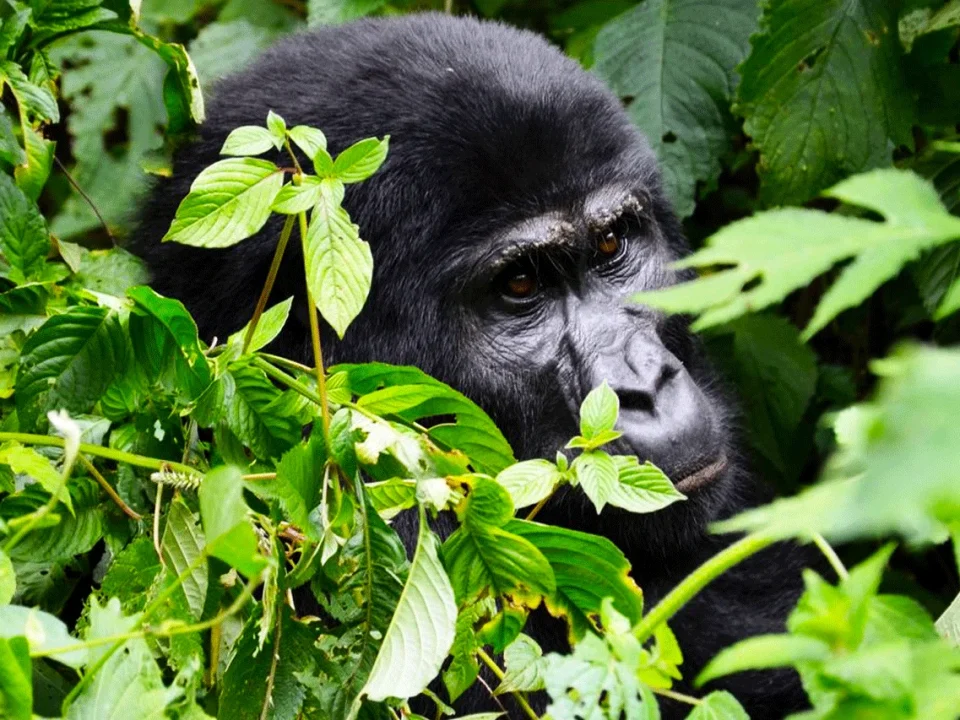
When you find the gorillas, the magic begins. You watch the silverback, mothers nursing babies, and juveniles playing and tumbling through the vines. After your hour, you trek back, receive your certificate and return to your lodge with memories that last a lifetime.
Best Time to Go Gorilla Trekking in Uganda
Gorilla trekking is possible all year round. Uganda’s seasons are roughly:
- Dry seasons (June to September and December to February): drier trails and easier hiking, but high demand for permits and lodges.
- Wet seasons (March to May and October to November): more rain and muddier trails, but fewer crowds, greener forest and, in April, May and November, discounted permits.
Bwindi is a rainforest, so rain can fall in any month. Whatever the season, pack waterproof gear. If you are flexible with your budget, the low season offers excellent value. If comfort on the trail is your priority, aim for the dry months.
How to Get to the Gorilla Parks
You have two main options to reach Bwindi and Mgahinga:
From Entebbe or Kampala: the drive to Bwindi takes about 8 to 10 hours, usually with a stop at the Equator. Many travellers break the journey with a night near Lake Mburo or include it in a longer safari through Queen Elizabeth National Park. Domestic flights from Entebbe to airstrips near Bwindi (Kihihi or Kisoro) are also available for those who want to save time.
From Kigali, Rwanda: this is often the quickest route. Southern Bwindi (Rushaga and Nkuringo) and Mgahinga are only about 4 to 5 hours from Kigali by road, crossing the border at Katuna or Cyanika. This lets travellers combine Rwanda’s convenient international airport with Uganda’s lower permit price. Our 2 days Uganda gorilla safari starting from Kigali and 3 days Bwindi gorilla safari starting from Kigali are designed exactly for this. For an even quicker trip, see this 1-day Uganda gorilla safari from Kigali, or a 3-day Uganda gorilla safari from Rwanda.
Whichever route you choose, a comfortable 4×4 vehicle and an experienced driver-guide make all the difference on Uganda’s rural roads. See our safari fleet and car hire options.
How Much Does a Full Uganda Gorilla Safari Cost?
The permit is the biggest single cost, but it is not the only one. A complete trip includes transport, accommodation, meals, park guides, porters and tips. As a rough guide per person:
- Budget: simple lodges and shared costs, starting from a little over the permit price plus transport for a short 3-day trip.
- Mid-range: comfortable lodges with good food and views. This is the most popular choice.
- Luxury: exclusive lodges with spa treatments, gourmet dining and private service.
The total depends on the length of the trip, the number of travellers sharing the vehicle, the season and the lodge level. Travelling in the low season with a discounted permit, or in a larger group that shares transport costs, brings the price per person down a lot. For a fixed-date option, check our scheduled departure safaris. We always send a transparent, itemised quote, so you know exactly what you are paying for.
Popular Gorilla Safaris That Include Your Permit
Most travellers combine gorilla trekking with other Uganda highlights. Here are some of our favourite itineraries, all with permits booked and handled by us:
- 5 days gorilla and chimpanzee tour in Uganda: meet both great apes in Kibale and Bwindi.
- 5 days gorilla and wildlife safari: gorillas plus game drives in Queen Elizabeth National Park.
- 4 days Uganda cultural and gorilla tour: combine gorilla trekking with local community experiences.
- 7 days amazing gorilla and wildlife safari: a relaxed week covering primates, savannah wildlife and scenery.
- 8-day Uganda gorilla, chimpanzee and wildlife safari: the complete Uganda primate and wildlife experience.
- 5 days Uganda–Rwanda double gorilla safari: trek gorillas in both countries on one trip.
Want to add chimpanzees? Our 3 days chimp tracking safari to Kibale National Park pairs perfectly with a gorilla trek. You can read more about Kibale Forest National Park, the primate capital of East Africa. For a longer primate and wildlife adventure, this 10-day Uganda primates and wildlife safari shows how much you can see in under two weeks, and you can compare more gorilla safari options or a classic 3-day Uganda gorilla safari.
Uganda vs Rwanda Gorilla Permits
Many travellers compare Uganda with Rwanda. Rwanda’s Volcanoes National Park is easy to reach from Kigali and offers excellent trekking, but its permit costs significantly more than Uganda’s. Uganda gives you more gorilla families, more sectors to choose from, the unique habituation experience, and a much lower permit price, especially with the USD 600 low-season rate.
The choice depends on your priorities. If time is extremely tight and budget is not a concern, Rwanda’s short transfers are attractive. If value, choice and a wilder forest experience matter most, Uganda is hard to beat. Many travellers do both. See our Rwanda safaris, including the 3 days Rwanda gorilla safari, if you want to compare.
Rescheduling, Cancellations and Refunds
Gorilla permits are fixed to a specific date, sector and person, so plan carefully. UWA’s policies on rescheduling and refunds are stricter than most travel bookings, and discounted low-season permits may be stricter still. Key points to understand:
- Permits are generally non-transferable to another person.
- Rescheduling may be possible for standard permits, subject to availability and UWA’s conditions, but it is never guaranteed.
- Refunds for cancellations depend on how far ahead you cancel, and late cancellations may not be refunded at all.
- If the park closes or the trek cannot take place for reasons beyond your control, UWA will advise on the options.
We always explain the current conditions before you pay. We also strongly recommend comprehensive travel insurance that covers trip cancellation, illness and medical evacuation.
What to Pack for Gorilla Trekking
- Waterproof hiking boots with good grip
- Long trousers and a long-sleeved shirt (to protect against nettles and insects)
- A lightweight rain jacket
- Gardening gloves for gripping branches and vines
- A small daypack with water and snacks
- Insect repellent and sunscreen
- A camera with spare batteries (no flash)
- A face mask, as rangers may ask you to wear one near the gorillas
- Your passport, which is needed for check-in at the park
- A yellow fever vaccination certificate, which is required to enter Uganda
Common Gorilla Permit Booking Mistakes to Avoid
- Booking flights before the permit. Secure your gorilla permit first, then book international flights around it.
- Booking with unlicensed sellers. Only use a registered, licensed tour operator. Fake or wrongly dated permits do happen.
- Choosing a sector far from your lodge. Make sure your accommodation is close to the sector on your permit.
- Misspelling names. The name on the permit must match your passport.
- Leaving it too late. In peak months, permits can sell out months in advance.
- Ignoring fitness. Treks can be long and steep, so a little preparation goes a long way.
- Skipping travel insurance. Permits are expensive and refund rules are strict.
Why Book Your Gorilla Permit with Kenlink Tours?
Booking a gorilla permit is simple when you work with people who do it every day. Here’s why travellers trust us:
- Licensed and experienced: we are a registered Ugandan tour operator, and we work directly with the Uganda Wildlife Authority.
- Live availability: we check real-time permit availability and confirm quickly.
- Expert advice on sectors: we match the right sector and gorilla family to your fitness, route and lodge.
- Complete packages: permits, transport, lodges and guides are all coordinated, with no gaps.
- Experienced driver-guides: friendly professionals who know the parks, the wildlife and the roads.
- Transparent pricing: clear quotes with no hidden costs.
- Responsible travel: we support conservation and local communities. Learn more about us.
Frequently Asked Questions About Gorilla Permits in Uganda
How much is a gorilla permit in Uganda?
A standard gorilla trekking permit costs USD 800 for foreign non-residents, USD 700 for foreign residents, USD 500 for other African citizens, and UGX 300,000 for East African citizens. In April, May and November, foreign non-residents pay USD 600 and foreign residents USD 500.
Can I book a gorilla permit myself?
Permits are issued by the Uganda Wildlife Authority, but international visitors’ permits are reserved through licensed tour operators. Booking through a trusted operator is the easiest and safest way to secure a genuine permit and to coordinate transport and accommodation.
How far in advance should I book?
For peak season (June to September and December to February), book 6 to 12 months ahead. For the low season, a few weeks to a few months is often enough.
How long do I spend with the gorillas?
Standard trekking gives you up to one hour with the gorillas. The Gorilla Habituation Experience in Rushaga allows up to four hours.
What is the minimum age for gorilla trekking?
You must be at least 15 years old.
Is gorilla trekking difficult?
It can be. Treks range from under an hour to more than six hours over steep, muddy terrain. Average fitness is enough for most people, and porters and walking sticks make it easier.
Am I guaranteed to see gorillas?
Sightings are not officially guaranteed, but success rates in Uganda are very high, above 95%, because trackers follow the families every day.
Which is better: Bwindi or Mgahinga?
Bwindi has many more gorilla families and four sectors, so availability is better. Mgahinga has one family but offers golden monkeys, volcano hikes and the Batwa Trail. Both offer an unforgettable experience.
Start Planning Your Gorilla Trek Today
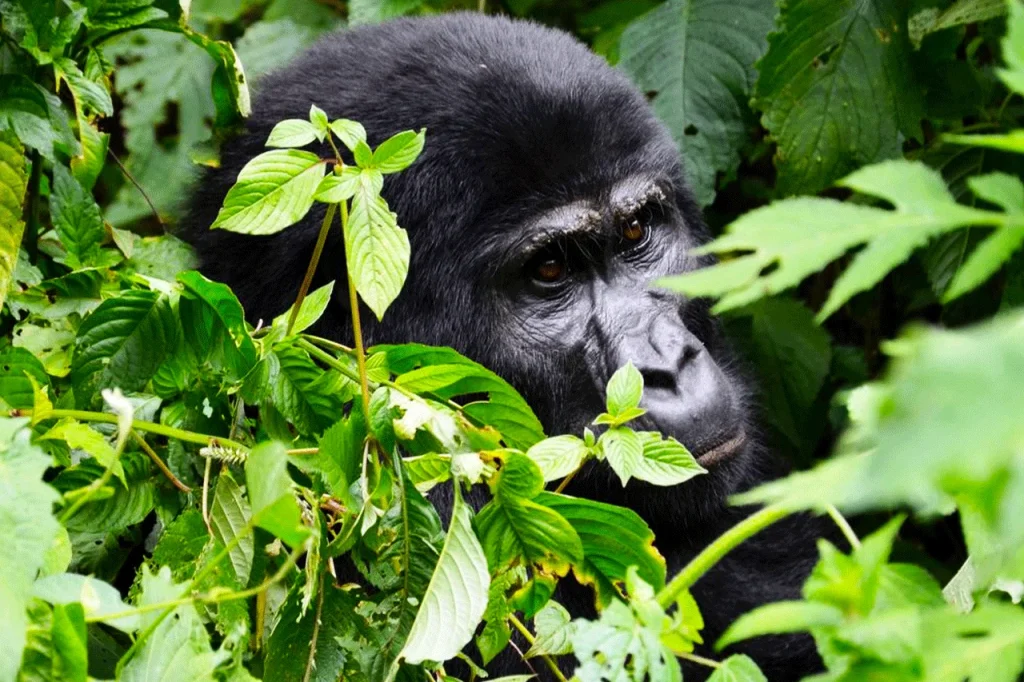
Meeting mountain gorillas in the wild is one of the most moving wildlife experiences on Earth. Looking into the eyes of a silverback in the misty forests of Bwindi is something you will never forget. The key to making it happen is simple: plan early, choose the right sector, and book through an experienced, licensed operator.
Let Kenlink Tours handle your gorilla trekking permit booking in Uganda from start to finish. Tell us your dates and we will check availability, recommend the best sector and lodge for you, and design a safari around your dream encounter. Contact us today to secure your gorilla permit before your dates sell out.