- EXPERT'S HELP
- +256789210067
- +256200955001
- info@kenlinktours.com


How much is gorilla tour in Uganda from Kampala
October 12, 2026
How much is a city tour in Kampala
October 12, 2026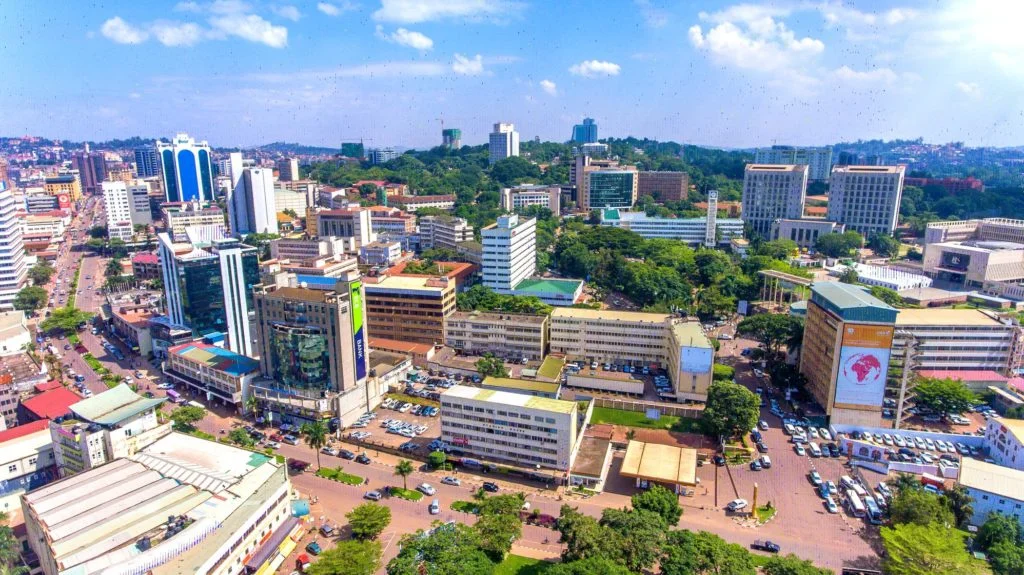
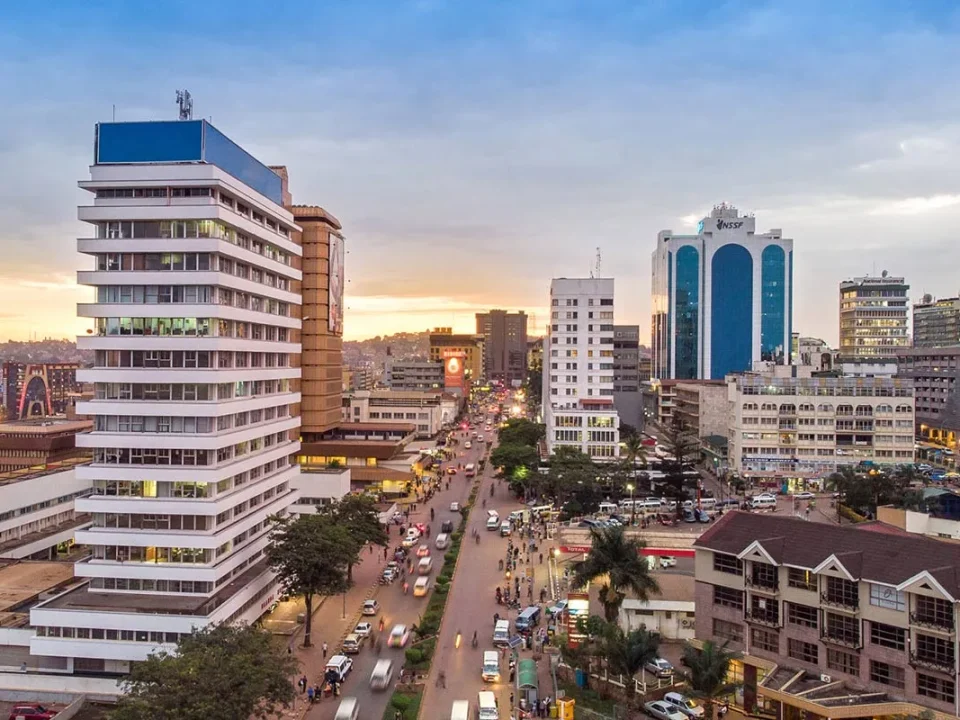
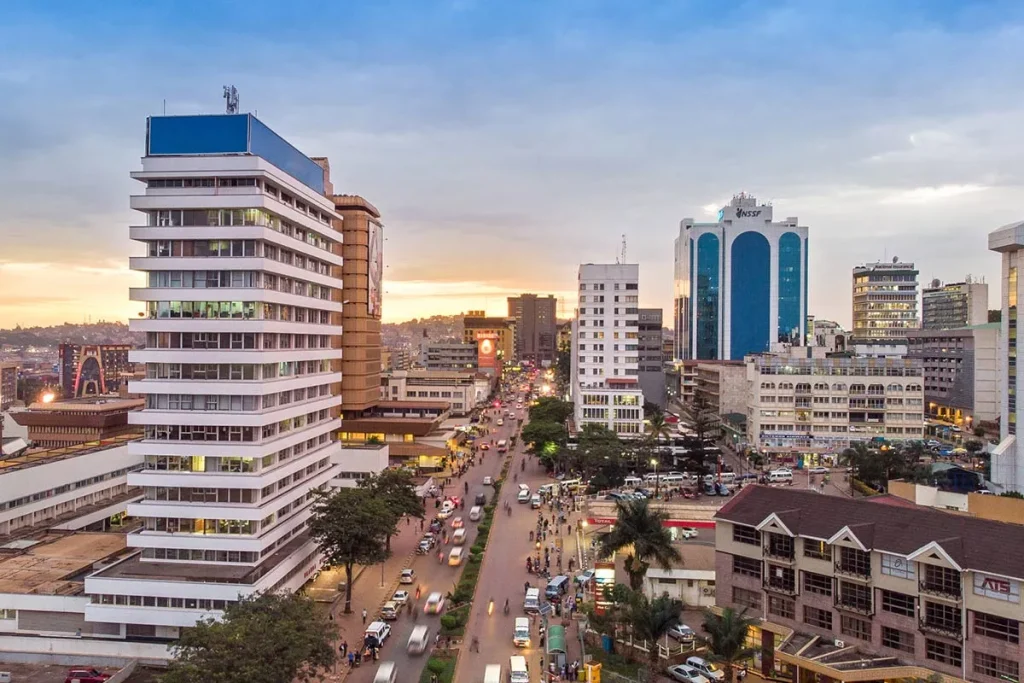
Kampala City Tour Experiences. Kampala is a city that wakes up early and never seems to slow down. Built across a series of green hills overlooking Lake Victoria, Uganda’s capital is a lively mix of royal history, religious landmarks, bustling markets, colourful street food, music and some of the friendliest people you will meet anywhere in Africa. Many visitors pass through Kampala on their way to the gorillas or the national parks, but those who stop for a day or two discover a city full of stories.
A guided Kampala city tour is the best way to make sense of it all. In a single day you can visit the tombs of the Buganda kings, climb the minaret of one of Africa’s largest mosques, stand where the Uganda Martyrs gave their lives, wander through the chaos of Owino Market, taste a freshly made rolex and watch the sun set over the city’s seven hills.
At Kenlink Tours, our Kampala-based guides know the city inside out. In this guide, we share the top attractions to include on a Kampala city tour, sample itineraries for half-day and full-day tours, walking, food and boda boda options, practical tips, costs, and how to combine a city tour with a Uganda safari.
Why Take a Kampala City Tour?
Kampala can feel overwhelming at first. Traffic jams, honking boda bodas, crowded markets and a maze of hills and roundabouts make it a hard city to navigate alone, especially on a short visit. A guided city tour solves this. Your guide handles the driving, knows the best times to visit each site, explains the history and culture behind every landmark, and takes you to places you would never find on your own.
A city tour is also the perfect introduction to Uganda. You learn about the Buganda Kingdom, the arrival of Christianity and Islam, the colonial era, independence and the turbulent years that followed. This background brings the rest of your trip to life, whether you are heading to the gorillas of Bwindi or the savannah of Murchison Falls.
Finally, Kampala tours are flexible. They fit perfectly into arrival days, departure days, layovers, business trips or a free weekend for people living in Uganda. To learn more about the country before you visit, read our overview about Uganda.
A Brief History of Kampala: The City of Seven Hills
Kampala’s name comes from the Luganda phrase kasozi k’empala, meaning “hill of the impala”, after the antelopes that once grazed the area where the British colonial administration built its first fort. Long before that, the area was the heart of the Buganda Kingdom, whose kings (the Kabakas) moved their capitals between the hills around today’s city.
Kampala is traditionally said to be built on seven hills, each with its own character and history. Kasubi is home to the royal tombs; Mengo hosts the Kabaka’s palace; Rubaga is crowned by the Catholic cathedral; Namirembe by the Anglican cathedral; Kibuli by one of the oldest mosques; Old Kampala by the National Mosque; and Nakasero by government buildings and the city’s busiest markets. Today the city has spread across many more hills, but the original seven remain the backbone of any Kampala city tour.
Kampala became the capital of Uganda at independence in 1962, replacing Entebbe, and has since grown into a bustling metropolis of several million people.
Kasubi Tombs: The Resting Place of Buganda’s Kings
The Kasubi Tombs are the most important cultural site in Kampala and a UNESCO World Heritage Site. The main building, known as Muzibu Azaala Mpanga, is a magnificent thatched structure built from wood, reeds, bark cloth and grass, housing the tombs of four Kabakas of Buganda.
The tombs are a living religious and cultural centre, cared for by the widows and descendants of the kings. In 2010, the main building was badly damaged by fire, and it has since been carefully reconstructed using traditional materials and skills passed down through generations. A visit offers a fascinating insight into Buganda’s royal traditions, clan system and spiritual beliefs. Visitors are asked to remove their shoes before entering, and women are expected to dress modestly, with skirts or wraps provided if needed.
Uganda National Mosque (Gaddafi Mosque)
Perched on Old Kampala Hill, the Uganda National Mosque, still widely known as the Gaddafi Mosque after the former Libyan leader who funded its completion, is one of the largest mosques in Africa. Its beautiful interior features stained glass, intricate carpets and chandeliers, and it can host thousands of worshippers.
The highlight of any visit is the climb up the mosque’s minaret. After around 270 steps, you are rewarded with the best panoramic views in Kampala: a sweeping 360-degree vista of the city’s hills, cathedrals, skyscrapers and Lake Victoria in the distance. Guides at the mosque explain the history of Islam in Uganda. Visitors must dress modestly, and women are provided with headscarves and wraps at the entrance.
Namugongo Uganda Martyrs’ Shrines
About 15 kilometres east of the city centre, Namugongo is one of the most important pilgrimage sites in Africa. It commemorates the Uganda Martyrs, a group of young Christian converts who were executed between 1885 and 1887 on the orders of Kabaka Mwanga II for refusing to renounce their faith. Many of them were burned alive at Namugongo.
The Catholic Basilica, built in the shape of a traditional African hut, stands on the spot where St. Charles Lwanga was martyred, while the nearby Anglican shrine tells the story of the Anglican martyrs. Every year on 3 June, Martyrs’ Day, millions of pilgrims from across Uganda and neighbouring countries, many of whom walk for days, gather at Namugongo. Pope Paul VI, Pope John Paul II and Pope Francis have all visited the shrine. Even for non-religious visitors, Namugongo is a deeply moving place.
Mengo Palace (Lubiri) and the Idi Amin Torture Chambers
The Lubiri, or Mengo Palace, is the official residence of the Kabaka of Buganda. Built in the 1880s and rebuilt over the years, the palace sits on Mengo Hill and is connected to the Bulange, Buganda’s parliament building, by a straight, ceremonial road known as Kabaka Anjagala (“the King loves me”) or the Royal Mile.
The palace has a darker history too. In 1966, government forces attacked the palace, forcing Kabaka Mutesa II into exile, and the site was later turned into an army barracks. During Idi Amin’s regime in the 1970s, underground chambers in the palace grounds were used as a prison and torture site. Today, visitors can see these chambers, where the walls still bear the writings of prisoners. It is a sobering but important stop that explains a painful chapter in Uganda’s history.
The Bulange: Buganda’s Parliament
The Bulange is the administrative headquarters and parliament of the Buganda Kingdom. Its grand colonial-era architecture, with a large clock tower and fountain, makes it one of Kampala’s most photographed buildings. Guided tours explain how the kingdom’s traditional government works alongside Uganda’s national government, the role of the Lukiiko (parliament), and the symbols of Buganda’s 50-plus clans.
Standing at the Bulange and looking down the Royal Mile towards the Lubiri is one of the classic moments on a cultural tour of Kampala.
Rubaga and Namirembe Cathedrals
Kampala’s religious history is written across its hills. On Rubaga Hill stands St. Mary’s Cathedral, the seat of the Catholic Archdiocese of Kampala. Completed in the 1920s, its Romanesque architecture and stained-glass windows depicting the Uganda Martyrs make it a beautiful place to visit. The cathedral grounds also hold the tomb of Uganda’s first African bishop and the remains of the first African Cardinal.
On the neighbouring Namirembe Hill, St. Paul’s Cathedral is the oldest cathedral in Uganda and the seat of the Anglican Church of Uganda. Its red-brick domed structure offers excellent views over the city, and the cemetery contains the graves of early missionaries and notable Ugandans. Visiting both cathedrals helps you understand the historic rivalry and later cooperation between Catholic and Protestant missions in Buganda.
Uganda Museum: East Africa’s Oldest Museum
Founded in 1908, the Uganda Museum on Kira Road is the oldest museum in East Africa. Its collections cover Uganda’s natural history, archaeology, ethnography and science, including traditional musical instruments, hunting tools, royal regalia, fossils and cultural artefacts from communities across the country.
One highlight is the collection of traditional instruments, some of which visitors can try. The museum’s outdoor area features replicas of traditional homesteads from different Ugandan regions, giving a vivid sense of the country’s cultural diversity. It is an excellent stop for families and history lovers.
Bahá’í House of Worship on Kikaya Hill
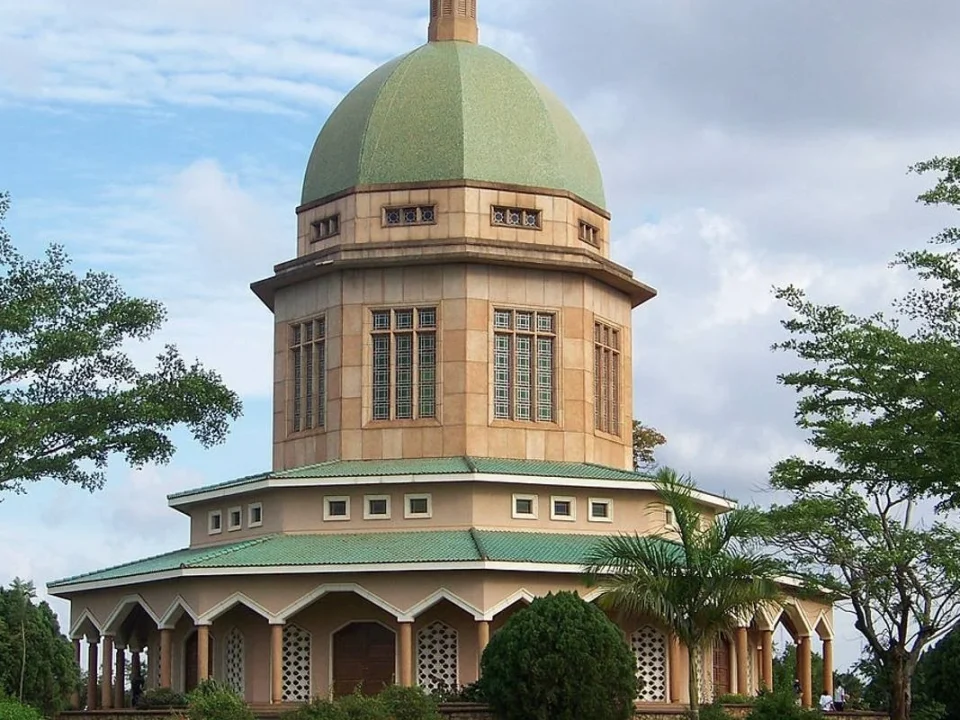
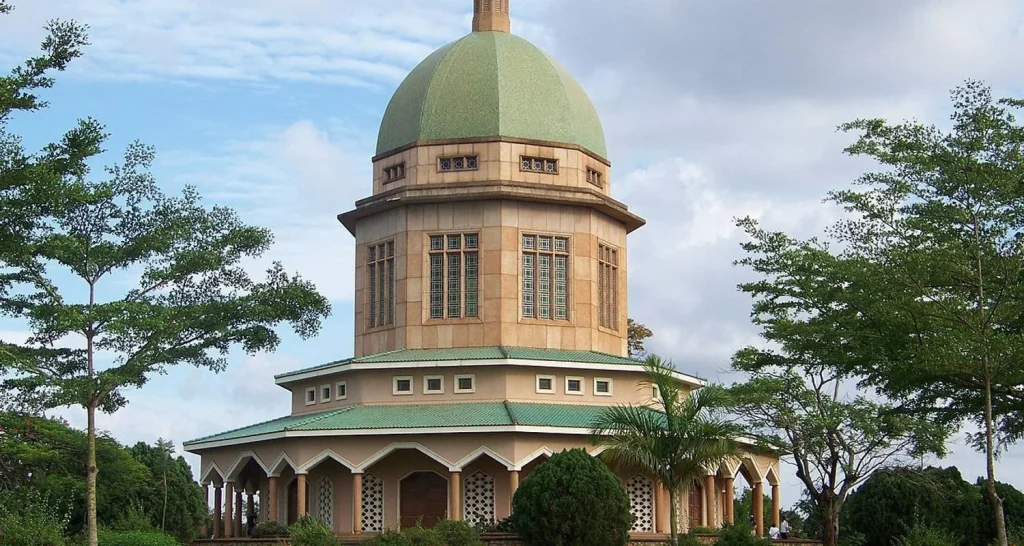
On Kikaya Hill, a short drive north of the city centre, stands the Bahá’í House of Worship, the Mother Temple of Africa. Completed in 1961, its green-domed temple sits within peaceful, beautifully landscaped gardens that offer a quiet retreat from Kampala’s noise. The temple is open to people of all faiths for prayer and reflection, and its grounds provide lovely views over the surrounding hills.
It is a favourite stop for travellers looking for a calm moment during a busy city tour.
Kampala’s Markets: Owino, Nakasero and Craft Villages
No Kampala city tour is complete without diving into the city’s markets, where daily life unfolds in full colour.
Owino Market (St. Balikuddembe Market) is one of the largest markets in East Africa, a sprawling maze of stalls selling everything from second-hand clothes and shoes to kitchenware, fabrics, spices and electronics. It is noisy, crowded and exhilarating. Go with a guide, keep valuables secure, and be ready to bargain.
Nakasero Market is Kampala’s best-known food market, overflowing with tropical fruits, vegetables, spices, fresh fish and grains. It is a great place to taste jackfruit, passion fruit, sweet bananas and pineapples, and to learn about Ugandan ingredients.
For souvenirs, Kampala’s craft markets and villages sell bark cloth, woven baskets, wooden carvings, jewellery made from paper beads, batik paintings, drums and kitenge fabrics. Buying directly from artisans supports local livelihoods.
Ndere Cultural Centre: Uganda’s Music and Dance
For an unforgettable evening, head to the Ndere Cultural Centre in Ntinda, home of the famous Ndere Troupe. The troupe performs traditional music and dance from Uganda’s many ethnic groups, accompanied by drums, flutes, xylophones and string instruments. The show is energetic, colourful and often interactive, with audience members invited to join in.
Shows are usually held on selected evenings each week and include a buffet dinner of Ugandan dishes. It is the perfect way to end a full-day city tour and experience Uganda’s cultural diversity in one place.
Lake Victoria: Ggaba, Munyonyo and Sunset Cruises
Kampala’s southern edge touches Lake Victoria, the largest lake in Africa and the main source of the White Nile. A visit to Ggaba landing site offers a glimpse into the busy life of the fishing community, where wooden boats bring in tilapia and Nile perch each morning.
At Munyonyo, you can visit the Munyonyo Martyrs’ Shrine, where the persecution of the Uganda Martyrs began, and enjoy lakeside restaurants and resorts. Boat cruises from Munyonyo and Ggaba explore the lake’s islands and shoreline, with sunset cruises being especially popular. Birdwatchers can spot kingfishers, fish eagles and herons along the shore.
Kampala Food Tours: What to Eat in the City
Ugandan food is hearty, fresh and delicious, and a food tour is one of the most enjoyable ways to experience Kampala. Must-try dishes include:
- Rolex: Uganda’s most famous street food, a chapati rolled with an omelette filled with tomatoes, onions and cabbage. The name comes from “rolled eggs”.
- Matooke: steamed and mashed green bananas, a staple across central and western Uganda, served with groundnut sauce, beans or meat stew.
- Luwombo: a traditional Buganda dish of chicken, beef, fish or groundnut sauce slow-steamed in banana leaves, once reserved for royalty.
- Muchomo: grilled meat skewers sold at roadside stalls in the evenings.
- Kikomando: chapati chopped up and mixed with beans, a student favourite.
- Fresh tropical fruit: pineapples, mangoes, jackfruit, passion fruit and tiny sweet bananas.
Kampala’s food scene also includes excellent Indian, Ethiopian, Italian, Chinese and international restaurants, as well as trendy coffee shops serving world-class Ugandan coffee.
Kampala Walking Tours and Boda Boda Tours
There are several ways to explore Kampala, depending on your energy levels and sense of adventure.
Driving tours in a comfortable private vehicle are the most popular option. Your driver-guide navigates the traffic while you enjoy the sights, and you can cover many attractions in a single day.
Walking tours focus on the city centre, Old Kampala and the markets. They are great for photographers and travellers who want to experience street life up close. Your guide will lead you safely through busy streets and explain the history of buildings and neighborhoods.
Boda boda tours offer the most thrilling way to see Kampala. Riding on the back of a motorcycle taxi with an experienced, licensed rider, you weave through traffic to the city’s hills and viewpoints. Reputable tour operators provide helmets and use trained riders. It is fast, fun and an authentically Kampala experience.
Cycling tours are becoming popular too, particularly in quieter suburbs and around Lake Victoria.
Kampala Nightlife and Entertainment
Kampala is famous across East Africa for its nightlife. Neighbourhoods such as Kololo, Kabalagala, Kisementi and Bugolobi are packed with bars, lounges, live music venues and nightclubs that stay open late, especially on weekends. Many venues host live bands playing Ugandan, Congolese and international music.
For a more relaxed evening, enjoy dinner at a rooftop restaurant with views over the city lights, catch a comedy show, or visit the National Theatre for drama, dance and music performances. As always, travel at night by registered taxi or with your driver, and keep an eye on your belongings.
Sample Half-Day Kampala City Tour Itinerary
If you have only a morning or afternoon, a half-day tour covers Kampala’s highlights efficiently.
- Morning pickup from your hotel in Kampala or Entebbe.
- Kasubi Tombs: Learn about the Buganda kings and their traditions.
- Uganda National Mosque: Climb the minaret for panoramic views over the city.
- Rubaga or Namirembe Cathedral: Explore Kampala’s Christian heritage.
- Drive past the Bulange and Lubiri along the Royal Mile.
- Return to your hotel or continue to the airport.
A half-day tour typically lasts four to five hours, depending on traffic.
Sample Full-Day Kampala City Tour Itinerary
A full-day tour allows a deeper, more relaxed exploration of the city.
- Morning: Visit the Kasubi Tombs, followed by the Uganda Museum.
- Late morning: Tour Mengo Palace and the Idi Amin torture chambers, then the Bulange.
- Lunch: Enjoy a traditional Ugandan lunch of luwombo, matooke and groundnut sauce.
- Afternoon: Climb the minaret of the Uganda National Mosque, then visit Rubaga Cathedral.
- Late afternoon: Explore Owino or Nakasero Market and shop for crafts.
- Evening: Drive to Namugongo Martyrs’ Shrine, or finish with dinner and a cultural show at the Ndere Cultural Centre.
Full-day tours can be customised around your interests, whether you prefer history, religion, food, shopping or photography.
Day Trips from Kampala
If you have extra time, several excellent day trips start from Kampala. The Ziwa Rhino Sanctuary, about three hours north, offers rhino tracking on foot. Mabamba Swamp, near Entebbe, is one of the best places in Africa to see the shoebill stork. Ngamba Island Chimpanzee Sanctuary on Lake Victoria cares for rescued chimpanzees. Jinja, two to three hours east, is home to the Source of the Nile and offers rafting, kayaking and bungee jumping. In Entebbe, visit the Botanical Gardens and the Uganda Wildlife Conservation Education Centre.
For something longer, our 3 Days Queen Elizabeth National Park safari and the 3 Days Safari to Murchison Falls are great short getaways from the capital.
If you enjoy exploring African capitals, Kampala pairs wonderfully with a visit to Rwanda’s capital. Read about Kigali City, often described as one of the cleanest and most welcoming cities in Africa, and a perfect gateway to Rwanda’s gorillas and savannah. You can also browse more short trips on this list of wildlife safaris.
Combining a Kampala City Tour with a Uganda Safari
Most of our guests combine a Kampala city tour with a safari, either at the start of their trip after arriving at Entebbe, or at the end before flying home. It is the perfect way to recover from jet lag or fill a final day before an evening flight.
A city tour pairs naturally with chimpanzee tracking in Kibale. Our 3-Day Chimpanzee Tracking Safari and the 3 Days Chimpanzee Tour in Uganda both start from the capital. You can learn more about the forest in this guide to Kibale Forest National Park.
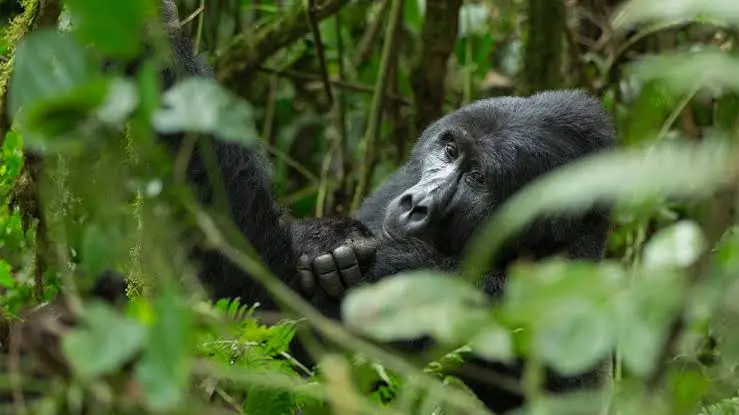
For gorilla lovers, add a city tour before or after our 3-Day Uganda Gorillas Safari or compare it with the 3 Days Uganda Gorilla Safari. Read about the gorillas’ home in this guide to Bwindi Impenetrable National Park.
Longer safaris such as our 5 Days Gorilla and Wildlife Safari, 7 Days Gorilla and Wildlife Safari and 10 Days Best of Primate and Culture can all begin or end with a Kampala city tour. Comparable trips include the 7 Days Uganda Safari – One Week Tour and the 10 Days Uganda Primates and Wildlife. For cultural travellers, our 4 Days Uganda Cultural and Gorilla Tour blends heritage and wildlife beautifully.
To explore the parks you can reach from Kampala, read about Murchison Falls National Park and Queen Elizabeth National Park, or browse all our Uganda safaris.
City Tours for Groups, Schools and Corporate Visitors
Kampala city tours are popular with school groups, university students, church groups, conference delegates and corporate teams. Educational tours focusing on history, religion and culture bring classroom lessons to life, while corporate groups enjoy team outings combining sightseeing, lunch and a cultural show.
Our group tours team can arrange buses or coasters, guides, entrance fees, meals and entertainment for groups of any size. Business travellers attending conferences in Kampala can also book a half-day tour to fit around their meetings.
How Much Does a Kampala City Tour Cost?
The cost of a Kampala city tour depends on the length of the tour, the number of people, the type of transport and the attractions included. A private guided tour includes a vehicle with fuel, a professional guide and pickup from your hotel. Entrance fees to sites such as the Kasubi Tombs, the National Mosque, the Uganda Museum and Mengo Palace are paid separately or included in the package price.
As with safaris, travelling as a group lowers the cost per person, since vehicle and guide costs are shared. Walking and boda boda tours are usually the most affordable options, while full-day private driving tours with lunch and a cultural show cost more. Contact us for a quote tailored to your group and interests, and review our booking policies on the terms and conditions page.
If you prefer to explore at your own pace, our car hire service offers vehicles with experienced drivers who know Kampala’s roads and attractions.
Practical Tips for Your Kampala City Tour
A little preparation goes a long way in Kampala.
Start early. Kampala’s traffic is heaviest in the morning and late afternoon. Starting around 8:00 a.m. helps you reach the first sites before the crowds and congestion build.
Dress modestly. Religious and cultural sites such as the Kasubi Tombs, the National Mosque, cathedrals and Namugongo require modest dress. Cover your shoulders and knees, and be ready to remove your shoes at the tombs and mosque.
Carry small cash. Many markets, street food stalls and craft sellers only accept cash in Uganda shillings, and small notes make bargaining easier. Mobile money is widely used too.
Ask before taking photos. Always ask permission before photographing people, and respect signs prohibiting photography at certain sites and government buildings.
Keep valuables secure. In crowded markets and busy streets, keep phones, wallets and cameras close, and leave unnecessary valuables at your hotel.
Stay hydrated and protected from the sun. Kampala is sunny and warm most of the year. Carry water, a hat and sunscreen.
Use trusted transport. Book registered taxis or travel with your tour driver, especially at night. If you want to ride a boda boda, do so with a reputable tour operator that provides helmets.
Best Time to Visit Kampala
Kampala enjoys a pleasant tropical climate all year, with daytime temperatures usually between 22°C and 28°C, thanks to its altitude of about 1,200 metres. City tours run every day of the year.
The drier months of June to August and December to February are the most comfortable for sightseeing. The rainy seasons, from March to May and October to November, bring heavy afternoon showers, but mornings are often clear, so tours can still go ahead with a flexible schedule.
If you want to experience Kampala at its most vibrant, consider visiting around Martyrs’ Day on 3 June, when pilgrims fill Namugongo, or Independence Day on 9 October, when the city celebrates with parades and festivities. Christmas and New Year also bring a festive atmosphere, with concerts and events across the city.
Why Book Your Kampala City Tour with Kenlink Tours
As a Kampala-based company operating since 2010, we know the city as locals do. Our guides are passionate storytellers who bring Kampala’s history, culture and daily life to life, and our drivers are experts at navigating the city’s busy streets safely. We offer private, flexible tours that can start at any time, with pickup from hotels across Kampala and Entebbe, and we tailor every itinerary to your interests.
Whether you want a quick half-day highlights tour, a full day of culture and food, or a city tour combined with a gorilla or wildlife safari, we will plan every detail for you. Learn more about our team and story on our about us page.
Frequently Asked Questions About Kampala City Tours
How long does a Kampala city tour take?
A half-day tour takes about four to five hours and covers the main highlights. A full-day tour lasts seven to nine hours and includes more attractions, lunch and sometimes an evening cultural show.
What are the top attractions on a Kampala city tour?
The most popular stops are the Kasubi Tombs, the Uganda National Mosque, Namugongo Martyrs’ Shrine, Mengo Palace and the Idi Amin torture chambers, the Bulange, Rubaga and Namirembe Cathedrals, the Uganda Museum, the Bahá’í Temple and Owino Market.
Is Kampala safe for tourists?
Kampala is generally safe for visitors who take normal precautions. Keep valuables secure in crowded areas, use registered transport at night, and travel with a guide in busy markets.
Can I do a Kampala city tour on my arrival or departure day?
Yes. Many travellers take a half-day city tour on arrival or before an evening flight. We can collect you from Entebbe International Airport or your hotel and drop you at the airport afterwards.
What should I wear on a Kampala city tour?
Wear comfortable shoes and light, modest clothing that covers your shoulders and knees, as several sites are religious or cultural. Bring a hat, sunscreen and a light rain jacket during the rainy season.
Can a city tour be combined with a safari?
Absolutely. A Kampala city tour is the perfect start or finish to any Uganda safari, from a 3-day chimpanzee trip to a 10-day primate and wildlife adventure.
Book Your Kampala City Tour Today
Kampala is more than a gateway to Uganda’s national parks. It is a city of kings and martyrs, mosques and cathedrals, markets and music, where centuries of history meet the energy of modern Africa. A guided city tour lets you see it all safely and in comfort, with expert guides who share the stories behind every hill.
Whether you have a few hours, a full day or a free weekend, we will design a Kampala city tour that matches your interests and schedule, and we can combine it with an unforgettable safari to Uganda’s wild places.
Ready to explore Uganda’s capital? Contact Kenlink Tours today to book your Kampala city tour.