- EXPERT'S HELP
- +256789210067
- +256200955001
- info@kenlinktours.com


The Uganda Safaris for People living in Uganda already
October 12, 2026
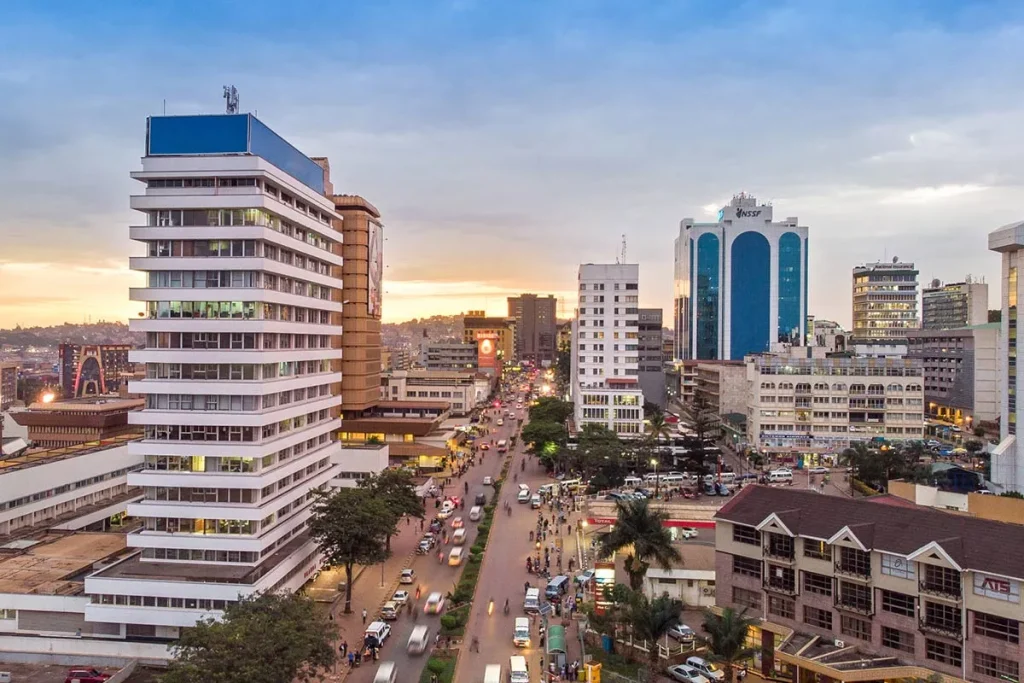
Kampala City Tour Experiences
October 12, 2026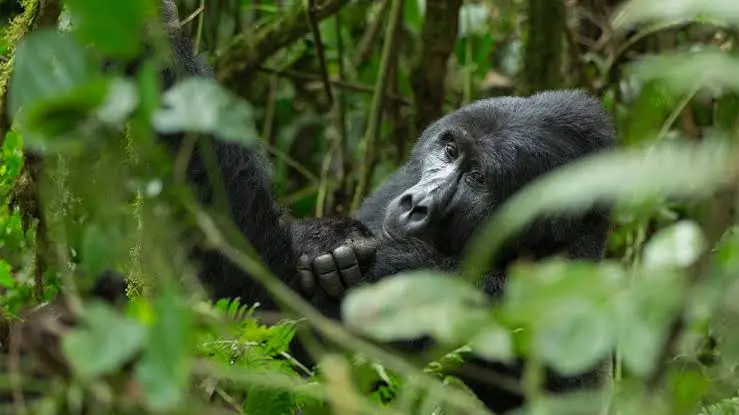
How much is gorilla tour in Uganda from Kampala. Sitting quietly for an hour with a family of wild mountain gorillas is one of the most extraordinary wildlife encounters on earth, and Uganda is the best-value place in the world to experience it. But before you start packing your hiking boots, one question usually comes first: how much is a gorilla tour in Uganda from Kampala?
The honest answer is that it depends on your nationality and residency status, the month you travel, how many days you have, whether you drive or fly, the level of accommodation you choose and how many people share the trip. A budget traveller sharing a vehicle can do it for far less than a couple flying in to a luxury lodge.
At Kenlink Tours, we have organised gorilla tours from Kampala and Entebbe since 2010, and we price dozens of trips every month. In this guide, we break down every cost involved: the gorilla permit, the new low-season discounts, transport, accommodation, meals, tips and extras. We also share sample budgets for 3-day, 4-day, 5-day and 7-day gorilla safaris, compare Uganda with Rwanda, and explain how to save money without compromising your experience.
Quick Answer: What Does a Gorilla Tour from Kampala Cost?
As a general guide, a 3-day gorilla tour from Kampala by road, for two people sharing, typically costs:
- Budget: roughly US$1,300–$1,600 per person
- Mid-range: roughly US$1,600–$2,300 per person
- Luxury: from roughly US$2,500 to well over US$4,000 per person
These figures include the gorilla permit, private 4×4 transport with a driver-guide, fuel, accommodation, meals and park fees for foreign non-residents. Fly-in trips cost more, while East African citizens and foreign residents pay considerably less because of their discounted permit rates. Prices drop per person as group size increases, and travelling in the low-season months of April, May and November can save money on the permit itself.
The single biggest cost is always the gorilla permit, so let us start there.
Uganda Gorilla Permit Prices for 2026 and 2027
Gorilla trekking permits are issued by the Uganda Wildlife Authority (UWA) and allow you to trek with an armed ranger and spend one hour with a habituated gorilla family once you find them. The permit includes park entry for the day of your trek.
The standard gorilla trekking permit prices are:
- Foreign non-residents: US$800 per person
- Foreign residents (expatriates living in Uganda with valid documents): US$700 per person
- East African Community citizens (including Ugandans): UGX 300,000 per person
In early 2026, UWA announced a revised tariff taking effect from 1 January 2027. After consultation with tour operators, the standard gorilla trekking permit was kept at US$800 for foreign non-residents, so travellers planning for 2027 can budget with confidence. Some other activity fees, including the gorilla habituation experience, are increasing under the new tariff.
Uganda’s gorillas live in two parks: Bwindi Impenetrable National Park and Mgahinga Gorilla National Park. Permit prices are the same in both. To learn about the parks themselves, read this guide to Bwindi Impenetrable National Park and this one on Mgahinga Gorilla National Park.
New Low-Season Gorilla Permit Discounts
One of the most important changes for budget-conscious travellers is UWA’s reintroduction of discounted low-season gorilla permits. For treks in April, May and November, the gorilla permit costs US$600 for foreign non-residents instead of US$800, and foreign residents also receive a reduced rate. Discounted low-season chimpanzee tracking permits for Kibale have also been introduced.
There are two important conditions to know before booking:
- Low-season permits cannot be rescheduled. If your travel dates change, you may have to buy a new permit, so confirm your flights before booking.
- Permits must be fully paid when booked. Since March 2026, UWA requires proof of payment to reserve permits, replacing the earlier temporary reservation system.
For a couple, the low-season discount saves US$400 on permits alone, and lodges are often cheaper during these months too. The trade-off is more rain, muddier trails and a higher chance of afternoon showers, but the forest is lush, crowds are thin and permit availability is excellent.
Gorilla Habituation Experience Costs
For travellers who want more time with the gorillas, the gorilla habituation experience allows a small group to spend up to four hours with a gorilla family that is still being habituated to humans, alongside researchers and trackers. It is only available in Bwindi’s Rushaga sector.
The habituation permit costs US$1,500 for foreign non-residents until the end of 2026. Under UWA’s new tariff, it rises to US$1,800 for foreign non-residents from 1 January 2027, with foreign residents paying a revised rate as well. If habituation is on your wish list, booking for travel in 2026 offers real savings.
Transport Costs: Driving from Kampala to Bwindi
After the permit, transport is usually the next biggest expense. Bwindi and Mgahinga lie in the far south-west of Uganda, roughly nine to eleven hours by road from Kampala, depending on the sector. Most gorilla tours use a private 4×4 Land Cruiser or safari van with a pop-up roof, driven by a professional English-speaking driver-guide.
Transport costs on a guided tour typically include the vehicle, the driver-guide’s salary, fuel, and the guide’s meals and accommodation. Because the cost of the vehicle is the same whether one person or six people travel, sharing a vehicle is the easiest way to lower the price per person. A solo traveller pays the full vehicle cost alone, while a group of four splits it four ways.
If you are a confident driver, a self-drive option can also reduce costs. Our car hire service offers 4×4 vehicles suitable for the roads to Bwindi and Mgahinga, with or without a driver.
The Bwindi sector your permit is in affects the driving time and route. Buhoma in the north is usually reached via Queen Elizabeth National Park, while Rushaga and Nkuringo in the south are reached via Kabale. Ruhija sits in the east. Choosing the right sector for your itinerary can save hours on the road.
Flying from Kampala to Bwindi: Is It Worth the Cost?
Scheduled and charter domestic flights operate from Entebbe International Airport and Kajjansi Airfield (between Kampala and Entebbe) to Kihihi airstrip for northern Bwindi and to Kisoro airstrip for southern Bwindi and Mgahinga. The flight takes around one and a half to two hours, compared with a full day on the road.
Flying adds several hundred US dollars per person each way to the cost of your trip, and flights have luggage limits of around 15 kg in soft bags. However, flying saves at least two long travel days, which can mean fewer nights of accommodation and less time away from work. For travellers short on time, a fly-in gorilla tour often offers the best value for the experience.
Many guests choose a fly-drive combination: drive from Kampala through Lake Mburo or Queen Elizabeth on the way to Bwindi, then fly back to Entebbe or Kajjansi at the end of the trip. This balances cost, scenery and comfort. Ask us to quote both road and air options for your dates.
Accommodation Costs Near Bwindi and Mgahinga
The lodges around Bwindi and Mgahinga range from simple guesthouses to some of the finest luxury properties in Africa. Accommodation prices typically include full board (breakfast, lunch and dinner).
Budget accommodation: simple guesthouses, community campsites and basic lodges near the park gates, offering clean rooms and hearty local meals. This is the best option for travellers keeping costs low.
Mid-range accommodation: comfortable lodges with private bathrooms, hot showers, good food and lovely forest or volcano views. Most of our guests choose mid-range lodges, which offer excellent value.
Luxury accommodation: exclusive lodges with spacious suites, fireplaces, spa treatments, gourmet meals and attentive service, often overlooking the forest. Prices are significantly higher but deliver an unforgettable stay.
Lodge rates also change by season, with some properties offering lower rates during the rainy months. Booking early is essential for the peak months of June to September and December to February.
Other Costs to Include in Your Gorilla Tour Budget
Beyond permits, transport and accommodation, several smaller costs can add up. Plan for these to avoid surprises.
- Porters: Hiring a local porter to carry your daypack and help you on steep, muddy slopes is highly recommended. The fee is modest and supports families living around the park. Many porters are former poachers or their relatives, so hiring one directly benefits conservation.
- Tips: Tipping is customary for your driver-guide, the UWA ranger guides and trackers, porters and lodge staff. Our guests typically tip their driver-guide around US$10–20 per person per day, and smaller amounts for rangers and lodge staff.
- Optional activities: Batwa cultural experiences, community walks, golden monkey trekking in Mgahinga, canoeing on Lake Bunyonyi, or game drives in Queen Elizabeth on the way.
- Visas and travel insurance: International visitors need a Uganda e-visa and should always have travel insurance that covers hiking at altitude and medical evacuation.
- Drinks and personal expenses: Alcoholic drinks, sodas, laundry and souvenirs are not usually included in full-board rates.
- Equipment: Waterproof hiking boots, rain jacket, gaiters and gardening gloves. Walking sticks are usually provided free at the trailhead.
Sample Budget: 3-Day Gorilla Tour from Kampala
The 3-day gorilla tour is the most popular option for travellers with limited time. Day one is a full drive from Kampala to Bwindi, with stops at the Equator and in Mbarara for lunch. Day two is your gorilla trek. On day three you drive back to Kampala or Entebbe.
A typical 3-day budget includes the gorilla permit, two nights of accommodation with full board, private 4×4 transport with a driver-guide, fuel, and drinking water. For two people sharing in mid-range lodges, foreign non-residents can expect a total in the region of US$1,600–$2,300 per person, with budget and luxury options below and above that range.
The drawback of a 3-day trip is that two of the three days are spent mostly on the road. If you can add a day, the journey becomes far more relaxed. Explore our 3-Day Uganda Gorillas Safari and 3 Days Gorilla Trekking in Uganda for full details, and compare them with the 3 Days Uganda Gorilla Safari.
Sample Budget: 4-Day and 5-Day Gorilla Safaris
Adding one or two days dramatically improves the experience. A 4-day trip lets you break the long drive with an overnight stop at Lake Mburo or Lake Bunyonyi, or add a cultural experience. Our 4 Days Uganda Cultural and Gorilla Tour combines gorilla trekking with a community visit.
A 5-day safari typically combines gorillas with either savannah wildlife or chimpanzees. For example, you might visit Queen Elizabeth National Park for game drives and the Kazinga Channel boat cruise before trekking gorillas in Bwindi. Because these trips add a second park and a chimpanzee permit or extra park entry, they cost more in total, but the daily cost is often better value since the long drive is spread over more experiences.
Popular 5-day options include our 5 Days Gorilla and Wildlife Safari, the 5 Days Gorilla and Chimpanzee Tour in Uganda and the 5 Days Chimps and Gorilla Safari. A comparable route is the 5-Day Uganda Gorilla and Chimpanzee Safari.
Sample Budget: 7-Day Gorilla and Wildlife Safari
The 7-day safari is the classic Uganda itinerary and offers the best overall value for first-time visitors. It usually includes chimpanzee tracking in Kibale, game drives and a boat cruise in Queen Elizabeth, and gorilla trekking in Bwindi, often finishing with relaxation at Lake Bunyonyi or a game drive in Lake Mburo.
The total cost is higher because you are paying for two primate permits, more park fees and six nights of accommodation, but you get a complete picture of Uganda’s wildlife. Our 7 Days Gorilla and Wildlife Safari and 8-Day Uganda Gorilla, Chimpanzee and Wildlife Safari are among our most popular trips. You can also compare the 7 Days Uganda Safari – One Week Tour or, for more time, the 10 Days Uganda Primates and Wildlife safari.
Gorilla Tour Costs for Ugandans and East African Citizens
For Ugandans and East African citizens, gorilla trekking is one of the best bargains in world travel. At UGX 300,000, the East African permit is a fraction of the US$800 international price.
The main costs for local travellers are transport and accommodation. Travelling as a group, using a shared vehicle and staying in budget lodges or community guesthouses can bring the cost of a 3-day gorilla trip from Kampala within reach of many families, friends and church or SACCO groups. Our group tours team specialises in arranging affordable shared trips.
Remember to carry your national ID or passport, as rangers check proof of citizenship before you trek.
Gorilla Tour Costs for Foreign Residents and Expats
Expatriates living and working in Uganda with a valid work permit, dependant’s pass, student pass or diplomatic accreditation qualify for the foreign resident permit rate of US$700, or a reduced rate during the low-season months. Combined with the flexibility to travel during quieter months and public holiday weekends, residents can enjoy gorilla trekking for considerably less than international visitors.
For expats, the best value usually comes from a 3- or 4-day road trip from Kampala over a long weekend, shared with friends or colleagues, and timed for April, May or November to take advantage of the low-season permit discount.
Is It Cheaper to Do Uganda Gorillas from Kigali?
You may notice that many gorilla tours to Uganda now start from Kigali, Rwanda. That is because the southern sectors of Bwindi and Mgahinga are only about four to five hours from Kigali, compared with nine to eleven hours from Kampala.
Starting from Kigali can reduce transport costs and save a day of driving, making it attractive for international visitors who can fly into Kigali. It does involve a border crossing, so you will need the right visas. Short options include our 2 Days Uganda Gorilla Safari Starting from Kigali, 3 Days Bwindi Gorilla Safari Starting from Kigali and 5-Day Gorilla Trekking Safari from Kigali to Uganda. Similar trips include the 2 Days Uganda Gorilla Tour Starting from Kigali and, for the very short on time, the One Day Uganda Gorilla Safari Starting from Kigali.
For people already living in Kampala, however, starting from Kampala is usually simpler and cheaper overall, since you avoid flights and border costs.
Uganda vs Rwanda: Gorilla Trekking Price Comparison
Many travellers compare Uganda with Rwanda when planning a gorilla trip. The difference in permit price is significant: Rwanda’s gorilla permit in Volcanoes National Park costs US$1,500 for international visitors, almost twice Uganda’s standard US$800 rate and more than double the US$600 low-season rate.
Both countries offer world-class experiences with the same species of mountain gorilla. Rwanda’s Volcanoes National Park is closer to Kigali and its trails are often shorter, while Uganda offers lower permit prices, more gorilla families, the habituation experience and the chance to combine gorillas with chimpanzees and Big Five savannah parks. For most budget and mid-range travellers, Uganda offers clearly better value.
If you would like to experience both countries, our 3-Day Gorilla Trekking in Volcanoes National Park and 4-Day Rwanda-Uganda Golden Monkey and Gorilla Trekking offer great options. For Rwanda alone, see the 2 Days Volcanoes Gorilla Trek from Kigali.
What Is Included in a Kenlink Tours Gorilla Package?
When comparing prices from different operators, always check exactly what is included. A cheaper quote may leave out essential items. Our gorilla tour packages from Kampala typically include:
- Gorilla trekking permit (one per person)
- Park entry fees as per the itinerary
- Accommodation as specified, usually on a full-board basis
- Private 4×4 safari vehicle with fuel
- Professional English-speaking driver-guide
- Pickup and drop-off in Kampala or at Entebbe International Airport
- Bottled drinking water during the trip
- All government taxes
Items usually excluded are international flights, visas, travel insurance, tips, porter fees, drinks, optional activities and personal expenses. You can read about our booking, deposit and cancellation policies on our terms and conditions page.
How to Save Money on a Gorilla Tour from Kampala
Gorilla trekking will never be a cheap experience, but these tips can help you get the best value.
Travel in April, May or November. The low-season permit discount saves US$200 per person for foreign non-residents, and some lodges reduce their rates too.
Share the vehicle. Travelling in a group of four to six people dramatically lowers transport costs per person.
Choose budget or mid-range lodges. You will spend most of your time in the forest anyway, and many mid-range lodges have spectacular views.
Pick the right sector. Matching your permit sector to your route reduces driving time and accommodation nights.
Use your resident or East African rate. If you live in Uganda or are an East African citizen, always claim the discounted permit rate.
Book early. Booking three to six months ahead secures the best lodge rates and permit availability, avoiding last-minute premiums.
Combine experiences. If you have the time, a longer trip that combines gorillas with chimpanzees or savannah game makes the most of the long journey to the south-west.
When to Book Your Gorilla Permit
Only a limited number of gorilla permits are available each day, because each habituated family can be visited by a maximum of eight people per day. During the peak seasons of June to September and December to February, permits sell out months in advance.
We recommend booking at least three to six months ahead for peak-season travel, and even earlier for the most popular sectors or large groups. Low-season permits are easier to secure, but remember they cannot be rescheduled. Since permits must now be paid in full at the time of booking, have your travel dates confirmed before you commit.
International visitors must book permits through a licensed tour operator. We handle the entire process, from securing the permit to matching your accommodation and transport to the right sector.
Is a Gorilla Tour Worth the Cost?
Almost every traveller who has trekked with mountain gorillas says yes, without hesitation. The moment you step into a clearing and see a massive silverback calmly feeding while young gorillas tumble and play around him is something that stays with you forever.
Your permit fee is also a direct investment in conservation. Permit revenue funds the rangers who protect the gorillas, supports veterinary care and research, and returns a share to the communities living around the parks. Thanks to this model, mountain gorilla numbers have increased in recent decades, making them one of the world’s great conservation success stories.
For more ideas on gorilla trips across Uganda and Rwanda, browse this collection of gorilla safaris, or explore all our trips on the Uganda safaris page.
Frequently Asked Questions About Gorilla Tour Costs from Kampala
How much is a gorilla permit in Uganda in 2026?
A standard gorilla trekking permit costs US$800 for foreign non-residents, US$700 for foreign residents and UGX 300,000 for East African citizens. During the low-season months of April, May and November, the permit costs US$600 for foreign non-residents.
Will gorilla permit prices increase in 2027?
Under UWA’s revised tariff effective 1 January 2027, the standard gorilla trekking permit remains US$800 for foreign non-residents. The gorilla habituation permit increases from US$1,500 to US$1,800 for foreign non-residents.
What is the cheapest way to do a gorilla tour from Kampala?
Travel by road in a shared vehicle, stay in budget accommodation, and trek during April, May or November to benefit from the discounted low-season permit. Ugandan and East African citizens pay the lowest permit rate of all.
How many days do I need for a gorilla tour from Kampala?
The minimum is three days by road: one day to drive to Bwindi, one day to trek and one day to return. Four or five days allow a more comfortable pace. If you fly, a gorilla trip can be done in two days.
Can I buy a gorilla permit on arrival at the park?
It is not recommended. Permits are limited and usually sold out well in advance, especially in peak season. International visitors must book through a licensed tour operator, and permits must be paid in full when booked.
Is gorilla trekking cheaper in Uganda or Rwanda?
Uganda is significantly cheaper. Uganda’s standard permit is US$800 (US$600 in low season), while Rwanda’s is US$1,500 for international visitors.
Get a Personalized Gorilla Tour Quote from Kampala
Every gorilla trip is different, and the exact cost depends on your travel dates, group size, residency status and preferred comfort level. The best way to know exactly how much your gorilla tour from Kampala will cost is to request a personalized quote.
Tell us when you would like to travel, how many people are in your group, your nationality or residency status and the type of accommodation you prefer. Our team will send you a clear, itemized quotation with no hidden costs, along with expert advice on the best sector, route and season for your budget.
Ready to meet the mountain gorillas? Contact us today for your free gorilla tour quote from Kampala.